
As you tend to your garden or enjoy a summer evening on your porch, you might have noticed some unwanted visitors: bees and wasps. These buzzing insects can be intimidating, but did you know that their attraction to certain colors and patterns is actually a natural behavior? Understanding what draws them in can help you coexist peacefully with these important pollinators. But it’s not just about aesthetics – knowing how to attract or deter bees and wasps can also impact your safety and the health of your garden. In this article, we’ll explore the colors, patterns, and environmental factors that attract bees and wasps, as well as essential safety precautions for a harmonious relationship with these busy insects.
Understanding Bee and Wasp Behavior
When it comes to understanding why bees and wasps are drawn to certain colors, knowing their behavior is key. Let’s dive into the fascinating world of bee and wasp behavior.
The Importance of Color Vision in Insects
Insects like bees and wasps have a unique visual system that sets them apart from humans. When it comes to color vision, they see the world differently than we do. Bees, for instance, have trichromatic vision, meaning they have three types of cones that detect different parts of the color spectrum. This allows them to see ultraviolet light, which is invisible to us.
But why is this important? Ultraviolet light plays a crucial role in their navigation and foraging behaviors. Bees use UV light to find nectar-rich flowers, as many flowers reflect UV radiation. In fact, research has shown that bees are attracted to flowers with high UV reflectance, such as those in the sunflower family. By recognizing UV patterns on flowers, bees can locate the richest sources of food.
When designing a garden or choosing flowers for your outdoor space, keep this in mind. Incorporating plants that reflect UV light will be more attractive to bees and wasps. This is especially important if you’re trying to attract pollinators to your area. By understanding how insects see color, we can create environments that support their survival and well-being.
Factors Influencing Attraction: Color, Pattern, and Movement
Bee’s and wasp’s visual processing is primarily driven by their compound eyes, which are made up of thousands of individual lenses. These eyes allow them to detect movement and changes in color and pattern. When it comes to attraction, bees and wasps are drawn to colors that reflect ultraviolet (UV) light, as well as darker colors such as blues and blacks.
The presence of patterns is also a crucial factor in attracting these insects. Geometric shapes like hexagons and zigzags can be particularly effective at drawing their attention. This is because the intricate patterns found in flowers are often designed to appeal to bees’ visual processing abilities, guiding them towards nectar-rich blooms.
In terms of movement, rapid oscillations or vibrations can also stimulate a bee’s or wasp’s interest. Bees use this technique to communicate with each other and locate potential threats or food sources. When creating an environment that attracts these insects, consider incorporating moving elements like water features or wind chimes to mimic the natural world.
Colors That Attract Bees
When it comes to luring bees and wasps into your garden, certain colors play a crucial role in attracting these pollinators. Let’s dive into the colors that really get their attention!
Yellow: The Most Visible Color for Bees
Bees are particularly drawn to yellow colors, which is why flowers often exhibit this hue. This affinity for yellow can be attributed to several factors.
First and foremost, yellow is the most visible color for bees in sunlight. Bees have a unique compound eye structure that allows them to see ultraviolet light, but it’s their ability to perceive yellow wavelengths that makes them stand out in sunny conditions. Yellow flowers are like neon signs for bees, guiding them towards nectar-rich blooms.
But why do bees associate yellow with nectar? It all comes down to evolution. Over time, bees have learned to recognize yellow as a signal for food. In nature, yellow is often the color of ripe fruit and flowers that are ready to be pollinated. So, when a bee sees a bright yellow bloom, it’s like receiving a message saying “come hither, nectar awaits!” This instinctual response helps bees efficiently gather the resources they need to survive.
If you want to attract more bees to your garden, incorporating yellow into your plant selection is a great place to start.
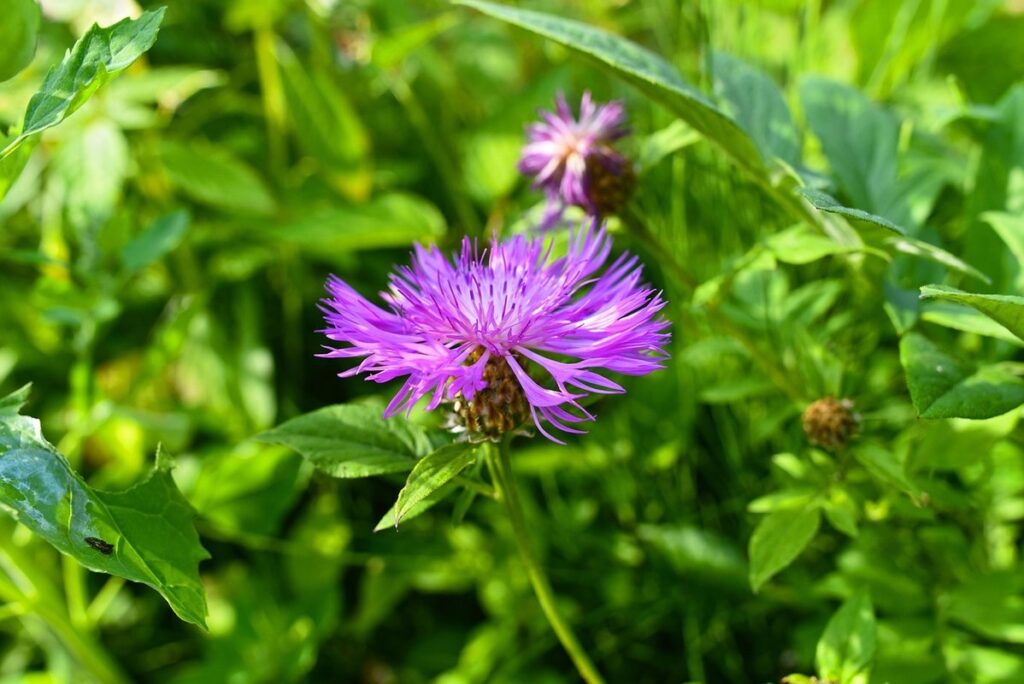
Blue and Purple: Less-Understood Attractors
Blue and purple colors may not be as immediately attention-grabbing for bees as yellow or orange hues, but they still play a significant role in attracting these pollinators. In fact, research has shown that certain shades of blue, such as ultramarine and azure, can be just as effective at drawing bees to flowers as their brighter counterparts.
For bees, the significance of blue and purple colors lies in their association with nectar-rich flowers. Many plants that produce these colors have evolved to attract pollinators like bees, ensuring they’re able to transfer pollen and facilitate reproduction. Take for example, forget-me-nots (Myosotis spp.), which have vibrant blue petals that serve as a beacon for bees seeking sweet nectar.
When incorporating blue or purple into your garden design, consider the nuances of these colors. Blues can range from pale sky tones to deep navy shades, while purples span from lavender to rich plum hues. By selecting varieties that match the natural color palette of flowers native to your region, you’ll be more likely to attract bees and other beneficial pollinators.
Colors That Attract Wasps
When it comes to wasps, certain colors can be incredibly enticing, drawing them in from a distance and increasing the chances of an unwanted encounter. Let’s explore the colors that attract these stinging insects.
White and Cream: Preferred by Paper Wasps
When it comes to paper wasps, their color preferences are quite distinct. These social wasps have a particular fondness for white and cream-colored surfaces, often building their nests on buildings that feature these hues. But why do they find these colors so appealing? The main reason lies in the simplicity of these shades.
White and cream-colored surfaces reflect light easily, creating a uniform appearance that is not only visually pleasing but also offers a sense of security for paper wasps. This reflective quality allows them to spot potential threats or food sources from a distance, which is crucial for their survival. Additionally, the clean lines and minimal patterns associated with white and cream colors provide an ideal backdrop for their intricate nests.
If you’re concerned about attracting paper wasps to your property, consider repainting walls or trim in shades of white or cream. While it may not eliminate the issue entirely, it can certainly make your home less appealing to these wasps.
Red and Orange: Attractors for Yellowjackets
If you’re looking to attract yellowjackets, also known as paper wasps, it’s likely because of their strong affinity for red and orange hues. These colors are particularly attractive to them due to the way they perceive light in the ultraviolet spectrum. Yellowjackets see these colors more intensely than humans do, which is why they’re drawn to brightly colored objects.
It’s worth noting that this attraction isn’t just limited to food sources – yellowjackets can also be lured by red and orange decorations or clothing. This is particularly concerning if you’re trying to avoid them, as their aggressive behavior can be triggered by these colors. If you notice a high concentration of yellowjackets in your area, it’s best to remove any brightly colored items that might be attracting them.
To minimize the risk of attracting yellowjackets, stick to neutral colors like beige or gray when decorating outdoor spaces. You can also try using screens or netting around areas where food is being served to prevent these wasps from getting too close.
Patterns That Influence Attraction
When it comes to attracting bees and wasps, certain visual cues play a significant role, and understanding these patterns can help you manage unwanted visitors. Let’s explore the colors that specifically attract these stinging insects.
Geometric Shapes: The Power of Symmetry
Symmetry is a fundamental aspect of many flowers’ designs, and it’s not just for visual appeal. Insects like bees and wasps are naturally drawn to symmetrical patterns, which they perceive as signals of high nutritional value.
When an insect lands on a flower with symmetrical petals or markings, its brain processes this information as a sign that the plant is healthy and rich in nectar. This innate attraction to symmetry is rooted in evolution, where bees and wasps learned to associate it with food sources over time.
In fact, studies have shown that when presented with symmetrical patterns, bees are more likely to return to the same flower for nectar. This is why many flowers exhibit radial or bilateral symmetry – they’re broadcasting a message to potential pollinators that they offer an energy-rich reward.
To incorporate symmetry into your garden design and attract these beneficial insects, consider using plants with radial or bilateral symmetrical patterns in their petals, like sunflowers or zinnias. By doing so, you’ll be creating a welcoming environment for bees and wasps, increasing the chances of successful pollination and attracting more of these helpful insects to your garden.
Textures and Patterns: Additional Visual Cues
When it comes to attracting bees and wasps, colors are just one aspect of their visual cues. Textures and patterns play a significant role in drawing these insects into our gardens and homes.
For example, honeybees have been shown to be attracted to certain flower shapes, but the texture of those flowers is also crucial. Studies have found that bees prefer smooth, rounded surfaces over irregular or jagged ones. This preference for smooth textures can be applied to your garden design by incorporating plants with waxy leaves or soft petals.
In terms of patterns, stripes and checks are particularly effective at drawing bees in. Research has shown that these types of patterns can increase foraging success rates by up to 20%. If you’re looking to attract bees to a specific area, consider incorporating striped or checkered textiles into your garden decor or even painting them on a fence.
Keep in mind, however, that wasps tend to have different preferences. They often prefer more complex patterns and may be drawn to shiny surfaces like metal or reflective materials. When designing for both bee and wasp attraction, it’s essential to consider these differences and cater to each species’ unique visual cues.
Environmental Factors Affecting Attraction
When it comes to attracting bees and wasps, environmental factors play a significant role in determining what colors they’re drawn to. Let’s explore how temperature, lighting, and surrounding plants impact their attraction to certain hues.
Temperature: The Role of Warmth in Attraction
Temperature plays a significant role in attracting bees and wasps. As these insects are most active during warm periods, it’s essential to understand how temperature influences their behavior. Bees and wasps have an internal thermostat that helps regulate their body temperature. When the temperature rises, they become more active and start searching for food and potential mates.
As a result, certain colors or patterns may become more visible to these insects under different conditions. For instance, bees are attracted to warm-toned colors like yellow, orange, and red, as they resemble nectar-rich flowers. Conversely, wasps tend to be drawn to cooler tones like blue and green, which often signal the presence of water.
In practical terms, this means that if you want to attract bees to your garden, incorporate more warm-toned flowers or accessories with those colors. However, if you’re dealing with a wasp infestation, consider using blue or green-colored items to distract them from your space.
Humidity: Its Impact on Insect Behavior
When it comes to attracting bees and wasps, humidity is another crucial environmental factor to consider. As with temperature and wind direction, humidity can significantly impact these insects’ behavior, particularly their ability to fly and navigate their surroundings.
Research suggests that high humidity levels can make flying more difficult for bees and wasps, as the air’s density increases, requiring more energy to propel themselves through it. This is because water molecules in humid air create resistance, making flight more energetically expensive. As a result, these insects may be less active or avoid areas with high humidity.
On the other hand, some species of bees and wasps are adapted to thrive in humid environments. For instance, certain tropical bee species have evolved larger wings to cope with the dense air, allowing them to fly efficiently even in hot, humid conditions. Understanding the specific preferences of the target insect species is essential when attempting to attract them.
When designing your attraction strategy, consider incorporating elements that provide shelter from rain or excessive moisture, such as under eaves or awnings. This can help create a welcoming environment for bees and wasps while minimizing their aversion to humid conditions.
Safety Precautions for Attracting Bees and Wasps
When it comes to attracting bees and wasps, safety should be your top priority. This is why we’re taking a moment to cover essential precautions to take when drawing these beneficial insects into your garden or yard.
Avoiding Conflicts: A Guide to Safe Coexistence
When it comes to attracting bees and wasps, safety should always be your top priority. While these insects can be beneficial for pollination and pest control, their stingers can pack a painful punch. To avoid conflicts and minimize the risk of stings, follow these guidelines for safe coexistence.
Before you start setting up your bee-friendly garden or attracting wasps to your outdoor space, make sure you understand their behavior and body language. A calm and non-threatening approach is key. When approaching an area where bees or wasps are present, move slowly and deliberately, avoiding sudden gestures that might provoke them. Keep in mind that both species are highly social and protective of their nests, so it’s essential to respect their boundaries.
Here are some practical tips for safe coexistence:
* Maintain a safe distance from their nests, at least 10-15 feet away.
* Avoid wearing sweet-smelling perfumes or colognes, as these can attract them.
* Don’t disturb or touch their nests, even if they appear abandoned.
* Wear protective clothing, including long sleeves and pants when working outdoors in areas where bees and wasps are present.
By taking these simple precautions, you can minimize the risk of conflicts and enjoy the benefits of attracting these beneficial insects. Remember, it’s all about respect and understanding their behavior. With a little knowledge and caution, you can safely attract bees and wasps to your outdoor space while avoiding potential risks.
Frequently Asked Questions
Can I safely plant bee-attracting flowers near a window to observe their behavior?
Yes, planting bee-friendly flowers like sunflowers or zinnias near a window is a great way to observe these fascinating creatures up close. Just be sure to keep a safe distance and avoid disturbing them, as bees can become aggressive when threatened.
How do I deter bees from nesting in my garden’s outdoor furniture if they’re attracted to the color?
If you’ve noticed bees nesting in your outdoor furniture, try using a combination of visual deterrents like yellow or orange tablecloths and UV-resistant netting. Regularly cleaning and decluttering your space can also discourage them from returning.
Can I use artificial light sources to attract bees and wasps for photography purposes?
Yes, certain artificial light sources like LED lights with UV outputs can attract insects for photography. However, be aware that using lights may alter the natural behavior of these creatures, so handle them with care and respect their boundaries.
What are some common mistakes people make when trying to attract or deter bees and wasps?
Common mistakes include using pesticides, which can harm both pollinators and other beneficial insects. Another mistake is neglecting to research local bee species and their specific preferences, leading to ineffective attempts at attracting them.
How do I differentiate between a yellow jacket and a paper wasp nest if they’re attracted to similar colors?
Paper wasps tend to build umbrella-shaped nests under eaves or in protected areas, while yellowjacket nests are often found in underground burrows. Look for distinct differences in their nesting habits and color preferences to determine which species you’re dealing with.