
New York garden spiders are often viewed as eight-legged invaders in our backyards, but their importance to our ecosystem cannot be overstated. These unassuming arachnids play a vital role in keeping pest populations under control, making them a valuable asset for homeowners and gardeners alike. But beyond their practical uses, NY garden spiders also boast an array of fascinating physical characteristics, behaviors, and adaptations that make them worth learning about.
In this article, we’ll delve into the intriguing world of New York garden spiders, exploring their life cycle, diet, habitat, and unique traits that set them apart from other spider species. From their impressive webs to their skillful hunting techniques, we’ll uncover the secrets behind these often-misunderstood arachnids and highlight the importance of preserving their place in our natural world.
What is a New York Garden Spider?
Let’s take a closer look at what makes the New York garden spider so fascinating, starting with its basic characteristics and habits. These eight-legged wonders are a common sight in NY gardens, but do you know their story?
Physical Characteristics
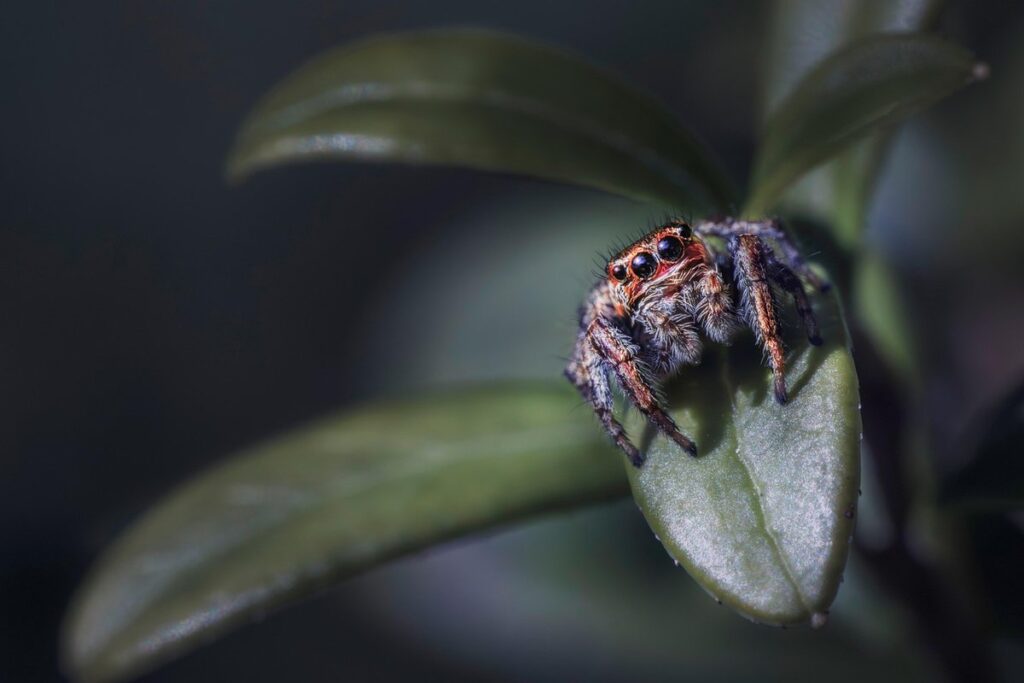
One of the most distinctive features of the New York garden spider is its physical appearance. These spiders are relatively small, with a body length that typically ranges from 1/4 to 3/8 inch (6-9 mm). They have a dull yellow or light brown coloration, often with darker stripes on their abdomen. The most striking feature, however, is the presence of distinctive markings on their back, which can appear as zigzags, stripes, or even small white spots.
If you’re trying to identify a New York garden spider, look for these characteristic markings and coloration patterns. Note that their bodies are often covered in fine hairs, giving them a fuzzy appearance. Female spiders tend to be larger than males, with the females reaching up to 1/2 inch (13 mm) in body length. Despite their relatively small size, New York garden spiders have long legs that help them move swiftly and catch prey efficiently. When observing these spiders in your garden, remember that their physical characteristics are a testament to their remarkable adaptability and ability to thrive in various environments.
Habitat and Distribution
New York garden spiders can be found throughout the state, thriving in both urban and rural areas. These eight-legged residents of New York have adapted to various environments, from the concrete jungle of Manhattan to the lush countryside of upstate New York.
In terms of specific habitats, NY garden spiders prefer areas with dense vegetation, such as gardens, parks, and greenhouses. They are also commonly found near outdoor seating areas, decks, and patios, where they can spin their webs to catch prey. In rural areas, they inhabit fields, meadows, and woodlands, often near water sources like ponds or streams.
In urban environments, NY garden spiders can be found in unexpected places, such as apartment building walls, windowsills, and even inside homes. This is due to their ability to squeeze through tiny openings and navigate complex spaces. Despite their ubiquity, NY garden spiders tend to avoid areas with high human activity and noise levels, preferring more secluded spots where they can spin their webs undisturbed.
When spotting an NY garden spider in your garden or yard, consider creating a welcoming environment by providing plenty of hiding places like leaf litter, branches, or rocks. This will encourage these fascinating arachnids to make themselves at home.
Behavior and Life Cycle
As you watch a ny garden spider at work, it’s fascinating to observe their complex behavior patterns, from courtship rituals to hunting strategies. Let’s dive deeper into their life cycle and daily activities.
Mating and Egg-Laying Habits
When it comes to mating and egg-laying habits, New York garden spiders are fascinating creatures. Males play a crucial role in attracting females through complex courtship rituals. They produce specialized silk threads that serve as vibrational signals, which attract nearby females. These vibrations can be detected by the female’s sensitive legs, indicating the presence of a potential mate.
During fertilization, males transfer their sperm to the female’s epigyne, a specialized organ located on her abdomen. This process is often accompanied by intense leg-waving and vibrations, allowing the male to ensure successful transfer. In some cases, multiple males may compete for a single female, leading to complex interactions and conflicts.
Female New York garden spiders typically lay their eggs in protected areas, such as underground burrows or hidden crevices within vegetation. A single clutch can contain up to 20 egg sacs, with each sac containing dozens of eggs. After laying her eggs, the female spider will guard them until they hatch, ensuring their survival and success in the next generation.
Spiderlings and Growth Stages
When you first spot a New York garden spider, it’s likely to be an adult female spinning her web. But have you ever wondered where these impressive arachnids come from? The life cycle of the New York garden spider is a fascinating process that involves several stages, from egg to adult.
After mating, the female spider lays her eggs in a protected spot, often wrapped in silk. The number of eggs can range from a few dozen to over 1,000, depending on factors like food availability and environmental conditions. Once the eggs hatch, the tiny spiderlings emerge, measuring about 0.2 inches long.
The spiderlings go through several molting stages as they grow, shedding their skin about every week or two. During this time, they’re vulnerable to predators and must find a safe haven to molt. As they develop, they start to resemble small versions of the adult spider, with eight legs and a distinctive yellow and brown color pattern.
It’s essential for gardeners and nature enthusiasts to recognize these early stages, as they provide valuable insights into the spider’s life cycle and behavior. By observing and learning from the different developmental milestones, you can better appreciate the intricate world of New York garden spiders.
Diet and Hunting Strategies
To survive, New York garden spiders have developed effective diet and hunting strategies that you can learn to appreciate and even admire in these fascinating arachnids. Let’s dive into their unique approaches.
Prey Preferences and Capture Techniques
When it comes to their diet, New York garden spiders are generalist feeders, which means they’ll consume a wide variety of insects and other small arthropods. Their preferred prey species include flies, mosquitoes, moths, beetles, and other flying or crawling insects that venture too close to their webs.
But how do they catch their food? NY garden spiders use an impressive array of capture techniques. They start by constructing intricate webs, often with a sticky spiral thread at the center where they’ll ensnare prey. When an unsuspecting insect gets caught in the web, the spider will carefully approach it, using its sensitive pedipalps to feel for vibrations and assess the size and potential threat of the catch.
Some spiders even use a technique called “vibrational detection,” where they tap their web gently with their legs to detect the presence of prey. Once a potential meal is detected, the spider will wrap it in silk, often devouring it whole or injecting it with digestive fluids before wrapping it up for later consumption.
Web-Building and Ambush Tactics
When it comes to catching prey, ny garden spiders rely heavily on their intricate web-building skills. These skilled arachnids construct unique structures that serve as ambush tactics, allowing them to snatch unsuspecting insects with ease.
One of the most fascinating aspects of ny garden spider web-building is their preference for orb-shaped webs. These symmetrical structures are expertly crafted using silk threads, which provide both strength and elasticity. By building these webs in strategic locations such as flower clusters or leafy areas, the spiders ensure maximum exposure to potential prey.
Here’s a tip: if you observe an ny garden spider at work, look for the unique “hub” at the center of its web, where all radial threads converge. This hub is often decorated with egg sacs and sticky droplets, serving as a warning sign to predators that this area is occupied.
In reality, it’s not just about building a web – ny garden spiders have adapted their tactics to suit the local environment. By studying these creatures, we can appreciate the ingenuity and resilience of nature at work.
Importance in Ecosystems
New York garden spiders play a crucial role in maintaining healthy ecosystems, serving as both predators and prey for other animals. Let’s explore their importance in more detail.
Predator-Prey Relationships
As both predators and prey, NY garden spiders play a crucial role in maintaining the balance of their ecosystems. As predators, they feed on various insects, including mosquitoes, flies, moths, and beetles that can be pests to gardens and homes. In fact, research suggests that a single female NY garden spider can consume up to 2,000 insects during her lifetime! By controlling these pest populations, the spiders help protect plants from damage and reduce the need for pesticides.
But NY garden spiders are not just predators; they are also prey themselves. They have several natural enemies, including birds, lizards, and other spiders that feed on them or their eggs. This predator-prey dynamic is essential to maintaining a healthy ecosystem balance, as it regulates the populations of both the predators and prey. By coexisting with these natural enemies, NY garden spiders contribute to the overall resilience of their ecosystems.
To encourage NY garden spiders in your own garden, create a welcoming environment by providing sheltered spots for them to build their webs. Avoid using broad-spectrum pesticides that can harm or kill these beneficial arachnids. Instead, adopt integrated pest management techniques that target specific pests and preserve biodiversity.
Ecological Balance
NY garden spiders play a crucial role in maintaining ecological balance in both urban and natural areas. These eight-legged arachnids contribute to this delicate balance by controlling pest populations that might otherwise overrun the ecosystem. By preying on mosquitoes, flies, and other small insects, NY garden spiders help keep these pests from causing damage to plants and gardens.
In fact, it’s estimated that a single NY garden spider can consume up to 2,000 insects per year, including many species considered pests. This not only benefits gardeners but also maintains the overall health of ecosystems by preventing the spread of disease-carrying insects like mosquitoes. To encourage these beneficial spiders in your own garden, consider creating a habitat that includes native plants, rocks, and other hiding spots for them to nest.
By embracing NY garden spiders as an integral part of your ecosystem, you can promote biodiversity, reduce pesticide use, and maintain a healthier environment – all while enjoying the fascinating spectacle of these web-spinning wonders in action!
Interesting Facts and Myths
As you continue exploring the fascinating world of New York garden spiders, let’s debunk some common myths and share interesting facts that will change how you look at these eight-legged wonders.
Common Misconceptions About Garden Spiders
When it comes to our eight-legged friends that call New York’s gardens home, there are several common misconceptions about garden spiders. One of the most prevalent myths is that they possess deadly venom. While it’s true that some spider species can deliver painful bites, NY garden spiders are harmless to humans and their venom is not strong enough to cause serious harm. In fact, most people who claim to have been bitten by a garden spider experience nothing more than minor redness or swelling.
Another misconception about these beneficial arachnids is that they’re aggressive. Nothing could be further from the truth! Garden spiders are actually quite docile and will only bite humans in extreme circumstances – like when their web or egg sacs are threatened. To put your mind at ease, simply observe them spinning their webs in a calm, unhurried manner. They’re simply going about their business, providing an essential service by controlling pest populations. So the next time you spot a garden spider, take a moment to appreciate its hard work – and remember, these tiny marvels are harmless to humans!
Fun Facts and Trivia
New Yorkers often catch glimpses of their eight-legged neighbors, but there’s more to NY garden spiders than meets the eye. These spiders are incredibly skilled hunters, using a unique technique called “ballooning” to disperse their webs and find prey. During this process, they release silk threads into the air, which act like parachutes, carrying the spider up to 10 feet or more in a single jump.
Interestingly, NY garden spiders have a built-in defense mechanism against predators – they can autotomize (self-amputate) their own legs if threatened. This behavior is meant to distract the predator and give the spider time to escape. While it may sound gruesome, this adaptation has allowed NY garden spiders to thrive in urban environments where predators are abundant.
If you’re looking to coexist with these fascinating creatures, remember that NY garden spiders are generally harmless to humans and pets. In fact, they play an essential role in controlling insect populations in New York gardens. By tolerating their presence and creating a welcoming environment, you can encourage these beneficial spiders to stay and do their job effectively.
Safety Precautions for Humans
When venturing into their garden domain, it’s essential to know how to safely coexist with these eight-legged creatures, so let’s explore some guidelines on handling interactions.
Venom and Bite Response
While it’s understandable to be concerned about potential risks associated with NY garden spider bites, rest assured that these spiders are generally harmless to humans. However, as a precautionary measure, it’s essential to understand the symptoms and treatment options.
If you do encounter an NY garden spider bite, you might experience mild symptoms such as redness, swelling, or localized pain at the bite site. In rare cases, some individuals may develop a small blister or minor inflammation. These reactions are usually short-lived and resolve on their own within 24 to 48 hours.
To put things into perspective, most reported NY garden spider bites result in no serious health consequences. According to various studies, only a handful of documented bites have been severe enough to warrant medical attention. If you suspect you’ve been bitten, keep an eye on the affected area for any signs of worsening symptoms and monitor your body’s response.
If you experience more severe symptoms such as difficulty breathing, rapid heartbeat, or severe pain, seek immediate medical attention. In most cases, treatment will involve antihistamines or corticosteroid creams to alleviate discomfort and reduce inflammation. To avoid unnecessary worry, remember that NY garden spiders are beneficial for your garden ecosystem and play a vital role in maintaining a balanced environment.
Prevention and Control Measures
When venturing into your backyard or exploring the great outdoors, it’s essential to be mindful of these fascinating eight-legged creatures. Since NY garden spiders are attracted to dark and secluded areas, they often make their homes in walls, eaves, and other hiding spots around buildings.
To avoid encounters with NY garden spider webs, take a moment to survey your surroundings before stepping into your home or garage. Look for visible webs on door handles, light fixtures, and any other entrance points. Be sure to inspect areas behind furniture and boxes, as these spiders often spin their webs in these hidden spaces.
If you do encounter an unwelcome guest inside, stay calm and carefully contain the area. Don’t attempt to touch or handle the spider, as this can cause it to become defensive and release venom. Instead, slowly guide it outside using a cup or container, then release it far away from your home. To prevent future intruders, keep your yard clean by removing debris, leaves, and other clutter that may attract these spiders. Seal any entry points around windows, doors, and vents to ensure they don’t sneak back in.
Frequently Asked Questions
Can I attract New York garden spiders to my garden if I create a spider-friendly habitat?
Yes, you can encourage NY garden spiders to inhabit your garden by providing them with a suitable environment that includes native plants, sheltered areas, and sufficient water sources. By creating a welcoming space, you’ll not only support these beneficial arachnids but also attract other pollinators and wildlife.
How do I distinguish between a New York garden spider and a similar-looking spider species?
To differentiate NY garden spiders from others, look for their distinctive physical characteristics, such as their dull yellow or light brown coloration with darker stripes on the abdomen. Additionally, observe their web-building behavior; NY garden spiders are known for creating irregular orb-shaped webs.
What should I do if I encounter a New York garden spider in my home?
If you accidentally bring an NY garden spider into your house, don’t panic! These arachnids are harmless and will eventually die or find their way outside. However, if the spider is still alive, gently escort it to a nearby window or door using a piece of cardboard.
Can New York garden spiders help control pest populations in my organic garden?
Yes, NY garden spiders play a vital role in controlling pest populations by feeding on insects that could damage your plants. By allowing these beneficial arachnids to thrive in your garden, you’ll reduce the need for pesticides and maintain a balanced ecosystem.
How can I prevent New York garden spiders from getting into my house during the winter months?
To deter NY garden spiders from entering your home during the cold season, seal any cracks or crevices around windows, doors, and pipes. You can also use door sweeps or weatherstripping to block their entry points.