
Late blight disease is one of the most devastating fungal diseases that can affect your tomato crop, causing widespread damage and significant yield loss. If you’re a gardener or farmer who’s struggled with this issue before, you know how frustrating it can be to see your hard work ruined by a single outbreak. Fortunately, there are effective prevention strategies that can help minimize the risk of late blight on your tomatoes. In this article, we’ll explore proven methods for preventing late blight disease, including crop selection, soil preparation, and irrigation management. By implementing these simple yet crucial measures, you can reduce the likelihood of an outbreak and enjoy a healthy and bountiful tomato harvest. Let’s dive into the details of late blight prevention on tomatoes.
Understanding Late Blight
Late blight is a complex and unpredictable disease that affects tomato crops, causing significant damage and yield loss if not properly managed. In this section, we’ll break down the key factors contributing to late blight outbreaks.
What is Late Blight?
Late blight is a devastating fungal disease that affects tomato plants worldwide. It’s one of the most significant threats to global food security, particularly for potato and tomato crops. The disease is caused by the Phytophthora infestans fungus, which infects plant leaves and stems through water droplets or splashing soil.
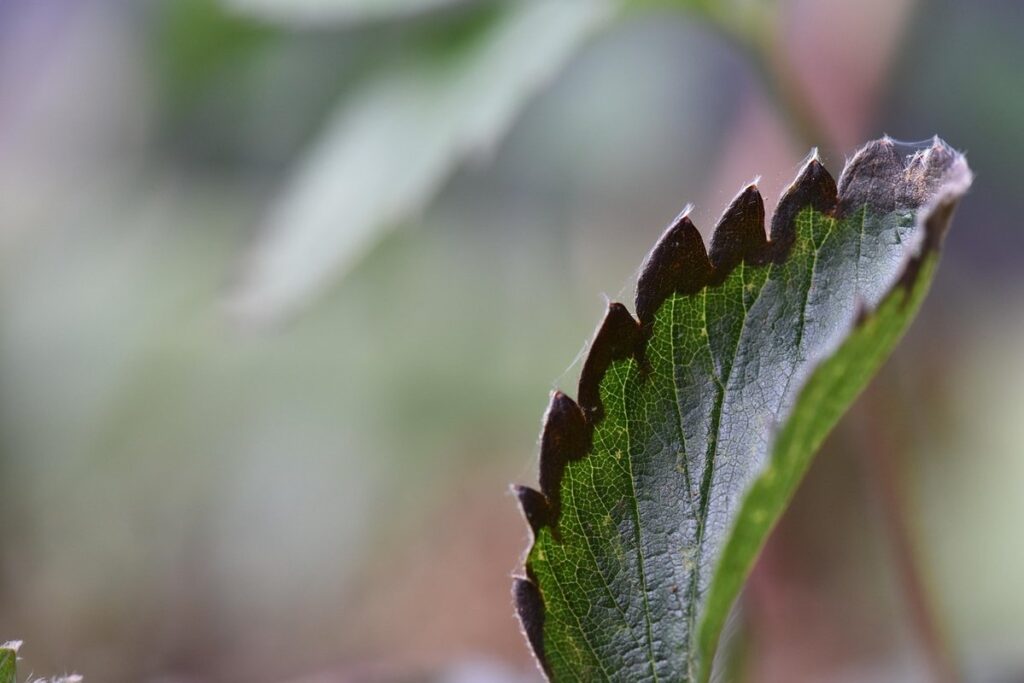
Symptoms of late blight include yellowing or white powdery patches on leaves, often with a clear distinction between infected and healthy tissue. As the disease progresses, leaves may become distorted, wilted, or drop off entirely. Tomato plants affected by late blight may also experience a significant reduction in fruit production and quality.
When left unchecked, late blight can spread rapidly throughout an entire crop, causing widespread damage and potentially leading to crop losses of up to 100%. This is why it’s crucial for gardeners and farmers to be aware of the signs of late blight and take prompt action to prevent its spread. Regular monitoring and sanitation practices can help detect and control outbreaks before they get out of hand.
Factors Contributing to Late Blight Infection
Late blight is a highly infectious disease that can devastate tomato crops under favorable environmental conditions. Weather plays a significant role in its spread and severity. Cool, wet weather with temperatures between 50°F to 60°F (10°C to 15°C) creates an ideal environment for the pathogen’s growth and reproduction. Prolonged periods of rainfall or irrigation can keep the spores moist, allowing them to germinate and infect nearby plants.
Proximity to infested areas is also a significant risk factor. Spores can travel through the air, water, or by direct contact with infected plant material. Soil moisture levels can also impact infection rates, as late blight thrives in moist environments. Overwatering or poor drainage can lead to an increased risk of infection.
To mitigate these risks, it’s essential to monitor weather forecasts and adjust irrigation schedules accordingly. Regularly inspect your plants for signs of infection, and remove any infected material to prevent the spread of disease. Planting resistant varieties and maintaining good sanitation practices in the garden can also help reduce the likelihood of late blight infection.
Importance of Early Detection
Early detection of late blight is crucial to prevent the spread and minimize its impact on your tomato crop. If left unchecked, the disease can lead to significant losses, not just in terms of yield but also in potential revenue. For instance, a study conducted by the University of Wisconsin-Madison found that late blight can reduce tomato yields by up to 90% in severe cases.
Moreover, missing early signs of late blight can allow it to spread quickly through wind and water, infecting other plants and potentially leading to crop failure. This is because the spores of the pathogen responsible for late blight can survive for extended periods on infected plant debris, waiting for favorable conditions to germinate and infect new hosts.
To detect late blight early on, keep a close eye out for characteristic symptoms such as yellowing or browning leaves, white powdery patches, or black lesions. Regular monitoring of your plants and prompt removal of any affected areas can help contain the disease and prevent its spread.
Prevention Strategies
Now that we’ve covered the causes and symptoms of late blight, let’s dive into prevention strategies that will save your tomato crop from this devastating disease. These practical tips are essential to protecting your plants.
Crop Selection and Management
When selecting crops for your tomato patch, it’s essential to consider those with built-in resistance to late blight. Some popular options include ‘Bartolo’, ‘Belinda’, and ‘Defiant’ – these varieties have demonstrated robust defense against the disease. When choosing a variety, check for the “L” or “T3” suffix in its name; this indicates that it has been bred for late blight resistance.
It’s also crucial to plan your planting schedule carefully. In areas prone to late blight outbreaks, avoid planting tomatoes too early in the season when moisture is high and temperatures are cooler – ideal conditions for the disease to spread. Instead, opt for a mid-season planting (late May or June) when soil temperatures have warmed up.
Crop rotation can also play a significant role in preventing late blight infestations. Rotate your tomato patch every two years with non-solanaceous crops such as beans, corn, and cucumbers – these won’t harbor the disease pathogens. When rotating back to tomatoes, select a different variety to avoid cultivating susceptible varieties on the same soil.
Remember that crop rotation alone is not enough; other prevention measures must be taken in conjunction.
Soil Preparation and Amendments
When it comes to preventing late blight on tomatoes, soil preparation and amendments play a crucial role. A healthy plant is better equipped to fight off diseases, and the right soil conditions can significantly reduce the likelihood of infection. To create an ideal environment for your tomato plants, start by testing the pH levels in your soil. Most vegetables, including tomatoes, prefer a slightly acidic to neutral soil pH between 6.0 and 7.0.
Proper nutrient management is also essential. Ensure that your soil has adequate nitrogen, phosphorus, and potassium levels, as these are critical for healthy plant growth. You can achieve this through organic amendments like compost or well-rotted manure. Additionally, consider adding micronutrients such as calcium and magnesium to support plant resilience.
Aim for a balanced fertilizer application, taking into account the nutrient needs of your tomato plants at different stages of growth. For example, tomatoes require more phosphorus during fruiting than they do during vegetative growth. By getting the soil right, you’ll be giving your tomato plants a solid foundation to resist late blight and other diseases.
Irrigation Management
When it comes to preventing late blight on tomatoes, proper irrigation management is crucial. Waterlogged conditions are the perfect breeding ground for this disease, and if you want to grow healthy, thriving tomato plants, you need to get watering right.
One of the best ways to prevent waterlogged soil is to use drip irrigation systems. These systems deliver water directly to the roots of your plants, reducing evaporation and runoff. Not only do they conserve water, but they also reduce the risk of fungal diseases like late blight. Another great option is mulching, which helps retain moisture in the soil while preventing water from accumulating around the base of your plants.
In addition to these strategies, it’s essential to avoid overwatering, especially during cooler months when tomato plants are more susceptible to disease. Water your plants deeply but infrequently to encourage deep root growth and make them less dependent on frequent watering. By implementing these irrigation management techniques, you’ll be taking a crucial step towards preventing late blight on your tomatoes and growing a healthy, productive crop.
Cultural Practices for Disease Prevention
To grow healthy tomatoes, it’s essential to adopt cultural practices that prevent late blight from taking hold, and we’ll explore some of these key habits here. We’ll cover methods like crop rotation and sanitation.
Pruning and Training Techniques
Proper pruning and training of tomato plants are essential cultural practices that can significantly reduce the risk of late blight infection. When plants are grown in a dense, compact manner, air circulation is limited, allowing moisture to accumulate on leaves and creating an ideal environment for disease development. By pruning and training your tomatoes to promote air circulation, you can prevent this perfect storm.
To enhance air circulation, prune your tomato plants regularly by removing lower leaves that touch the ground or other plants. This will also help control weeds that can compete with your tomatoes for water and nutrients. When training your plants, use a trellis or cage to keep them upright and encourage vertical growth. By growing your plants in an open structure, you’ll create more space between each plant, allowing air to circulate freely.
For example, in a study published by the University of Wisconsin-Madison, researchers found that pruning tomato plants reduced late blight infection rates by 45%. Another tip is to prune your plants after flowering has stopped to encourage new growth and prevent weak, diseased wood from producing fruit.
Monitoring and Recording Infections
Monitoring plant health is crucial for early detection of late blight symptoms. Regularly inspect your tomato plants for signs such as yellowing leaves, black spots, and a white, cottony growth on the underside of leaves. Use a hand lens or magnifying glass to closely examine affected areas.
Maintaining accurate records of infection patterns can help you identify trends and adjust management strategies accordingly. Keep a journal to note:
* Dates when symptoms first appear
* Number of infected plants
* Type and severity of symptoms
* Weather conditions (temperature, humidity) at the time of observation
This information will enable you to make informed decisions about fungicide applications, pruning, or other cultural practices to mitigate late blight spread. For example, if you notice a pattern of infection following periods of high rainfall, you can adjust your irrigation schedule accordingly.
By combining regular monitoring with thoughtful record-keeping, you’ll be better equipped to prevent late blight on your tomato crop and minimize the need for fungicides.
Biological Controls
Introducing beneficial organisms that can help suppress late blight populations is a fascinating approach to disease prevention. This method, known as biological control, has gained significant attention in recent years due to its potential to reduce the reliance on chemical pesticides and promote more sustainable agriculture practices.
One of the most promising beneficial organisms for controlling late blight is Trichoderma harzianum, a fungus that produces compounds that inhibit the growth of the Phytophthora infestans pathogen responsible for late blight. Research has shown that Trichoderma can be applied as a biofertilizer or incorporated into seed treatments to enhance plant immunity and reduce disease severity.
Other beneficial organisms, such as Bacillus subtilis and Pseudomonas fluorescens, have also been studied for their potential to control late blight. These microorganisms can produce antibiotics and other compounds that suppress pathogen growth and induce systemic resistance in plants. While more research is needed to fully understand the effectiveness of these biological controls, they offer a promising alternative to traditional disease management methods.
When introducing beneficial organisms into your tomato crop, it’s essential to follow proper application procedures and ensure compatibility with other cultural practices. Start by selecting high-quality seed or seedlings that have been inoculated with beneficial microorganisms. Follow the recommended rates for biofertilizer applications and monitor the crop regularly for signs of late blight.
Chemical Control Measures
When it comes to late blight prevention, chemical control measures can be a valuable addition to your arsenal of methods. We’ll explore some of the most effective options below.
Selection and Application Timing
When it comes to selecting fungicides for late blight prevention on tomatoes, understanding the differences between systemic and protectant types is crucial. Systemic fungicides are absorbed by the plant, allowing them to reach all parts of the plant, including areas protected by leaves and stems. These are particularly effective in controlling early infections and can be applied as a preventative measure before symptoms appear.
Protectant fungicides, on the other hand, form a barrier on the surface of the leaf, preventing infection from occurring. They are ideal for use during periods of high disease pressure or after an initial outbreak has occurred. However, they do not penetrate the plant’s tissues and may require repeated applications to maintain their effectiveness.
In terms of application timing, it is essential to identify the right stage in the tomato growth cycle for fungicide treatment. For optimal results, start applying protectant fungicides around 10-14 days after transplanting, when the plants have two sets of true leaves. Repeat applications every 7-10 days as needed based on weather conditions and disease pressure.
Integrated Pest Management (IPM) Strategies
When it comes to preventing late blight on tomatoes, relying solely on chemical control measures is not only ineffective but also detrimental to the environment and human health. That’s why it’s essential to adopt an Integrated Pest Management (IPM) strategy that combines chemical controls with cultural practices.
A comprehensive IPM plan involves identifying and addressing the root causes of late blight infestations, rather than just treating the symptoms. This includes selecting disease-resistant tomato varieties, maintaining optimal growing conditions such as temperature, humidity, and air circulation, and rotating crops to break the disease cycle.
Some key components of an effective IPM strategy include:
* Monitoring weather forecasts and applying fungicides only when necessary
* Removing and disposing of infected plants to prevent the spread of the disease
* Using physical barriers such as row covers to prevent fungal spores from reaching your plants
* Maintaining a clean and well-ventilated growing area to reduce moisture and humidity
By incorporating these cultural practices into your IPM strategy, you can significantly reduce your reliance on chemical controls and create a healthier, more sustainable tomato crop.
Organic Control Measures
Let’s explore some effective organic control measures that will help you naturally prevent late blight on your tomato plants without using harsh chemicals. We’ll dive into practical methods to keep your crop healthy and thriving.
Copper-Based Fungicides
Copper-based fungicides are an essential tool for organic farmers looking to control late blight on tomatoes. These products contain copper compounds that have been used for centuries to prevent fungal diseases in plants. Copper-based fungicides work by interfering with the cell membranes of fungi, ultimately killing them.
When using copper-based fungicides, it’s crucial to follow the recommended application rates. Typically, these products are applied at a rate of 0.2-1.5% copper. For example, if you’re using a product that contains 50% copper oxide, you would mix 0.25-1.875 pounds of the product with one gallon of water for a typical application.
Safety considerations are also essential when working with copper-based fungicides. Copper can be toxic to aquatic life and should not be used near waterways. It’s also essential to avoid mixing copper-based fungicides with other products that contain sulfur or phosphorus, as this can lead to reduced effectiveness.
Regular monitoring of your crop is vital to ensure the late blight doesn’t spread. Regularly inspect your tomato plants for signs of disease and take action promptly if you notice any issues.
Bicarbonate Solutions
Bicarbonate solutions have gained popularity as a natural alternative to chemical fungicides for managing late blight on tomatoes. This method involves spraying a solution of baking soda (sodium bicarbonate) mixed with water onto the affected plants. Research has shown that bicarbonate solutions can be effective in inhibiting fungal growth and reducing disease severity.
When using bicarbonate solutions, it’s essential to prepare the correct concentration. A commonly recommended mixture is 1-2 tablespoons of baking soda per gallon of water. This solution should be sprayed on the undersides of leaves, stems, and fruits to prevent spore germination and fungal growth. For optimal results, apply the solution every 7-10 days during periods of high humidity or rain.
Some growers have reported success with bicarbonate solutions, noting a significant reduction in late blight symptoms. However, it’s crucial to remember that this method may not provide long-term control and should be used in conjunction with other organic practices, such as crop rotation and sanitation. Always test the solution on a small area first to avoid any potential damage to your plants.
Other Organic Options
If chemical-based control measures are not an option for you, there are other organic alternatives that can be effective in managing late blight. Essential oils have been shown to possess antifungal properties that can help combat the disease. Some of the most commonly used essential oils include tea tree oil, garlic oil, and cinnamon oil. These oils can be applied directly to affected areas or used as a foliar spray.
Biofumigants are another organic option for controlling late blight. Biofumigants work by releasing sulfur compounds into the soil that inhibit fungal growth. Examples of biofumigant plants include garlic, onion, and horseradish. To use these plants effectively, you can either plant them around the perimeter of your garden or chop and spread their leaves on the affected area.
When using essential oils or biofumigants, make sure to follow the recommended application rates and timing to avoid any potential harm to the crop. Also, consider combining these organic options with good agricultural practices such as crop rotation, removing infected plants, and maintaining proper garden hygiene to achieve optimal results.
Case Studies and Best Practices
Let’s take a closer look at real-world examples of late blight prevention on tomatoes, including successful farming operations and expert advice. This includes case studies from experienced farmers who’ve implemented effective strategies to prevent outbreaks.
Successful Farm Examples
Let’s take a look at some successful farm examples that have implemented effective late blight prevention strategies. One notable example is the organic farm, High Mowing Seeds, located in Vermont. They achieved remarkable results by adopting a combination of crop rotation, biological pest control, and integrated pest management (IPM) techniques.
Their approach involved rotating tomato crops with non-host plants like corn or beans to break the disease cycle. They also used beneficial insects like ladybugs and lacewings to control pests, reducing the need for chemical pesticides. Additionally, High Mowing Seeds implemented strict sanitation protocols, removing any infected plant material to prevent the spread of late blight.
According to their farm manager, “By implementing these strategies, we were able to reduce our chemical pesticide use by 90% and maintain high yields.” This example demonstrates that with a multi-faceted approach, farmers can effectively prevent late blight on tomatoes while maintaining a healthy and sustainable farming operation.
Lessons Learned from Failure
One of the most valuable resources for preventing late blight on tomatoes is learning from others’ mistakes. We can’t stress enough the importance of taking a proactive approach to managing this devastating disease. A key takeaway from failed attempts at prevention and management is the lack of preparedness. Many farmers assume that a single fungicide application will suffice, only to be caught off guard when late blight strikes.
A case in point is a farm that lost its entire tomato crop due to late blight. The farmer had applied a fungicide as directed, but failed to rotate his crops, leaving the soil vulnerable to disease buildup. Another lesson learned is the importance of monitoring weather conditions and field observations. A nearby farm’s failure to do so resulted in the spread of late blight to its neighboring fields.
When it comes to preventing late blight, being prepared means having a comprehensive plan in place. This includes regular crop rotation, sanitation practices, and monitoring for disease indicators such as yellowing leaves or black spots on stems. Regular scouting and prompt action when symptoms are detected can make all the difference between saving your crop and losing it altogether.
General Recommendations
When implementing late blight prevention strategies on your tomato farm, remember that consistency is key. Regularly inspect your crops for signs of the disease, and take action at the first sign of infection. This may involve removing infected plants or applying fungicides as a preventative measure.
It’s also essential to adopt integrated pest management (IPM) techniques, which involve combining physical, cultural, biological, and chemical controls to manage late blight effectively. For example, you can use crop rotation, sanitation practices, and resistant varieties to reduce the risk of disease.
Make sure to maintain accurate records of your prevention efforts, including weather data, pest monitoring results, and treatment applications. This will help you identify areas for improvement and adjust your strategy accordingly. Additionally, consider collaborating with other farmers or industry experts to share best practices and stay up-to-date on the latest research and recommendations. By following these general recommendations and staying vigilant, you can significantly reduce the risk of late blight on your tomato crops.
Frequently Asked Questions
Can I still grow tomatoes in areas where late blight is prevalent?
Late blight can be a significant threat to tomato crops, but it’s not impossible to grow them in affected areas. To reduce the risk of infection, choose disease-resistant varieties, maintain good crop rotation and sanitation practices, and use integrated pest management (IPM) strategies that incorporate physical barriers, biological controls, and organic fungicides.
How often should I inspect my tomato plants for signs of late blight?
Regular monitoring is crucial to detect early symptoms of late blight. Inspect your plants every 7-10 days during peak growth periods, paying close attention to leaf undersides, stems, and fruit. Check for characteristic yellowing or white powdery patches, and note any unusual growth patterns or leaf drop.
Can I use copper-based fungicides as a preventative measure?
Yes, copper-based fungicides can be effective in preventing late blight when applied regularly as part of an integrated pest management (IPM) strategy. However, always follow label instructions and recommended application rates to avoid overuse, which can lead to copper buildup and environmental harm.
How do I know if a product is labeled for organic use against late blight?
When selecting products for organic control measures, ensure the label explicitly states that it’s suitable for use against late blight on tomatoes. Look for certifications like OMRI (Organic Materials Review Institute) or USDA Organic to guarantee compliance with organic standards.
What’s the ideal temperature range for preventing late blight in tomato crops?
Late blight thrives in temperatures between 60°F and 80°F (15°C-27°C). To reduce the risk of infection, maintain a consistent temperature within this range during peak growth periods. Avoid extreme fluctuations or prolonged exposure to temperatures above 85°F (29°C), which can exacerbate disease severity.