
As a gardener, you’re always on the lookout for ways to give your plants the best chance at thriving. And let’s face it, using store-bought fertilizers can get expensive and even harm the environment in the long run. That’s where manure comes in – a natural, nutrient-rich soil amendment that’s been used by gardeners for centuries. But did you know just how beneficial it can be? From improving water retention to providing essential nutrients, composted manure is a game-changer for any garden. In this article, we’ll delve into the surprising benefits of using manure in your garden and show you how to compost and apply it safely. Whether you’re a seasoned gardener or just starting out, learn how to make the most of this natural wonder and take your garden to the next level.
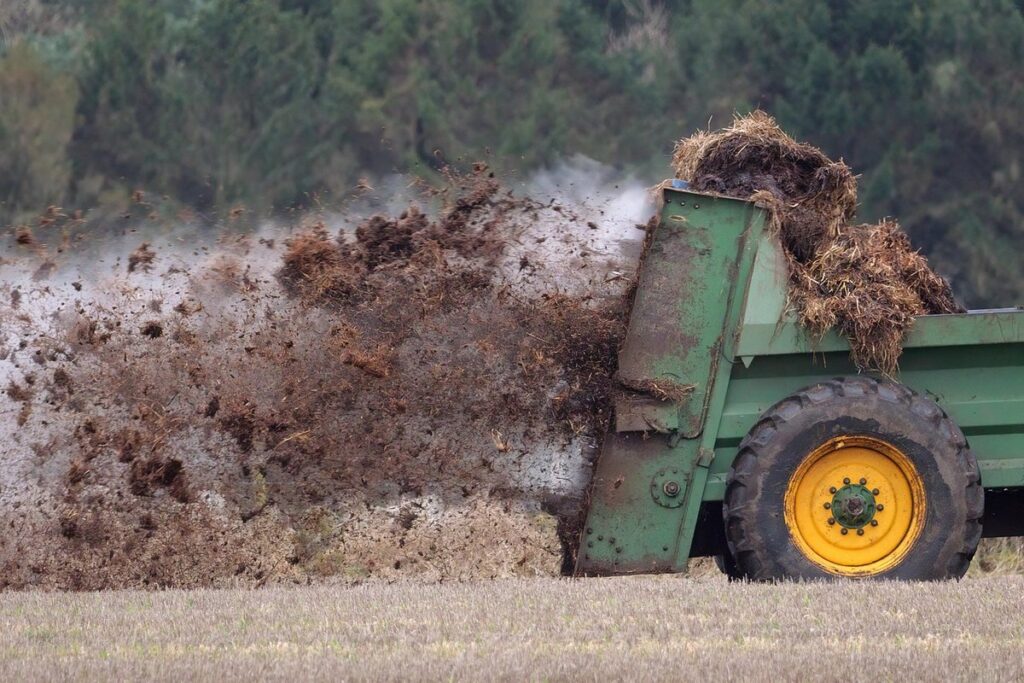
Understanding Manure: What It Is and How It’s Made
To truly harness the power of manure for your plants, it’s essential to understand what it is and how it’s made – a process that involves more than just collecting animal waste. This section breaks down the basics behind manure production.
Characteristics of High-Quality Manure
High-quality manure is essential for providing plants with the necessary nutrients and optimal growing conditions. When it comes to manure’s nutrient content, high-quality manure should have a balanced N-P-K (nitrogen-phosphorus-potassium) ratio, ideally around 10-20-10 or higher. However, this can vary depending on the source of the manure, such as chicken, cow, or horse.
A good pH level is also crucial for healthy plant growth. Manure with a pH between 6 and 7 is considered optimal, as it allows plants to absorb nutrients efficiently without being too acidic or alkaline. On the other hand, high acidity can burn roots and stunt growth, while excessive alkalinity can lead to nutrient deficiencies.
In terms of moisture levels, high-quality manure should have a moisture content between 30-50%. This ensures that the manure is neither too dry (which can make it difficult for plants to absorb) nor too wet (which can create anaerobic conditions and promote the growth of pathogens).
Types of Manure Used in Gardening
When it comes to gardening with manure, understanding the different types available can be overwhelming. Let’s break down some of the most commonly used types of manure for plants.
Animal manure is one of the most widely used and readily available sources of nutrients for plants. Chicken manure, in particular, is high in nitrogen and phosphorus, making it an excellent choice for promoting healthy growth and fruiting. Cow manure, on the other hand, is rich in organic matter and beneficial microbes that can improve soil structure and fertility.
Composted manure takes animal waste and breaks it down into a stable, odorless product. This process involves heat treatment to kill off pathogens and weed seeds, resulting in a nutrient-rich fertilizer that’s safe for use around plants.
Worm castings are another option for gardeners looking for an organic and gentle way to feed their plants. These natural worm waste pellets contain high levels of nitrogen, phosphorus, and potassium – essential micronutrients for plant growth.
Benefits of Using Manure for Plants
By using manure as a natural fertilizer, you can reap numerous benefits that will take your plants to the next level of growth and health. Let’s explore some of these advantages in more detail below.
Nutrient-Rich Soil Amendment
Manure acts as an exceptional nutrient-rich soil amendment, providing essential macronutrients like nitrogen, phosphorus, and potassium to plants. These three key nutrients are vital for plant growth and development, and manure is a natural way to replenish them in the soil.
Nitrogen (N) promotes leafy growth and green coloration in plants, while phosphorus (P) supports root development and overall health. Potassium (K), also known as potash, aids in water balance and resistance to disease. Manure from animals like cows, chickens, and horses is rich in these macronutrients, making it an ideal natural fertilizer.
To use manure as a nutrient-rich soil amendment, simply mix 2-3 inches of aged composted manure into the top 6-8 inches of soil before planting. Alternatively, you can side-dress plants with a liquid solution made by steeping manure in water. This approach allows you to deliver nutrients directly to plant roots without over-fertilizing the surrounding area.
By incorporating manure into your soil amendment routine, you’ll be providing your plants with a boost of essential nutrients that will promote healthy growth and development throughout their lifespan.
Improved Soil Structure and Water Retention
When it comes to creating an efficient irrigation system, soil structure and water retention are crucial factors. Manure can significantly improve both, making it a valuable addition for gardeners. The high organic matter content in manure helps to increase the soil’s porosity, allowing for better air circulation and water infiltration.
As a result, plants grown in manure-amended soil tend to require less frequent watering. A study conducted by the University of California found that crops grown in soils with high levels of organic matter used up to 30% less water compared to those grown in soils with low organic matter content.
To achieve improved soil structure and water retention using manure, mix it into the top 6-8 inches of soil. This will allow for optimal decomposition and incorporation of nutrients into the soil. Regularly applying manure tea or compost can also help maintain a healthy balance of microorganisms in the soil, further enhancing its ability to retain water.
By incorporating manure into your gardening routine, you’ll be able to create a more resilient and adaptable soil ecosystem that’s better equipped to handle varying weather conditions. This results in healthier plants and reduced watering needs – a win-win for both you and your garden.
Preparing Manure for Use in Gardens
To make manure a safe and effective fertilizer, you’ll need to properly prepare it by decomposing and pasteurizing it. This process is crucial for avoiding contamination and promoting healthy plant growth.
Composting Manure: The Process and Benefits
Composting manure is a process that transforms raw animal waste into a nutrient-rich fertilizer for plants. To start composting manure, you’ll need to create a balanced carbon-to-nitrogen ratio by mixing “brown” materials (high in carbon) with “green” materials (high in nitrogen). A general rule of thumb is to maintain a 2:1 or 3:1 ratio of brown to green materials. For example, you can mix 2 parts of dry leaves with 1 part of fresh manure.
This process offers several benefits, including reduced odors and pathogens, improved soil structure, and increased nutrient availability for plants. Composting manure also reduces waste disposal costs and environmental concerns associated with raw animal waste. To ensure the composting process is successful, monitor temperature and moisture levels regularly, turning the pile every few days to aerate it.
Some common brown materials used in composting include straw, hay, and shredded newspaper. Green materials, such as fresh manure, grass clippings, and food scraps, provide nitrogen-rich nutrients essential for plant growth. By following these steps, you can create a nutrient-rich fertilizer that promotes healthy plant growth while minimizing environmental impact.
Sterilizing Manure to Prevent Disease and Pests
Sterilizing manure is an essential step to prevent disease and pest outbreaks in gardens. When used fresh, manure can harbor pathogens like E. coli and Salmonella, which can contaminate soil and water. Additionally, pests like flies, rodents, and parasites can be present in manure, spreading diseases among plants.
To sterilize manure, you can use heat treatment, such as composting or pasteurizing. Composting involves mixing manure with other organic materials, like leaves or straw, and allowing it to decompose for several weeks. This process breaks down pathogens and pests, resulting in a safe and nutrient-rich fertilizer.
Pasteurizing manure involves heating it to 160°F (71°C) for at least 30 minutes to kill off pathogens. You can use a heat gun, solar oven, or even your home’s hot water tank to achieve this temperature. It’s essential to note that sterilization does not eliminate all pathogens; repeated treatment may be necessary to ensure complete elimination.
By properly sterilizing manure, you’ll reduce the risk of disease and pest outbreaks in your garden, allowing plants to thrive while minimizing health risks for humans and wildlife.
Best Practices for Applying Manure to Plants
To get the most out of manure for your plants, it’s crucial to apply it correctly. Follow these best practices to avoid damaging your soil and crops.
Types of Application Methods (e.g., Foliar Spray, Soil Drench)
When it comes to applying manure to plants, the method you choose can significantly impact its effectiveness. Fortunately, there are several application methods to suit different needs and preferences.
One popular method is foliar spraying, where a concentrated solution of manure is applied directly to the leaves of the plant. This approach allows for rapid uptake by the plant, making it ideal for emergency situations like nutrient deficiencies or crop stress. For example, if you notice yellowing leaves on your tomato plants due to lack of nitrogen, a quick foliar spray with manure can provide an instant boost.
Another method is soil drenching, where liquid manure is applied directly to the soil around the plant’s roots. This approach promotes healthy microbial activity and encourages beneficial bacteria to thrive in the soil. Soil drenches are particularly useful for establishing new seedlings or rejuvenating poor soil quality.
Other methods include broadcasting dry manure over the soil surface, incorporating it into the soil through tillage, or using a drip irrigation system to deliver targeted doses of manure directly to the roots. Each method has its advantages and disadvantages, so consider your specific needs and plant types before choosing an application method.
Dosage Rates and Timing for Maximum Effectiveness
When applying manure to plants, determining the right dosage rate and timing is crucial for optimal results. The type of plant, soil, and climate you’re working with will significantly impact how much manure to use and when to apply it.
For example, if you’re growing vegetables in a sandy soil, you’ll need to increase the frequency of applications to ensure the manure stays in contact with the roots. In contrast, clay soils tend to retain moisture and nutrients more effectively, allowing for less frequent applications. Research the specific needs of your plant species to make informed decisions.
A good rule of thumb is to start with a small application rate (about 1-2% of soil volume) and gradually increase as needed based on plant growth and soil response. Timing is also crucial – apply manure during periods of high growth or stress, such as during planting, transplanting, or after harvesting.
Consider the following factors when determining dosage rates:
* Plant type: legumes require less manure than grasses
* Soil type: sandy soils need more frequent applications
* Climate: regions with intense rainfall may require more manure to compensate for leaching
Safety Precautions When Using Manure in Gardens
When working with manure in your garden, it’s essential to take certain precautions to avoid any potential health risks and ensure a safe gardening experience. We’ll cover these safety tips next.
Health Concerns: Handling and Ingestion Risks
When using manure in gardens, it’s essential to be aware of the potential health risks associated with handling and ingesting it. Manure can harbor pathogens like E. coli and Salmonella, which can cause serious illnesses if ingested or come into contact with open wounds.
These pathogens can survive on manure for extended periods, posing a risk even after proper composting. To minimize this risk, always wear protective gloves and eyewear when handling manure, and ensure good ventilation in the area to prevent inhaling airborne pathogens.
When applying manure to your garden, use it at the recommended rates to avoid over-exposure. Over-fertilization can lead to an overgrowth of pathogens, making them more likely to be ingested or spread through contact with soil or plants.
It’s also crucial to note that children and pets should not play in areas where manure is being applied, as their immune systems may be more susceptible to infection. If you’re concerned about the safety of your garden, consider alternative organic fertilizers like bone meal or fish emulsion.
Environmental Considerations: Runoff and Waste Management
When using manure as a fertilizer for your plants, it’s essential to consider the environmental impact of its application. One significant concern is preventing runoff, which can lead to water pollution and harm aquatic life. To avoid this issue, make sure to apply manure at the right time and in the correct amount. The ideal time is during spring or fall when the soil is moist but not saturated with water.
To prevent manure from washing away, create a barrier using straw or wood chips around the area where you’ve applied it. This will help retain moisture and prevent erosion. Additionally, consider composting your manure to reduce its volume and make it easier to handle. Composting also allows you to mix the manure with other organic materials, which can help stabilize its pH levels.
When managing waste generated from using manure in gardens, keep in mind that excess material should be disposed of properly. You can either compost it or bury it under a thick layer of soil to prevent odors and leachate contamination. If you’re not planning to use all the manure yourself, consider donating it to neighbors or local gardening groups. By taking these precautions, you can minimize the environmental impact of using manure as fertilizer in your garden.
Conclusion: The Role of Manure in Sustainable Gardening Practices
In conclusion, manure is an incredibly valuable resource for sustainable gardening practices. Not only does it provide essential nutrients and organic matter to soil, but it also helps to improve its structure and fertility. As we’ve discussed throughout this post, manure can be used as a natural fertilizer, soil conditioner, and even as a mulch to retain moisture and suppress weeds.
By incorporating manure into your gardening routine, you’ll not only be creating a healthier environment for your plants but also reducing waste and minimizing the need for synthetic fertilizers. Consider composting animal manures or purchasing aged manure from local farms to get started. Remember to mix it well with other soil amendments and follow proper application guidelines to reap its full benefits. With a little creativity, you can harness the power of manure to create thriving gardens that support both plant growth and ecosystem health.
Frequently Asked Questions
Can I use manure from my own animals, or do I need to purchase it?
You can indeed use manure from your own animals, but make sure it’s been properly composted to kill off pathogens and weed seeds. Composting at home will also help break down the manure into a more accessible form for plants.
How long does it take for manure to break down and become ready for garden application?
The breakdown time depends on factors like temperature, moisture, and carbon-to-nitrogen ratio. Generally, composting can take anywhere from 2-6 months, depending on how well you maintain the pile and monitor its progress.
Can I apply manure directly to my plants without mixing it with other soil amendments?
No, direct application of manure can cause burns to sensitive plant roots. It’s best to mix manure with other compost or topsoil before applying it to your garden beds for optimal results.
Are there any specific considerations when using manure in containers or indoor gardens?
Yes, when working with smaller spaces like containers or indoor gardens, be cautious not to over-fertilize with manure. Start with small amounts and monitor plant responses to avoid nutrient imbalances.
How do I know if my plants are getting the right amount of nutrients from manure?
Pay attention to your plants’ growth rates, leaf coloration, and overall health. If you notice deficiencies or excessive growth, adjust your application rates and consider testing soil nutrient levels for more accurate assessments.