
Here’s a possible introduction for the blog post:
If you’re like many gardeners, you’ve probably encountered jumping crickets at some point under your potted plants. These tiny pests might seem harmless, but they can cause significant damage to your plants and even pose health risks to humans. In fact, jumping crickets are known to carry diseases and allergens that can spread quickly indoors. Don’t let these unwanted guests take over your home – it’s time to learn how to identify, prevent, and eliminate them from your potted plants for good. This article will walk you through the simple steps to get rid of jumping crickets under your pots, protecting not only your beloved plants but also your family’s health.
What Are Jumping Crickets and Why Do They Appear in Potted Plants?
Let’s start by understanding what jumping crickets are and why they might be taking up residence in your potted plants, often uninvited. You’ll learn how to identify these tiny critters and what draws them to your indoor gardens.
Characteristics of Jumping Crickets
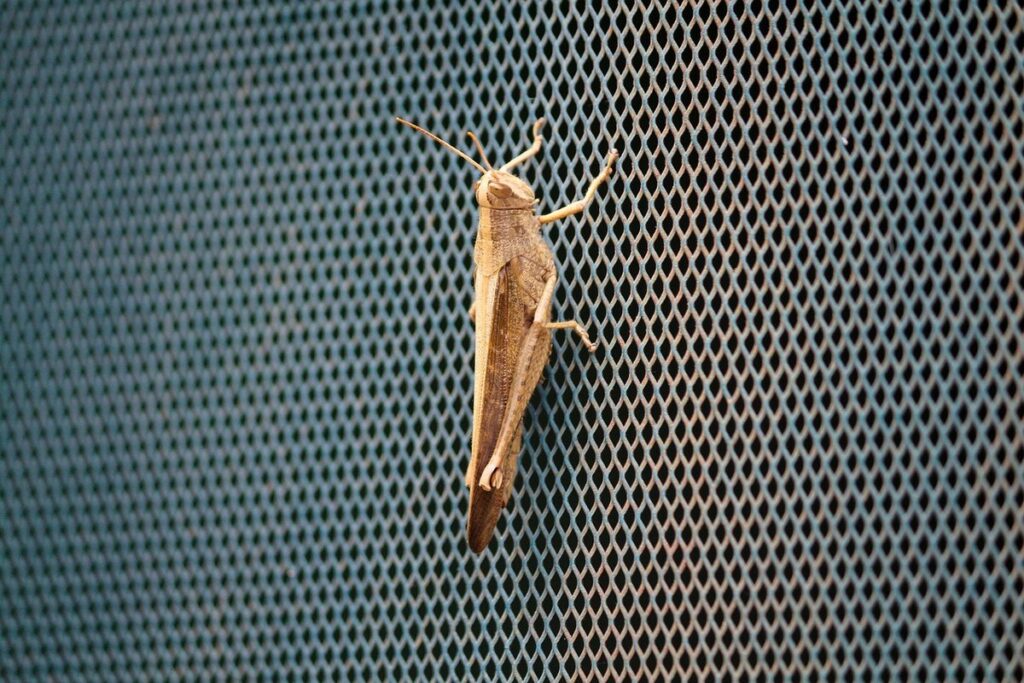
Jumping crickets are small to medium-sized insects that belong to the family Gryllidae. They have a distinctive appearance, with a long, slender body and powerful hind legs that enable them to jump great distances. Typically, they range in length from 1/2 inch to 1 inch (13-25 mm) and weigh about 0.05 ounces (1-2 grams). Their coloration varies depending on the species, but most have a mottled brown or grayish hue that helps them blend in with their surroundings.
Jumping crickets are nocturnal insects, meaning they are most active at night when searching for food and mates. During the day, they hide in dark, sheltered areas such as under leaves or inside plant pots. Their diet consists mainly of small insects, plants, and fungi, which they gather using their long antennae and mandibles.
In potted plants, jumping crickets can thrive due to their ability to adapt to a variety of environments and feed on plant matter. They are attracted to the moisture and nutrients in potting soil, making indoor pots an ideal habitat for them.
How Jumping Crickets Infest Potted Plants
Jumping crickets can invade indoor spaces through potted plants in several ways. Contaminated potting soil is one common route of entry, as these insects can hide in the soil and hitch a ride into your home on newly purchased plants or on soil brought from an outdoor garden. Another way jumping crickets enter is through plant imports – when you bring new plants into your indoor space, they may already be infested with crickets.
To determine if you have a cricket infestation in potted plants, look for signs such as holes or nibbled leaves, eggs laid on the undersides of leaves or stems, and adult crickets seen near the plant. You may also notice tiny brown droppings around the soil’s surface. Regularly inspect your plants, especially after bringing new ones into your home. Monitor their condition closely and take action promptly if you spot any signs of cricket infestation.
When checking for signs, make sure to gently turn over leaves and examine the undersides, where crickets often hide. Check the soil’s surface as well, looking for droppings or eggs.
The Risks Associated with Jumping Crickets in Potted Plants
As you work on removing these unwanted guests from your potted plants, it’s essential to understand the risks associated with jumping crickets, which can damage leaves and weaken plant growth.
Damage to Plants and Property
Jumping crickets can be a significant threat to potted plants, causing damage through feeding on roots, stems, and leaves. These insects are attracted to the moisture and nutrients found in plant soil, which makes them particularly damaging to young or newly planted plants. As they feed on the roots of your plants, jumping crickets can cause root rot, stunted growth, and even kill the plant if left unchecked.
The damage caused by jumping crickets doesn’t stop at just the plants themselves. If you’re a homeowner or renter, you may also face significant financial losses when repairing or replacing damaged property. According to a study by the University of Florida, the average cost of treating infested homes is around $1,000. Additionally, there’s also an emotional toll that comes with losing prized plants and facing costly repairs. To prevent this from happening, it’s essential to monitor your potted plants regularly for signs of jumping cricket infestation and take action promptly if you notice any issues.
When dealing with a jumping cricket infestation, it’s crucial to act quickly to minimize damage. Start by gently removing the plant from its pot and inspecting the roots for any signs of damage or feeding activity. Dispose of any infested plants or soil to prevent re-infestation and consider replacing the affected plants with new ones.
It’s also a good idea to keep an eye out for other signs of jumping cricket activity, such as small holes in leaves or stems, or a sticky substance on the plant’s surface. By staying vigilant and taking prompt action, you can protect your potted plants from these unwanted pests and prevent costly damage.
Allergies and Health Concerns
Having jumping crickets under potted plants can pose significant health risks, especially when they’re in close proximity to food sources or living areas. For individuals with allergies, even small amounts of cricket debris or shed skin can trigger severe reactions. In fact, according to a study by the American Academy of Allergy, Asthma & Immunology (AAAAI), up to 10% of people experience an allergic reaction when exposed to insect allergens.
For those already suffering from asthma, jumping crickets can exacerbate symptoms and even lead to life-threatening attacks. The National Institute of Environmental Health Sciences estimates that nearly 25 million Americans suffer from asthma, making it a significant concern for many households. When cricket infestations are left unchecked, they can also spread diseases like Salmonella, E. coli, and other bacteria through their waste.
To minimize risks, ensure that your potted plants are far enough away from food preparation areas and living spaces to prevent accidental encounters. Regularly inspect your plants for signs of crickets and take prompt action to contain infestations before they get out of hand.
Identifying the Presence of Jumping Crickets Under Potted Plants
If you suspect that jumping crickets are hiding under your potted plants, it’s crucial to know how to identify them before taking action. This section will guide you through the signs and symptoms of a cricket infestation.
Visual Inspection Methods
When conducting a visual inspection for jumping crickets under potted plants, it’s essential to observe during daylight hours when these insects are most active. Begin by carefully inspecting the plant itself, looking for signs of cricket presence such as egg shells or dark specks on leaves and stems. Next, examine the surrounding areas, including the soil, potting mix, and any nearby hiding spots like decorative rocks or plants.
As you inspect, pay close attention to any faint rustling sounds that may indicate crickets are present. Note that jumping crickets tend to congregate in moist environments, so check for signs of dampness around plant containers. Also, inspect the undersides of leaves and between stems, as these areas can be favorite hiding spots for crickets.
Some common indicators of cricket activity include tiny holes or tunnels in soil, and shredded plant material. If you notice any of these signs, take a closer look to confirm the presence of jumping crickets. Remember to handle plants gently when inspecting to avoid disturbing any hidden crickets, allowing them to scurry out into plain sight.
Using Detection Tools to Locate Jumping Crickets
If you suspect that jumping crickets are hiding under your potted plants, it’s essential to use detection tools to locate them. One effective way is by using a flashlight, shining it directly under the pot and around the base of the plant. The crickets’ reflective eyes will likely catch your attention, making it easier to spot them.
Another tool you can use is a sticky trap or adhesive tape placed near the plant’s drainage holes or along the edges of the pot. Jumping crickets are attracted to movement and vibrations, so placing these traps near their potential hiding spots can help capture some individuals. Be cautious not to disturb the soil or damage any nearby plants when setting up these traps.
For a more discreet approach, you can try using a vacuum cleaner with a gentle suction setting to carefully sweep away loose debris and potentially dislodge the crickets. This method is best done during cooler parts of the day to avoid stressing the plant further.
Effective Strategies for Preventing and Eliminating Jumping Crickets Under Potted Plants
Let’s get down to business: finding ways to prevent jumping crickets from taking up residence under your potted plants, and eliminating them when they do. We’ll explore effective strategies for a cricket-free garden.
Proper Plant Care and Maintenance
To keep jumping crickets at bay, it’s crucial to adopt good plant care habits. A regular watering schedule is essential, but overwatering can create a conducive environment for these pests. Water your plants when the top inch of soil feels dry to the touch, and ensure excess water drains out of the pot. Proper fertilization also plays a vital role in maintaining healthy plants that are less susceptible to cricket infestations.
Adequate air circulation is another critical aspect of plant care that can help prevent cricket invasions. Crickets thrive in humid environments, so make sure your potted plants have enough space between them for good air movement. You can also use a fan nearby to improve ventilation and keep the surrounding area dry. By following these simple practices, you’ll be taking proactive steps towards maintaining a cricket-free environment under your potted plants. Remember, prevention is key – by keeping your plants healthy and well-cared-for, you’re reducing the likelihood of attracting unwanted visitors like jumping crickets.
Using Diatomaceous Earth and Other Natural Controls
When it comes to managing jumping crickets under potted plants, many gardeners turn to natural controls as an alternative to chemical pesticides. Two popular options are diatomaceous earth and neem oil.
Diatomaceous earth is a powder made from the fossilized remains of tiny aquatic organisms called diatoms. It works by dehydrating the cricket’s exoskeleton, causing them to die within hours. To use it effectively, sprinkle the powder around the base of the plant, making sure to avoid the soil and any nearby plants that may be sensitive to it. Repeat as necessary, ideally after watering or rainfall.
Neem oil is another natural control option that can be used to repel jumping crickets. It’s derived from the seeds of the neem tree and contains compounds that disrupt insect growth and development. Mix neem oil with water according to the product instructions and spray it around the plant, making sure to cover all areas where crickets may be present.
These natural controls can be effective when used alone or in combination with other strategies for managing jumping crickets under potted plants.
Integrated Pest Management (IPM) for Jumping Crickets in Potted Plants
When dealing with jumping crickets, it’s essential to adopt a comprehensive approach that minimizes harm and prevents future infestations, which is exactly what integrated pest management (IPM) offers. Let’s explore how IPM can help you control these unwelcome guests.
Understanding the Role of Each IPM Component
An effective Integrated Pest Management (IPM) plan for jumping crickets under potted plants involves combining multiple components to minimize risks and ensure a balanced ecosystem. At the heart of an IPM plan are physical barriers, repellents, traps, and pest control agents, each playing a crucial role in cricket management.
Physical barriers, such as fine-mesh screens or fine-netting, can prevent jumping crickets from reaching your potted plants in the first place. Repellents, including citronella candles or essential oils, deter crickets without harming them. Traps, like sticky traps or bait traps, capture and remove crickets, while pest control agents, such as insecticides, are used as a last resort.
The right combination of these methods is key to minimizing risks. For example, using repellents alongside physical barriers can help protect beneficial insects, which are often vulnerable to pesticides. By selecting the most effective mix of IPM components, you can safely manage jumping crickets and maintain a healthy ecosystem under your potted plants. Remember, a multi-faceted approach is always better than relying on a single method.
Implementing a Long-Term IPM Plan
Implementing a long-term IPM plan for jumping crickets under potted plants involves several key steps. First, monitor and record the presence of crickets to identify peak populations and determine the most effective control methods. This data will help you fine-tune your strategy over time.
Next, establish a maintenance routine that includes regular soil checks, pruning, and repotting as needed. This will not only prevent cricket infestations but also promote healthy plant growth. Consider implementing cultural controls like reducing watering schedules or providing physical barriers to restrict access.
Biological controls can be an effective long-term solution. Encourage beneficial insects by introducing natural predators of jumping crickets, such as ground beetles or ants. These predators will help maintain a balance in your ecosystem and reduce the need for chemical pesticides.
Regularly inspect your plants for signs of cricket infestation, even after implementing these measures. Be prepared to adjust your IPM plan as needed based on changing environmental conditions or new pest populations.
Conclusion: Managing Jumping Crickets Under Potted Plants for a Healthier Environment
By now, you’ve learned how to identify jumping crickets under your potted plants and understand their habits. To maintain a healthier environment, it’s essential to manage these unwanted visitors effectively. Regularly inspect your plants, checking the undersides of leaves and around the soil for signs of crickets. Use sticky traps or yellow-tinted traps near affected areas to capture and remove jumping crickets.
To prevent re-infestation, ensure good indoor hygiene by regularly cleaning up debris, dusting surfaces, and sealing any cracks in walls or floors that might serve as entry points for these pests. Implement a integrated pest management strategy, combining non-chemical methods with targeted treatments only when necessary. This approach will help you maintain a balanced ecosystem under your potted plants, promoting overall health and well-being for both your plants and the environment.
Frequently Asked Questions
What if I already have jumping crickets under my potted plants, and I’m worried about the time it takes to eliminate them?
It’s essential to act quickly, but don’t rush into using harsh chemicals. Start by thoroughly cleaning your pots and surrounding areas with soap and water to remove any debris or food sources that might be attracting more crickets. Then, use natural controls like diatomaceous earth or sticky traps to manage the population. Be patient, as it may take some time to completely eliminate them.
How do I prevent jumping crickets from infesting my potted plants in the first place?
Prevention is key! Make sure your pots have good drainage holes and aren’t too moist, as this can attract crickets. Also, keep your indoor spaces clean, free of clutter, and maintain a balanced humidity level (between 40-60%). Regularly inspect your plants for signs of cricket infestations, and take prompt action if you notice any.
What about pets and children – are there special precautions I should take when eliminating jumping crickets under potted plants?
Yes. When using natural controls or pesticides, ensure they’re safely out of reach from pets and children. If you have small kids or pets that frequently interact with your plants, consider removing infested pots to a designated area for treatment. Additionally, wash your hands thoroughly after handling infested plants or treating areas.
Can I use household items like baking soda or essential oils to repel jumping crickets under my potted plants?
While some natural methods can help deter crickets, using household items alone may not be effective in eliminating the infestation. Baking soda and essential oils might provide temporary relief but are not a substitute for targeted treatments or long-term management strategies.
What if I’m dealing with a severe jumping cricket infestation – should I seek professional help?
If you’re overwhelmed by the number of crickets or unsure about how to proceed, consider consulting a pest control professional. They can assess your situation and recommend the most effective treatment plan for your specific case, ensuring the health and well-being of both your plants and family members.