
Leaf blight is one of the most common problems gardeners face when growing plants. It can be devastating, causing leaves to turn yellow or brown and drop prematurely. But don’t worry, with the right knowledge and techniques, you can identify leaf blight early on and take action to prevent it from spreading. In this article, we’ll walk you through how to diagnose leaf blight in your plants, using a combination of chemical, organic, cultural, and biological controls to treat the issue. We’ll also explore some effective prevention methods so you can keep your plants healthy and thriving all season long. Whether you’re a seasoned gardener or just starting out, this guide will provide you with the tools you need to tackle leaf blight and save your plants from damage.
Understanding Leaf Blight
Leaf blight is a common issue that can affect any plant, but what exactly causes it? In this section, we’ll break down the underlying factors to help you tackle leaf blight effectively.
What is Leaf Blight?
Leaf blight is a common fungal disease that affects a wide range of plant species, causing significant damage to leaves and impacting overall plant health. It’s essential to understand the causes and effects of leaf blight to effectively treat it.
The most common causes of leaf blight include high humidity, excessive moisture, and poor air circulation around plants. These conditions create an ideal environment for fungal spores to germinate and spread quickly. Plants with existing damage or stress are also more susceptible to infection. Crops like tomatoes, peppers, and cucumbers are particularly vulnerable to leaf blight.
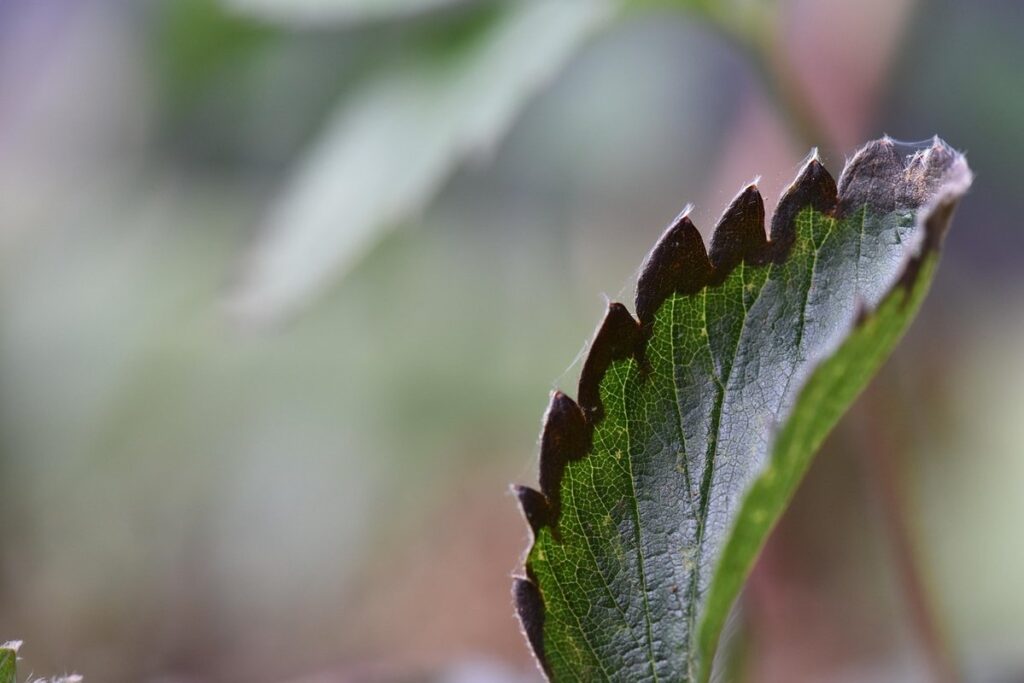
Identifying symptoms is crucial in treating leaf blight. Look for yellowing or browning leaves, black spots or patches, and a soft, mushy texture on affected areas. In severe cases, entire leaves may drop off the plant. Early detection allows for prompt treatment, which can prevent further damage and reduce the risk of spreading the disease to other plants. Keep in mind that leaf blight is highly contagious and can spread through contact with infected plants or contaminated tools.
Types of Leaf Blight
Leaf blight is a broad term that encompasses various diseases caused by different pathogens. Understanding the specific type of leaf blight affecting your plants is crucial to effectively treating the issue.
Bacterial leaf blight, for instance, is typically characterized by small, yellow or red lesions on the leaves, often accompanied by a sticky substance called bacterial slime. This type of blight is commonly found in crops like rice and wheat, where it can cause significant yield loss. The bacterium Xanthomonas oryzae is responsible for this disease.
Fungal leaf blight, on the other hand, is often marked by larger lesions with distinct margins, usually accompanied by a powdery or cotton-like growth on the underside of leaves. This type of blight affects plants like bananas and roses, where it can lead to defoliation and reduced fruit production. Fungi like Cercospora and Phyllosticta are common causes of this disease.
Viral leaf blight is relatively rare but can still cause significant damage to plants like cucumbers and melons. It’s often characterized by yellowing or stunted leaves, accompanied by symptoms like mottling or distortion. This type of blight is usually spread through aphid vectors.
To effectively treat leaf blight, it’s essential to accurately identify the specific pathogen causing the disease. This information will guide your choice of fungicides, bactericides, or cultural controls, ultimately determining the success of your treatment plan.
Causes and Contributing Factors
To effectively treat leaf blight, it’s essential to understand what causes this disease and which factors contribute to its development. Let’s examine these underlying issues together.
Environmental Conditions
Environmental conditions play a significant role in the development of leaf blight. Temperature and humidity levels can greatly affect the spread of fungal pathogens that cause this disease. High temperatures and high humidity can create an ideal environment for these fungi to thrive, while low temperatures can slow down their growth but not stop it entirely.
Weather patterns also contribute to the development of leaf blight. Heavy rainfall, hail, or strong winds can damage leaves and create openings for fungal infections to take hold. Similarly, prolonged periods of drought can weaken plants, making them more susceptible to disease.
Climate change is another factor that affects environmental conditions conducive to leaf blight. Rising temperatures and changing precipitation patterns can disrupt the delicate balance between plant growth and fungal pathogens. As a result, it’s essential to monitor weather forecasts and adjust your care routine accordingly.
When caring for your plants during periods of high humidity or extreme weather, be sure to provide adequate air circulation and prevent water from accumulating on leaves to reduce the risk of leaf blight. Regularly inspecting your plants can also help you catch early signs of disease before they spread.
Poor Gardening Practices
Poor gardening practices can significantly contribute to the development of leaf blight. One common mistake is overwatering, which creates an ideal environment for fungal diseases to thrive. When water sits on the leaves, it prevents air from circulating and promotes moisture retention, making it easier for pathogens to spread.
Another practice that can lead to leaf blight is overcrowding. Plants grown too close together are more susceptible to disease due to increased humidity and reduced air circulation. This creates a perfect environment for fungal diseases to take hold. For example, if you’re growing plants in containers on a balcony, make sure to provide enough space between each plant to allow for proper airflow.
To maintain healthy plants and prevent leaf blight, ensure that your garden receives adequate sunlight and water it properly. Avoid watering at night or when the plants are under stress, as this can exacerbate disease development. Regular pruning and training of plants can also help improve air circulation and reduce humidity levels around the affected area.
Diagnosing Leaf Blight
When you suspect that your plant has leaf blight, it’s essential to determine the severity of the infection before deciding on a treatment plan. This section will walk you through the steps to accurately diagnose leaf blight.
Visual Inspection
When visually inspecting plants for signs of leaf blight, it’s essential to be methodical and thorough. Start by examining the leaves from top to bottom, looking for any discoloration, spots, or lesions that could indicate blight. Check both sides of the leaves, as some types of blight may only appear on one side.
Pay particular attention to areas where leaves meet stems, as this is a common location for fungal infections to take hold. Look for signs such as yellowing, browning, or blackening of leaf tissue, which can indicate the presence of a pathogen.
Be aware that different types of blight have distinct characteristics. For example, early blight typically appears as circular lesions with a reddish-brown center and a grayish-white border, while late blight is characterized by long, narrow lesions with a yellow or orange border. By learning to recognize these signs, you can quickly identify the presence of leaf blight in your plants and take action to prevent its spread.
Testing and Confirmation
Confirming a diagnosis of leaf blight is crucial to determine the most effective treatment approach. Laboratory testing can be an accurate method for identifying the causal organism, allowing you to take targeted action against the specific pathogen.
When collecting samples for laboratory analysis, it’s essential to follow proper protocols to ensure accuracy. This involves taking multiple tissue samples from different areas of the plant and packaging them carefully to prevent contamination. Send these samples to a reputable laboratory that specializes in plant pathology for examination under a microscope or through other diagnostic techniques like PCR (polymerase chain reaction) testing.
Field observations can also aid in confirming leaf blight diagnosis. Look for symptoms such as yellowing or browning leaves, black spots, or premature defoliation, which are typical of many leaf blight pathogens. Take note of environmental conditions that may be contributing to the disease’s severity, like excessive moisture or extreme temperatures.
It’s worth noting that some plant diseases can display similar symptoms, making it crucial to rely on a combination of these diagnostic methods for an accurate diagnosis and effective treatment plan.
Treating Leaf Blight
If you’ve caught leaf blight early, there are several effective treatments you can try at home to save your plants and prevent further damage. Let’s take a closer look at these options.
Chemical Controls
Chemical controls are often necessary to effectively treat leaf blight. Fungicides and bactericides are commonly used to combat this disease, targeting the specific type of pathogen responsible for the infection. Copper-based fungicides, for instance, are effective against fungal pathogens such as Cercospora, whereas copper-free bactericides like potassium phosphite can be used to control bacterial leaf blight caused by Xanthomonas.
When applying chemical controls, it’s essential to choose the right product and method of application. Fungicides can be applied as a foliar spray, soil drench, or seed treatment, depending on the severity of the infection and the growth stage of the plant. However, excessive use of fungicides can lead to environmental contamination, resistance development in pathogens, and harm to beneficial microorganisms.
Before applying chemical controls, consider the potential risks and take necessary precautions. Always read the label carefully, follow the recommended application rates, and ensure good ventilation when spraying. Regular monitoring is also crucial to determine whether the treatment is effective or if further action is needed.
Organic and Integrated Pest Management (IPM) Approaches
When it comes to controlling leaf blight, many gardeners are turning away from chemical-based treatments and towards more sustainable approaches. Organic and Integrated Pest Management (IPM) strategies offer a holistic way to manage pests and diseases without harming the environment.
Biological controls involve introducing beneficial insects or microorganisms that prey on the leaf blight pathogens. For example, the fungus Beauveria bassiana can be used to control fungal infections. Cultural controls focus on modifying growing conditions to prevent disease development. This includes adjusting watering schedules, providing good air circulation, and ensuring adequate sunlight.
Resistance breeding involves selecting plant varieties that are naturally resistant to leaf blight. This approach not only reduces chemical use but also promotes long-term sustainability. Consider incorporating these strategies into your leaf blight management plan. By combining biological, cultural, and resistance-based controls, you can create a more effective and environmentally friendly treatment plan.
Preventing Leaf Blight
To keep your garden healthy and thriving, it’s essential to take preventative measures against leaf blight, which can spread quickly through contaminated water and equipment. Here are some effective ways to prevent leaf blight from taking hold.
Cultural Controls
Proper cultural controls are essential to preventing leaf blight from taking hold on your plants. This means getting the basics right when it comes to watering, fertilization, pruning, and spacing.
Firstly, watering is a critical aspect of plant care that can either prevent or exacerbate leaf blight. Overwatering is particularly detrimental as it creates an ideal environment for fungal growth. Make sure to check the soil moisture by inserting your finger into the soil up to the knuckle; if the soil feels dry, it’s time to water. However, avoid getting water on the leaves themselves, as this can cause water spots and create a pathway for disease.
Fertilization is another crucial factor that can affect leaf blight incidence. A balanced fertilizer will provide your plants with the necessary nutrients to develop strong resistance. Prune any infected areas promptly to prevent the spread of the disease, and ensure that there’s sufficient space between plants to promote good air circulation. This reduces the likelihood of fungal spores being transferred from one plant to another.
Biological Controls
Beneficial microorganisms like mycorrhizal fungi can play a crucial role in promoting plant health and resisting disease. These tiny organisms live in symbiosis with plants, providing essential nutrients while protecting them from pathogens. To harness their power, you can incorporate mycorrhizal fungi into your soil through composting or mulching.
When choosing a beneficial microorganism product, look for one that contains endomycorrhizal fungi (EM) or arbuscular mycorrhizal fungi (AM). These types of fungi have been extensively studied and proven to enhance plant immunity. Apply the product according to the manufacturer’s instructions, usually by mixing it with water and applying it directly to the soil.
Some popular methods for introducing beneficial microorganisms include inoculating seeds, drenching plants with a microbial solution, or using a probiotic fertilizer. For example, a study on cucumber plants found that those treated with mycorrhizal fungi experienced up to 25% reduction in leaf blight symptoms compared to untreated plants. By incorporating these beneficial microbes into your gardening routine, you can create a healthier environment for your plants to thrive and resist disease.
Special Considerations for Common Plant Species
When tackling common plant species affected by leaf blight, it’s essential to consider their unique needs and characteristics. This section will highlight special considerations for popular plants.
Trees and Shrubs
When it comes to treating leaf blight in trees and shrubs, it’s essential to consider their unique needs. Unlike annuals and perennials, these long-term investments require more tailored approaches to prevent and treat fungal diseases like leaf blight.
One of the primary concerns is that trees and shrubs have a larger canopy, which can lead to increased moisture retention within the plant. This creates an ideal environment for fungi to spread quickly, making regular pruning crucial to maintaining air circulation and reducing humidity. When selecting treatment options, look for products containing copper or sulfur-based fungicides, as these are effective against leaf blight pathogens.
For example, if you’re dealing with a young tree, consider using a systemic fungicide that can be absorbed through the roots. These products often contain ingredients like chlorothalonil or propiconazole, which offer long-lasting protection. In contrast, shrubs might benefit from foliar sprays containing copper oxychloride or sulfur-based compounds.
When treating leaf blight in trees and shrubs, it’s also vital to adopt a prevention-focused strategy. This includes maintaining good air circulation, removing infected leaves, and providing adequate sunlight exposure to promote healthy growth. Regular monitoring and prompt treatment can significantly reduce the risk of severe infections and help prevent further damage.
Vegetable and Fruit Plants
Vegetable and fruit plants are particularly vulnerable to leaf blight due to their high water content and thin leaves. This makes them more susceptible to fungal infections that can spread quickly, causing significant damage and impacting yields. For instance, a study on tomato crops found that leaf blight reduced yield by up to 30%.
To manage leaf blight in these plants, adopt integrated pest management (IPM) strategies. This involves combining physical barriers, cultural controls, biological controls, and chemical controls to prevent the spread of disease. Begin by inspecting your plants regularly for signs of infection, such as yellowing or blackening leaves.
Use physical barriers like row covers to prevent fungal spores from landing on plant leaves. Remove weeds that can harbor fungal pathogens and ensure good air circulation around plants. If necessary, use fungicides specifically labeled for leaf blight control. Apply them according to the product’s instructions to minimize harm to beneficial organisms.
Conclusion and Future Directions
As we wrap up our comprehensive guide on treating leaf blight, let’s take a look at what you can expect for future garden health management and potential new developments in leaf blight research.
Recap and Summary
In conclusion to our comprehensive guide on treating leaf blight, it’s essential to recap the key takeaways. Early detection is critical in managing leaf blight effectively. We’ve discussed various methods for diagnosing the disease, including visual inspection and laboratory tests.
A proper diagnosis will enable you to develop a targeted treatment plan. Integrated management approaches are also crucial in controlling the spread of leaf blight. This may involve combining physical barriers with biological or chemical controls.
To put it into practice, start by scouting your plants regularly for signs of infection. Inspect the leaves carefully, looking for yellowing or browning patches, and remove any infected areas promptly. Next, consider using a combination of fungicides and cultural practices to prevent the disease from spreading further.
By taking these proactive steps, you can minimize the impact of leaf blight on your plants and maintain their overall health. Remember, prevention is key in managing this disease effectively.
Emerging Trends and Research
Recent research and emerging trends in leaf blight management are promising to revolutionize the way we approach this stubborn disease. One of the most exciting developments is the use of precision agriculture techniques, which allow farmers to target specific areas of their crops where leaf blight is present. This not only reduces chemical usage but also ensures that treatments are applied exactly where they’re needed.
Another innovation gaining traction is the use of biological control agents, such as fungi and bacteria, that can outcompete the pathogens causing leaf blight. These natural predators have shown remarkable effectiveness in reducing disease severity without harming beneficial microorganisms or the environment. For instance, a recent study found that applying a specific strain of Trichoderma harzianum reduced leaf blight incidence by up to 70% in a corn crop.
Additionally, researchers are exploring the potential of gene editing technologies to develop crops with built-in resistance to leaf blight. This could lead to significant reductions in fungicide usage and associated environmental impacts. While still in its infancy, this technology holds great promise for the future of leaf blight management.
Frequently Asked Questions
Can I use the same treatment method for all types of leaf blight?
No, different types of leaf blight require specific treatment approaches. Fungal spores, bacterial infections, and environmental factors can lead to various forms of leaf blight. To effectively treat the issue, identify the underlying cause of the problem before selecting a control method.
How do I prevent fungal spores from spreading in my garden?
Prevention is key when it comes to managing leaf blight. Ensure proper air circulation around plants by pruning surrounding foliage and maintaining a clean growing environment. Remove any infected plant material, and disinfect tools regularly. Consider using fungicides or biological controls to create an unfavorable environment for fungal growth.
Can I use organic methods alone to treat severe cases of leaf blight?
While organic approaches are effective in managing mild cases of leaf blight, more severe infections may require additional support from chemical controls or integrated pest management (IPM) strategies. Consult with a gardening expert or conduct further research on the specific needs of your plant species before making treatment decisions.
What’s the best way to dispose of infected plant material?
Dispose of any infected leaves or stems by bagging them and placing them in the trash. Avoid composting infected materials, as this can spread fungal spores to other plants. Sterilize pruning tools after each use to prevent cross-contamination with healthy plants.
How often should I inspect my plants for signs of leaf blight?
Regular inspections are crucial when it comes to managing leaf blight. Inspect your plants at least once a week, paying attention to changes in leaf color or texture. Early detection can help you take preventative measures and avoid more severe infections. Keep an eye out for common symptoms like yellowing leaves, black spots, or premature defoliation.