
Strawberry lovers often find themselves struggling with one common challenge: growing their favorite fruits in soil that’s not exactly ideal. If your garden’s soil is on the acidic side, don’t worry – it’s more manageable than you think! In this article, we’ll guide you through the ins and outs of nurturing healthy strawberry plants in acidic soil.
You’ll learn how to identify the perfect pH levels for your strawberries, which can thrive in soils with a slightly acidic to neutral pH range. We’ll also explore the importance of nutrient availability and organic matter management in such conditions. With this comprehensive guide, you’ll be able to create an optimal growing environment for your strawberry plants, maximizing their flavor and production.
By the end of this article, you’ll have the knowledge needed to coax even more delicious strawberries from your garden – all while maintaining a healthy soil balance that benefits your entire plant collection. Let’s dive in!
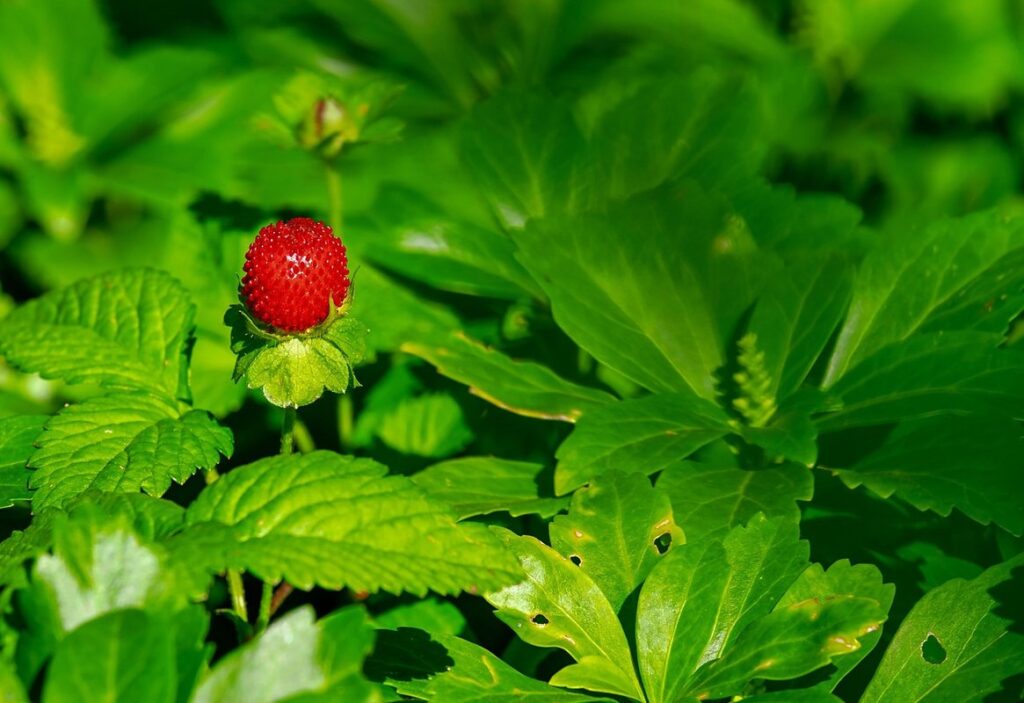
Understanding the Importance of Acidic Soil
Understanding acidic soil is crucial for strawberry plants, as it directly impacts their growth and production. Let’s dive into why acidic conditions are essential for these delicious fruits to thrive.
Characteristics of Acidic Soil
Acidic soil is a specific type of soil with a pH level that’s lower than 7.0, which is the neutral point on the pH scale. It’s characterized by its high concentration of hydrogen ions, making it acidic. In reality, most strawberry plants thrive in slightly acidic to acidic soils, but this can vary depending on the specific cultivar.
When the soil pH drops below a certain threshold (usually around 5.5), nutrient availability begins to decrease significantly. Nutrients like phosphorus, iron, and zinc become less accessible to the plant roots, which can hinder growth and development. This is why it’s crucial for strawberry growers to test their soil regularly and adjust the pH levels accordingly.
The impact on plant growth is quite noticeable in acidic soils. For instance, an excessively low pH (below 4.0) can lead to deficiencies in essential micronutrients like manganese and boron. On the other hand, a slightly acidic pH (around 5.5-6.0) promotes healthy root development, encouraging strawberries to absorb nutrients more efficiently.
To gauge whether your soil is too acidic for strawberry plants, look out for signs like stunted growth, yellowing leaves, or reduced yields. This might be an indication that your pH levels are not suitable for the plant’s requirements.
Effects of Non-Acidic Soil on Strawberries
Growing strawberries in non-acidic soil can have severe consequences on their health and productivity. Strawberries thrive in acidic conditions, typically with a pH between 5.5 and 6.5. If the soil pH is too high, it can lead to an overabundance of nutrient deficiencies, particularly nitrogen and phosphorus.
Strawberry plants grown in non-acidic soil may exhibit symptoms such as pale leaves, stunted growth, and reduced fruit production. The plants’ ability to absorb essential nutrients will be impaired, causing them to struggle with survival. Furthermore, the increased pH level can also lead to root damage, making it difficult for the plant to access water and other vital resources.
To put this into perspective, consider a strawberry farm in California where the soil pH was above 7.0. The crop yield decreased significantly due to nutrient deficiencies and reduced plant growth. In contrast, neighboring farms with acidic soils experienced better yields and healthier plants.
Determining the Acidity Level of Your Soil
To grow strawberries, you need to know if your soil is acidic enough for them. We’ll walk you through a simple method to determine your soil’s acidity level right away.
Methods for Testing Soil pH
When it comes to determining the acidity level of your soil, there are several methods you can use. One popular option is DIY kits that allow you to test your soil pH at home. These kits typically involve mixing a sample of soil with a reagent and then reading the resulting color change on a chart to determine the pH level. While convenient, these kits may not be as accurate as other methods.
For more precise results, consider sending a soil sample to a laboratory for testing. This method involves collecting a representative sample of your soil, packaging it securely, and mailing it to a lab for analysis. Laboratory tests can provide detailed information on your soil’s pH level, nutrient content, and other factors that may impact strawberry plant growth.
Another option is field testing equipment, which allows you to test the pH of your soil in real-time while working with it. This method involves inserting an electrode into the soil and reading the resulting pH level on a meter. Field testing equipment can be more accurate than DIY kits but less expensive than laboratory testing.
Understanding Soil Test Results
When you receive your soil test results, it’s essential to understand what they mean for your strawberry plants’ health. Let’s break down the key findings: pH levels, nutrient deficiencies, and other critical information.
First, take note of the pH level indicated on your report. This will be a number between 0 and 14, with 7 being neutral (neither acidic nor alkaline). Strawberry plants thrive in slightly acidic to acidic soil, with an optimal pH range of 5.5-6.5. If your pH is higher than this range, consider using sulfur-based fertilizers or elemental sulfur to lower it. Conversely, if it’s too low, you can use lime to raise the pH.
Look for nutrient deficiencies in phosphorus (P), potassium (K), and magnesium (Mg). These are essential for strawberry plant growth and fruit production. Check the report for recommended correction levels and apply them accordingly. Additionally, inspect your test results for other critical findings such as boron, copper, or manganese levels. These can also impact your plants’ health and productivity.
Don’t be overwhelmed by the technical jargon – focus on making informed decisions to create an optimal environment for your strawberry plants. Consult with a local nursery professional if you’re unsure about interpreting your results or implementing corrections.
Creating an Acidic Environment for Strawberry Plants
To create an ideal growing environment, you’ll want to learn how to lower your strawberry plant’s soil pH and maintain an acidic environment that promotes healthy growth. This is where mulching and fertilizing come in.
Organic Matter and Composting
When it comes to creating an acidic environment for strawberry plants, incorporating organic matter and compost is essential. These natural additives not only help lower soil pH but also improve soil structure, increase water retention, and provide beneficial microorganisms.
Adding a 2-3 inch layer of compost or well-rotted manure can make a significant difference in acidifying your soil. Compost is rich in organic acids, which break down into hydrogen ions that decrease the soil’s pH level. A general rule of thumb is to mix 10% compost with 90% existing soil to achieve optimal results.
Another option is using peat moss or sulfur-rich amendments like elemental sulfur or aluminum sulfate. However, these should be used judiciously as they can have a rapid impact on soil pH and may require frequent reapplication. A more sustainable approach is to incorporate acidic materials like pine needles, oak leaves, or spent mushroom compost into your soil.
Regularly adding organic matter through regular composting will create an ongoing process that keeps the soil’s acidity at optimal levels for strawberry plants. This not only ensures healthy growth but also promotes a balanced ecosystem in your garden.
Fertilizers and Soil Amendments
When it comes to creating an acidic environment for strawberry plants, fertilizers and soil amendments can be a valuable tool. However, not all options are created equal. Let’s take a look at some of the most effective choices.
Sulfur-based products: Sulfur is a natural acidifier that can lower the pH level in your soil. You can purchase sulfur-based products at most gardening stores or online. These products come in various forms, including granules and powders. When using sulfur, be sure to follow the instructions carefully, as excessive application can damage your plants.
Aluminum sulfate: Another option is aluminum sulfate, which has a more rapid effect on soil pH than sulfur. However, it’s essential to use it sparingly, as high levels of aluminum can harm your plants. A general rule of thumb is to start with a small amount (about 1 cup per 10 square feet) and monitor the soil’s pH level before making further applications.
Organic matter: Adding organic matter like peat moss or compost can also help acidify your soil. These materials are rich in acidic compounds that will gradually lower the pH level over time. Be aware, however, that excessive application of organic matter can lead to nutrient imbalances and other issues. It’s crucial to maintain a balanced approach when using these products.
When choosing fertilizers or soil amendments, always consider the potential risks and benefits. Keep in mind that some products may have additives or byproducts that could harm your plants. Always follow the manufacturer’s instructions and take necessary precautions to avoid over-acidifying your soil.
Common Challenges and Solutions for Acidic Soil
When working with strawberry plants in acidic soil, you may encounter issues such as nutrient deficiencies and poor drainage. Let’s tackle some common challenges and solutions to get your strawberries thriving again.
Dealing with Over-Acidity
When dealing with over-acidity in strawberry plants, it’s essential to address the common issues that arise. One of the most significant problems is nutrient deficiencies. Most strawberries are adapted to well-drained acidic soils, but excessive acidity can lead to a lack of available nutrients. This is because certain micronutrients like iron, zinc, and manganese become unavailable at high pH levels.
To make matters worse, over-acidity can also cause plant stress. Strawberry plants may exhibit symptoms such as stunted growth, pale leaves, and reduced fruit production. Prolonged exposure to acidic conditions can even lead to root damage and plant death. If you suspect your soil is too acidic for your strawberry plants, test the pH level first. Most gardening stores sell pH testing kits or you can send a sample to a lab for analysis.
If the results show a pH level below 4.5, consider liming the soil to raise the pH. This will not only provide essential nutrients but also help maintain optimal conditions for your strawberry plants. Remember to follow the recommended application rates and frequency to avoid over-liming, which can lead to even more problems.
Managing pH Fluctuations
Maintaining a stable pH level is crucial for strawberry plants growing in acidic soil. One of the most effective ways to do this is by monitoring your soil’s pH levels regularly. You can use a pH meter, which provides an instant reading of the soil’s acidity or alkalinity. Alternatively, you can collect a soil sample and send it to a laboratory for analysis.
To make adjustments, you’ll need to decide whether to raise or lower the pH level. For acidic soils, adding lime is often necessary to neutralize the acidity. However, be cautious not to overdo it, as this can cause more harm than good. A general rule of thumb is to add 1/4 cup of lime per square foot of soil.
Preventative measures also come into play here. To avoid fluctuations in pH levels, consider incorporating organic matter like compost or manure into your soil. These materials help maintain a stable pH level and improve the overall health of your strawberry plants. By taking proactive steps to monitor, adjust, and prevent pH fluctuations, you can provide your strawberry plants with the best possible growing conditions.
The Role of Microorganisms in Acidic Soil
When it comes to acidic soil, microorganisms play a crucial role in breaking down organic matter and regulating nutrient availability for your strawberry plants. Let’s take a closer look at how they contribute to the ecosystem.
Importance of Beneficial Microbes
Beneficial microorganisms play a vital role in creating and maintaining a healthy acidic environment for strawberry plants. These microbes contribute to nutrient cycling by breaking down organic matter and releasing essential nutrients such as nitrogen, phosphorus, and potassium that are often lacking in acidic soils. As a result, beneficial microbes help alleviate deficiencies and promote optimal plant growth.
In addition to nutrient cycling, beneficial microorganisms aid in decomposition, which is the process of breaking down complex organic compounds into simpler forms. This process allows for the release of vital nutrients that would otherwise be unavailable to strawberry plants. By promoting decomposition, beneficial microbes help create a more balanced ecosystem, reducing the need for synthetic fertilizers and other chemicals.
A key example of beneficial microorganisms at work in acidic soils is mycorrhizal fungi. These fungi form symbiotic relationships with plant roots, enhancing nutrient uptake and exchange between the soil and plant. By fostering these relationships, strawberry growers can create a more efficient and sustainable soil ecosystem, leading to healthier plants and increased yields.
Inoculants and Mycorrhizal Fungi
Inoculants and mycorrhizal fungi can be game-changers for strawberry plants growing in acidic soil. These microorganisms work together to enhance microbial activity and promote soil health, creating a more favorable environment for your strawberries to thrive.
Mycorrhizal fungi form symbiotic relationships with plant roots, increasing the surface area for water and nutrient absorption. In acidic soils, where nutrient availability is limited, mycorrhizal fungi can help strawberry plants access essential nutrients like phosphorus and potassium. By promoting root growth and development, mycorrhizal fungi also improve drought tolerance and disease resistance in strawberries.
Inoculants, on the other hand, introduce beneficial microbes directly into the soil. These microbes colonize the roots of strawberry plants, further enhancing nutrient uptake and plant growth. Some inoculants even produce antibiotics that can suppress pathogenic bacteria and fungi, reducing the risk of root rot and crown diseases common in acidic soils.
To harness the power of inoculants and mycorrhizal fungi, simply mix them into the soil according to the product’s instructions, or apply a liquid inoculant as a foliar spray. Be sure to choose products specifically formulated for your region’s climate and soil type. With proper application and care, you can expect significant improvements in strawberry yields and plant health.
Case Studies and Examples of Successful Acidic Soil Management
Let’s dive into real-world examples of strawberry growers who’ve successfully managed acidic soil conditions to optimize their yields, showcasing practical takeaways for you to apply. These case studies offer valuable insights into efficient and effective acidic soil management strategies.
Real-World Examples
Let’s take a look at some real-world examples of strawberry farmers and gardeners who have successfully managed acidic soil. For instance, a commercial strawberry farm in Oregon reported an average yield increase of 20% after implementing a lime-amended compost program to reduce soil acidity. By regularly monitoring their soil pH levels and adjusting their fertilization schedule accordingly, the farm was able to improve fruit quality and extend the harvest season.
Similarly, a small-scale gardener in California successfully converted her acidic clay soil into a strawberry-friendly environment by incorporating 2-3 inches of wood chips and 1 inch of compost into the top layer. After six months, her pH levels decreased from 6.5 to 5.8, allowing her to grow some of the most flavorful strawberries she’d ever tasted.
These examples demonstrate that successful acidic soil management is not only achievable but also essential for optimal strawberry growth. By understanding your specific soil conditions and taking proactive steps to adjust them, you too can create an ideal environment for your strawberry plants to thrive.
Best Practices for Long-Term Success
Maintaining healthy acidic soil over the long term requires consistent effort and attention to detail. From our case studies, several best practices emerge as essential for success. One key takeaway is the importance of regular pH monitoring. By regularly testing your soil’s acidity levels, you can catch any potential issues before they become major problems.
Another crucial practice is maintaining adequate organic matter content. This can be achieved through the use of mulch or compost, which not only improves soil structure but also provides essential nutrients for healthy plant growth. Aiming for a minimum of 2-3 inches of organic matter on top of your soil is a good starting point.
It’s also essential to avoid over-tilling, as this can damage soil structure and disrupt the delicate balance of microorganisms that thrive in acidic environments. Instead, opt for shallow cultivation methods or use a spade to gently loosen the top layer of soil. By following these best practices, you’ll be well on your way to creating a thriving environment for your strawberry plants.
Frequently Asked Questions
Can I still grow strawberries if my soil pH is far below the ideal range?
Yes, it’s not impossible to grow strawberries in extremely acidic conditions, but it may be more challenging. Strawberries can adapt to some level of acidity, but extreme cases (pH < 4.5) might require additional measures like liming or using acid-tolerant cultivars.
How often should I retest my soil pH and nutrient levels?
Retest your soil every 6-12 months, especially after applying amendments or fertilizers. This ensures you’re maintaining a balanced acidic environment for optimal strawberry growth. Keep in mind that nutrient deficiencies can be more common in acidic soils; adjust your management strategies accordingly.
What’s the best way to manage over-acidity without damaging beneficial microorganisms?
To balance pH fluctuations and support beneficial microbes, incorporate organic matter like compost or well-rotted manure into your soil. This will help moderate acidity while promoting a healthy microbial ecosystem essential for strawberry growth.
Can I use any type of fertilizer on acidic soils?
Not all fertilizers are suitable for acidic soils. Choose products specifically formulated for acidic conditions (e.g., ammonium-based fertilizers) to avoid overloading the soil with sodium or other salts that can exacerbate acidity issues.
How do I know if my strawberry plants need additional nutrients due to acidic soil conditions?
Monitor your plants’ growth and watch for signs like stunted growth, yellowing leaves, or reduced fruit production. Soil test results will also indicate nutrient deficiencies. Adjust your fertilization plan accordingly, focusing on adding essential micronutrients rather than macronutrients.