
As you tend to your garden, have you ever stopped to think about who’s really benefiting from all those beautiful blooms? It’s not just us humans who love flowers – bees, butterflies, and other pollinators rely on them for survival. But did you know that certain flower combinations can make a huge difference in supporting your local ecosystem? By choosing the right flowers, you can create a haven for these beneficial insects to thrive. In this article, we’ll show you how to combine flowers like lavender, coneflowers, and black-eyed Susans to attract bees, butterflies, and other pollinators. We’ll explore the best flower shapes, colors, and scents to include in your garden, and provide you with practical tips for creating a pollinator-friendly haven that’s both beautiful and beneficial.
Understanding the Importance of Pollinator-Friendly Flowers
When it comes to creating a pollinator-friendly garden, understanding the importance of these flowers can make all the difference. Let’s dive into why they’re crucial for your local bees and butterflies.
Types of Pollinators and Their Needs
When it comes to attracting pollinators like bees, butterflies, moths, and hummingbirds to your garden, understanding their unique needs is crucial. Bees, for instance, are attracted to flowers with a high nectar content, typically found in clusters of small, tubular blooms like lavender or coneflower. These flowers allow bees to easily access the nectar while minimizing their energy expenditure.
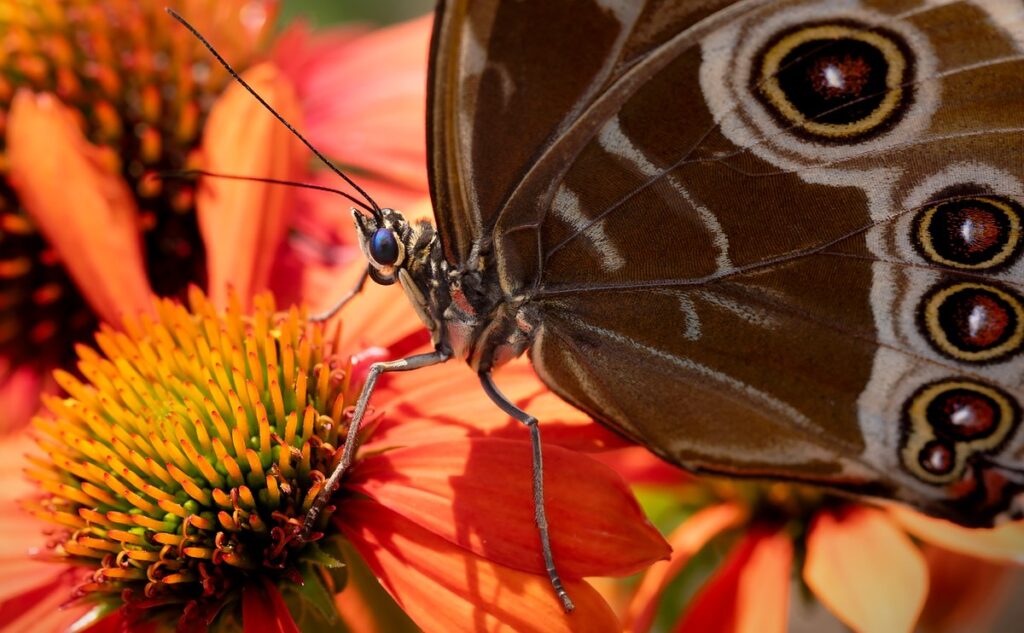
Butterflies, on the other hand, prefer flowers with shallow cups or large, flat blooms that allow them to land and feed comfortably. Plants like zinnia, sunflower, and cosmos are excellent choices for attracting butterflies. Moths, often overlooked but essential pollinators, tend to favor white or pale-colored flowers with a strong scent, such as jasmine or evening primrose.
Hummingbirds, known for their incredible energy demands, require flowers that offer high nectar rewards. Trumpet-shaped blooms like honeysuckle or fuchsia are ideal for these tiny birds. By incorporating a diverse range of pollinator-friendly flowers into your garden, you can create a haven that supports the entire spectrum of local pollinators.
How Pollinator-Friendly Flowers Benefit Your Garden
When you incorporate pollinator-friendly flowers into your garden, the benefits are numerous and far-reaching. Not only do these beautiful blooms attract bees and butterflies, but they also contribute to a healthier ecosystem. By choosing plants that are rich in nectar and pollen, you’ll be creating a haven for these vital pollinators.
As your garden’s biodiversity increases, so does its resilience. Pollinator-friendly flowers will attract other beneficial insects like ladybugs, lacewings, and parasitic wasps, all of which play important roles in controlling pest populations. By cultivating this diverse array of flora, you’ll be fostering a balanced ecosystem where plants and animals thrive together.
Incorporating pollinator-friendly flowers can also have a positive impact on the overall health of your garden. For example, certain species like sunflowers and zinnias are known to repel pests that target vegetables and fruits, reducing the need for pesticides. By creating a welcoming environment for pollinators, you’ll be encouraging them to stay in your garden and multiply, ultimately leading to healthier plants and increased yields.
Choosing the Right Flowers for Pollinators
When selecting flowers for your pollinator-friendly garden, it’s essential to consider which varieties will attract these beneficial visitors and provide them with the nutrients they need. Choose from a range of bee and butterfly favorites to create a vibrant haven.
Native vs. Non-Native Flowers: What’s Best for Pollinators?
When it comes to choosing flowers for pollinators, one of the most critical decisions you’ll make is whether to opt for native or non-native varieties. While both types have their benefits and drawbacks, understanding the impact on local pollinator populations is essential.
Native flowers are those that are naturally occurring in your region, having co-evolved with the local pollinators over time. They’re often a great choice because they:
* Provide the exact nutrients and nectar that native bees and butterflies need
* Bloom at times when local pollinators are most active
* Offer shelter and habitat for beneficial insects
However, non-native flowers can also attract pollinators, particularly if they’re similar in appearance to native species. Some popular non-native options include zinnias, sunflowers, and marigolds. These plants may:
* Be more widely available and affordable
* Offer a wider range of colors and bloom times
* Attract a greater diversity of pollinator species
Ultimately, the decision between native and non-native flowers comes down to your garden’s specific needs and location. Consider planting a mix of both types to create a balanced ecosystem that supports local pollinators.
Flower Shapes, Colors, and Scent: What Attracts Pollinators?
When it comes to attracting pollinators like bees and butterflies to your garden, the shape, color, and scent of flowers play a crucial role. Pollinators are drawn to certain characteristics that make it easier for them to access nectar and pollen.
In terms of flower shape, simple shapes with an open structure, such as coneflowers (Echinacea) and black-eyed Susans (Rudbeckia), allow pollinators to easily land and access the flowers’ reproductive parts. On the other hand, complex shapes like tubular flowers can be more challenging for pollinators to navigate.
Colors also play a significant role in attracting pollinators. Bees are attracted to bright colors, particularly yellow and orange, while butterflies prefer red, purple, and blue hues. Consider planting a mix of colorful blooms that cater to both bees and butterflies. For example, sunflowers (Helianthus annuus) with their large, bright yellow petals and dark centers provide an attractive landing spot for pollinators.
The scent of flowers can also be a major draw for pollinators. Certain flowers, like lavender and roses, emit fragrances that attract bees and butterflies from afar. By incorporating these scented blooms into your garden, you’ll create a welcoming environment for pollinators to visit and collect nectar and pollen.
Combinations for Different Seasons
As you’re planning your pollinator-friendly garden, let’s explore some beautiful and effective flower combinations tailored to each season of the year. Whether it’s spring, summer, or fall, we’ve got you covered!
Spring Bloomers: Attracting Pollinators After Winter
As winter’s chill begins to fade, spring-blooming flowers burst forth with vibrant colors and sweet fragrances, providing a crucial source of nectar for pollinators. This is the perfect time to revitalize your garden with a selection of flowers that will attract bees and butterflies in droves.
Consider combining Crocus, Grape Hyacinth (Muscari), and Daffodil for a stunning display of color and fragrance. These bulbs are easy to plant together, requiring minimal maintenance and care. Plant them in a sunny spot with well-draining soil, and watch as they bloom in succession, providing a continuous source of nectar from late winter through early spring.
Tips for planting: Dig individual holes 2-3 times deeper than the bulb’s height, ensuring good root growth. Space bulbs 3-4 inches apart to allow for proper air circulation. This combination will attract bees and butterflies seeking early season nectar sources, such as the American Bumblebee and Eastern Tiger Swallowtail butterfly.
Summer Blooms: Keeping Pollinators Happy During the Warmest Months
As summer kicks into high gear, many of us assume that our flower combinations will no longer be attractive to pollinators. However, there are plenty of blooms that maintain their nectar-rich beauty throughout the season. To keep pollinators happy during the warmest months, focus on incorporating flowers with extended blooming periods.
Some excellent choices include coneflowers (Echinacea spp.), black-eyed Susans (Rudbeckia hirta), and lantana (Lantana camara). These flowers typically bloom from mid-summer to early fall, providing a constant source of nectar for bees and butterflies. Additionally, plants like zinnias (Zinnia spp.) and sunflowers (Helianthus annuus) attract pollinators with their bright colors and large blooms.
When selecting summer-blooming flowers, remember that diversity is key. Incorporate a mix of annuals and perennials to ensure a continuous supply of nectar throughout the season. By choosing plants that bloom at different times, you’ll create a dynamic garden ecosystem that supports pollinators from July through September.
Creating a Pollinator-Friendly Garden Design
To create a pollinator-friendly garden, start by considering the layout and choosing flowers that bloom at different times to provide a constant nectar source for bees and butterflies. This ensures a thriving ecosystem.
Planning Your Garden Layout for Optimal Pollinator Access
When designing your garden layout, it’s essential to prioritize pollinator access and diversity. Bees and butterflies are attracted to a variety of flowers that bloom at different times, so consider grouping plants with overlapping blooming periods.
Start by identifying the types of pollinators you want to attract – bees, butterflies, or both. Then, choose a mix of nectar-rich flowers that cater to their specific needs. For example, lavender and coneflower are bee magnets, while butterfly bush and lantana draw in monarchs.
When it comes to spacing, plant taller flowers towards the north or west to avoid shading smaller plants. Leave about 12-18 inches between groupings to allow for easy access and air circulation. Companion planting is also crucial: pair marigolds with tomatoes to deter nematodes and attract beneficial insects.
Remember, diversity is key. Include a mix of annuals and perennials, as well as native plants that are less likely to be sprayed by pesticides. This will create a thriving ecosystem where pollinators can feast on nectar-rich flowers all season long.
Incorporating Host Plants: How to Support Your Local Ecosystem
When it comes to creating a pollinator-friendly garden design, incorporating host plants is an essential aspect of supporting your local ecosystem. Host plants are those that provide food and shelter for specific pollinators, such as bees and butterflies. For example, milkweed (Asclepias spp.) is the exclusive host plant for monarch butterfly caterpillars, while passionflower (Passiflora spp.) is a vital food source for Gulf Fritillary butterflies.
In addition to providing sustenance, host plants also offer shelter and protection from predators. For instance, coneflower (Echinacea spp.) and black-eyed Susan (Rudbeckia hirta) provide a haven for bees and other pollinators during harsh weather conditions. To incorporate host plants into your garden design, start by identifying the types of pollinators you want to attract. Research local species and select host plants that are native to your area. Plant multiple varieties together to create a diverse and resilient ecosystem.
Some key considerations when selecting host plants include choosing plants with different bloom times to provide a constant food source throughout the growing season, and considering the mature size of each plant to ensure adequate space for growth.
Maintenance Tips for a Pollinator-Friendly Garden
To keep your pollinator-friendly garden thriving, it’s essential to maintain it regularly with tasks like deadheading and pruning to promote healthy growth. Regular maintenance will also help prevent pests and diseases.
Watering and Mulching Strategies to Support Pollinators
When it comes to maintaining a pollinator-friendly garden, providing the right watering and mulching strategies is crucial. Bees and butterflies need access to water for drinking and cooling their bodies, especially on hot days, but this can be a challenge in our gardens.
A shallow dish or birdbath with fresh water and some rocks or twigs for perches is an excellent way to provide a pollinator-friendly watering station. Make sure the water is changed frequently to prevent mosquito breeding and algae growth. You can also use rain chains or drips from your roof gutter system to create a gentle flow of water that’s easier for bees and butterflies to access.
Mulching around plants helps retain moisture, suppress weeds, and regulate soil temperature, but be cautious not to use mulches that contain chemicals or dyes that might harm pollinators. Opt for organic mulch like wood chips, bark, or straw instead. Avoid piling mulch against plant stems, as this can cause damage. Keep the mulch layer about 2-3 inches deep and leave a small gap around plants to prevent moisture buildup.
By implementing these strategies, you’ll be supporting pollinators’ needs while maintaining a healthy garden ecosystem.
Minimizing Pesticide Use: A Safer Approach to Pest Control
When it comes to maintaining a pollinator-friendly garden, minimizing pesticide use is crucial for supporting the health and well-being of our precious bees and butterflies. The risks associated with pesticide use are multifaceted: not only do these chemicals harm beneficial insects, but they can also contaminate soil, water, and air, posing a threat to human health as well.
A safer approach to pest control involves adopting integrated pest management (IPM) strategies that incorporate physical barriers, hand-picking, and introducing beneficial insects. For instance, you can cover plants with fine mesh or fine netting to prevent pests from reaching them. Hand-picking pests is another effective method, especially for smaller gardens.
By using a combination of these methods, you can reduce your reliance on pesticides while still keeping pests under control. It’s also essential to choose pest-resistant plant varieties and practice crop rotation to break disease cycles. For example, planting marigolds with tomatoes can help deter nematodes, a common tomato pest. By taking these steps, you’ll be creating a haven for pollinators in your garden while minimizing the risks associated with pesticide use.
Conclusion: Putting it All Together for a Pollinator-Friendly Garden
Now that you’ve selected your favorite flower combinations, it’s time to put them together in a pollinator-friendly garden. Remember to choose plants with different bloom times to provide a constant source of nectar and pollen throughout the growing season. For example, pair spring-blooming flowers like lavender and coneflowers with summer-blooming blooms like black-eyed Susans and cosmos.
As you design your garden, don’t forget about the importance of native plants and diversity. Incorporate a mix of annuals and perennials to attract different types of pollinators and provide year-round interest. For instance, plant a sun-drenched spot with marigolds and zinnias for a burst of summer color, while a shadier area can be filled with hostas and coral bells.
To make your garden truly pollinator-friendly, consider the needs of the plants themselves. Make sure they receive adequate water and nutrients, and avoid using pesticides or herbicides that can harm these beneficial visitors.
Frequently Asked Questions
How do I know which flowers are native to my area?
Native flowers are essential for supporting local pollinators, but it can be challenging to determine which ones grow naturally in your region. To find out, consult with a local nursery or gardening expert who can recommend species that thrive in your climate and soil type.
Can I use the same flower combination in every season, or do I need to make adjustments?
While some flowers like coneflowers and black-eyed Susans are great for multiple seasons, others may only bloom at specific times of the year. For a diverse pollinator-friendly garden, consider incorporating seasonal blooms that cater to different pollinators during each time of year.
How can I ensure optimal water usage in my pollinator garden?
Pollinators need access to clean water sources, but excessive watering can be detrimental. Use rain barrels or drought-tolerant plants, and incorporate shallow dishes with fresh water for thirsty insects. Mulch around plants to retain moisture while reducing evaporation.
Can I use pesticide-free gardening methods if I have a severe pest problem?
While it’s ideal to adopt integrated pest management (IPM) strategies from the start, situations may arise where pests overwhelm your garden. In such cases, consider using physical barriers, hand-picking pests, or introducing beneficial insects to control infestations without resorting to chemical pesticides.
How can I involve children in maintaining my pollinator garden?
Involving kids in gardening activities not only fosters a love for nature but also teaches them about the importance of pollinators. Assign simple tasks like watering, weeding, or observing insect visitors, and encourage them to take ownership of specific plants or areas within the garden.
What are some essential host plants I should incorporate into my garden?
Host plants provide sustenance for caterpillars and other larvae, which eventually become adult pollinators. Introduce plants that serve as hosts for native butterfly and moth species, such as milkweed for monarchs, passionflower for gulf fritillaries, or parsley for swallowtails.