
Fire ants can be a real nuisance when they infest your garden, causing damage to plants and posing a risk to your family and pets. These invasive insects are more than just a minor pest problem – they can actually destroy entire gardens if left unchecked. If you’re tired of dealing with fire ant mounds popping up in your yard or worrying about the painful stings they inflict, it’s time to take action. In this article, we’ll explore effective methods for preventing and managing fire ant infestations, including natural deterrents like citrus sprays and essential oils, as well as biological control methods that use beneficial insects to keep populations under control. We’ll also cover treatments and strategies for long-term management, so you can enjoy a fire-ant-free garden and protect your plants from these unwanted visitors.
Understanding Fire Ants in Gardens
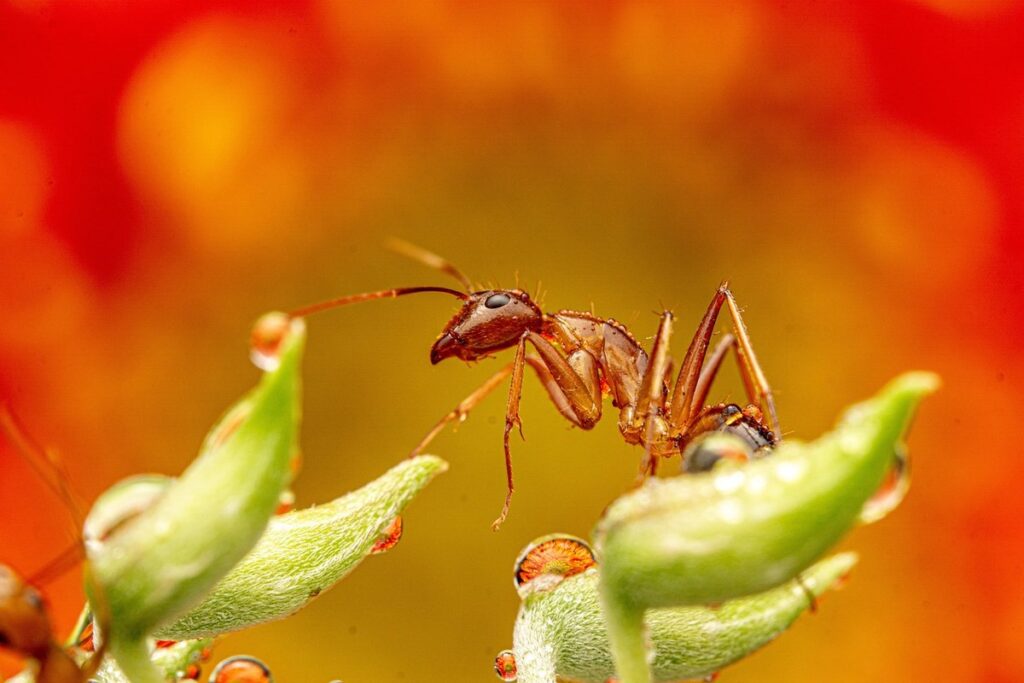
Fire ants can be a nuisance in gardens, causing damage to plants and posing a threat to humans and pets. Here, we’ll break down what you need to know about these pesky creatures.
The Biology of Fire Ants
Fire ants are highly social and organized creatures that thrive in warm climates. There are several species of fire ants, but the most common one is Solenopsis invicta. These invasive pests can be found in gardens all over the world, particularly in regions with mild winters.
In their natural habitats, fire ants live in colonies with a single queen ant. The colony’s structure consists of three main castes: workers, soldiers, and queens. Worker ants are responsible for gathering food, caring for young ones, and defending the colony. Soldier ants, on the other hand, have enlarged heads and mandibles that help them protect the colony from predators.
Fire ants are incredibly adaptable and can be found in various types of habitats, including forests, grasslands, and even urban areas. They are attracted to food sources, particularly sweet or protein-rich substances. To deter fire ants from your garden, make sure to remove any sugary or oily substances that might attract them. Regularly inspect your plants for signs of infestation and treat the area promptly if you notice any activity.
Identifying Fire Ant Colonies
When you suspect that fire ants are infesting your garden, it’s essential to identify the signs of their presence. Fire ant colonies can be difficult to spot, but there are common indicators that can help you locate them.
One of the most obvious signs is the presence of mounds or hills. Fire ants build these structures using soil and debris, often with a central chamber containing the queen. If you notice any unusual bumps or protrusions in your lawn, it could be a fire ant mound. Be cautious when approaching or digging near mounds, as fire ants are quick to defend their colonies.
Fire ants also create trails leading to food sources, which can include sweet substances like honeydew from aphids. These trails often appear as narrow paths of disturbed soil or vegetation. If you notice any unusual tracks or patterns in your garden, it could be a sign that fire ants are present.
Finally, if you experience painful bites on exposed skin, it may indicate that fire ants are nearby. Fire ant bites can be mistaken for insect stings, but they often leave small red bumps or welts.
Fire Ant Life Cycle and Seasonal Activity
Fire ants go through four distinct stages: egg, larva, pupa, and adult. A single queen ant can lay up to 1,500 eggs per day, which she carefully guards. After about 2-3 days, the eggs hatch into larvae. These worm-like creatures feed on regurgitated food from worker ants.
As they grow, larvae will eventually form a resting phase called the pupal stage, where they spin a cocoon and undergo metamorphosis. During this time, their body structures change dramatically to become adults. The entire life cycle of a fire ant can take anywhere from 6-12 months.
Seasonally, fire ants tend to be more active during warmer periods. As temperatures rise in spring and summer, so do the mounds’ size and activity levels. Workers scurry about, foraging and caring for young. During these times, it’s not uncommon to see multiple mounds per yard. Conversely, as temperatures drop in fall and winter, ants become less active, with some queens even going dormant. Understanding fire ant life cycles and seasonal variations can help you anticipate and manage their impact on your garden more effectively.
Causes and Contributing Factors
Fire ants can infest gardens for a variety of reasons, including climate, soil conditions, and nearby food sources that attract these invasive pests. Let’s explore what draws fire ants to your garden.
Weather Conditions
When it comes to fire ants in gardens, understanding the impact of weather conditions on their behavior and populations is crucial for effective management. Temperature plays a significant role, as fire ants are more active during warmer months, typically above 60°F (15°C). Prolonged heatwaves can exacerbate their activity, causing them to venture out of their colonies in search of food and water.
Humidity also affects fire ant behavior, with optimal conditions ranging from 50-70%. When the humidity is too low or too high, they tend to become less active, which can be beneficial for controlling their populations. However, prolonged periods of drought can still lead to increased activity as they seek out resources.
Precipitation patterns can also impact fire ant populations, with heavy rainfall often leading to increased foraging and territorial expansion. Conversely, prolonged dry spells can cause them to cluster together in smaller areas, making them more vulnerable to control measures. Being aware of these dynamic relationships between weather conditions and fire ant behavior can help you develop targeted strategies for managing infestations in your garden.
Soil Quality and pH Levels
Soil quality and pH levels play a significant role in determining the health and growth of fire ant colonies in gardens. Fire ants thrive in well-drained soil with optimal moisture levels, which allows them to build intricate networks of underground tunnels and chambers. Soil pH is another crucial factor; fire ants prefer slightly acidic to neutral soil, ranging from 6.0 to 7.5 on the pH scale.
However, gardeners often unknowingly create ideal conditions for fire ant colonies by amending their soil with organic matter or fertilizers that alter its pH. For instance, adding compost or manure can increase the soil’s nutrient content but also raise its pH levels. Similarly, using high-nitrogen fertilizers can promote lush vegetation growth, which in turn supports larger fire ant populations.
To mitigate this issue, gardeners should monitor their soil’s pH levels and adjust them accordingly. Applying acidic materials like peat moss or sulfur can help lower the pH, while adding lime can increase it. Regularly inspecting your garden for signs of fire ants, such as mounds or winged ants, will also enable you to take prompt action and prevent infestations from getting out of hand.
Vegetation and Landscaping Choices
When it comes to vegetation and landscaping choices, there are certain plants that can either attract or repel fire ants. Fire ants are drawn to sweet or protein-rich substances found in flowers, fruits, and vegetables, so it’s essential to be mindful of the types of plants you have in your garden.
Some plants that attract fire ants include azaleas, roses, and apple trees, as they produce nectar-rich blooms that lure these pests. On the other hand, there are several plants that repel fire ants, such as mint, basil, and lemongrass. These herbs contain oils that deter fire ant colonies.
To mitigate infestations, consider incorporating native plants into your landscaping design. Native plants tend to have co-evolved with local insect populations, resulting in a more balanced ecosystem. Additionally, keep your garden well-maintained by removing weeds and debris, which can attract fire ants. Avoid overwatering, as this can create an ideal environment for these pests.
If you do choose to plant flowers or vegetables that may attract fire ants, consider using physical barriers or repellents around the plants to deter them.
Preventing Fire Ant Infestations
To effectively prevent fire ant infestations, you’ll want to learn how to identify areas vulnerable to these pests and implement simple yard maintenance practices. Let’s get started on that!
Creating a Barrier around the Garden
When creating a barrier around your garden to prevent fire ants from entering, you’ll want to focus on materials that are both effective and non-invasive. One popular option is diatomaceous earth (DE), a natural powder made from the fossilized remains of tiny aquatic organisms. Sprinkle DE evenly around the perimeter of your garden, about 1-2 inches deep, and it will dehydrate fire ants when they cross over.
Another option is to use a barrier made from copper tape or mesh. Fire ants don’t like the taste of copper, so when they come into contact with it, they’ll turn back. Place the copper material around the garden’s edges, securing it firmly in place to prevent fire ants from burrowing underneath.
You can also opt for physical barriers such as plastic sheeting or landscape fabric. These materials will prevent fire ants from entering your garden while allowing water and air to pass through. To ensure a tight seal, weigh down the edges with rocks or soil. Regularly inspect these barriers and repair any damage that may occur over time.
Some plants are naturally repellent to fire ants, such as basil and mint, so consider incorporating them into your garden design. However, this method is not a foolproof solution, and it’s still essential to maintain other barrier methods for maximum effectiveness.
Using Natural Deterrents
When it comes to preventing fire ant infestations, using natural deterrents can be an effective and environmentally friendly solution. Certain plants and substances have been shown to repel or deter fire ants, making them a great alternative to chemical-based solutions.
Some of the most effective natural deterrents against fire ants include citrus peels, cinnamon, and cayenne pepper. You can place these substances directly in areas where you’ve spotted fire ant activity, such as near plant stems or along garden paths. The strong scents and flavors will help deter the ants from approaching.
Other plants, like mint, basil, and lemongrass, have also been known to repel fire ants due to their oils and fragrances. Planting these in your garden can not only keep fire ants at bay but also add a lovely aroma and visual appeal. Consider mixing some of these plants together for an even more potent natural deterrent.
Remember that it’s essential to use these substances consistently, as the fire ant colony may eventually adapt if you stop using them regularly. By incorporating natural deterrents into your gardening routine, you can reduce the likelihood of fire ant infestations and create a healthier environment for your garden.
Maintaining Healthy Soil
When it comes to preventing fire ant infestations in your garden, maintaining healthy soil is crucial. Healthy soil provides a resilient environment for plants to thrive, making them less susceptible to pest infestations like fire ants. To achieve optimal soil health, start by checking the pH level of your soil. Most vegetables and flowers prefer a slightly acidic to neutral soil pH between 6.0 and 7.0.
Next, ensure your soil has a balanced nutrient content. Fire ants thrive in areas with poor soil quality, so it’s essential to maintain adequate levels of nitrogen, phosphorus, and potassium (NPK). You can achieve this by adding compost or well-rotted manure to the soil. Aim for at least 2-3% organic matter content in your topsoil.
To further enhance soil health, incorporate practices like crop rotation and cover cropping into your gardening routine. These methods promote beneficial microorganisms in the soil, which can help repel fire ants naturally. By maintaining a balanced and thriving ecosystem in your garden, you’ll reduce the likelihood of fire ant infestations and create an environment conducive to healthy plant growth.
Managing Established Infestations
If you’ve already spotted fire ants taking over your garden, don’t worry – we’ll show you how to take back control. This next part covers practical strategies for managing established infestations effectively.
Treatments and Control Methods
When it comes to managing established fire ant infestations in your garden, treatment options can be overwhelming. Let’s break down various control methods, including chemical baits, natural remedies, and biological controls.
Chemical baits are a popular choice for eliminating fire ants, especially when the colony is large. These baits typically contain a slow-acting poison that allows ants to return to their nest, killing the queen and eventually the entire colony. However, it’s essential to follow the label instructions carefully and take necessary precautions to avoid exposure.
Natural remedies can be an attractive alternative for those who prefer a more environmentally friendly approach. Some effective natural options include cinnamon, cayenne pepper, and diatomaceous earth. These substances can be sprinkled around affected areas or incorporated into homemade baits to deter fire ants.
Biological controls involve introducing natural predators or parasites that target fire ants. For example, ants’ natural predators like ladybugs, lacewings, and parasitic wasps can be introduced into the garden to control fire ant populations. This approach is not only environmentally friendly but also provides long-term results with minimal maintenance required.
Selecting the Right Treatment
When it comes to selecting the right treatment for an established fire ant infestation in your garden, there are several factors to consider. The size of the colony is one crucial factor. If you’re dealing with a small to medium-sized colony, you may be able to control it with over-the-counter pesticides or homemade remedies like boiling water or soap solution. However, if you have a large colony, these methods might not be enough, and you’ll need to opt for more heavy-duty treatments.
Another key consideration is the location of the colony. If the ants are nesting in a sensitive area, such as near a children’s play zone or a food garden, you may want to choose a treatment that minimizes harm to people and pets. In these cases, consider using baits or granules that can be targeted at specific areas.
Additionally, environmental concerns should also guide your treatment decision. Avoid using pyrethroids, which can harm beneficial insects like bees and butterflies. Instead, opt for treatments that are labeled as “bee-friendly” or use natural ingredients like diatomaceous earth or citrus oil to repel fire ants.
Post-Treatment Care and Prevention
Now that you’ve treated your garden for fire ants, it’s essential to maintain a fire ant-free environment. This involves creating an environment that makes it difficult for them to survive and thrive. Start by removing any debris or vegetation where they might be hiding, such as leaf litter, weeds, or woodpiles. Regularly inspect your garden for signs of new infestations and address them promptly.
Another crucial step is maintaining a clean yard by eliminating standing water and food sources. Fire ants need water to survive, so ensure your garden has proper drainage. Also, avoid over-fertilizing your plants, as this can attract other pests that may be preyed upon by fire ants.
To prevent future infestations, adopt a combination of cultural, mechanical, and chemical controls. Cultural controls involve modifying the environment to make it less conducive to fire ant establishment. This includes planting native vegetation, which tends to repel fire ants, and using mulch or other materials that make it difficult for them to dig.
In addition to these measures, consider implementing a regular pest management schedule to monitor for new infestations and address them before they become severe. Regularly inspect your garden’s perimeter, including any nearby areas where fire ants might be migrating from.
Biological Control Methods
One of the most effective ways to manage fire ant populations is through biological control methods, which utilize natural predators and parasites. Let’s explore these eco-friendly solutions together.
Introducing Fire Ant Predators
Fire ants have a natural nemesis in the garden ecosystem. Introducing fire ant predators can be an effective and environmentally friendly way to control their populations. One of the most promising predators is the ladybug, specifically the multicolored Asian lady beetle (Harmonia axyridis). These beetles feed on fire ants, especially the young ones, and can consume up to 20 aphids or scales per day.
Other insects that prey on fire ants include parasitic wasps like the Pheidole megacephala. These wasps lay their eggs inside fire ant colonies, where their larvae feed on the ants’ brood. Another beneficial insect is the ants-mimicking spider, Peucetia viridans. This spider’s body shape and coloration allow it to infiltrate fire ant colonies undetected.
To introduce these predators into your garden, start by creating a welcoming environment for them. Plant a diverse range of flowers that provide nectar and pollen, which will attract the beneficial insects. Avoid using broad-spectrum pesticides, as they can harm or kill the predators. Instead, use targeted control methods to manage fire ant populations while preserving the delicate balance of your garden ecosystem.
Some species of birds, such as the European starling, also prey on fire ants. These birds forage for food in the morning and afternoon, feeding on both the adults and young fire ants. By incorporating native plants and providing a water source, you can encourage these birds to visit your garden regularly.
It’s essential to note that introducing predators should be done judiciously and as part of an integrated pest management strategy. Some beneficial insects may not be suitable for every climate or region, so it’s crucial to research the local fauna before making introductions.
Using Beneficial Nematodes
If you’re looking for a natural and non-chemical way to control fire ant colonies in your garden, beneficial nematodes might be just what you need. These microscopic worms are a type of biological control method that can help manage fire ant populations without harming the environment.
Beneficial nematodes (Steinernema spp.) are attracted to the heat and moisture emitted by fire ants, which they then parasitize and kill. This process is completely safe for humans, pets, and other beneficial insects in your garden. To use nematodes effectively, apply them directly to the soil where fire ants are most active, usually around their mounds.
For best results, apply nematodes during the cooler part of the day, when the ants are less active, and water the area lightly but thoroughly after application. The ideal time for application is typically in late spring or early summer, when the ants are most active. By incorporating beneficial nematodes into your integrated pest management strategy, you can reduce fire ant populations and create a healthier environment for your garden to thrive.
Other Biological Control Options
While fungal pathogens and viruses might not be as well-known as some of the other biological control methods, they are worth exploring for their potential to manage fire ant populations. Fungal pathogens, such as Beauveria bassiana, can infect and kill individual ants, ultimately reducing the overall colony population.
Viruses like the SINV (Sodworm virus) have also shown promise in targeting fire ants. These microorganisms typically work slowly, so they might not provide immediate results. However, their long-term impact can be significant. For example, studies have demonstrated that introducing fungal pathogens to affected areas can lead to a decrease in fire ant populations over several weeks or months.
When considering the use of fungal pathogens or viruses as a biological control method, it’s essential to understand their specific requirements and limitations. This includes factors such as temperature, humidity, and sunlight exposure. Researching local products or consulting with a gardening expert familiar with these microorganisms can help ensure successful implementation. By exploring these less conventional methods, gardeners may find new approaches to managing fire ant infestations without relying on chemical treatments.
Conclusion and Future Directions
Now that we’ve explored ways to manage fire ant infestations, let’s talk about what you can do next to keep your garden safe from these pesky insects.
Recap of Key Takeaways
When dealing with fire ants in gardens, it’s essential to recall the key takeaways from our discussion. To prevent these pesky pests from invading your garden, always inspect new plants and soil for signs of ant activity before introducing them to your yard. This proactive approach can help you identify potential problems early on.
Regularly maintaining a clean and clutter-free environment is also crucial in preventing fire ants from making themselves at home. Remove weeds, debris, and fallen branches that may serve as food or shelter for these pests. Make sure to seal any cracks or crevices around your garden’s irrigation systems, pipes, and other infrastructure to prevent ants from accessing water and food.
Effective management strategies include using natural deterrents like cinnamon, cayenne pepper, or citrus sprays to repel fire ants. You can also try introducing beneficial insects, such as ladybugs or lacewings, which feed on fire ant colonies. If infestations persist, consider using targeted baits or insecticides under the guidance of a pest control professional. By incorporating these prevention and management strategies into your gardening routine, you’ll be better equipped to handle fire ants in your garden.
Emerging Trends and Research
Recent studies have shed light on the complex social behavior of fire ants, revealing new insights into their colony dynamics and communication systems. Research has shown that fire ants use chemical signals to coordinate foraging efforts, potentially explaining their ability to rapidly expand their territory and adapt to changing environments.
Meanwhile, scientists are exploring innovative control methods that target specific aspects of fire ant biology. For instance, some researchers have investigated the potential of introducing natural predators or parasites that specifically target fire ants, while others are working on developing targeted insecticides that minimize harm to non-target species.
Emerging trends in fire ant management also point towards a more holistic approach, incorporating techniques such as cultural control methods (e.g., reducing moisture and food sources) and using Integrated Pest Management (IPM) strategies. These approaches acknowledge the intricate relationships between fire ants and their ecosystems, emphasizing the need for more nuanced and sustainable solutions to mitigate the impact of these invasive pests.
By staying informed about current research and trends in fire ant biology and control, gardeners can make more informed decisions when managing fire ants in their gardens.
Frequently Asked Questions
Can I use essential oils for fire ant control if I have pets or young children in the garden?
Yes, but with caution. Certain essential oils like peppermint and tea tree oil are known to repel fire ants, but they can also be toxic to pets and humans. Always dilute essential oils in water according to label instructions, and keep them out of reach of children and pets.
How long does it take for beneficial nematodes to control a fire ant infestation?
Beneficial nematodes can start killing fire ants within 7-10 days after application, but complete infestation control may take several weeks. Consistent use and optimal soil conditions are crucial for their effectiveness.
What’s the best way to create a barrier around my garden to prevent fire ants from entering?
Using diatomaceous earth (DE) or fine-grained sand as a perimeter barrier can be effective in keeping fire ants out of your garden. Apply these materials 1-2 inches deep along the border, and replenish them regularly to maintain their effectiveness.
Are there any signs that indicate I have an established fire ant colony?
Yes, look for large mounds with multiple entrances, especially during peak summer months. Established colonies can produce thousands of workers per day, leading to rapid population growth and increased damage to plants.
How do I determine if the biological control method is working in my garden?
Monitor for a significant reduction in mound numbers and fire ant activity over time. Biological control methods like beneficial nematodes may require repeated applications and several weeks to achieve desired results. Keep records of your efforts and adjust your strategy as needed.