
Deer can be a beautiful sight to see in your garden, but their appetite for plants can quickly turn that beauty into destruction. If you’re tired of dealing with deer damage and want to protect your investment, you’ve come to the right place. In this article, we’ll explore effective strategies for long-term deer control, including physical barriers, repellents, plant selection, and cultural methods.
We’ll dive into the world of deer deterrents and provide actionable tips on how to keep these unwanted visitors away from your garden and landscaping. From using fencing and netting to selecting plants that are less appealing to deer, we’ve got you covered. Whether you’re a seasoned gardener or just starting out, this article will give you the knowledge and confidence you need to take back control of your outdoor space.
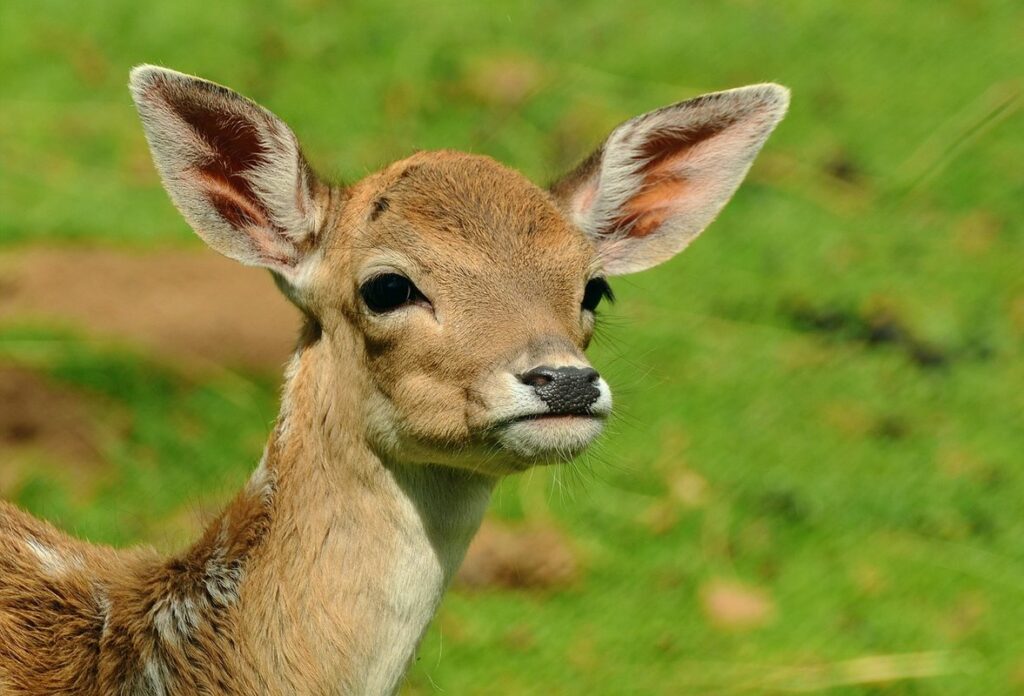
Understanding Deer Behavior and Habitat
To effectively deter deer from eating your plants, it’s essential to understand their behavior and habitat preferences, which we’ll explore next. Let’s take a closer look at what drives these curious creatures.
Why Deer Eat Plants in the First Place
Deer are herbivores by nature, which means they primarily feed on plants and vegetation. In the wild, their diet consists of leaves, twigs, grasses, and other plant material. However, when deer encounter gardens or landscaping, they may be attracted to specific plants that resemble their natural food sources.
Research suggests that deer are drawn to plants with high nutritional value, such as those rich in protein, fiber, and vitamins (1). For example, a study on white-tailed deer found that they prefer plants like clover, alfalfa, and grasses over other vegetation (2). Deer may also be attracted to plants with tender shoots or new growth, which are often high in nutrients.
In gardens and landscaping, certain plants are more likely to attract deer than others. For instance, deer tend to favor plants with fragrances that mimic their natural food sources, such as flowers like lilies or roses (3). By understanding the types of plants that deer find attractive, homeowners can take steps to deter them from eating specific plants in their gardens.
References:
(1) National Deer Association. (n.d.). Deer Nutrition and Diet.
(2) Food and Agriculture Organization of the United Nations. (2017). Deer Nutrition and Management.
(3) Whitetail Deer Management Association. (n.d.). White-tailed Deer Habitat and Behavior.
Identifying Deer-Favored Plants and Landscapes
When it comes to deterring deer from eating plants, understanding their preferences is crucial. Deer are attracted to certain types of plants and landscapes that provide them with food, shelter, and breeding grounds.
Some common deer-favored plants include fruit trees like apple, cherry, and peach, as well as berry-producing shrubs such as holly, lilac, and privet. Groundcovers like clover, creeping thyme, and ivy are also on the menu for these browsers. In terms of landscape features, deer often favor areas with dense vegetation, rocky outcroppings, and nearby water sources.
To identify high-risk areas for deer damage in your garden or yard, look for clusters of plants that fit their preferred profiles. For example, if you have a fruit tree or berry shrub near a water source or under a canopy of mature trees, it’s likely to be a hotspot for deer activity. Keep an eye out for signs like hoof prints, droppings, and damaged vegetation.
To take action, consider removing these plants from your landscape or relocating them to a less accessible area. Alternatively, try using plant varieties that are less palatable to deer, such as deer-resistant shrubs like boxwood, yew, or rhododendron. By understanding what attracts deer to your yard and taking steps to deter them, you can protect your plants from damage and maintain a thriving garden.
Physical Barriers: Fencing and Repellents
When it comes to physically deterring deer from your plants, effective fencing and repellent solutions are crucial for long-term protection. Let’s explore some practical options for safeguarding your garden.
Building Effective Deer-Proof Fences
When it comes to keeping deer out of your garden, physical barriers are one of the most effective methods. A well-designed and installed fence can be a game-changer for protecting your plants from these hungry visitors. To build an effective deer-proof fence, you need to consider several key factors.
First, choose materials that are durable and difficult for deer to chew through. Options like wood, metal, or plastic fencing are good choices. Avoid using chicken wire or netting as it can be easily compromised by a determined deer. For optimal results, install the fence at least 8 feet tall. This will make it more challenging for deer to jump over.
When selecting materials, also think about their weight and stability. A sturdy fence post every 6-8 feet is essential to ensure the structure remains upright and secure. Consider burying the fencing material underground by at least a foot to prevent digging. Remember to install any gates with latches that are difficult for deer to open.
Regular maintenance of your fence is crucial to its effectiveness. Inspect it regularly for signs of damage, such as scratches or holes, and repair promptly to prevent further breaches.
Using Repellents and Deterrents
When it comes to deterring deer from eating plants, repellents and deterrents can be an effective addition to your physical barrier strategy. There are various types of repellents and deterrents available on the market, including sprays, granules, and electronic devices.
Spray-based repellents, such as those containing hot peppers or garlic, can be applied directly to plants or around the perimeter of your garden. These products work by creating an unpleasant scent for deer to associate with your plants. For example, a study published in the Journal of Wildlife Management found that sprays containing capsaicin (the active ingredient in chili peppers) reduced deer feeding rates by 73%.
Granular repellents, on the other hand, can be scattered around the perimeter of your garden or directly applied to plants. These products often contain natural ingredients such as predator scents or hot peppers. Electronic deterrents, which emit high-frequency sounds undetectable to humans but unpleasant for deer, can also be effective.
To use these products effectively, make sure to follow the product instructions and apply them regularly, ideally at the peak of deer activity (usually dawn and dusk). It’s also essential to combine repellents with other deterrence methods, such as physical barriers and plant selection, for optimal results.
Plant Selection and Design Strategies
When selecting plants for your garden, it’s essential to choose deer-resistant varieties that will help minimize damage. This section explores key strategies for designing a deer-friendly landscape.
Choosing Deer-Resistant Plants
When choosing plants for your garden that are resistant to deer damage, it’s essential to select species that are less appealing to these herbivores. Some deer-resistant plants include Boxwood, Holly, and Yew, as they have toxic compounds that deter deer from feeding on them.
Consider the growth habits of the plants you choose, as well as their maintenance requirements. For example, Deer-Resistant plants like Lavender and Rosemary are low-maintenance and can thrive in poor soil conditions. These drought-tolerant plants are also perfect for areas with limited water supply.
When selecting deer-resistant plants, look for species that have a strong scent or unpalatable taste to deer. Some examples of these plants include Garlic, Chives, and Daffodils. Keep in mind that no plant is completely deer-proof, but choosing the right combination of resistant species can significantly reduce the damage caused by deer.
When planting multiple deer-resistant species together, be sure to mix them with non-deer-resistant plants to create a balanced garden ecosystem. This approach will also attract pollinators and other beneficial wildlife to your garden.
Landscape Design Principles for Deer Control
When designing your landscape to deter deer from eating plants, it’s essential to consider principles that minimize the area’s attractiveness to these hungry creatures. One effective approach is incorporating native plants into your design. Deer are drawn to familiar scents and tastes, so using plants that grow naturally in your region can help redirect their attention away from ornamental plantings.
Structural elements can also play a crucial role in deterring deer feeding. Incorporating features like fencing, rock walls, or boulders can create physical barriers that discourage deer from entering the area. You can also use these elements to guide deer movement through your landscape, steering them towards areas with little-to-no plant material.
To further minimize your landscape’s appeal to deer, focus on creating a visually appealing space that doesn’t encourage feeding. This can be achieved by mixing plants of varying heights, textures, and colors to create visual interest without providing easy access to tender shoots or leaves.
Cultural Methods: Using Plants Against Deer
When it comes to using plants against deer, cultural methods can be a highly effective and non-toxic approach to deterring these hungry critters from your garden. Let’s explore some creative ways to use plants to keep deer at bay.
Companion Planting and Interplanting Strategies
Companion planting is an effective technique to deter deer without relying on physical barriers. By strategically placing certain plants alongside deer-resistant varieties, you can create a less appealing environment for these hungry creatures. Intercropping, the practice of growing multiple crops together, offers numerous benefits that can help reduce deer damage.
When intercropping with deer-deterrent plants like garlic, onions, or hot peppers, deer tend to avoid areas where their strong scents are present. For example, planting garlic around your prized flowers or vegetables can create a “deer-free zone.” Similarly, the pungent aroma of hot peppers can repel deer without harming them.
Some popular companion planting combinations for deer-resistant gardens include:
• Planting daffodils and tulips with lavender to deter deer from grazing on bulbs
• Growing onions, garlic, or chives alongside vegetables like tomatoes, peppers, and eggplants
• Intercropping hot peppers, such as jalapeños or habaneros, with herbs like mint and rosemary
By incorporating these companion planting strategies into your garden design, you can minimize deer damage while promoting a healthy and diverse ecosystem.
Attracting Predators as Deer Deterrents
Attracting predators that prey on deer can be an effective way to deter them from eating plants. This approach is based on the idea of using wildlife management techniques to control deer populations naturally. Research by wildlife experts has shown that introducing predators like owls, foxes, and coyotes can help maintain a balance between herbivores and their environment.
Incorporating predators as deer deterrents requires careful planning and execution. According to the National Wildlife Federation, “predator-prey dynamics are essential for maintaining ecosystem balance.” To attract these predators, you’ll need to provide suitable habitats and food sources in your garden or landscape. For example, installing a bat house can attract owls that prey on rodents and small mammals.
It’s also essential to consider local wildlife management regulations when introducing predators. Some states have laws prohibiting the introduction of non-native species, so be sure to research and comply with these regulations before implementing this method. By attracting natural predators, you can create a more balanced ecosystem and reduce the need for deer repellents or fencing.
Chemical Methods: Using Spray and Granule Repellents Safely
When it comes to chemical repellents, using sprays and granules can be an effective way to deter deer from eating your plants. This section will cover how to use these methods safely and humanely.
Overview of Spray and Granule Repellents
When it comes to deterring deer from eating plants, chemical repellents can be an effective option. Two common types of chemical repellents are spray and granule repellents, which contain active ingredients that help deter deer.
Spray repellents typically contain capsaicin, a compound found in hot peppers, or sulfur, which has a strong odor that repels deer. These sprays are often easy to apply and can be used on individual plants or entire gardens. Granule repellents, on the other hand, usually contain sulfur or ammonium nitrate, which are released slowly as the granules break down.
To use spray and granule repellents safely, it’s essential to follow product instructions carefully. This may involve avoiding application during peak sunlight hours, using protective gear when handling chemicals, and testing a small area before applying repellent to larger areas. It’s also crucial to avoid over-application, which can harm plants or wildlife.
When choosing between spray and granule repellents, consider the specific needs of your garden. If you have a large area to cover, granules may be more practical. For smaller spaces or sensitive plants, sprays might be a better option. Always read labels carefully and take necessary precautions to ensure safe use.
Safety Precautions When Using Chemical Repellents
When using chemical repellents to deter deer from eating plants, it’s essential to be aware of the potential risks involved. These products can have a significant environmental impact, harming beneficial insects and other wildlife that come into contact with them. Moreover, chemical repellents can also be toxic to pets or children who accidentally ingest them.
Before applying chemical repellents, make sure to read the label carefully and follow the instructions provided. Some repellents are more potent than others, so it’s crucial to use them responsibly. For example, if you have a garden with a variety of plants, you may want to opt for a milder formula to avoid harming beneficial insects like bees or butterflies.
To minimize risks, consider applying chemical repellents only when necessary and in areas where deer activity is high. It’s also a good idea to combine chemical repellents with physical barriers or other non-toxic methods to create a multi-layered defense against deer damage.
Long-Term Solutions: Integrating Multiple Strategies
When it comes to long-term deer control, a single strategy just won’t cut it – you need a multi-faceted approach that integrates various methods for maximum impact. This section will show you how to combine strategies effectively.
Combining Physical, Cultural, and Chemical Methods
Incorporating multiple strategies is key to developing effective long-term solutions for deer control. By combining physical, cultural, and chemical methods, you can create a robust defense system that addresses the various needs of your garden or landscaping project.
For instance, consider pairing fencing (a physical deterrent) with repellents like hot peppers or garlic spray (chemical methods) to protect your plants from hungry deer. You could also use deer-resistant plants in combination with mulch or cover crops (cultural strategies) to make your garden less appealing to them.
Remember that no single approach is foolproof, and a multi-faceted approach will provide the best results. Tailor your methods to your specific needs by assessing your local deer population, plant species, and available resources.
To get started, take stock of your landscape and identify areas where deer are most likely to cause damage. Next, combine two or more strategies that fit your situation, such as installing a fence while also applying repellents around the perimeter. This integrated approach will not only deter deer from eating plants but also help you maintain a balanced ecosystem in your garden.
Monitoring and Adapting Deer Control Plans
Monitoring deer control plans is crucial to ensure their effectiveness. As conditions change throughout the seasons, what works today might not work tomorrow. For instance, plants that are most attractive to deer during one season may lose their appeal in another. A study by the Wildlife Society found that plant selection can shift depending on environmental factors such as temperature and moisture levels.
To adapt to these changes, it’s essential to regularly monitor your property for signs of deer activity, including feeding patterns and preferred plants. This information will help you adjust your control strategies accordingly. For example, if you notice deer are favoring a particular area with high concentrations of certain plants, you may need to implement targeted deterrents or relocation efforts.
Consider conducting regular surveys during different seasons to track changes in deer behavior and plant preferences. Consult credible sources such as the USDA’s Wildlife Services for guidance on effective monitoring techniques. By staying vigilant and adjusting your plans based on changing conditions, you can maintain a more effective long-term solution for deterring deer from eating plants.
Frequently Asked Questions
How can I determine the effectiveness of my deer control plan?
Conduct regular monitoring to assess the success of your strategies. Keep track of any plant damage or deer sightings, and adjust your methods as needed. Consider implementing a combination of physical barriers, repellents, and plant selection to maximize effectiveness.
Can I use multiple types of repellents together for better results?
Yes, using multiple types of repellents can be an effective way to deter deer. Combining sprays, granules, or other forms of repellents may help keep deer away from your plants more consistently. Be sure to follow the instructions and safety precautions for each type of repellent.
How do I choose the right fencing materials for my deer-proof fence?
When selecting materials for a deer-proof fence, consider using durable options like wood, metal, or high-tensile wire. The height and strength of your fence should be tailored to the specific needs of your garden and the local deer population. Consult with experts or do further research to determine the most effective fencing solution.
What can I do if deer are already damaging my plants?
If you find that deer are already eating your plants, take immediate action to protect them. Use temporary repellents like sprays or granules to deter deer until more permanent solutions can be implemented. Consider installing physical barriers like fencing or netting to safeguard your plants.
Can I use natural and organic methods exclusively for deer control?
While natural and organic methods are a great starting point, they may not provide long-term results on their own. Deer can adapt quickly to new repellents or deterrents, so combining different approaches – such as physical barriers, repellents, and plant selection – will often yield the best outcomes.