
As a gardener, you’re likely aware of the vital role that pollinators like bees and butterflies play in our ecosystem. Without them, many of our favorite fruits, vegetables, and flowers would disappear from our gardens and plates. But did you know that creating a pollination garden can be a simple and rewarding way to support these beneficial creatures? By selecting the right plants, designing your garden with their needs in mind, and implementing effective maintenance strategies, you can create a thriving haven for bees, butterflies, and other pollinators. In this article, we’ll explore the ins and outs of creating a pollination garden that attracts and supports biodiversity, from plant selection to garden design and beyond.
Understanding the Importance of Pollination
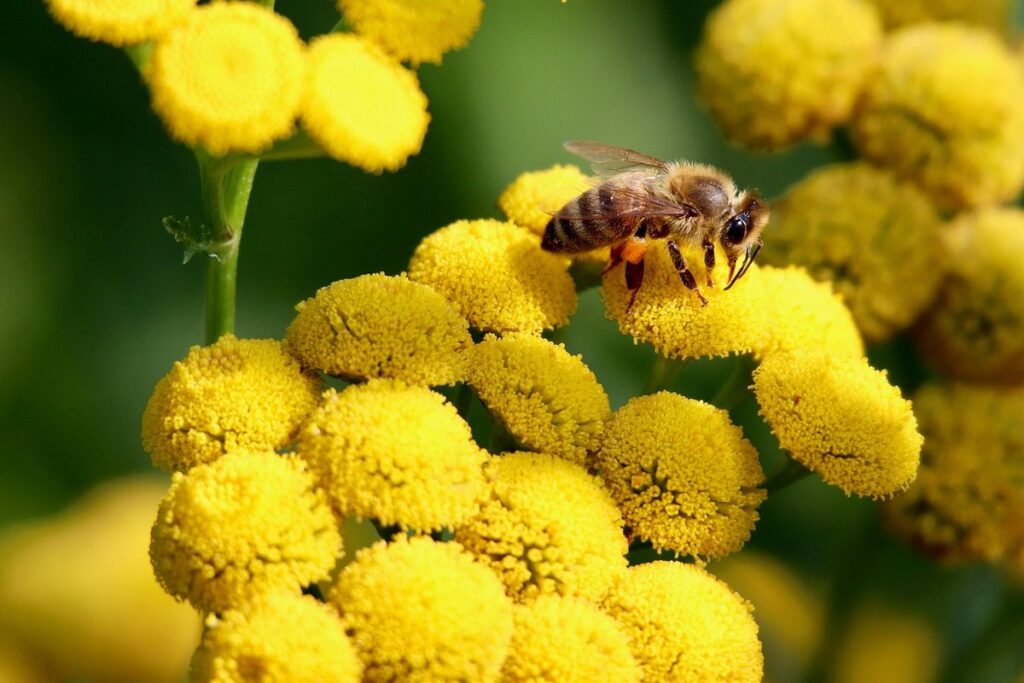
Pollination is often taken for granted, but its significance can’t be overstated. In this section, we’ll explore why pollination matters and how it affects our gardens and ecosystem.
What is Pollination and Why is it Crucial?
Pollination is the process by which plants reproduce, and it’s absolutely essential for food security. In simple terms, pollination occurs when pollen from the male reproductive part of a plant (stamen) is transferred to the female reproductive part (pistil), allowing fertilization to take place.
This intricate dance between plants is crucial for the production of fruits, seeds, and vegetables that we rely on as humans. Without pollination, many crops would be unable to reproduce, leading to significant food shortages. Did you know that one-third of all crops worldwide, including staple foods like apples, wheat, and coffee, depend on animal pollinators like bees, butterflies, and bats?
The consequences of inadequate pollination can be severe. In the United States alone, it’s estimated that pollinator decline has resulted in losses worth over $200 billion annually. To create a thriving pollination garden, understanding this fundamental process is key. By providing a welcoming environment for pollinators, you’ll not only support local ecosystems but also contribute to global food security.
The Impact of Pollinator Decline on Food Production
The decline of pollinators is having a significant impact on global food production. It’s estimated that one-third of all crops globally, including fruits and vegetables, rely heavily on bee pollination alone. Without these essential pollinators, crop yields are declining, and the quality of produce is suffering.
Take apples, for example – without bees to transfer pollen, apple trees would be unable to reproduce. This has resulted in a 50% decline in UK apple production over the past decade. Similarly, almonds, which rely on honeybees for pollination, have seen yields plummet by up to 90%.
Pollinators are not just essential for food production – they also contribute significantly to ecosystem health and biodiversity. By planting a pollination garden, you can help support these vital creatures and mitigate the effects of their decline. Start by incorporating a diverse range of flowers that provide nectar and pollen, such as sunflowers, lavender, and coneflowers, into your garden design.
Planning a Pollination Garden
Now that you’ve chosen your plants, it’s time to think about how they’ll all work together in harmony. Here are some essential tips for planning a pollination garden that will thrive and attract beneficial wildlife.
Choosing the Right Location and Climate
When selecting a location for your pollination garden, several factors come into play to ensure it attracts a diverse range of pollinators. First and foremost, consider the amount of sunlight your garden will receive. Most plants require at least 6 hours of direct sunlight per day, so choose a spot that receives sufficient sunlight. Be mindful of nearby structures or trees that may cast shade.
Next, assess the soil type in your chosen location. Different pollinators thrive in various soil conditions, such as bees and butterflies which prefer well-drained soils, while some plants like orchids require more alkaline environments. Test your soil to determine its pH level and nutrient content.
Climate also plays a crucial role in selecting a suitable location for your pollination garden. Consider the average temperature, rainfall, and wind patterns in your area. Some plants are sensitive to extreme temperatures or droughts, so choose varieties that are adaptable to your local climate. Research which plants thrive in your region and select those that will perform well in your specific environment.
Selecting Plants that Attract Pollinators
When selecting plants for your pollination garden, it’s essential to choose varieties that will attract a diverse range of pollinators. Start by considering native species, as they are more likely to be attractive to local pollinators and require less maintenance than non-native plants.
To create a vibrant and dynamic garden, aim for a mix of flowering times throughout the growing season. This ensures a constant source of nectar and pollen for pollinators. For example, plant spring-blooming species like crocus or daffodils in early winter, followed by summer bloomers such as sunflowers or zinnias.
Aim to include at least 70-80% native plants and 20-30% non-native species that are still attractive to pollinators. This balance will provide a diverse range of flowers throughout the growing season. Also, consider including plants with different shapes, sizes, and colors to cater to various pollinator preferences.
Some excellent options for attracting bees include lavender, coneflower, and black-eyed Susan. For butterflies, try planting milkweed, butterfly bush, or lantana. Avoid using pesticides, which can harm pollinators. Instead, focus on creating a chemical-free environment that promotes healthy pollinator populations.
Plant Selection for Pollination Gardens
When creating a pollination garden, selecting the right plants is crucial, so let’s dive into some essential tips for choosing the perfect flowers to attract pollinators.
Native Plants and Their Benefits
When it comes to creating a pollination garden, using native plants is essential for attracting local pollinators and supporting the ecosystem. Native plants have co-evolved with native pollinators over thousands of years, providing them with the perfect blend of food, shelter, and breeding grounds.
These plants are specifically adapted to the local climate, soil type, and moisture levels, making them more resilient and easier to maintain than non-native species. By incorporating native plants into your garden, you’ll be supporting the health and diversity of local pollinators, including bees, butterflies, moths, and hummingbirds.
Some key benefits of using native plants in your pollination garden include:
• Attracting specific pollinators that are adapted to local conditions
• Providing a source of nectar, pollen, and host plants for caterpillars
• Supporting the local food chain by providing habitat and resources for beneficial insects
• Reducing maintenance requirements and minimizing water consumption
When selecting native plants for your garden, research which species are specific to your region and provide the necessary resources for pollinators. For example, in the eastern United States, plants like coneflowers, black-eyed Susans, and milkweed attract a range of pollinators while providing beautiful blooms throughout the growing season.
Planting a Diverse Range of Species
When it comes to planting a pollination garden, one of the most crucial aspects is selecting a diverse range of species. This not only attracts multiple pollinator species but also supports biodiversity. By choosing a variety of plants that bloom at different times and have unique characteristics, you can create an ecosystem that thrives with activity.
Think of your pollination garden as a buffet for bees and butterflies! Planting a mix of annuals and perennials ensures that nectar-rich flowers are available throughout the growing season. For example, sunflowers (Helianthus annuus) bloom in mid-summer, providing a vital source of food for pollinators like honeybees. Meanwhile, coneflowers (Echinacea spp.) and black-eyed susans (Rudbeckia hirta) offer late-season nectar, supporting pollinators during the autumn months.
Aim to include at least 50-60 different plant species in your garden to maximize biodiversity. This can be achieved by selecting plants that cater to specific pollinator needs. For instance, lavender (Lavandula spp.) and mint (Mentha spp.) are favorites among bees due to their fragrance and nectar-rich blooms.
Garden Design and Layout
When designing a pollination garden, it’s essential to consider the layout and placement of plants to optimize their interaction and create an efficient network for pollinators. This involves strategic planning and creativity.
Creating a Pollinator-Friendly Habitat
When designing a pollinator-friendly habitat within your pollination garden, it’s essential to provide the necessary resources for these vital creatures. One of the key components is shelter – plants with dense foliage can offer protection from harsh weather conditions and predators.
Consider incorporating native shrubs or trees, which not only provide food but also serve as a haven for pollinators during unfavorable weather. For example, planting oak or maple trees will attract bees and butterflies while offering shade for them to escape extreme temperatures.
Water sources are another crucial element in creating a pollinator-friendly habitat. A shallow dish or birdbath with fresh water can be an inviting spot for pollinators to drink from. Make sure the water is changed frequently to prevent mosquito breeding, which can harm these creatures.
Lastly, incorporate nesting sites into your design. Bees, wasps, and butterflies often nest in specific locations within their habitat. For example, mason bees prefer holes in wood or plant stems with a diameter of about 3-4mm for their nests.
By incorporating shelter, water sources, and nesting sites, you’ll create a welcoming environment that supports the well-being of pollinators, ultimately leading to a thriving garden ecosystem.
Incorporating Rock Piles and Woodpiles
Incorporating rock piles and woodpiles into your pollination garden design may seem unconventional, but these natural features can play a crucial role in supporting biodiversity and attracting specific pollinators. By incorporating these elements, you’ll create a haven for beneficial insects and wildlife.
Rock piles provide habitat and shelter for solitary bees and wasps, which are essential pollinators. These insects often nest in rock crevices or beneath stones, so having a few rocks scattered throughout your garden can be beneficial. Woodpiles also attract pollinators like mason bees and carpenter bees, as they create nests within the wood’s nooks and crannies.
To incorporate these features into your design:
* Leave some areas of your garden unmanicured to allow for natural rock or log accumulation.
* Create a “rock pile” by collecting stones from around your yard and arranging them in a corner of your garden.
* Consider placing wooden logs or tree branches in strategic locations, like near a sunny spot or near a water source.
These simple additions can significantly boost biodiversity in your pollination garden.
Maintenance and Care
To keep your pollination garden thriving, regular maintenance is crucial. This includes tasks such as pruning, mulching, and deadheading to promote healthy plant growth.
Watering and Mulching Strategies
Maintaining adequate water levels and mulch is crucial to supporting plant growth and health in your pollination garden. When it comes to watering, it’s essential to provide the right amount of moisture without overwatering, which can lead to root rot and other problems. A good rule of thumb is to check the soil moisture by inserting your finger into the soil up to the first knuckle. If the soil feels dry, it’s time to water.
Aim to provide about 1-2 inches of water per week, either through rainfall or irrigation. You can also use a drip irrigation system, which delivers water directly to the roots, reducing evaporation and runoff. Mulching is another key strategy for maintaining garden health. Organic mulch such as wood chips or bark helps retain moisture in the soil, suppress weeds, and regulate soil temperature.
When choosing a mulch, select one that is free of weed seeds and other debris that can harm your plants. Aim to apply 2-3 inches of mulch around each plant, keeping it several inches away from the base of the stems. Regularly replenish the mulch as it breaks down to maintain its effectiveness. By implementing these watering and mulching strategies, you’ll be well on your way to creating a thriving pollination garden that supports a wide range of beneficial plants.
Avoiding Pesticides and Chemicals
When creating a pollination garden, it’s essential to avoid using pesticides and chemicals that can harm pollinators. These substances can be toxic to bees, butterflies, and other beneficial insects that are crucial for plant reproduction.
Pesticides and chemicals can have severe consequences on pollinator populations, including colony collapse disorder, reduced fertility, and even death. For example, a study found that 33% of honeybees exposed to neonicotinoid pesticides showed impaired brain function. By avoiding these substances in your garden, you’ll be contributing to the health and well-being of pollinators.
Instead of relying on chemicals, consider using natural methods to manage pests and diseases. For instance, attract beneficial insects like ladybugs and lacewings, which prey on aphids and other pests. Use physical barriers or hand-picking to control invasive species. Additionally, maintain soil health through composting and crop rotation, which can boost plant resilience against diseases.
Remember, a pollination garden should prioritize the well-being of its inhabitants. By making informed choices about pest management, you’ll create a welcoming environment for pollinators and foster a thriving ecosystem.
Conclusion
Now that you’ve planted and nurtured your pollination garden, let’s take a step back and reflect on what you’ve accomplished and how to enjoy the fruits of your labor.
Summarizing Key Takeaways
To recap, let’s review the essential steps to create a thriving pollination garden. By now, you should have a solid understanding of what plants to choose and where to place them for maximum effectiveness. Remember, it’s all about diversity and providing a welcoming environment for pollinators.
One key takeaway is that native plants are crucial in attracting local pollinators, such as bees, butterflies, and hummingbirds. By incorporating these species into your garden, you’ll be supporting the local ecosystem and contributing to biodiversity conservation. Consider dedicating specific sections of your garden to different types of pollinators – for instance, a bee hotel or a butterfly meadow.
Another important aspect is providing the necessary infrastructure for pollinators to thrive. This includes sources of water, such as shallow dishes or birdbaths with fresh water and a few rocks for landing sites. A mix of flowers that bloom at different times will also provide a constant source of nectar and pollen throughout the growing season.
To ensure your garden’s success, be mindful of maintenance practices. Avoid using pesticides and herbicides, which can harm pollinators and other beneficial insects. Instead, adopt integrated pest management techniques that prioritize natural methods for controlling pests.
In conclusion, creating a pollination garden is not only good for the environment but also a rewarding experience for gardeners. By following these key takeaways and taking the time to observe and learn from your garden’s progress, you’ll be well on your way to establishing a thriving haven for pollinators in your own backyard.
Frequently Asked Questions
What plants should I prioritize if I have limited space or a small garden?
If you have limited space, focus on native plants that are compact or dwarf varieties of your favorite pollinator-friendly flowers. Consider using a “pollination mix” from a reputable supplier, which typically includes a combination of low-maintenance, high-value plants like coneflower, black-eyed Susan, and bee balm. This will help maximize the benefits for pollinators while minimizing space requirements.
How can I ensure my pollination garden attracts a variety of pollinator species?
To attract a diverse range of pollinators, include a mix of annuals and perennials that provide nectar and pollen throughout the growing season. Incorporate native plants, shrubs, and trees to offer shelter and nesting sites for bees, butterflies, and other beneficial insects. Consider adding a source of water, like a shallow dish or birdbath with fresh water, to support pollinators’ hydration needs.
What are some common mistakes to avoid when designing a pollination garden?
When designing your pollination garden, be mindful of common mistakes that can deter pollinators. Avoid using invasive species, which can outcompete native plants and harm local ecosystems. Don’t over-fertilize or use pesticides, as these can harm or kill pollinators. Also, ensure adequate space between plants for easy access to nectar and pollen.
Can I create a pollination garden in containers if I don’t have yard space?
Yes! Container gardens can be an excellent option for small spaces or balconies. Choose containers with good drainage and use a well-draining potting mix to prevent waterlogged soil. Select compact or dwarf varieties of plants that thrive in containers, and remember to provide adequate support for climbing plants like clematis or trumpet vines.
How often should I maintain my pollination garden, and what are the most important tasks?
Regular maintenance is crucial to ensure your pollination garden remains healthy and thriving. Set aside time each week to inspect your garden for pests, diseases, or nutrient deficiencies. Water wisely, avoiding overwatering that can lead to root rot or other issues. Consider implementing a regular pruning schedule to promote new growth and maintain plant diversity.