
Bees are some of the most crucial creatures on our planet, and yet their populations are facing an unprecedented threat. As pollinators, they play a vital role in maintaining our ecosystem, but without flowers to feed on, their numbers would dwindle rapidly. So, it’s essential we learn which flowers bees love and how to create a bee-friendly haven in our own gardens.
In this article, we’ll delve into the world of nectar-rich blooms that are top choices for bees. From towering sunflowers to fragrant lavender, you’ll discover the flowers that bees can’t get enough of. Not only will we explore these beloved blooms, but also provide practical tips on how to create a pollinator-friendly garden that supports local bee populations. Whether you’re a seasoned gardener or just starting out, this guide is designed to inspire and empower you to make a real difference in the lives of our busy buzzing friends.
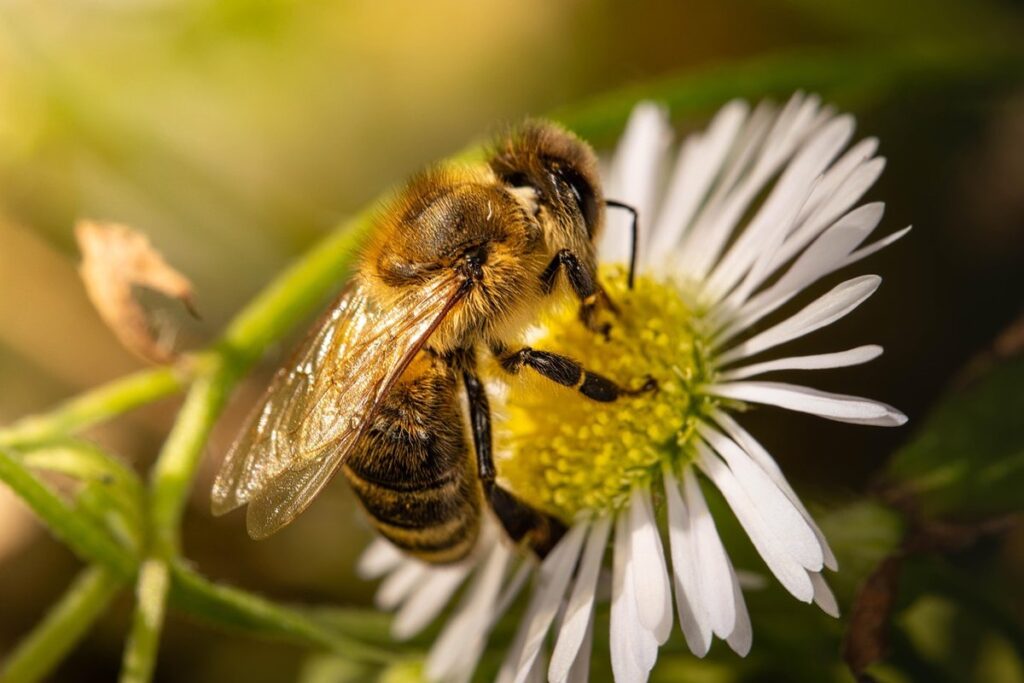
Understanding Bee Flower Preferences
When it comes to bees, their flower preferences play a crucial role in their survival. In this next part of our guide, we’ll explore what types of flowers are most appealing to these busy pollinators.
The Role of Nectar and Pollen in Attracting Bees
When it comes to attracting bees to flowers, two essential resources play a crucial role: nectar and pollen. As a bee’s primary source of energy and nutrients, these two components are vital for their survival.
Nectar, a sweet, energy-rich liquid secreted by plants, is a magnet for bees. It serves as a quick source of energy, enabling them to fuel their activities and fly back to their hives. Different flowers offer varying levels of nectar, with some being more attractive than others. For instance, sunflowers are renowned for their high nectar content, making them a favourite among bees.
Pollen, on the other hand, provides essential nutrients like protein, which is vital for bee growth and development. Flowers that produce an abundance of pollen, such as lavender and coneflowers, are often preferred by bees. It’s worth noting that some flowers may offer more nectar or pollen than others, so it’s essential to choose a diverse range of blooms in your garden to cater to the needs of these busy pollinators.
By incorporating plants with high nectar and pollen levels into your garden, you can create an attractive haven for bees, supporting their well-being and promoting healthy pollination.
Bee-Friendly Flower Characteristics
When it comes to attracting bees to your garden, it’s essential to understand what characteristics make certain flowers more attractive to these busy pollinators. Bees are drawn to flowers that have specific traits, including shape, size, color, and scent.
For instance, bees prefer flowers with a shallow, open shape, such as sunflowers or zinnias, which allow them easy access to nectar and pollen. Tubular flowers like honeysuckle and fuchsia are also popular among bees, but they often require more effort to access the nectar within.
In terms of color, bees are particularly attracted to yellow and blue hues, although some species are drawn to other colors as well. Sunflowers, daisies, and cosmos are excellent examples of bee-friendly flowers that feature these attractive colors. As for scent, bees use their sensitive sense of smell to locate flowers with strong fragrances, such as lavender and mint.
When selecting flowers for your garden, consider planting a mix of species that exhibit these characteristics. This will create a welcoming environment for local bee populations and support the pollination process in your garden.
The Top 10 Favourite Flowers of Bees
When it comes to bees, certain flowers just can’t be beat when it comes to attracting these busy pollinators. Let’s take a closer look at the top 10 favourites among our buzzing friends!
Sunflowers (Helianthus annuus) – A Bee Magnet
When it comes to sunflowers (Helianthus annuus), bees simply can’t get enough of them! As one of the top favourite flowers of bees, sunflowers offer a multitude of reasons why they’re an absolute magnet for pollinators.
First and foremost, their large size is a major draw. Sunflowers can grow up to 12 feet tall, making them visible from a distance and attracting bees and other pollinators from afar. This unique stature also allows them to be seen by bees flying long distances in search of nectar-rich flowers. In fact, research has shown that sunflowers are often the first port of call for bees after a long flight.
But it’s not just their size that makes sunflowers so appealing – their bright yellow petals and high nectar content also make them a bee’s dream come true! A single sunflower head can contain hundreds of tiny florets, each one packed with an abundance of sweet, energy-rich nectar. This is music to the ears (or rather, taste buds) of bees, who can drink in copious amounts of this valuable resource.
By planting sunflowers in your garden or community space, you’ll be creating a welcoming haven for local pollinators and supporting their well-being.
Lavender (Lavandula spp.) – A Scented Delight
Lavender (Lavandula spp.) is a scented delight for bees, offering an irresistible fragrance that draws them in. The strong, sweet aroma of lavender flowers is particularly appealing to pollinators, making it one of the most attractive options for bees.
The tubular shape of lavender flowers provides a perfect landing platform for bees. This unique structure allows them to easily access the nectar within, without having to struggle or expend too much energy. In fact, studies have shown that bees are more likely to visit flowers with long, narrow shapes like lavender, as they provide an efficient means of collecting nectar.
As you plant lavender in your garden, consider incorporating other bee-friendly flowers nearby. This will create a pollinator paradise, attracting a variety of species and encouraging them to stay for longer periods. By providing a diverse range of flowers that cater to different needs, you can help support the local bee population and promote a healthy ecosystem.
Flowering Plants That Support Local Bee Populations
When it comes to supporting our buzzing friends, choosing the right flowering plants is crucial. In this section, we’ll explore some of the top picks that local bee populations just can’t get enough of.
The Importance of Native Flowers in Supporting Ecosystem Health
When it comes to supporting local bee populations, native flowering plants play a crucial role. These flowers provide bees with the necessary food sources and habitats they need to thrive. Native flowers have co-evolved over time to produce nectar and pollen that is specifically adapted to the nutritional needs of local bee species.
Unfortunately, non-native plant invasions can lead to a loss of biodiversity in our ecosystems. When invasive plants outcompete native flowers for resources like water and sunlight, they can displace the very plants that bees rely on for food and shelter. For instance, in California’s Central Valley, the introduction of European thistles has been linked to declines in local bee populations.
To support your local bee population, consider planting a mix of native wildflowers in your garden or community space. Not only will this provide a much-needed source of food and habitat for bees, but it will also help preserve biodiversity in your area. Start by researching the native flowers that grow best in your region and incorporate them into your landscaping plan.
How Urban Gardens Can Contribute to Bee Conservation Efforts
Urban gardens can play a significant role in supporting local bee populations by incorporating strategies that mimic natural habitats. One key approach is to plant native flowers, which are specifically adapted to the local climate and soil conditions. This ensures that bees have access to nectar-rich flowers throughout their life cycle, from spring to autumn.
When selecting plants for your urban garden, consider a mix of annuals and perennials to provide a constant source of nectar. Incorporate plants with different bloom times to ensure a year-round supply of food. For example, plant native sunflowers (Helianthus annuus) in the spring and summer, while incorporating winter-flowering bulbs like snowdrops (Galanthus nivalis) for a late-winter nectar source.
Reducing pesticide use is also crucial in creating a bee-friendly environment. Instead of using chemical pesticides, adopt integrated pest management techniques that prioritize natural methods, such as introducing beneficial insects or using physical barriers to deter pests.
By incorporating these strategies into your urban garden design, you can create a haven for local bees and contribute to their conservation efforts. Not only will this support the local ecosystem, but it will also add beauty and vibrancy to your outdoor space.
Bee-Friendly Gardening Tips for Homeowners
To create a haven for these busy pollinators, consider incorporating bee-friendly plants into your garden design and learn how to maintain a welcoming space.
Choosing the Right Flowers for Your Garden
When choosing flowers for your garden, it’s essential to consider your local climate conditions and soil types. Bees are attracted to a variety of flowers that thrive in different regions and seasons. For instance, if you live in a temperate region with mild winters, lavender and coneflowers are excellent choices as they bloom from spring to summer.
If you reside in an area with hot summers and cold winters, consider plants like sunflowers and cosmos that can tolerate high temperatures and drought. In regions with mild winters, such as the Mediterranean or California, look for flowers like rosemary and zinnias that bloom throughout the year.
When selecting flowers, remember to choose a mix of annuals and perennials to ensure a constant source of nectar and pollen for bees. Also, consider the flower’s color, shape, and size to attract different species of bees. For example, blue and purple flowers are particularly attractive to bumblebees, while yellow and white flowers tend to draw honeybees.
Consider your soil type as well – if you have clay or sandy soil, choose plants that can thrive in those conditions. This will help ensure that the flowers bloom vibrantly and provide a reliable food source for bees.
Maintaining a Diverse Flowering Garden Throughout the Year
Maintaining a diverse flowering garden throughout the year is crucial for supporting local bee populations. Bees rely on nectar-rich flowers to survive, and by providing a mix of annuals and perennials that bloom at different times, you can create a constant source of food for them.
A good rule of thumb is to choose a mix of plants that provide nectar and pollen throughout the growing season. For example, in spring, consider planting bulbs like crocuses or grape hyacinths that produce early-season blooms rich in nectar. Summer months are perfect for annuals like sunflowers, zinnias, and cosmos, which are magnets for bees seeking out water sources.
To further support local bee populations, incorporate a mix of herbaceous perennials like coneflowers, black-eyed Susans, and butterfly bush into your garden design. These plants provide structure and bloom at different times of the growing season, extending the nectar supply for bees well into autumn. By choosing plants with varying growth habits, bloom times, and flower forms, you’ll create a diverse and welcoming space for bees to thrive throughout the year.
The Connection Between Bees and Ecosystem Health
Bees play a vital role in maintaining ecosystem health, pollinating flowers and plants that rely on them to reproduce. In this connection, we’ll explore how bees influence the delicate balance of our environment.
The Role of Bees in Pollinating Food Crops
Bees play a vital role in pollinating food crops, and their importance cannot be overstated. In fact, one-third of the food we eat is directly or indirectly dependent on bee pollination. This means that without bees, many of our favorite fruits, vegetables, and nuts would disappear from our plates. For example, almonds, apples, blueberries, avocados, and pumpkins are all heavily reliant on bee pollination.
The numbers are staggering: bees contribute to the production of over 75% of the world’s crop species, including coffee, cocoa, and many types of fruits and vegetables. In the United States alone, it’s estimated that bees pollinate around $20 billion worth of crops each year. This makes them a crucial component of global food security.
So, what can we do to support these vital pollinators? By planting bee-friendly flowers in our gardens and communities, we can provide a source of nectar and pollen for bees to fuel their busy lives. Some popular choices include sunflowers, zinnias, and lavender – all of which are favorites among bees.
How Loss of Bee Populations Affects Human Society
The decline of bee populations has severe consequences that reach far beyond the ecosystem itself. As bees are responsible for pollinating a significant portion of the world’s crops, their loss can lead to reduced crop yields and increased costs for food production. This can result in higher prices at the grocery store, making it more difficult for people to access nutritious food.
Furthermore, the loss of biodiversity due to declining bee populations can have long-term effects on the environment. Without bees to pollinate flowers and crops, many plant species will struggle to reproduce, leading to a decline in genetic diversity. This can ultimately result in decreased food quality and reduced availability of certain fruits and vegetables.
As individuals, there are steps we can take to mitigate this issue. By planting bee-friendly flowers in our gardens and communities, we can provide essential resources for struggling populations. Additionally, supporting local farmers who use sustainable practices and source from nearby pollinator habitats can help ensure the long-term health of both ecosystems and human societies.
Creating a Bee-Friendly Community Through Education and Action
As bee enthusiasts, we not only want to know what flowers our beloved bees adore but also how we can work together to create thriving bee-friendly communities through education and action. By learning from each other’s experiences, we can make a real difference for these vital pollinators!
Raising Awareness About the Importance of Bee Conservation
Raising awareness about the importance of bee conservation is crucial for preserving these vital pollinators. To inspire change within local communities, public education campaigns and school programs can be highly effective. A great starting point is to organize community events such as festivals or fairs that focus on bee conservation.
These events can feature interactive workshops, where attendees learn about the essential role bees play in pollination, and how their actions at home can impact local bee populations. Partnering with local schools allows for a targeted approach, engaging students who are eager to make a difference.
Consider implementing a “Bee City” initiative, which encourages residents to adopt bee-friendly practices in their daily lives. This could include creating bee hotels, planting pollinator-friendly flowers, and reducing pesticide use. By working together, community members can create a safe haven for bees, fostering a culture of conservation and appreciation for these incredible creatures.
You can also involve local artists, who can design public art installations that highlight the importance of bee conservation. This creative approach can help raise awareness among a wider audience, making it easier to rally support for bee-friendly initiatives within your community.
Collaborative Efforts to Protect Local Bee Populations
As we explore the fascinating world of bees and their favorite flowers, it’s essential to acknowledge the vital role local bee populations play in maintaining our ecosystem. To ensure these precious pollinators thrive, collaborative efforts between local governments, community groups, and individual homeowners are crucial.
By working together, communities can create pollinator-friendly environments that support bee populations. For instance, local governments can implement policies promoting pollinator-friendly plantings in public spaces, such as parks and gardens. Community groups can organize events like bee hotel building workshops or host garden tours showcasing bee-friendly flowers. Individual homeowners can make a significant impact by converting their lawns into bee-friendly habitats by planting native wildflowers and herbs.
Reducing pesticide use is another critical step in protecting local bees. Homeowners can opt for organic gardening methods, and community groups can advocate for pesticide-free policies in their neighborhoods. Local governments can support these efforts by providing resources and incentives for residents to adopt eco-friendly practices. By combining our efforts, we can create a network of bee-friendly habitats that not only attract pollinators but also foster a sense of community and environmental stewardship.
Frequently Asked Questions
How can I create a bee-friendly garden on a small budget?
Start by identifying native flowers that attract bees, which are often less expensive than exotic varieties. Consider repurposing containers or using seeds from your existing plants to reduce waste and save money.
What if I live in an area with poor soil quality? Can I still grow bee-friendly flowers?
Yes! Many bee-friendly flowers thrive in poor soil conditions. Choose species like lavender, coneflower, or black-eyed Susan, which are adaptable to various soil types.
How can I ensure my garden remains diverse throughout the year?
To maintain a diverse flowering garden, plant a mix of annuals and perennials with different blooming periods. Incorporate native flowers that bloom at different times to provide a constant source of nectar for bees.
Are there any specific considerations for urban gardeners looking to support local bee populations?
Yes! Urban gardens can play a crucial role in supporting local bee populations. Choose compact or dwarf varieties of bee-friendly flowers, and consider using vertical gardening techniques to maximize space.
Can I use pesticides in my bee-friendly garden? How will it affect the bees?
No! Pesticides are a significant threat to bee populations. To protect your bees, opt for organic gardening methods, such as hand-picking pests or using natural deterrents like neem oil or garlic spray.