
Flies are notorious for their ability to ruin even the most perfect meal, but did you know that they have a weakness? Basil, that sweet-smelling herb we all love, holds a special allure for these pesky insects. But why do flies go crazy for basil’s scent and taste? It turns out that this fragrant favorite of ours is not only delicious to us but also packed with nutritional value that flies can’t resist. Unfortunately, their affinity for basil often leads to damage in gardens and homes, which is why learning how to manage fly populations and prevent infestations has become a priority for many gardeners and homeowners. In this article, we’ll delve into the fascinating relationship between flies and basil, sharing tips on how to keep these unwanted visitors at bay while attracting beneficial insects that will maintain a balance in your outdoor space.
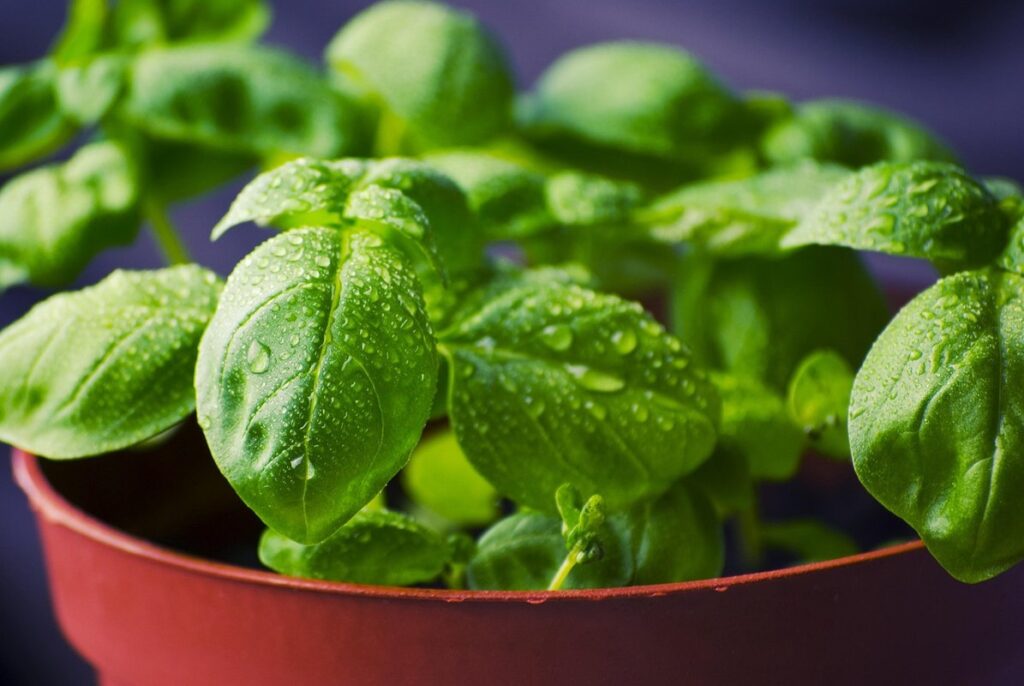
Understanding the Basics: What Attracts Flies to Basil?
When it comes to basil, you might wonder why these pesky insects are always hovering around your prized herb – and what makes them so drawn to its sweet fragrance.
Why Do Flies Like Basil So Much?
Flies have an incredible affinity for basil, and it’s not just because of its pleasant aroma. While we often attribute their attraction to the herb’s scent, there are several other reasons why flies can’t resist basil.
Firstly, let’s talk about taste. Flies have a highly developed sense of smell, but they also have tiny hairs on their feet that detect chemical signals in food. Basil contains sugars and amino acids, which are essential nutrients for flies. When they land on the herb, these chemicals bind to receptors on their feet, signaling to them that it’s a nutritious source of energy.
Moreover, basil is rich in volatile compounds, such as linalool and eugenol, which give it its distinctive flavor and aroma. Flies can detect these compounds through their sensitive antennae, making them drawn to the herb like moths to a flame.
In practical terms, this means that if you’re trying to get rid of flies around your basil plants, removing the source of these attractants is key. Covering the soil with fine mesh or using physical barriers can help deter them from landing on the herb in the first place.
The Science Behind Fly-Basil Attraction
When it comes to understanding why flies are drawn to basil, we must first look at the science behind fly behavior. Flies are primarily attracted to basil due to its volatile organic compounds (VOCs), which are released through tiny openings on the plant’s leaves and stems. These VOCs serve as a chemical signal that informs flies of the presence of food.
Specifically, flies are drawn to linalool, a compound found in basil, which is also present in other fragrant herbs like rosemary and lavender. Linalool has been shown to have a distinct effect on fly behavior, influencing their movement and feeding patterns.
Research has demonstrated that the combination of linalool and other VOCs in basil creates an “olfactory fingerprint” that flies use to navigate and locate potential food sources. By understanding this entomological aspect of fly behavior, gardeners can take steps to attract beneficial pollinators or deter pests by manipulating their environment.
In fact, studies have shown that simply placing a few sprigs of basil near fruit or vegetable plants can help reduce the presence of flies in the area due to its ability to mask other VOCs associated with ripe or decaying food.
Common Misconceptions About Flies and Basil
One of the most common misconceptions about flies and basil is that basil itself attracts flies. While it’s true that some fly species are drawn to the scent and taste of basil, this is not entirely accurate. In reality, it’s often what we do with our basil plants that invites flies into our gardens. For instance, many people water their basil plants in the evening, creating a perfect environment for flies to lay eggs on the moist leaves. This moisture also triggers the release of CO2, which attracts flies.
Another myth is that certain types of basil are fly-resistant due to their specific scent profiles or essential oils. While some basil varieties may be more resistant than others, there’s no conclusive evidence to support the idea that a particular type of basil can completely repel flies. Instead of relying on specific basil varieties, it’s more effective to focus on good gardening practices, such as pruning plants regularly and removing any overripe or damaged leaves, which tend to attract pests.
By understanding these misconceptions and adopting practical strategies, you can enjoy your basil harvest without the nuisance of flies.
The Impact on Plant Health: How Flies Affect Basil
For basil growers, understanding how flies affect their plants is crucial to maintaining a healthy crop. Let’s explore the impact of these pesky insects on your prized basil plants.
Fly-Borne Diseases and Pests That Target Basil
When flies interact with basil, they can inadvertently transfer various diseases and pests to the plant. One of the primary concerns is aphids, which are small, soft-bodied insects that feed on plant sap. These pesky creatures can be transmitted to basil through fly vectors, causing curled or distorted leaves, stunted growth, and reduced yields.
Another significant issue is the spread of fungal spores. Flies can pick up these microscopic particles from contaminated soil, water, or other plants and deposit them onto basil leaves during feeding or landing. This can lead to a range of diseases, including powdery mildew, leaf spot, and root rot.
Some common fly-borne pests that target basil include the greenfly (also known as the aphid), thrips, whiteflies, and fungus gnats. To prevent these issues, gardeners should maintain good hygiene practices, such as regularly cleaning tools and surfaces, disposing of infected plant material, and using physical barriers to keep flies away from the plants.
Additionally, incorporating beneficial insects like ladybugs or lacewings into your garden ecosystem can help control aphid populations and reduce the reliance on chemical pesticides. By being aware of these potential threats and taking proactive steps, you can minimize the impact of fly-borne diseases and pests on your basil crop.
Damage Caused by Flies Feeding on Basil
When flies feed on basil leaves, they don’t just suck out the plant’s nutrients; they also cause physical damage that can weaken the plant’s overall health. The mouthparts of flies are adapted to pierce and suck plant sap, which leads to small holes or tears on the surface of the leaves.
As a result, these damaged areas become vulnerable to disease and pests, making it easier for secondary infections to take hold. Moreover, the fly’s saliva can also introduce bacteria into the plant, further compromising its health. If left unchecked, this damage can lead to a gradual decline in basil’s vigor and productivity.
In severe cases, extensive feeding by flies can cause the leaves to wilt or turn yellow, ultimately affecting the plant’s ability to produce essential oils and flavor compounds. To mitigate this issue, it’s crucial for gardeners to regularly inspect their plants and remove any fly-infested areas promptly. This can help prevent the spread of disease and give basil a better chance to recover.
Natural Methods for Controlling Fly Populations Around Basil
When it comes to basil, those pesky flies can be a real nuisance. But don’t worry, we’ve got you covered with some eco-friendly methods for managing fly populations and preventing damage to your prized basil plants.
One of the most effective natural methods is to use neem oil. This plant-based solution works by interrupting the fly’s life cycle, preventing them from reproducing. Simply mix neem oil with water and spray it directly on the affected areas or around the perimeter of your garden bed. This method not only controls fly populations but also repels other pests that might be attracted to your basil.
Another natural approach is to use essential oils like peppermint, lemongrass, or citronella. These oils have a strong scent that flies detest and can help keep them at bay. You can add a few drops of these oils to a spray bottle filled with water and mist it over your basil plants. This method not only controls fly populations but also adds a pleasant aroma to your garden.
Some other tips for managing fly populations around your basil include:
* Keeping your garden beds free from debris and weeds, which can attract flies
* Avoiding strong-smelling pesticides that can harm beneficial insects
* Planting companion herbs like mint or lemongrass near your basil plants
* Using sticky traps or yellow traps to capture adult flies
By implementing these eco-friendly methods, you can keep those pesky flies under control and enjoy a healthy and thriving basil crop.
Benefits of Attracting Beneficial Insects: A Balance with Flies
By attracting beneficial insects, you can create a harmonious balance between pest control and the health of your basil plants, which is especially important when it comes to flies.
The Role of Parasitic Wasps in Regulating Fly Populations
Parasitic wasps play a crucial role in regulating fly populations, which can be beneficial for basil crops. These tiny predators are natural-born hunters that feed on fly larvae, thereby reducing the number of adult flies. In return, this reduction helps to minimize the spread of diseases associated with flies, such as fruit fly-borne bacteria and fungi.
In a garden setting, attracting parasitic wasps can be achieved by planting flowers rich in nectar, like lavender or marigold, which serve as a food source for these beneficial insects. By creating an environment conducive to parasitic wasp populations, you can encourage them to visit your basil crop more frequently. This can lead to a decrease in fly infestations and subsequently, less damage to the plant.
Some species of parasitic wasps, such as the Trichogramma wasp, are specifically known for their ability to target fly eggs and larvae. By introducing these beneficial insects into your garden ecosystem, you may find that your basil plants are more resilient to fly attacks. As a gardener, understanding the role of parasitic wasps in controlling fly populations can help you adopt a more holistic approach to pest management.
Other Beneficial Insects That Coexist with Flies on Basil
In addition to attracting beneficial insects that prey on aphids, such as lacewings and ladybugs, there are other beneficial insects that can coexist with flies on basil plants. One of the most notable examples is hoverflies. These delicate-looking insects, also known as flower flies, are actually voracious predators of aphids and other small pests. They lay their eggs near aphid colonies, ensuring that when their larvae hatch, they will have a constant food supply.
Ladybugs, lacewings, and hoverflies can all be attracted to basil by incorporating plants that provide nectar and pollen into your garden. Consider adding marigolds or sunflowers to your space, as these flowers are rich in the nutrients these beneficial insects need to thrive. By coexisting with flies on basil, you’re creating a balanced ecosystem that promotes healthy plant growth while minimizing pest damage.
To encourage the presence of these beneficial insects, make sure to maintain good garden hygiene and avoid using pesticides, which can harm or kill them. Instead, adopt integrated pest management strategies that prioritize attracting beneficial insects and promoting natural balance in your garden.
Tips for Encouraging a Balance of Beneficial Insects Around Basil
When cultivating basil, it’s essential to strike a balance between attracting beneficial insects that promote plant health and avoiding those that can be pests. Beneficial insects like hoverflies, lacewings, and parasitic wasps are natural predators of aphids, whiteflies, and other pests that target basil. To encourage these helpful insects around your basil plants, try the following:
* Plant a diverse range of flowers that attract beneficial insects, such as marigolds, cosmos, or zinnias, near your basil beds.
* Incorporate herbs like dill, fennel, or parsley, which are known to attract beneficial wasps and other pollinators.
* Avoid using broad-spectrum pesticides, which can harm or repel beneficial insects. Instead, opt for targeted organic pest control methods that minimize damage to non-target species.
* Create a sunny spot with shallow water and rocks for beneficial insects to lay eggs and hunt for pests. This will also provide them with a vital source of protein.
* Don’t over-prune your basil plants; allow some areas to remain unpruned, as these can serve as sheltered spots for beneficial insects.
By implementing these strategies, you’ll create an inviting environment for beneficial insects to thrive around your basil plants.
Fly-Basil Interaction in Different Environments: Climate, Season, and Cultivation
As you explore the fascinating relationship between flies and basil, let’s delve into how different environmental factors influence their interaction, from scorching heat to frosty winters.
How Climate and Temperature Affect Fly Activity Around Basil
When it comes to fly-basil interactions, climate and temperature play a significant role. Different temperatures can influence the rate at which flies are attracted to basil, as well as their behavior once they’re present. In warmer climates, where temperatures often soar above 75°F (24°C), flies are more likely to congregate around basil plants in search of food and shelter.
As temperatures fluctuate, so does fly activity. For instance, a study on the Mediterranean fruit fly found that these pests were most active during the warmest part of the day. Similarly, when temperature drops below 50°F (10°C), fly activity significantly decreases, making it an ideal time to monitor for infestations.
Basil farmers in temperate regions often report increased fly activity during periods of sudden warmth or heatwaves. This is because flies are drawn to the plant’s volatile organic compounds (VOCs) which are released more readily under warmer conditions. To minimize fly-basil interactions, consider planting basil in cooler seasons or using row covers to regulate temperature and reduce VOC emissions.
Effects of Seasonal Changes on Fly Populations and Basil Growth
As we explore the fascinating relationship between flies and basil, it’s essential to consider the impact of seasonal changes on both fly populations and basil growth. In temperate climates, the arrival of spring signals a significant increase in fly activity. As temperatures rise and humidity increases, flies such as fruit flies (Drosophila spp.) and hoverflies (Syrphidae) become more active, seeking out sweet-smelling basil plants to lay their eggs.
This seasonal shift can be detrimental to basil growth, as the increased fly activity leads to damage from egg-laying and larval feeding. However, some farmers have learned to harness this phenomenon by exploiting the flies’ attraction to basil. By introducing beneficial insect species that prey on the pests or using integrated pest management techniques, gardeners can mitigate the negative effects of seasonal changes.
As summer temperatures peak, fly populations surge, but so does basil growth. With proper care and pruning, basil plants can thrive in these conditions. In regions with mild winters, basil may grow year-round, providing a continuous source of flies and creating an environment ripe for beneficial insect interactions.
Cultivation Methods That Minimize Fly Attraction to Basil
When growing basil, it’s essential to employ cultivation methods that minimize fly attraction. Flies are drawn to strong fragrances and sweet nectars produced by the plant. To reduce their interest, try these techniques:
* Prune your basil plants regularly to encourage bushy growth and prevent them from flowering. Flowering basil is a magnet for flies, as they’re attracted to its nectar-rich blooms.
* Use neem oil or insecticidal soap on your plants to deter pests without harming beneficial insects.
* Plant basil near herbs with strong scents that repel flies, such as mint, lemongrass, or citronella. This can help mask the aroma of your basil and reduce fly attraction.
* Grow basil in containers indoors, where flies are less likely to be present.
* Consider using a trellis or other support system to keep your basil plants upright and encourage air circulation around them.
These simple methods can significantly reduce fly activity around your basil plants. By minimizing the plant’s attractiveness to flies, you’ll be able to enjoy its fragrance and flavor without the nuisance of pests.
Preventive Measures: Protecting Your Basil from Flies
To keep those pesky flies at bay, let’s explore some practical ways to prevent them from ruining your perfectly grown basil plants. We’ll dive into simple yet effective measures to protect your crop.
Physical Barriers and Traps for Capturing Flies Around Basil
When it comes to protecting your basil from flies, using physical barriers and traps can be an effective way to contain fly populations. One creative solution is to cover your plants with fine mesh or netting. This will allow air and water to reach the leaves while keeping those pesky flies out. You can find these covers at most gardening stores or online.
Another option is to use sticky traps or yellow traps, which are designed specifically for capturing flies. These traps work because flies are attracted to the color yellow and the sticky surface, making it difficult for them to escape. Place these traps near your basil plants, but be sure not to disturb the plants while doing so.
You can also try using a combination of both physical barriers and traps to create a fly-free zone around your basil. For example, you could cover your plants with mesh and place sticky traps nearby. This approach will help to capture any stray flies that might make it past your initial barrier.
Essential Oils and Herbs That Repel Flies from Basil
When it comes to keeping those pesky flies at bay around your basil plants, you don’t have to rely solely on chemical-based pesticides. Instead, you can turn to the natural world for help. Certain essential oils and herbs have proven to be effective fly repellents that won’t harm your plants or the environment.
Citronella oil is one of these natural wonders. Derived from a type of grass native to Asia, citronella oil has a strong citrus scent that flies detest. Mix a few drops with water and spray it around your basil plants to keep those pesky insects away. Lemongrass oil is another effective option, boasting a fresh and zesty aroma that’s unpleasant for flies.
Mint leaves are also an excellent natural repellent for flies, as the strong menthol content in them deters flies from approaching your basil plants. You can rub crushed mint leaves on the soil or mix some into water to create a spray. Remember to reapply these natural fly repellents regularly, especially after rain showers when their effectiveness may be reduced.
Integrated Pest Management Strategies for Fly-Basil Control
When it comes to managing fly populations around basil plants, Integrated Pest Management (IPM) strategies are crucial for long-term success. IPM involves combining multiple techniques to manage pests in a holistic way, reducing the reliance on chemical pesticides that can harm beneficial insects and contaminate soil.
To implement effective IPM strategies for fly-basil control, start by conducting regular monitoring of your basil plants and surrounding areas. Identify any fly-attracting features, such as standing water or decaying organic matter, and eliminate them to reduce fly populations. Use physical barriers like fine-mesh screens or row covers to prevent flies from reaching the plants.
Organic pesticides like pyrethrin sprays or neem oil can be used in conjunction with these methods for targeted control. However, it’s essential to follow label instructions carefully and take into account any potential impacts on beneficial insects. By adopting an IPM approach, you can create a more balanced ecosystem that minimizes harm to both basil plants and beneficial fly populations.
Conclusion: Finding Harmony Between Flies and Basil
As you’ve explored the intriguing dynamic between flies and basil, it’s time to reflect on how to strike a balance between these two seemingly disparate entities. Let’s distill our findings into practical takeaways.
Recap of Key Takeaways on the Fly-Basil Relationship
As we conclude our exploration of the intricate relationship between flies and basil, it’s essential to recap the key takeaways that will help you better understand this dynamic.
In previous sections, we discussed how certain fly species are naturally attracted to the sweet, floral scent of basil. This attraction is not just a coincidence; it serves as an essential part of the plants’ survival strategy. By luring pollinators like flies, basil can ensure successful reproduction and seed dispersal.
However, this relationship also raises concerns for gardeners and farmers seeking to protect their crops from unwanted pests. To strike a balance between utilizing the benefits of fly-basil relationships and minimizing damage, consider incorporating natural deterrents such as citronella or lemongrass into your garden.
Moreover, we learned that not all flies are created equal; some species are beneficial, while others can be devastating to basil crops. By identifying the types of flies present in your garden, you can tailor your approach to either coexist with them or implement targeted control measures.
In conclusion, embracing the complex interplay between flies and basil requires a nuanced understanding of their interactions. By acknowledging these dynamics and implementing practical strategies, you can find harmony in this fascinating relationship.
Practical Advice for Gardeners and Farmers Working with Basil
As gardeners and farmers working with basil, it’s essential to adopt strategies that promote healthy plant growth while minimizing unwanted fly populations. One key approach is to cultivate a balanced ecosystem in your garden or farm. This can be achieved by incorporating beneficial insects such as ladybugs, lacewings, and parasitic wasps that prey on aphids and other pests that often attract flies.
To reduce the likelihood of attracting flies, ensure you maintain good hygiene practices, including regular pruning and harvesting of basil leaves to prevent over-ripening. Regularly inspect your plants for signs of infestation and take prompt action if you notice any issues.
Some additional tips include planting basil in a location with well-draining soil and adequate air circulation, as flies are often attracted to moist environments. By implementing these measures, you can create an environment that fosters healthy plant growth while minimizing the presence of unwanted fly populations.
Frequently Asked Questions
Can I use basil essential oil to repel flies from my garden?
Yes, basil essential oil is a natural deterrent for flies. You can mix a few drops of it with water and spray the solution around your plants or directly on the leaves. However, keep in mind that essential oils might not be as effective as other methods mentioned in this article, such as using parasitic wasps to control fly populations.
How long does it take for beneficial insects like parasitic wasps to regulate fly populations?
The time it takes for parasitic wasps to effectively regulate fly populations can vary depending on several factors, including the size of your garden and the population density of both flies and wasps. Generally, you may start seeing a decrease in fly activity within 2-4 weeks after introducing beneficial insects.
What are some signs that flies have infested your basil plant, other than physical damage?
Some common signs of fly infestation include yellowing or wilting leaves, as well as reduced growth rates due to the constant feeding and defoliation by flies. Additionally, you might notice an increase in fly activity around the plant during peak hours.
Are there any specific fly-borne diseases that target basil plants?
Yes, some common fly-borne diseases that target basil include aphid-borne diseases such as bacterial leaf spot and powdery mildew, which can weaken the plant’s immune system. It’s essential to maintain a balanced ecosystem in your garden by introducing beneficial insects that prey on these pests.
Can I use traps alone to control fly populations around my basil plants?
While physical barriers and traps can be an effective part of integrated pest management strategies for controlling flies, relying solely on traps may not provide long-term results. Flies have a tendency to adapt and find ways to bypass such barriers. It’s essential to combine trap methods with other natural deterrents, like parasitic wasps or beneficial insects.