
As you step into your garden or even just look out the window, have you ever stopped to think about who is benefiting from all that blooming beauty? Probably not, but chances are those busy bees flying from flower to flower are hard at work making your garden a healthier place. Planting for bees is more than just a cute idea – it’s essential for supporting our ecosystem and preserving pollinators like bees. By creating a bee-friendly garden, you’re not only helping these vital creatures thrive but also contributing to the health of your community. In this article, we’ll share easy tips, must-have plants, and design ideas to get you started on your journey to becoming a bee-friendly gardener – whether you’re a seasoned pro or just starting out, there’s something for everyone!
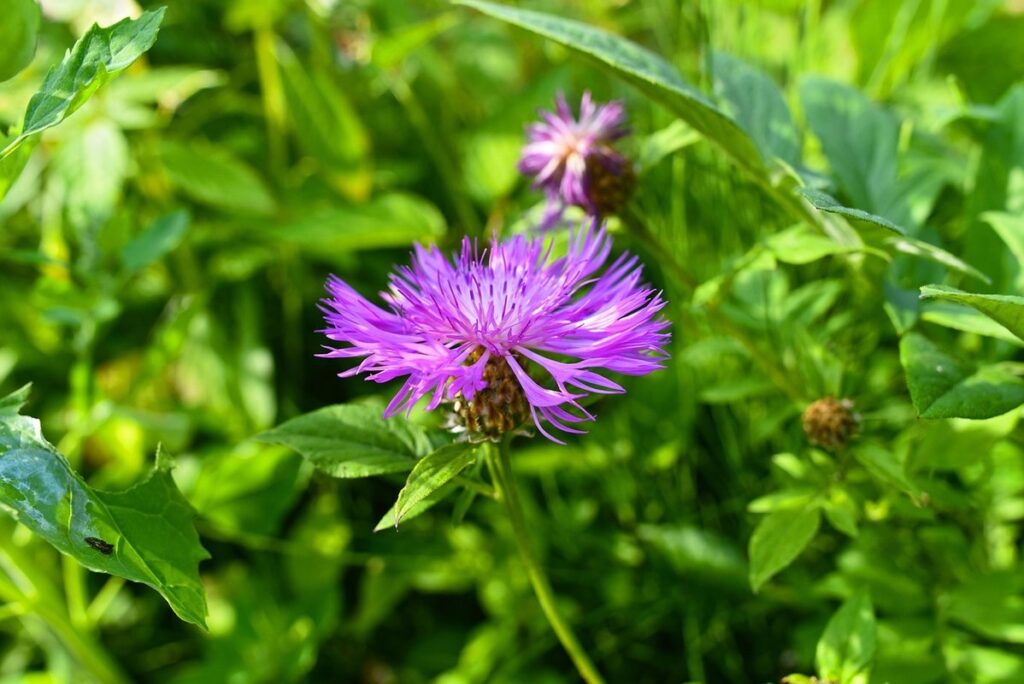
Understanding the Importance of Pollinators
Bees play a vital role in our ecosystem, pollinating plants and crops that we rely on for food. In this section, we’ll explore why pollinators are so essential to our environment.
The Role of Bees in Ecosystem Health
Bees play a vital role as pollinators, and their impact on ecosystem health cannot be overstated. As they move from flower to flower collecting nectar and pollen, bees transfer pollen, facilitating the reproduction of countless plant species. This process not only ensures the continued existence of these plants but also has a significant impact on food production. In fact, it’s estimated that one-third of all crops globally rely on bee pollination to some extent. Without bees, many popular fruits and vegetables like apples, blueberries, and tomatoes would disappear from our plates.
The importance of bees extends beyond the realm of food production. They are also a key driver of biodiversity, contributing to the health and resilience of ecosystems through their interactions with other plants and animals. By supporting bee populations, we can help maintain ecosystem balance and promote the overall well-being of our natural environments.
The Threats Facing Bee Populations
Bee populations are facing numerous threats that have significant implications for our ecosystem and food supply. One of the main concerns is habitat loss due to urbanization and intensive farming practices. As natural habitats like meadows and forests shrink, bees struggle to find the flowers they need to feed on and nest in.
Pesticide use is another major threat, as many commonly used pesticides have been linked to bee deaths. Neonicotinoids, a popular class of insecticides, have been shown to impair bees’ navigation skills and memory, making it harder for them to find food and shelter.
Climate change also plays a significant role in the decline of bee populations. Rising temperatures alter the timing of plant-pollinator interactions, causing mismatches between bees and the flowers they rely on. This can lead to reduced pollination rates and lower crop yields.
In addition to these environmental factors, diseases like Varroa mite infestations and Nosema fungal infections are also affecting bee populations worldwide. To create a bee-friendly garden, it’s essential to be aware of these threats and take steps to mitigate them by choosing plants that are resistant to pests and diseases, reducing pesticide use, and providing a diverse range of flowers throughout the growing season.
Choosing the Right Plants for Bees
When selecting plants for your bee-friendly garden, it’s essential to choose varieties that provide a constant nectar flow and cater to the different needs of these busy pollinators.
Attracting Native Bees with Nectar-Rich Flowers
When it comes to creating a bee-friendly garden, using native plants that are rich in nectar is crucial for attracting local bee species. Native bees are highly specific about the flowers they visit, and their preferred nectar sources vary depending on the region.
For example, in North America, the Eastern Bumblebee (Bombus impatiens) is attracted to flowers with high nectar production like Black-eyed Susan (Rudbeckia hirta), Blazing Star (Liatris spp.), and Butterfly Weed (Asclepias tuberosa). In contrast, the Western Bumblebee (Bombus occidentalis) favors flowers like California Poppy (Eschscholzia californica), Lupine (Lupinus spp.), and Sunflower (Helianthus annuus).
To create a nectar-rich haven for native bees in your garden, choose plants that are native to your region and have an abundance of nectar-producing flowers. Consider the growing conditions required by each plant, such as full sun or partial shade, and well-drained soil. By selecting the right native plants for your climate and providing optimal growing conditions, you’ll be creating a welcoming space for local bees to thrive.
Incorporating a Variety of Plant Types
When it comes to creating a bee-friendly garden, incorporating a variety of plant types is essential for providing bees with the nectar and pollen they need to thrive. By including herbs, shrubs, and trees in your garden design, you can offer bees a diverse range of food sources throughout the growing season.
Herbs like lavender, rosemary, and thyme are not only fragrant and attractive but also rich in nectar and pollen. They’re perfect for planting alongside vegetables or flowers to create a pollinator-friendly companion planting system. Shrubs like butterfly bushes and hydrangeas provide shelter and nesting sites for bees, while trees like apple and cherry offer both food and habitat.
To incorporate these plant types into your garden, start by assessing the soil and climate conditions in your area. Choose plants that are well-suited to your local environment, and consider using a mix of native and non-native species to create a diverse ecosystem. Plant a variety of flowers at different heights and bloom times to provide a constant source of nectar for bees throughout the growing season.
This diversity will not only benefit bees but also add beauty and interest to your garden, making it a haven for pollinators and wildlife.
Plant Selection for Different Regions and Seasons
When creating a bee-friendly garden, it’s essential to consider the types of plants that thrive in your specific region and season, as they’ll provide the best support for local pollinators. This section will guide you through plant selection based on your location.
Spring-Blooming Plants for Early Season Pollination
As spring arrives, many regions experience a temporary lull in nectar-rich flowers. To support early-season pollination, incorporate these essential spring-blooming plants into your bee-friendly garden.
Consider regional favorites like crocuses (Crocus spp.) and winter aconite (Eranthis hyemalis) for temperate climates. In warmer zones, consider planting Mexican hat (Ratibida columnifera), California poppy (Eschscholzia californica), or desert marigold (Baileya multiradiata). These flowers provide a vital source of nectar and pollen during the brief spring window.
Some key characteristics to look for in early-season bloomers include:
* Long-blooming periods: Plants that maintain their flowers for several weeks are essential during this time
* Low-maintenance requirements: Bees appreciate ease of access, so choose plants with minimal care needs
* Adaptability to local conditions: Select species that thrive in your region’s climate and soil type
Incorporating these plants into your bee-friendly garden will provide a vital boost to early-season pollination. Remember to also consider the overall structure of your garden, ensuring easy access for bees by incorporating diverse plant heights, bloom times, and colors.
Summer and Fall Plants for Extended Pollination
As summer and fall approach, many of us assume that our bee-friendly gardens are done for the season. However, this couldn’t be further from the truth. Extending the pollination season is crucial to ensure a steady supply of nectar and pollen throughout these months, which in turn supports the health and well-being of our beloved bees.
In regions with mild winters, such as California or Florida, summer blooms like sunflowers (Helianthus annuus), zinnias (Zinnia spp.), and cosmos (Cosmos bipinnatus) can provide a vibrant display of color and an abundance of nectar for bees from June to September. In areas with cooler summers, consider plants like black-eyed Susans (Rudbeckia hirta) or goldenrod (Solidago spp.), which offer a rich source of pollen in July and August.
For fall, plants like asters (Aster spp.) and chrysanthemums (Chrysanthemum spp.) are excellent choices for extending the pollination season. These flowers bloom from September to November and provide essential nectar and pollen resources as winter approaches. In areas with shorter growing seasons, choose plants that mature quickly, such as marigolds (Calendula officinalis) or snapdragons (Antirrhinum majus).
Designing and Maintaining a Bee-Friendly Garden
Now that you’ve selected the perfect bee-friendly plants, let’s dive into designing and maintaining a garden that will keep your pollinator friends coming back for more. This section covers essential tips to create a thriving haven for bees.
Creating a Bee Hotel or Habitat
Providing bee habitats is just as crucial as planting a variety of flowers that attract bees. These tiny creatures play a vital role in pollination, and by creating a welcoming environment for them, you can support their populations and contribute to the health of your local ecosystem.
Bee hotels or insect houses are an excellent way to provide shelter for solitary bees, which don’t live in colonies like honeybees do. A single bee hotel can be home to up to 10 different species of solitary bees! To create a bee hotel, you’ll need to gather materials such as bamboo tubes, wooden blocks, or hollow reeds. Drill some holes in them at varying depths to cater to the different needs of the various bee species.
Position your bee hotel in an area with plenty of sunlight and ideally near a water source. This will help attract bees and keep them hydrated throughout their stay. You can also consider adding other beneficial features, such as a mud pile for solitary bees to use when building their nests. By providing these habitats, you’ll be making a significant contribution to the well-being of your local bee population.
Water Features for Bees and Other Pollinators
Water features are a crucial element in attracting pollinators like bees to your garden. Not only do they provide a source of drinking water, but also a place for them to cool off and regulate their body temperature during hot summer days. A well-designed water feature can increase the biodiversity of your garden, making it more attractive to a variety of bee species.
When designing a water feature, consider including shallow dishes or birdbaths with fresh water and a few rocks or twigs for bees to land on while drinking. Changing the water frequently will help prevent mosquito breeding and keep the area clean. You can also add a small fountain or mister to create movement and oxygenation in the water.
A study by the Royal Horticultural Society found that gardens with water features had 25% more pollinators than those without. By incorporating a water feature into your bee-friendly garden, you’ll be providing a vital resource for these essential pollinators and supporting their health throughout the growing season.
Tips for Beginners and Advanced Gardeners Alike
Whether you’re a seasoned gardener or just starting out, this section offers practical advice on creating bee-friendly habitats that are tailored to your skill level. From simple plant combinations to expert-level tips, we’ve got you covered.
Starting Small: Beginning with a Bee-Friendly Container Garden
Creating a bee-friendly garden is more accessible than you think, even with limited space or resources. One of the simplest and most effective ways to start is by using container gardens. These can be placed on balconies, patios, or rooftops, making it easy to bring bees into your urban or suburban oasis.
Choose containers that are at least 5-gallons in size to provide enough room for the roots of your plants to grow. Make sure they have drainage holes to prevent waterlogged soil. Select a mix of plants that provide a constant source of nectar and pollen throughout the growing season, such as lavender, coneflower, and mint.
When selecting plants, keep in mind that bees are attracted to single-petaled flowers in shades of blue, purple, yellow, and white. Avoid using pesticides or herbicides in your container garden, as these can harm the very creatures you’re trying to attract. Start with just a few containers and gradually add more as you become more comfortable with bee-friendly gardening.
Integrating Bee-Friendly Plants into Existing Gardens
Integrating bee-friendly plants into existing gardens can be a bit more challenging than starting from scratch, but with a little creativity and planning, you can create a haven for bees right in your own yard. One of the most efficient ways to incorporate new plants is by reusing existing plant material. Consider dividing and replanting perennials like coneflowers, black-eyed Susans, or bee balm in areas where bees tend to congregate.
When introducing new plants, choose varieties that are similar in growth habit and maintenance requirements to your existing ones. This will minimize disruption and ensure a seamless transition. For example, if you have a section of lavender already established, consider adding more varieties like rosemary, oregano, or thyme to create a cohesive and fragrant landscape.
When selecting new plants, prioritize species that are native to your region, as they will require less maintenance and support the local pollinator population. Consider using a combination of annuals and perennials to ensure a constant nectar source throughout the growing season.
Frequently Asked Questions
Can I still create a bee-friendly garden if I have limited space or no yard?
You can create a bee-friendly garden even with limited space or no yard. Consider starting small with a container garden, which can be as simple as a few pots on a balcony or patio. Choose compact plants that thrive in containers and provide a source of nectar and pollen for bees.
How do I know what types of plants are suitable for my region’s climate and season?
To choose the right plants for your region, research plants native to your area and those that bloom during different seasons. Consult with local nurseries or gardening experts to determine which plants will thrive in your specific climate. Incorporate a mix of spring-blooming, summer-blooming, and fall-blooming plants to provide a constant source of nectar for bees.
Can I use just any type of water feature to attract bees?
While bees do appreciate water sources, they prefer shallow water that allows them to easily land and drink. Avoid using ponds or fountains with deep water, as these can be hazardous for bees. Instead, create a bee-friendly water feature by installing a birdbath or shallow dish filled with fresh water and a few rocks for landing sites.
How do I ensure my garden remains bee-friendly throughout the growing season?
To maintain a thriving bee-friendly garden, incorporate plants that provide nectar and pollen during different seasons. Replace plants as they finish blooming to keep your garden in bloom. Also, avoid using pesticides or herbicides, which can harm bees and other pollinators.
Can I involve my children in creating a bee-friendly garden?
Yes! Creating a bee-friendly garden is an excellent opportunity for kids to learn about the importance of pollinators and get involved with gardening. Assign tasks that suit their age and abilities, such as watering plants or helping to plant new flowers. This can be a fun and educational experience for the whole family.