
Are you looking to add some vibrant color and texture to your floral arrangements? Look no further than zinnias, one of the most versatile and stunning cut flowers around. With their bright blooms and slender stems, they’re a favorite among flower enthusiasts and professional designers alike.
But with so many varieties to choose from, it can be overwhelming to decide which ones to grow or use in your arrangements. That’s why we’ve put together this comprehensive guide to the best zinnia varieties for cut flowers. We’ll cover everything from growing tips to design ideas, including types of zinnias that thrive as cut flowers and how to incorporate them into stunning arrangements.
In this article, you can expect to learn all about these beautiful blooms and discover new ways to use them in your floral creations. Whether you’re a seasoned florist or just starting out, this guide will help you unlock the full potential of zinnia varieties in your cut flower arrangements.
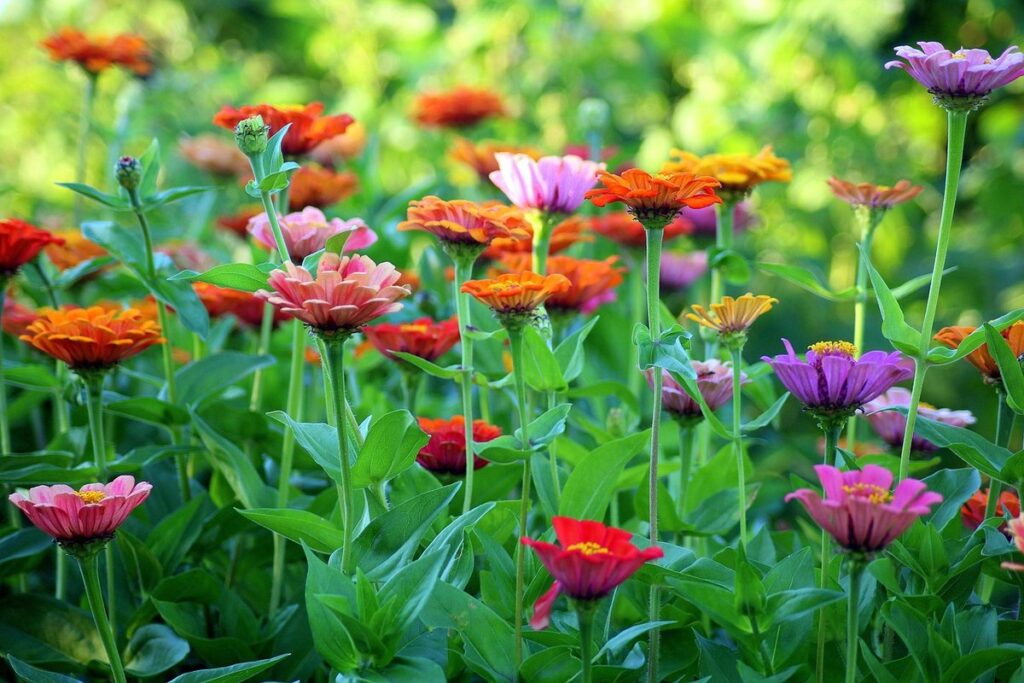
Understanding Zinnias as Cut Flowers
When using zinnias in arrangements, it’s essential to understand their unique characteristics and vase life to maximize their beauty and extend their freshness. This understanding will help you get the most out of these vibrant flowers.
What are Zinnias and Why Are They Popular?
Zinnias have been a favorite among cut flower enthusiasts for centuries, and it’s easy to see why. These vibrant flowers are native to Mexico and Central America, where they were first cultivated by the Aztecs. Today, zinnias are grown all over the world for their stunning beauty and versatility.
One of the main reasons zinnias are so popular is their incredible diversity. With over 100 different varieties to choose from, you’re sure to find one that suits your style. Whether you prefer classic red and pink hues or bold, bright colors like orange and yellow, there’s a zinnia variety to match your unique taste.
But what really sets zinnias apart is their ease of growth and maintenance. They require minimal care, making them perfect for beginners or seasoned gardeners alike. Plus, they bloom continuously from mid-summer to fall, providing an extended period of color and enjoyment in your garden or vase.
Types of Zinnias Suitable for Cutting
When selecting zinnias for cutting, it’s essential to choose varieties that are specifically bred for their flower size, shape, and stem length. Among the numerous types of zinnias available, dwarf, compact, and tall varieties stand out as ideal choices for cut flowers.
Dwarf zinnias, growing between 12-18 inches in height, are perfect for small gardens or container arrangements. Their compact growth habit makes them easy to handle and transport, while their blooms come in a wide range of colors, including pink, orange, and white. Compact varieties, such as ‘State Fair’ and ‘Grape Expectations’, offer even more petite blooms on shorter stems, ideal for bouquets and small vases.
Tall zinnias, reaching heights of 36-48 inches or more, provide a dramatic statement in any arrangement. Their statuesque stems and large, showy blooms make them perfect for centerpieces and large vases. Consider ‘Ben Fhala’ and ‘Schooner’, two popular tall varieties that offer an array of colors and bloom sizes.
When choosing zinnias for cutting, remember to select varieties with sturdy stems and a high flower count per plant. This will ensure you have plenty of blooms to enjoy throughout the growing season.
Choosing the Right Zinnia Variety for Your Needs
When selecting a zinnia variety, it’s essential to consider factors such as bloom size, color intensity, and growth habits to ensure you get the perfect cut flowers for your arrangements. Let’s dive into the key characteristics that will help you make an informed decision.
Factors to Consider When Selecting a Zinnia Variety
When selecting a zinnia variety for cut flowers, there are several key factors to consider. One of the most important considerations is bloom color, as this will determine the overall aesthetic and theme of your arrangements. Will you choose vibrant hot pinks and corals or soft pastel shades? Perhaps a mix of bold colors to create a statement piece?
Height is another crucial factor to consider, especially if you’re planning to use your zinnias in bouquets or centerpieces. Some varieties can grow quite tall (up to 3-4 feet!), while others remain compact and perfect for smaller arrangements. Think about the scale and proportions of your designs when choosing a variety.
Finally, growth habits are also worth considering. Do you prefer bushy, full plants that produce lots of stems or more upright, single-stem varieties? Some zinnias are bred specifically for their ability to produce multiple blooms on one stem, while others focus on producing larger, showier flowers. Consider your personal preference and the type of arrangements you plan to create when making your selection.
Popular Zinnia Varieties for Cut Flower Arrangements
When it comes to cut flower arrangements, zinnias are a popular choice due to their vibrant colors and long-lasting blooms. Among the numerous varieties available, some stand out for their exceptional qualities. Two of the most sought-after varieties for cut flower arrangements are ‘Candy Cane’ and ‘State Fair’.
‘Candy Cane’ is a standout variety with its striking white petals edged in bright red stripes, creating a fun and playful look. Its slender stems make it an ideal choice for bouquets and arrangements where space is limited. This variety is also known for its hardiness and ability to thrive in a range of conditions.
‘State Fair’ zinnias are another favorite among cut flower enthusiasts. They produce large, double blooms in shades of pink, orange, and white. With their sturdy stems and full, rounded petals, they add a touch of elegance to any arrangement. Their versatility makes them suitable for both modern and traditional designs.
Both ‘Candy Cane’ and ‘State Fair’ zinnias are excellent choices for adding a pop of color to your cut flower arrangements. By incorporating these varieties into your garden or purchasing them from a local grower, you can enjoy their beauty in your home for months to come.
Growing Zinnias for Cut Flowers
To grow stunning zinnia arrangements, you’ll need to choose a variety that’s perfect for cutting and learn how to care for them from seed to vase.
Planting and Care Requirements for Zinnias
When planting zinnias for cut flowers, it’s essential to provide them with the right conditions to thrive. Zinnias prefer well-draining soil that is rich in organic matter, making composted manure or fertilizer an excellent addition to your garden bed. Before planting, loosen the soil to a depth of 12 inches to encourage deep root growth.
When watering zinnias, aim for about 1 inch of water per week, either through rainfall or irrigation. However, avoid overwatering, which can lead to fungal diseases and poor stem quality. Instead, water deeply once or twice a week, depending on weather conditions. As your plants grow, remove any weeds that may compete with zinnias for nutrients.
Provide zinnias with full sun (at least 6 hours of direct sunlight) and temperatures between 65°F to 95°F (18°C to 35°C). These conditions will promote healthy growth and flowering. Pinch off the top sets of leaves on young plants to encourage bushy growth and prevent legginess, which can lead to weaker stems.
Monitor your zinnia’s soil pH regularly, as it prefers a slightly acidic to neutral range (pH 6.0-7.0). Adjust your fertilizer accordingly to maintain optimal nutrient levels for your cut flower crop.
Tips for Extending the Cutting Season with Zinnias
To extend the cutting season with zinnias and enjoy a continuous supply of fresh flowers, it’s essential to employ some simple yet effective techniques. One of the most critical practices is deadheading – the process of removing spent blooms from the plant. Not only does this promote bushy growth and encourage new flower production, but it also prevents seed formation, allowing the plant to focus energy on producing more blooms.
Regular pruning also plays a significant role in extending the cutting season. By pinching off tips and removing weak or damaged stems, you can control the plant’s shape and size while stimulating new growth. This encourages side shoots to develop, resulting in an increased number of flowers over a longer period.
To take it to the next level, consider growing multiple zinnia varieties with different bloom times. By combining early-season blooms like ‘State Fair’ or ‘Cut and Come Again’ with mid-to-late season performers like ‘California Giants’ or ‘Giant Cactus Flower’, you can enjoy a continuous supply of fresh flowers throughout the summer months.
Using Zinnia Varieties in Cut Flower Arrangements
When it comes to creating stunning cut flower arrangements, choosing the right zinnia varieties is crucial. Let’s explore how to incorporate different types of zinnias into your next floral creation.
Composing Arrangements with Zinnias
When it comes to creating stunning cut flower arrangements with zinnias, there are many ways to incorporate them into a beautiful design. To get started, consider the color palette you want to achieve and choose zinnia varieties that complement your other flowers of choice.
One popular approach is to pair zinnias with bold-colored blooms like dahlias or sunflowers for a vibrant and eye-catching arrangement. For example, combine bright red zinnias with yellow dahlias for a classic summer look or try pairing white zinnias with deep orange sunflowers for a striking contrast.
You can also use zinnias as a filler flower to add texture and interest to an arrangement featuring larger blooms like peonies or roses. Simply tuck the zinnias in among the other flowers, allowing them to spill out of the vase for a more relaxed look.
Experiment with different shapes and sizes by combining tall, stately zinnias with shorter, more compact varieties. This will create a visually appealing mix of heights and textures that adds depth to your arrangement.
Popular Design Styles Featuring Zinnias
When it comes to creating stunning cut flower arrangements with zinnias, there are countless design styles to choose from. One of the most popular and versatile options is a modern arrangement. To create a sleek and sophisticated look, pair bright and bold zinnia varieties like ‘Benary’s Gigantea’ or ‘State Fair’ with clean-lined vases and simple greenery. For example, you could combine vibrant orange zinnias with white roses and eucalyptus for a striking contrast.
For a more rustic and whimsical approach, consider pairing zinnias with natural elements like burlap, twine, or pinecones. This style works particularly well with softer pastel shades like pale pink or baby blue. To add depth to your arrangement, layer different textures and heights, such as placing larger zinnia blooms in the back and smaller ones in the front.
When working with zinnias, remember that their unique shape and size allow for endless creative possibilities. Experiment with unusual vase shapes, add unexpected greenery like succulents or ferns, or incorporate other seasonal flowers to create one-of-a-kind arrangements that reflect your personal style.
Harvesting and Preparing Zinnia Cut Flowers
Now that your zinnias are blooming beautifully, let’s dive into how to harvest them at their peak freshness for a stunning cut flower arrangement. Learn how to trim and prepare these gorgeous blooms for a long-lasting vase life.
The Best Time to Harvest Zinnias for Cutting
When it’s time to harvest zinnias for cutting, you’ll want to catch them at their peak freshness. Zinnias are typically ready to be cut when the blooms have fully opened and are showing no signs of wilting. Check on your plants every few days, as they can quickly go from perfect to past their prime.
Look for these signs of readiness: stems that feel firm but not woody, petals that are fully unfurled, and a vibrant color that’s consistent throughout the flower. Avoid cutting zinnias when they’re still in bud form or when the flowers have begun to droop.
In general, it’s best to harvest zinnias in the morning after the dew has dried but before the heat of the day sets in. This will help prevent moisture from accumulating on the stems and causing them to become soggy. Use a sharp knife or pruning shears to cut the stems at an angle, taking care not to damage any nearby buds or leaves.
Tips for Cleaning and Conditioning Zinnia Stems
Cleaning and conditioning zinnia stems is crucial to extend their vase life and maintain their beauty. To start, gently remove any leaves that will be below the waterline in the vase, as they can harbor bacteria and contaminate the water. Cut the stems at an angle using a sharp knife or pruning shears, taking about 1-2 inches off.
Next, prepare a clean vase by washing it with soap and warm water. Fill the vase with fresh, lukewarm water, and add a floral preservative (if provided) to prevent bacterial growth. Cut zinnias can absorb water quickly, so trim the stems every few days to keep them hydrated. To avoid clogging the stems with debris, use a clean flower food or make your own by mixing 1 tablespoon of sugar, 1 tablespoon of white vinegar, and 1 quart of water.
Some other tips include changing the water in the vase every 3-5 days, trimming any dead flowers or leaves to prevent spreading disease, and providing zinnias with bright indirect light.
Conclusion: Getting Started with Zinnia Varieties for Cut Flowers
Now that you’ve learned about the different zinnia varieties, it’s time to get started on selecting the perfect blooms for your cut flower garden. Let’s discuss how to choose and grow your first zinnias.
Recap of Key Takeaways
As you near the end of this comprehensive guide to zinnia varieties for cut flowers, let’s take a moment to recap the key takeaways from our journey together. Choosing the right variety and growing conditions are crucial steps in successfully cultivating these stunning blooms.
When it comes to selecting the perfect zinnia variety, we explored the different types available, including Giant Flower, Dahlias Series, State Fair Series, and more. Each of these varieties offers unique characteristics, such as bloom size, color palette, and growth habits. For example, the popular Giant Flower series boasts large, show-stopping blooms in a range of vibrant colors, while the State Fair series is prized for its striking bi-colored blooms.
In addition to choosing the right variety, we also delved into the importance of growing conditions. Zinnias thrive in well-draining soil and full sun to partial shade. Be sure to provide your zinnias with adequate water and nutrients throughout their growth cycle. We discussed how to create an ideal growing environment by selecting a suitable location with proper sunlight and air circulation.
Some essential tips to keep in mind when growing zinnias for cut flowers include deadheading regularly, providing support as needed, and harvesting blooms at the optimal stage of development. By following these guidelines and choosing the right variety for your climate and preferences, you’ll be well on your way to enjoying a bountiful harvest of gorgeous zinnia blooms.
To ensure success, remember to plan ahead and plant multiple varieties to create a diverse and dynamic bouquet arrangement. With these takeaways in mind, you’re ready to embark on your zinnia growing journey with confidence.
Frequently Asked Questions
What are the ideal growing conditions for zinnias when grown specifically for cut flowers?
When growing zinnias for cut flowers, it’s essential to provide them with full sun (at least 6 hours of direct sunlight) and well-draining soil. This will help promote healthy growth, prevent waterlogged stems, and ensure your blooms are at their best.
Can I use zinnia varieties that aren’t specifically bred for cutting in my floral arrangements?
While it’s technically possible to use non-cutting varieties in arrangements, they may not have the same vase life or structural integrity as those bred specifically for cutting. If you still want to try using non-cutting varieties, be sure to harvest them when blooms are at their peak, and consider trimming the stems just above a node to encourage new growth.
How can I extend the vase life of my cut zinnias?
To maximize the lifespan of your cut zinnias, make sure to trim the stems every 2-3 days, change the water completely, and avoid exposing them to direct sunlight or high temperatures. You can also add a floral preservative to the water to help prevent bacterial growth.
Can I grow zinnias in containers for cutting?
Yes! Zinnias are perfect candidates for container gardening, as they have relatively small root systems. Choose a large enough pot (at least 6-8 inches deep) with good drainage and provide your zinnias with plenty of sunlight and water to promote healthy growth.
How do I know when my zinnias are ready to be harvested?
The best time to harvest zinnias for cutting is when the blooms are at their peak, usually between 60-90 days after sowing. Check for full color development and slightly soft stems, indicating they’re ready to cut.