
If you’re anything like me, you’ve probably been experimenting with different citrus fruits in your cooking, but have you ever stopped to think about the subtle differences between yuzu and lemon plants? These two popular citrus varieties are often used interchangeably in recipes, but they have some key characteristics that set them apart. From their unique flavor profiles to their growing conditions and health benefits, understanding the nuances of each plant can elevate your cooking and make a big difference in the taste of your dishes.
In this article, we’ll take a closer look at yuzu and lemon plants, exploring their distinct features, uses, and advantages. We’ll cover everything from how to grow these citrus fruits to tips on incorporating them into your favorite recipes. Whether you’re a seasoned chef or just starting out in the kitchen, this comprehensive guide will give you the knowledge and inspiration you need to make the most of yuzu and lemon’s unique qualities.
Understanding the Basics
Let’s start by understanding what makes yuzu and lemon unique, beginning with their botanical classifications and growth habits. This will provide a solid foundation for comparing these two citrus fruits.
What are Yuzu and Lemon?
When it comes to citrus fruits, two popular options often come to mind: yuzu and lemon. But what exactly are these citrus sensations? Let’s dive into the basics of each.
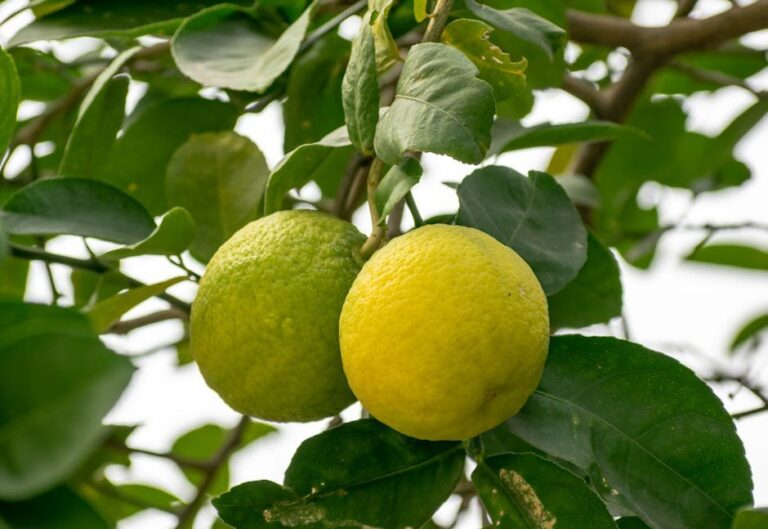
Yuzu is a small, yellow citrus fruit native to East Asia, specifically China and Japan. It’s a member of the Rutaceae family, which includes many other citrus species like oranges and lemons. Yuzu has a unique flavor profile that’s both tart and sweet, with hints of grapefruit and orange. Its peel is highly aromatic, making it a popular ingredient in Japanese cuisine for its zest and juice.
Lemons, on the other hand, are one of the most widely consumed citrus fruits globally. Originating from Southeast Asia, they’re now cultivated in many parts of the world. With their bright yellow color and acidic taste, lemons are often used as a flavor enhancer in cooking and baking. Their versatility has made them an essential ingredient in many recipes.
While both yuzu and lemon have their own distinct characteristics, their uses in cooking and culture are quite different. Yuzu is often reserved for high-end dishes and traditional Japanese cuisine, whereas lemons are more commonly used in everyday cooking. If you’re looking to try something new in the kitchen, consider experimenting with yuzu – its unique flavor will add a fascinating twist to your recipes!
Similarities Between Yuzu and Lemon
While yuzu and lemon are distinct citrus fruits with unique characteristics, they share several similarities that make them versatile and popular choices for cooking and culinary applications. One of the most notable similarities is their citrus flavor profiles, which are both tart and refreshing. Both yuzu and lemon have a high concentration of citric acid, making them excellent additions to marinades, dressings, and sauces.
In terms of nutritional benefits, both yuzu and lemon are rich in vitamin C, potassium, and flavonoids, which contribute to their antioxidant properties. They also contain fiber and minerals like calcium and iron. As a result, incorporating either fruit into your diet can provide numerous health benefits, from boosting the immune system to supporting heart health.
In many recipes, yuzu and lemon are used interchangeably due to their similar flavor profiles and versatility in both sweet and savory dishes. For example, you can substitute yuzu for lemon in salad dressings, marinades, or desserts like marmalade or sorbet. However, when using yuzu, be mindful of its stronger aroma and adjust the amount accordingly to avoid overpowering other flavors.
Growing Conditions and Care
To grow yuzu or lemon trees successfully, you need to understand their specific requirements for sunlight, water, soil, and pruning. Learn how to provide optimal care for these citrus fruits.
Climate and Soil Requirements for Yuzu and Lemon
When growing yuzu and lemon plants, it’s essential to provide them with optimal climate and soil conditions. Yuzu trees prefer a cooler and more humid climate than lemons. They thrive in temperatures between 35°F and 75°F (2°C and 24°C), while lemons can tolerate higher temperatures up to 90°F (32°C). However, both plants require well-draining acidic soil with a pH range of 6.0-7.0.
In terms of sunlight, yuzu trees need full sun to partial shade, while lemons require full sun exposure for optimal growth. When it comes to watering, make sure the soil is consistently moist but not waterlogged. Fertilize your plants regularly with citrus-specific fertilizers during their growing season, which typically runs from spring to fall.
It’s also worth noting that yuzu trees are more sensitive to frost than lemons, so if you live in an area with frequent frosts, consider providing protection for your yuzu tree. With the right climate and soil conditions, both yuzu and lemon plants can thrive and produce delicious fruit for years to come.
Propagation Methods for Yuzu and Lemon
When it comes to propagating yuzu and lemon plants, you have several methods at your disposal. Grafting is a popular technique that involves joining a piece of stem from one plant (the scion) onto the root system of another (the rootstock). This method allows you to combine the desirable traits of both parent plants, such as disease resistance and fruit quality.
Grafting can be done using various techniques, including bud grafting and whip-and-tongue grafting. For yuzu and lemon plants, a compatible rootstock is essential for successful propagation. Some common rootstocks include ‘Troyer’ citrange and ‘Yen Ben’ satsuma mandarin.
Seed starting is another method of propagating citrus plants, but it’s not recommended for commercial production due to inconsistent results and the time-consuming process. Seed-grown yuzu and lemon trees can take up to 5-7 years to mature, whereas grafted trees typically produce fruit within 2-3 years.
Stem cutting is a more straightforward method that involves taking cuttings from mature stems and rooting them in a controlled environment. This technique is ideal for yuzu and lemon plants, as it allows you to propagate multiple cuttings at once and achieve consistent results.
To increase the chances of successful propagation through stem cutting, make sure to use healthy, disease-free cuttings with at least 2-3 nodes. Rooting hormone can be applied to enhance root development. Keep the soil consistently moist but not waterlogged during the rooting process. With proper care and attention, you should see roots developing within 6-8 weeks.
In contrast to seed starting, stem cutting is a more reliable method that produces trees with consistent characteristics. However, grafting still offers advantages in terms of disease resistance and fruit quality. Ultimately, the choice of propagation method depends on your specific needs and goals.
It’s worth noting that yuzu plants are typically easier to propagate using stem cutting due to their high rooting percentage. Lemon trees can be more challenging, but with proper technique and care, you can achieve high success rates as well.
Flavor Profile and Usage
Now that you know how yuzu and lemon differ, let’s dive into their flavor profiles and explore how to use each citrus fruit to elevate your favorite recipes.
Culinary Applications of Yuzu vs Lemon
When it comes to culinary applications, yuzu and lemon are often used interchangeably, but their distinct flavor profiles make them suitable for different dishes. In Japanese kaiseki cuisine, yuzu is a staple ingredient, adding a bright, citrusy note to delicate sauces and marinades. Its unique balance of sweetness and acidity makes it an ideal pairing with rich flavors like soy sauce and wasabi.
In contrast, lemons are commonly used in Western fine dining to add a burst of citrus flavor to dishes like seafood, salads, and desserts. However, when working with yuzu, the result is often more nuanced and complex. For instance, yuzu juice can be used to balance the umami flavors in Japanese broths, while lemon juice might overpower them.
To choose between yuzu and lemon, consider the flavor profile you’re aiming for. If you want a subtle, aromatic citrus note, opt for yuzu. If you need a brighter, more acidic kick, lemon is the way to go. By understanding their distinct characteristics, you can elevate your dishes with the perfect citrus complement.
Pairing Yuzu and Lemon with Other Ingredients
When it comes to pairing yuzu and lemon with other ingredients, the possibilities are endless. One of the most popular pairings is with herbs like basil and mint. The bright, citrusy flavor of yuzu complements the earthy sweetness of basil perfectly, making it a staple in many Japanese dishes.
You can also try combining yuzu with aromatic spices like ginger and cardamom for a unique twist on traditional cocktails. For example, pair yuzu juice with gin, ginger beer, and a dash of cardamom to create a refreshing summer drink.
In terms of oils, olive oil is a natural pairing with both yuzu and lemon. Use them together in a salad dressing or as a marinade for grilled meats. Don’t be afraid to get creative and experiment with different combinations – the key is finding the perfect balance between flavors.
For those looking for inspiration from traditional recipes, try making a Japanese-style citrus sauce by combining yuzu juice with soy sauce and sake. This sauce is a staple in many sushi restaurants and adds a burst of citrus flavor to any dish.
Health Benefits and Nutrition
When it comes to choosing between yuzu and lemon, understanding their health benefits is crucial for incorporating them into your diet. Let’s dive into how these citrus fruits can support your well-being.
Nutritional Comparison: Yuzu vs Lemon
When it comes to nutritional profiles, both yuzu and lemon are excellent choices, but they do have some notable differences. One of the main distinctions lies in their vitamin C content, with yuzu boasting a slightly higher amount (40mg per 100g) compared to lemon’s 29mg per 100g. This means that yuzu has a more significant antioxidant effect, helping to protect cells from damage caused by free radicals.
In terms of minerals, both fruits are good sources of potassium and copper. However, yuzu also contains higher levels of manganese and iron. The antioxidants present in yuzu have been shown to have anti-inflammatory properties, which can contribute to overall health and well-being. On the other hand, lemons contain a higher amount of flavonoids, particularly naringenin, which has been linked to cardiovascular benefits.
When choosing between these two fruits, consider your specific needs. If you’re looking for an extra boost of vitamin C and antioxidants, yuzu might be the better choice. However, if you prioritize cardiovascular health and are concerned about inflammation, lemons could be a more suitable option.
Potential Health Benefits of Consuming Yuzu and Lemon
Both yuzu and lemon have been revered for their incredible health benefits, making them staples in many traditional medicine practices. When it comes to boosting our immune system, these citrus fruits come out on top. The high vitamin C content in both yuzu and lemon makes them powerful antioxidants that help protect cells from damage caused by free radicals.
Incorporating yuzu and lemon into your diet can also provide digestive aid. Their fiber and water content make them easy to digest, while their natural oils have anti-inflammatory properties that soothe the digestive system. A study published in the Journal of Food Science found that consuming citrus fruits like lemons can reduce symptoms of irritable bowel syndrome (IBS) by 50%.
Another benefit of these citrus fruits is their anti-inflammatory properties. The flavonoids present in yuzu and lemon have been shown to reduce inflammation, which can lead to chronic diseases such as arthritis and heart disease. To reap the health benefits of yuzu and lemon, try incorporating them into your cooking or drinking a glass of freshly squeezed juice each day.
Cultivation Challenges and Solutions
As you cultivate yuzu and lemon plants, you may encounter challenges that can impact their health and productivity. Let’s explore common issues and practical solutions to help you overcome them.
Common Issues in Growing Yuzu and Lemon Plants
When growing yuzu and lemon plants, you may encounter common issues that can impact their health and productivity. One of the main challenges is pests, such as aphids, whiteflies, and mealybugs, which can spread diseases and cause damage to leaves and fruits. To manage these pests, use neem oil or insecticidal soap according to the product’s instructions.
Diseases are another major concern for citrus growers. Fungal diseases like root rot and leaf spot can be caused by overwatering, while bacterial diseases like citrus greening can be spread through insects. Regularly inspect your plants for signs of disease, and remove any affected leaves or branches to prevent the spread of infection.
Environmental stressors like extreme temperatures, drought, or waterlogging can also affect yuzu and lemon plant growth. To mitigate these issues, provide your plants with a well-draining soil mix and adequate sunlight. Monitor temperature fluctuations and ensure your plants receive enough water but avoid overwatering. By addressing these common challenges, you can create a healthy environment for your citrus plants to thrive.
Tips for Optimizing Yuzu and Lemon Crop Yield
When it comes to optimizing crop yield for yuzu and lemon trees, there are several techniques you can implement to maximize their potential. For yuzu trees, pruning is essential to promote a strong root system and encourage horizontal growth. This involves removing lower branches to allow sunlight to reach the fruiting area and preventing waterlogging.
For fertilization, use a balanced citrus fertilizer with a nitrogen-phosphorus-potassium (N-P-K) ratio of 10-10-10. Apply it twice a year, in early spring and summer, following the manufacturer’s instructions for optimal dosage. Regular soil pH monitoring is also crucial, as yuzu trees prefer slightly acidic to neutral soils.
In terms of pest management, yuzu trees are susceptible to aphids, whiteflies, and spider mites. Use neem oil or insecticidal soap to control these pests. For lemons, use a fungicide to prevent citrus canker and greasy spot diseases.
Here are some key differences in fertilization strategies:
- Yuzu prefers slightly acidic soils (pH 6.0-7.0), while lemon trees tolerate a wider pH range.
- Yuzu requires more frequent pruning than lemons to maintain its unique shape.
By implementing these best practices, you can significantly enhance the yield and quality of your yuzu and lemon crops.
Conclusion
As we wrap up our comprehensive guide to yuzu vs lemon, it’s clear that both citrus fruits have their unique characteristics and uses. Whether you’re a seasoned chef or a home cook looking for new flavors, understanding the differences between these two popular fruits can elevate your culinary creations. By now, you should be equipped with the knowledge to confidently choose between yuzu and lemon depending on the recipe or situation. For example, if you need a burst of citrus flavor in a sauce or marinade, lemon might be the better choice due to its acidic properties. On the other hand, yuzu’s subtle sweetness and aroma make it perfect for adding depth to Asian-inspired dishes like sushi or noodle bowls.
Frequently Asked Questions
How do I identify yuzu vs lemon plants in my garden?
To distinguish between yuzu and lemon plants, look for the size and color of the leaves, as well as the shape and size of the fruit. Yuzu leaves are typically smaller with a more pointed tip than lemon leaves, which have a broader base. The fruit itself is also smaller and has a thicker skin compared to lemons.
Can I grow yuzu plants in containers?
Yes, you can grow yuzu plants in containers, but make sure they have good drainage holes and sufficient root space for the plant’s mature size. Yuzu prefers well-draining soil with a slightly acidic pH (around 6.0-7.0) and full sun to partial shade.
What are some common mistakes when growing yuzu and lemon plants?
Some common mistakes include underwatering, which can cause citrus drop and reduced fruit production; overwatering, leading to root rot; and inadequate pruning, resulting in an unbalanced tree or poor air circulation. Regularly monitoring soil moisture and pruning the plant regularly can help avoid these issues.
How do I preserve yuzu and lemon for longer use?
To preserve yuzu and lemon for later use, you can juice them immediately after harvesting and freeze the juice in airtight containers or ice cube trays. You can also dry the peel to make citrus zest, which is perfect for adding flavor to baked goods and desserts.
Can I grow both yuzu and lemon plants together?
While it’s technically possible to grow both yuzu and lemon plants together, they have different growing requirements and may compete for resources like water and nutrients. Consider separating them or providing a more extensive root system to accommodate their individual needs.