
Are you ready to unlock the secret to growing your very own yuzu tree from scratch? Germinating yuzu seeds can be a bit tricky, but don’t worry, we’ve got you covered. With its unique flavor and versatility in cooking, yuzu is becoming increasingly popular among chefs and home cooks alike. But before you can enjoy the fruits of your labor, you need to get those tiny seeds to sprout. In this comprehensive guide, we’ll walk you through the essential steps for successfully germinating yuzu seeds, from preparation and optimal conditions to post-germination care. By following our expert tips, you’ll be well on your way to a bountiful harvest of fresh yuzu fruit in no time.
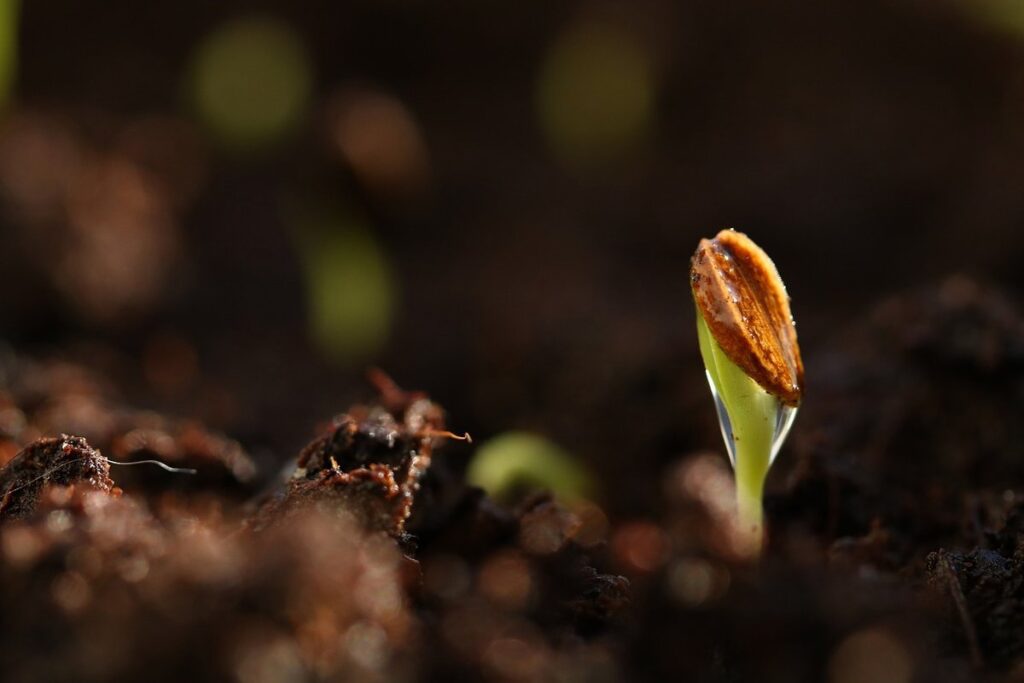
Understanding Yuzu and Its Seeds
Let’s take a closer look at yuzu and its seeds, exploring their unique characteristics and requirements for successful germination. This brief overview will set you up for success in your seed-starting journey.
What is Yuzu?
Yuzu is a citrus fruit that originates from East Asia, particularly Japan and Korea. It’s a unique and versatile ingredient that has gained popularity worldwide due to its distinct flavor profile. The yuzu fruit is small, round, and has a thick, easy-to-peel skin that’s usually yellow or green in color.
One of the main reasons yuzu is so popular in Japanese cuisine is its incredible versatility. Yuzu peel can be used for making teas, marmalades, and even perfumes. Its juice is often used as a garnish or added to marinades, dressings, and sauces. The flavor is a perfect balance of sweet and sour, which makes it an essential ingredient in many traditional Japanese dishes.
The popularity of yuzu can be attributed to its unique characteristics, such as its high acidity level and the presence of limonene, a compound that gives yuzu its distinct aroma. In Japan, yuzu is often used during special occasions like New Year’s (Oshogatsu) and weddings, where it’s believed to bring good luck and happiness.
Yuzu seeds can be challenging to find, but they’re essential for anyone looking to grow their own yuzu tree. With proper care and attention, yuzu trees can thrive in containers or directly in the ground, making it possible to enjoy this incredible citrus fruit all year round.
Importance of Yuzu Seeds for Propagation
Yuzu seeds are the foundation of yuzu propagation, and they play a vital role in farming and gardening practices. When it comes to cultivating new yuzu trees, seeds are often the preferred method due to their cost-effectiveness and ease of access. A single yuzu tree can produce hundreds of seeds, making them an abundant resource for growers.
In professional settings, yuzu seeds are used for grafting, allowing farmers to replicate high-quality parent trees. This process ensures that the new trees inherit desirable traits such as disease resistance, flavor profile, and yield consistency. On a smaller scale, gardeners can also use yuzu seeds to propagate new trees for personal consumption or ornamental purposes.
To effectively use yuzu seeds for propagation, it’s essential to choose healthy seeds from mature trees. This guarantees optimal germination rates and reduces the likelihood of weak seedlings. By leveraging the potential of yuzu seeds, growers can cultivate thriving trees that bring joy and value to their harvests.
Preparing Yuzu Seeds for Germination
Before we move on to sowing your yuzu seeds, let’s focus on properly preparing them for germination. This crucial step ensures optimal chances of successful sprouting.
Cleaning and Storing Yuzu Seeds
When collecting yuzu seeds, it’s essential to choose those that are plump and have a deep yellow color. Avoid seeds with white or grayish tints, as these may not be viable. It’s also crucial to store the seeds properly to maintain their quality.
To clean yuzu seeds, gently rinse them in cold water to remove any remaining pulp or debris. Use a fine-mesh strainer to separate the seeds and discard any that appear damaged or shriveled. Next, soak the cleaned seeds in a cup of lukewarm water (around 80°F) for about an hour to rehydrate them.
Proper storage is vital to ensure optimal germination rates. Store yuzu seeds in an airtight container, such as a glass jar with a tight-fitting lid or a plastic bag sealed with tape. Place the container in the refrigerator at a consistent temperature between 32°F and 40°F (0°C and 4°C). Check on the seeds every few weeks to ensure they remain dry and not developing mold.
Seed viability is critical for successful germination, as it directly affects the number of seedlings that will emerge. When purchasing yuzu seeds or collecting them from a mature fruit, inspect their appearance, texture, and overall health. Opt for seeds with high viability rates (around 80-90%) to increase your chances of achieving a healthy crop.
Seed Stratification: A Crucial Step
When it comes to preparing yuzu seeds for germination, seed stratification is an essential step that’s often overlooked. In nature, yuzu trees typically don’t produce viable seeds until they’re around 10-15 years old, and even then, the seeds have already undergone a natural period of cold stratification. To mimic this process, we need to replicate the conditions that would occur in the wild.
To stratify your yuzu seeds, start by placing them in a container filled with moistened peat moss or vermiculite. Seal the container and store it in a refrigerator at around 4-5°C (39-41°F). The seeds require a cold period of about 30-60 days to break dormancy. It’s crucial to maintain high humidity, but make sure not to overwater – just keep the peat moss or vermiculite consistently moist.
Once you’ve successfully stratified your yuzu seeds, they’re ready for germination. Simply sow them in a seed tray filled with well-draining potting mix and provide indirect light. Water gently, and within 1-3 weeks, you should start to see tiny roots emerging – the first signs of life!
Optimal Conditions for Yuzu Seed Germination
To achieve successful yuzu seed germination, you’ll want to create an optimal environment that mimics the tree’s natural habitat in East Asia. This section explores the specific conditions necessary for healthy growth.
Temperature Requirements
Maintaining an optimal temperature range is crucial for yuzu seed germination. The ideal temperature for this process typically falls within a narrow window of around 65-75°F (18-24°C). This specific temperature range allows the seeds to absorb moisture and initiate growth without being subjected to extreme stress.
If the temperature is too high, above 80°F (27°C), the seeds may germinate rapidly but with a higher risk of failure. Conversely, temperatures below 55°F (13°C) can significantly slow down the germination process or even lead to seed rot. This delicate balance highlights the importance of monitoring and maintaining a consistent temperature.
To achieve the best results, it’s essential to provide yuzu seeds with a warm but stable environment. A propagation tray with a heating mat or a sunny windowsill can help maintain the optimal temperature range. By carefully controlling the temperature, you’ll be able to promote healthy germination and set your seedlings up for success. This attention to detail will pay off as you nurture your yuzu plants through their early stages of development.
Light and Watering Needs
Yuzu seeds respond to light and water conditions differently than other citrus species. When it comes to light exposure, yuzu seeds germinate best in low to moderate light conditions. Direct sunlight can be detrimental as it may cause overheating and reduce the chances of successful germination.
For this reason, it’s recommended to place yuzu seedlings in an area with indirect sunlight or use grow lights that provide a gentle warmth. Aim for 12-14 hours of light exposure per day, but avoid direct sun rays during peak hours (10am-4pm).
Watering schedules are also crucial for successful germination. Yuzu seeds require consistent moisture levels during the germination period, which is typically around 2-3 weeks. Water the soil gently but thoroughly, allowing the top inch of soil to dry out between waterings. Be cautious not to overwater, as this can lead to rot and poor seedling development. Keep an eye on the seedlings’ moisture levels by checking for signs like droopy leaves or a slight sheen on the surface.
Troubleshooting Common Issues in Yuzu Seed Germination
Don’t worry, we’ve all been there: stuck with seeds that refuse to sprout. This section tackles common germination hurdles and provides practical solutions to get your yuzu seedlings off to a healthy start.
Low Germination Rates
When it comes to yuzu seed germination, one of the most frustrating issues you may encounter is low germination rates. This can be due to a variety of factors, including poor seed quality or inadequate stratification. To address this problem, start by inspecting your seeds for any visible signs of damage or deterioration. Check for cracks, splits, or discoloration, which can indicate that the seeds have not been stored properly or have been exposed to too much heat.
Proper stratification is also crucial for successful yuzu seed germination. This involves simulating the natural winter conditions that the seeds would experience in their native environment. For yuzu seeds, this typically means storing them in a refrigerator at around 40°F (4°C) for 3-4 weeks to break dormancy.
Another common issue is overwatering or underwatering during germination. To prevent this, make sure your seed starting mix is well-draining and avoid watering too frequently. Keep the soil consistently moist but not waterlogged, and be patient – yuzu seeds can take up to 2-3 weeks to sprout.
Inconsistent Growth Patterns
Inconsistent growth patterns can be frustrating and puzzling when trying to germinate yuzu seeds. One common culprit behind these irregularities is temperature fluctuations. Yuzu seeds have a narrow optimal temperature range for germination, typically between 65°F to 75°F (18°C to 24°C). If the temperature drops or rises significantly during this critical period, it can disrupt the seed’s natural processes and lead to inconsistent growth.
Inadequate light exposure is another potential cause of uneven growth patterns. Yuzu seeds require a consistent and moderate level of light to germinate and grow. Insufficient light can slow down or even halt the germination process, while excessive light can scorch the delicate seedlings. To prevent this, ensure your yuzu seeds receive indirect sunlight for about 12-14 hours a day.
To mitigate temperature fluctuations, consider using a thermometer to monitor the temperature in your propagation area. You can also use a heating mat or a warm location to maintain a consistent temperature within the optimal range. For light exposure, move the seed trays to a shaded area during peak sun hours and provide supplemental lighting if necessary. By controlling these environmental factors, you can promote more even growth patterns and successful yuzu seed germination.
Techniques for Improving Yuzu Seed Germination Success Rate
Now that you’ve successfully started your yuzu seed germination journey, let’s dive into some practical techniques to boost your success rate and avoid common pitfalls.
Hydroponics vs. Soil-Based Systems
When it comes to promoting yuzu seed germination, you have two main options: hydroponics and traditional soil-based methods. While both systems can be effective, they have some key differences that may influence the success of your yuzu seed germination.
Hydroponic systems involve growing plants in a nutrient-rich solution rather than soil. This method allows for more precise control over water and nutrient levels, which can lead to faster and healthier growth. In fact, hydroponics can increase plant growth rates by up to 50% compared to traditional soil-based methods. However, hydroponics also require specialized equipment and may be more expensive upfront.
Soil-based systems, on the other hand, are a more traditional approach that relies on natural soil nutrients to support seed germination. This method is often less expensive than hydroponics and can be done with minimal equipment. However, it may be more challenging to achieve consistent results due to factors like soil pH, nutrient availability, and pests.
If you’re new to yuzu seed germination, a combination of both methods might be the best approach. You can start by using a hydroponic system for the initial stages of growth, then transplanting your seedlings into a soil-based environment once they’ve established themselves. This hybrid approach can provide the benefits of both worlds and help you achieve higher success rates with your yuzu seeds.
Seed Starting Mixes and Containers
When it comes to optimizing yuzu seed germination rates, selecting the right seed starting mix and container is crucial. Yuzu seeds require a well-draining yet moist environment to germinate successfully. A good quality seed starting mix should be free of chemicals and additives that can harm the delicate roots.
For containers, you’ll want to choose ones with good drainage holes to prevent waterlogged soil. Cell packs or small pots are ideal for yuzu seeds as they allow for easy transplanting once the seedlings have two sets of leaves. A 12-cell tray is a great size for starting multiple seeds at once and can be easily transferred to larger containers.
When selecting a seed starting mix, look for one specifically designed for citrus seeds or orchid mixes, which are typically formulated with higher organic matter content and better drainage properties. Some popular seed starting mix options include Pro-Mix, Miracle Gro, and Espoma Organic. Avoid using regular potting soil as it can be too dense and may not provide the right environment for yuzu seed germination.
When filling your containers, gently press the seed starting mix to ensure good contact with the seeds. Water carefully but thoroughly, making sure the mix is consistently moist but not waterlogged.
Growing Yuzu from Seeds: Post-Germination Care
Now that your yuzu seeds have germinated, it’s time to give them the care they need to thrive and grow into a healthy tree. Proper post-germination care is crucial for their development.
Transplanting and Soil Requirements
As you’re nurturing your yuzu seedlings through the germination process, it’s essential to consider their transition from seed trays to individual containers. This stage is crucial for developing a robust root system and preventing waterlogged soil conditions that can lead to root rot.
When transplanting, choose well-draining potting mixes with a pH level between 6.0-7.0. A slightly acidic to neutral soil environment will promote healthy growth. Yuzu trees prefer these levels as they are more tolerant of slightly acidic conditions compared to their citrus relatives.
To ensure optimal growth, gently remove the seedlings from their seed trays and transfer them into 4-inch deep pots or containers filled with a well-draining potting mix. Space them around 6-8 inches apart to allow for proper air circulation. Water thoroughly after transplanting and maintain consistent moisture levels in the first few weeks.
Keep an eye on your seedlings’ response to their new environment, adjusting soil pH levels if necessary by adding lime or sulfur according to package instructions. Monitor for any signs of nutrient deficiencies or root damage caused by waterlogged conditions, which may require adjustments to your care routine.
Pruning and Training Techniques
As your yuzu seedlings grow and mature, it’s essential to prune and train them to encourage healthy growth, promote fruit production, and develop a bushy structure. Pruning not only helps maintain the tree’s shape but also stimulates new growth, allowing your yuzu plant to thrive.
When pruning, focus on removing any dead or diseased branches, as well as any weak or crossing limbs that may be competing with other branches for resources. This will help direct energy towards healthy growth and encourage fruiting.
To promote bush development, consider “topping” your tree – cutting back the main leader to a branch or two – which encourages branching and creates a more balanced structure. You can also prune individual branches by about one-third to one-half to maintain shape and control size.
Regular pruning will not only enhance your yuzu’s appearance but also improve its overall health, increasing its chances of producing bountiful fruit in the future.
Conclusion: The Journey from Yuzu Seeds to Mature Plants
As we’ve reached the end of your yuzu seed germination journey, let’s reflect on how far you’ve come and what you can expect in the final stages of growth.
Recap of Key Takeaways
To successfully cultivate yuzu from seeds, remember these essential steps. Firstly, ensure you’re using fresh and high-quality yuzu seeds with a suitable pH level for optimal germination rates. Next, sow the seeds about 1-2 cm deep in well-draining soil mix, maintaining consistent moisture levels until germination occurs. After 3-4 weeks, transfer the seedlings into separate pots and continue to provide adequate water and nutrients.
For post-germination care, it’s crucial to maintain a balanced temperature range between 15°C to 20°C (59°F to 68°F) and ensure sufficient light exposure for healthy growth. Monitor your plants regularly for signs of pests or diseases and take immediate action if needed. Prune the seedlings lightly after 2-3 months to promote bushy growth.
By following these steps, you’ll set yourself up for success in growing yuzu from seeds. Keep in mind that every plant is unique, so be prepared to adapt your care routine accordingly. With patience and attention to detail, you should be able to successfully cultivate a mature yuzu tree from seed within 3-5 years.
Final Thoughts on Yuzu Propagation
As you’ve successfully navigated the process of yuzu seed germination and have now grown out your first batch of young trees, it’s time to reflect on the value of propagating yuzu using seeds. This method may require a bit more patience and effort compared to grafting or other methods, but it offers several benefits that can be particularly valuable for farmers and gardeners.
One significant advantage is the cost-effectiveness. Starting with seeds means you don’t need to purchase expensive grafted trees from nurseries, which can save you money upfront. Additionally, growing yuzu from seed allows you to preserve genetic diversity within your orchard or garden, ensuring that your crop remains resilient and adaptable over time.
Furthermore, cultivating yuzu from seed can foster a deeper connection with the plant’s natural growth cycle. By witnessing the entire process from seed germination to maturity, you’ll develop a richer understanding of your tree’s needs and quirks. This hands-on approach will enable you to make more informed decisions about pruning, fertilizing, and pest management, ultimately leading to healthier and more productive trees.
Frequently Asked Questions
Can I use yuzu seeds from different sources or is it best to stick with ones harvested locally?
Yes, you can use yuzu seeds from different sources, but be aware that their germination rates and quality may vary depending on factors like seed age, storage conditions, and origin. Consider using high-quality seeds specifically bred for germination success or sourced from reputable suppliers.
How long does the entire process of growing a yuzu tree take from seed?
The time it takes to grow a yuzu tree from seed can range from 3-5 years, depending on factors like climate, soil quality, and post-germination care. Yuzu trees typically take about 2 years to mature after germination, but it’s essential to provide optimal conditions for steady growth.
Can I speed up the germination process by using a warm water bath or other tricks?
While some methods may claim to accelerate germination, they are not recommended for yuzu seeds. Using warm water baths can actually reduce germination rates and cause damage to delicate seedlings. Stick to the recommended stratification and optimal conditions outlined in this guide.
How do I know if my yuzu tree is healthy enough for transplanting?
Before transplanting your yuzu seedling, ensure it has developed a robust root system and at least 2-3 sets of leaves. Check for signs like yellowing or droopy leaves, which can indicate over-watering or under-watering issues.
Can I use yuzu seeds to grow multiple trees in one season?
While you can start multiple yuzu seedlings simultaneously, it’s essential to ensure each seedling receives optimal conditions for germination and growth. Overcrowding can lead to reduced germination rates and increased competition among seedlings. Consider starting a new batch of seeds every 2-3 months for staggered harvests.
How do I store yuzu seeds after they’ve been cleaned and dried?
Store cleaned and dried yuzu seeds in an airtight container, such as a glass jar or envelope, to maintain humidity levels. Keep the container away from direct sunlight, moisture, and extreme temperatures (ideally between 32°F-55°F). This will help preserve seed viability for future plantings.