
Are you tired of throwing away food scraps and yard waste, only to end up with a trash can full of unusable material? Do you want to reduce your environmental footprint while creating a nutrient-rich soil amendment for your garden? If so, worm composting bins are an excellent solution. These compact and space-saving systems allow you to turn your kitchen scraps into “black gold” using red wiggler worms. In this article, we’ll take a closer look at the benefits of worm composting, including types of worms, bin design options, and troubleshooting common issues that may arise. By the end of it, you’ll have all the knowledge needed to create your own vermicomposting system and enjoy the rewards of composting with minimal space requirements.
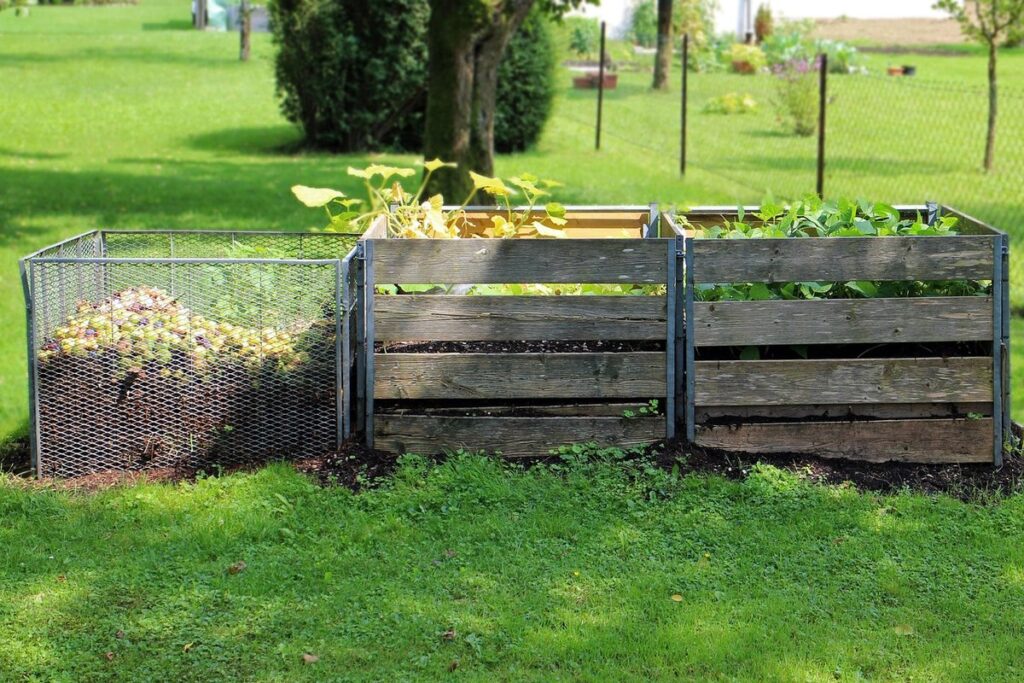
What is Worm Composting and Why You Need a Bin
So, you’re new to worm composting and want to know how it all works? Let’s start by covering the basics of what worm composting is and why you need a dedicated bin.
Benefits of Vermicomposting
Vermicomposting offers numerous benefits that make it an attractive option for gardeners and environmental enthusiasts alike. One of the most significant advantages is the reduction of waste. By using worms to break down food scraps and other organic materials, you’ll be diverting a substantial amount from landfills. According to the US Environmental Protection Agency (EPA), over 30% of household trash is made up of organic materials that could be composted.
Another benefit of vermicomposting is the production of nutrient-rich compost. The worms’ waste is packed with nitrogen, phosphorus, and potassium – essential nutrients for healthy plant growth. In fact, a single pound of worm castings can contain up to 10 times more beneficial microorganisms than traditional compost. This means you’ll be creating a high-quality fertilizer that promotes soil health and fertility.
Vermicomposting also requires minimal space, making it perfect for small gardens or urban dwellers with limited outdoor areas. A compact worm bin can be easily kept on a balcony or in a backyard, allowing anyone to participate in this eco-friendly practice.
Types of Worms Suitable for Composting
When it comes to worm composting, not all worms are created equal. The two most popular species used for vermicomposting are the Red Wiggler (Eisenia fetida) and the European Nightcrawler (Eisenia hortensis). These worms have specific characteristics that make them ideal for breaking down food waste into nutrient-rich compost.
Red Wigglers, in particular, thrive in worm bins and can process a significant amount of organic matter. They’re well-suited to handle high temperatures, moisture levels, and even overcrowding – making them a popular choice among vermicomposting enthusiasts. On the other hand, European Nightcrawlers are more tolerant of dry conditions but work slower than Red Wigglers.
To obtain these worms, you can purchase them from reputable suppliers or online retailers that specialize in worm composting kits. Some nurseries and gardening stores may also carry them, although availability might be limited. Alternatively, if you already have a healthy population of worms in your garden, you can harvest some for use in your worm bin.
When selecting worms, ensure they’re healthy and active. Avoid buying from individuals who collect worms from public spaces or areas with potential contaminants.
Choosing the Right Location for Your Bin
When choosing the right location for your worm composting bin, several factors come into play. First and foremost, consider the lighting conditions. Worms are sensitive to extreme temperatures and light exposure, so a shaded area is ideal. Direct sunlight can cause the worms to burrow deeper in search of cooler temperatures, which may lead to uneven decomposition.
Next, think about the temperature range. Worm composting thrives between 55°F to 77°F (13°C to 25°C). Avoid placing your bin near heating vents, radiators, or air conditioning units as they can fluctuate the temperature and affect the worms’ comfort level. Additionally, proximity to a water source is crucial. Ensure that your bin is within a few feet of a water supply for easy maintenance.
Consider your worm composting bin’s size and capacity when choosing its location. Leave enough space around the bin for easy access and maintenance. If possible, place it near a drain or sloped area to facilitate liquid harvesting and prevent water from accumulating near the bin. By carefully selecting the right spot for your worm composting bin, you’ll create an optimal environment for efficient decomposition and successful vermicomposting.
Designing and Building Your Worm Composting Bin
Now that you have a basic understanding of worm composting, let’s dive into designing and building your very own worm bin to start turning kitchen scraps into nutrient-rich fertilizer. We’ll cover everything from choosing the right materials to creating an efficient design.
Materials Needed for Construction
To build a worm composting bin that’s efficient and effective, you’ll need to gather the right materials. First and foremost, you’ll require a plastic container with a lid, such as a large tub or bucket. This will serve as the main structure of your worm composting bin.
In addition to the container, you’ll also need some wire mesh to cover the bottom and sides for aeration purposes. Wire mesh helps prevent worms from escaping while allowing oxygen to penetrate the bin. Make sure it’s securely attached with screws or zip ties.
You may also want to add some wood or PVC pipes to create additional trays or compartments within the bin, which can aid in separating worm castings from any uneaten food waste. This is a great way to maximize space and promote efficient composting.
For the lid, you’ll need some strong wire mesh or a piece of hardware cloth that fits snugly over the top. This will keep pests out while allowing excess moisture to escape. Remember to leave enough space between the mesh for air circulation and easy feeding access.
DIY vs. Store-Bought Bins: Pros and Cons
When it comes to setting up your worm composting bin, you have two main options: building one yourself or purchasing a pre-made bin from a supplier. Both approaches have their advantages and disadvantages.
Building your own bin can be a fun and cost-effective way to get started with worm composting. By using recycled materials like old pallets or plastic containers, you can create a unique and eco-friendly bin that suits your needs. However, it requires some DIY skills and time to design and assemble the bin correctly. Additionally, if you’re not careful, your homemade bin might not provide adequate ventilation, which can lead to odors and pests.
On the other hand, purchasing a pre-made bin from a supplier offers convenience and consistency. Store-bought bins are designed with worm composting in mind, ensuring proper ventilation, drainage, and pest control. However, they can be more expensive than building your own, especially if you’re on a tight budget.
Consider the following factors when deciding between DIY and store-bought bins: what’s your budget like? Do you have experience with carpentry or DIY projects? How much space do you have available for the bin? Answering these questions will help you make an informed decision that suits your needs.
Setting Up Your Worm Composting Bin
Now that you’ve chosen your worm composting bin, let’s get started on setting it up properly to ensure a thriving worm community and effective composting. This section covers essential steps for initial setup.
Layering Materials for Optimal Composting
When layering materials for optimal composting, it’s essential to create an environment that encourages worm activity and efficient decomposition. Start by adding a 4-6 inch layer of coarse materials such as shredded newspaper, cardboard, or bark chips at the bottom of your bin. This helps with drainage and prevents moisture from accumulating.
Next, add a 2-3 inch layer of “green” materials like food scraps, grass clippings, or manure. These high-nitrogen materials provide the necessary nutrients for microbial growth. However, be mindful not to overdo it – too many greens can create anaerobic conditions that hinder worm activity.
Follow with a 2-3 inch layer of “brown” materials like dried leaves, straw, or coconut coir. These high-carbon materials help balance out the nitrogen-rich greens and provide structure for the compost pile. Aim for a mix of 2/3 brown materials to 1/3 green materials for optimal decomposition.
Remember to keep your layers loose and not compacted, allowing air to circulate and promoting worm movement throughout the bin. As you add new layers, gently mix the contents to maintain even moisture levels and prevent matting.
Monitoring pH Levels and Moisture Content
Monitoring pH levels and moisture content is crucial for maintaining a healthy worm composting bin. Worms thrive in an environment with optimal pH levels between 6.5 and 7.5. You can use pH test kits to measure the acidity or alkalinity of your bin’s contents. These kits are available at most gardening stores and typically consist of pH indicator strips that change color based on the pH level.
To maintain optimal moisture content, ensure the bin is not too dry or too wet. A general rule of thumb is to keep the mix moist but not soggy. You can check the moisture levels by gently lifting a corner of the bin. If it feels heavy and spongy, it’s likely too wet. Conversely, if it’s light and crumbly, it may be too dry.
For adjustments, add water to increase moisture or incorporate more bedding materials like shredded newspaper to absorb excess moisture. Monitor your pH levels regularly, adjusting as necessary by adding lime to raise the pH or peat moss to lower it.
Maintaining Your Worm Composting Bin
To keep your worm composting bin healthy and thriving, you’ll need to regularly monitor moisture levels, aeration, and add new materials to create an ideal environment for your worms.
Feeding Your Red Wiggler Friends
When it comes to feeding your red wiggler friends, you’ll want to provide them with a balanced diet that includes a mix of “green” and “brown” materials. Green materials like vegetable scraps, fruit peels, and tea bags are rich in nitrogen, but can be too acidic if fed in excess. To avoid this, make sure to balance green materials with brown ones like shredded newspaper, cardboard, or coconut coir.
As a general rule of thumb, aim for a 2:1 ratio of brown to green materials. For example, if you add a handful of veggie scraps, follow it up with two handfuls of shredded paper or cardboard. Avoid feeding them meat, dairy, or oily foods as these can attract pests and create unpleasant odors.
In terms of specific foods, worms love cucumbers, carrots, and apples, but be sure to chop them into small pieces before adding them to the bin. You can also include coffee grounds and eggshells in moderation – they’re rich in calcium and other micronutrients that will keep your worms healthy and thriving.
Harvesting Compost and Managing Pests
When it’s time to harvest your mature compost, you’ll notice a significant change in its texture and appearance. It should be dark, crumbly, and have an earthy aroma. To harvest, simply remove the finished compost from the bottom of the bin using a shovel or spoon, leaving behind any liquid “tea” that can be used as fertilizer.
Managing pests is crucial to maintaining a healthy worm population. Red wiggler worms are resistant to many common pests, but they’re not immune to all of them. Check your bin regularly for signs of pests like mites, springtails, or fruit flies. To manage these pests, ensure good ventilation in the bin and maintain a consistent moisture level.
Aim to maintain a worm population ratio of 1 pound of worms per square foot of surface area. This will prevent overcrowding, which can lead to disease and pest issues. Regularly inspect your worms for signs of stress or illness, such as lethargy, discolored skin, or unusual behavior. If you notice any problems, take corrective action by adjusting the bin’s environment or treating with beneficial microorganisms.
Troubleshooting Common Issues in Worm Composting Bins
Don’t worry, we’ve all been there – a worm composting bin not working as expected can be frustrating. Let’s tackle some common issues and find solutions together.
Too Much Moisture: Causes and Solutions
One of the most common issues worm composting bin owners face is too much moisture. When the bin becomes overly saturated, it can lead to unpleasant odors, mold growth, and even the escape of worms from the bin. This occurs when the carbon-to-nitrogen ratio in the waste is off balance or when too many high-moisture items such as fruit and vegetable scraps are added.
To combat excess moisture, maintain a consistent carbon-to-nitrogen ratio by adding bulking agents like shredded newspaper or coconut coir to absorb excess liquid. Monitor your bin’s condition regularly and ensure that it has adequate drainage holes to prevent water accumulation.
Another solution is to add worms to the bin gradually, allowing them to break down materials efficiently without overloading the system. It’s also essential to maintain a balance between “green” (high in nitrogen) and “brown” (high in carbon) materials to create an ideal environment for worm composting.
By implementing these strategies, you can prevent too much moisture from becoming a problem in your worm composting bin. This will help ensure the health and productivity of your worms, as well as the quality of your finished compost.
Inadequate Aeration: Effects and Fixes
Inadequate aeration is one of the most common issues you may encounter when using a worm composting bin. If you notice that your worms are not burrowing into their bedding or seem sluggish, it’s likely due to poor airflow. Identify inadequate aeration by checking for signs such as an unpleasant odor, mold growth, or if your worms have started to tunnel upward in search of oxygen.
To improve airflow in your worm composting bin, start by adding more bedding material that allows for good air circulation, like shredded newspaper or coconut coir. Next, ensure that the bin’s drainage holes are clear and functioning properly, allowing excess moisture to escape. You can also try adding a few handfuls of finished compost to help balance out the carbon-to-nitrogen ratio.
Another key fix is to increase the number of vents or add new ones if your bin doesn’t have enough. This allows fresh air to enter the bin while releasing stale air. Make sure to maintain an adequate moisture level, as excess water can suffocate your worms and create anaerobic conditions that lead to odors and mold growth.
Advanced Techniques for Worm Composting Bins
Take your worm composting skills to the next level by learning advanced techniques that will boost your bin’s efficiency and speed up the decomposition process. We’ll dive into expert tips for maximizing nutrient production.
Creating a Worm Hotel or Habitat
Creating a worm hotel or habitat is an advanced technique that can take your worm composting bin to the next level. By providing a diverse range of habitats for worms, you can increase their diversity and improve the overall quality of your compost.
When designing a worm hotel, consider including different types of materials such as cardboard tubes, coconut coir, and shredded newspaper. These materials provide varying levels of moisture retention, aeration, and shelter for worms to thrive in. By incorporating multiple habitats within your bin, you can create an environment that supports the growth of red wigglers, nightcrawlers, and other worm species.
To implement this technique, start by filling one section of your bin with a specific material, such as shredded newspaper. Next, add another section with a different material, like coconut coir. By alternating between these materials, you create multiple micro-habitats that cater to the unique needs of various worm species. This approach not only supports increased worm diversity but also enhances the overall quality and fertility of your compost.
By incorporating a worm hotel into your bin, you can expect improved compost quality, reduced odors, and an enhanced ecosystem.
Using Worm Compost Tea for Fertilization
Worm compost tea is a liquid solution made by steeping worm compost, also known as vermicompost, in water. This process allows the beneficial microorganisms present in the vermicompost to infuse into the liquid, creating a nutrient-rich fertilizer for plants.
To make worm compost tea, simply add one part of worm compost to 10 parts of water in a bucket or container. Stir well and let it steep for 24-48 hours. The mixture will start to bubble and emit a earthy aroma, indicating the presence of beneficial microbes.
You can use worm compost tea as a foliar spray or add it to your irrigation system to provide plants with essential nutrients and microorganisms. It’s particularly useful for seedlings, cuttings, and young plants that require extra support during their early growth stages.
Some tips for optimizing the effectiveness of worm compost tea include: aerating the liquid regularly to prevent anaerobic conditions, using a high-quality worm compost as the base material, and applying it in moderation to avoid over-fertilizing your plants. By incorporating worm compost tea into your gardening routine, you can create a more balanced and resilient ecosystem for your plants to thrive.
Frequently Asked Questions
Can I use a worm composting bin indoors, or is it better suited for outdoor spaces?
Yes, you can definitely use a worm composting bin indoors, especially if you have limited outdoor space. However, ensure good ventilation and maintain a consistent temperature between 55-77°F (13-25°C) to keep your worms healthy.
How often should I harvest the compost, and what’s the ideal ratio of ‘black gold’ to worm castings?
Harvest the compost every 1-2 months, depending on the moisture content. Aim for a mix of 10-20% vermicompost and 80-90% worm castings for optimal soil amendment.
What happens if I have too many worms in my bin, and how can I prevent overcrowding?
Yes, having too many worms can lead to overcrowding and reduced composting efficiency. To avoid this, maintain a balance of 1-2 pounds of worms per square foot of bin space and ensure adequate aeration.
Can I use worm compost tea as a fertilizer for my indoor plants, or is it specifically designed for outdoor gardening?
Yes, worm compost tea can be used as a fertilizer for both indoor and outdoor plants. It’s an excellent liquid solution to promote plant growth, improve soil structure, and reduce pest issues.
How do I deal with pests like fruit flies or ants in my worm composting bin, and are there any natural deterrents?
Yes, pests like fruit flies and ants can be a nuisance in worm composting bins. To manage them, maintain good hygiene practices, use diatomaceous earth to deter ants, and avoid overfeeding, which attracts fruit flies.
Can I add meat or dairy products to my worm composting bin, or are they strictly off-limits?
No, it’s generally not recommended to add meat or dairy products to your worm composting bin, as they can attract pests and create unpleasant odors. Stick to adding vegetable scraps, fruits, and other organic materials for optimal vermicomposting results.