
When it comes to natural soil amendments, two popular options often get confused with each other: worm castings and compost. While both are nutrient-rich and beneficial for gardening, they have distinct differences in production processes, nutrient profiles, and applications. As a gardener, it’s essential to understand these differences to choose the best option for your needs. In this article, we’ll delve into the world of worm castings vs compost, exploring how each is made, what nutrients they contain, and where they shine in gardening. We’ll also discuss their potential uses, from improving soil structure to supporting plant growth, so you can make informed decisions about which natural soil amendment works best for your garden. By the end of this article, you’ll have a clear understanding of these two popular options.
Introduction to Soil Amendments
Let’s start by exploring the world of soil amendments, where worm castings and compost come into play. This section introduces you to the basics of each option.
Benefits of Using Natural Soil Amendments
When you start using natural soil amendments like worm castings and compost, you’ll be amazed at the benefits they bring to your garden. For one, these amendments can dramatically improve the structure of your soil. Compost, for example, is rich in humus, which helps to break up clay soils and add organic matter to sandy soils. Worm castings, on the other hand, are packed with microorganisms that help to bind soil particles together, creating a more stable and fertile growing medium.
The availability of essential nutrients is another advantage of using natural soil amendments. Compost is teeming with nitrogen, phosphorus, and potassium – the three primary macronutrients plants need to thrive. Worm castings, meanwhile, are high in micronutrients like iron, zinc, and copper that support healthy plant growth.
Microbial activity is also boosted by natural soil amendments. These microorganisms help to decompose organic matter, solubilize minerals, and produce plant hormones, all of which contribute to a thriving ecosystem. By introducing worm castings or compost into your garden, you’re essentially providing a nutrient-rich feast for these beneficial microbes.
By incorporating natural soil amendments into your gardening routine, you’ll be creating a more balanced and resilient environment that will reward you with healthier plants, increased crop yields, and reduced fertilizer needs.
Brief History of Composting and Vermicomposting
Composting has been around for thousands of years, with evidence suggesting that ancient civilizations such as the Egyptians and Greeks used decomposed organic matter to fertilize their crops. The practice of composting was also documented in China during the Han Dynasty (206 BCE – 220 CE), where it was known as “huguk”. This ancient method involved mixing animal waste and plant material together, allowing it to break down into a nutrient-rich soil amendment.
Vermicomposting, on the other hand, has its roots in Asia and Europe. In Japan, vermicomposting has been practiced for centuries, with evidence of worm composting dating back to the 17th century. Similarly, in Europe, Charles Mansfield is often credited with inventing the first commercial worm composter in the 1970s.
Today, both composting and vermicomposting continue to gain popularity worldwide due to their ability to divert waste from landfills and create valuable soil amendments for gardening and agriculture. By understanding the history behind these methods, we can appreciate the evolution of our current approaches to sustainable living and waste management.
What is Worm Casting?
So, you’re new to worm castings and want to know what all the fuss is about. Let’s dive into the basics of worm casting, also known as vermicompost.
Production Process of Worm Castings
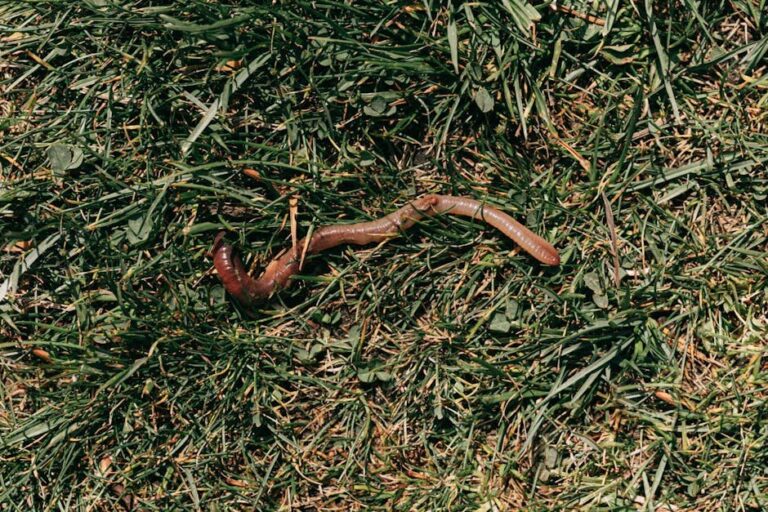
The production process of worm castings, also known as vermicomposting, is a natural and efficient way to create nutrient-rich fertilizer. It begins with red wiggler worms (Eisenia fetida) that break down organic matter into a liquid compost called leachate. To start, a mix of “green” materials like food scraps, grass clippings, or manure is added to a worm bin, providing the necessary carbon source for microbial activity.
The worms play a crucial role in this process as they tunnel through the material, consuming microorganisms and excreting castings rich in nitrogen, phosphorus, and potassium. Temperature control is also vital, with optimal ranges between 55-77°F (13-25°C) for optimal worm activity. Maintaining adequate moisture levels is equally important to prevent anaerobic conditions.
Proper food sources are essential; a mix of 2/3 “brown” materials like shredded newspaper or coconut coir and 1/3 “green” materials provides the perfect balance. Regular monitoring of pH, temperature, and moisture ensures optimal worm activity.
Nutrient-Rich Characteristics of Worm Castings
Worm castings are renowned for their exceptional nutrient-rich characteristics, making them an attractive alternative to compost. One of the key factors contributing to their high nutritional value is their pH level, which typically ranges between 6.5 and 7.0. This slightly acidic environment fosters a perfect balance for microbial growth.
The C:N (carbon-to-nitrogen) ratio in worm castings is another crucial aspect. A well-balanced C:N ratio of around 10:1 or lower ensures that microorganisms have an adequate food source, allowing them to break down organic matter efficiently and produce valuable nutrients.
Worm castings also boast a diverse microbial population, comprising beneficial bacteria, fungi, and protozoa. These microbes play a vital role in decomposing organic matter, solubilizing minerals, and producing plant growth-promoting substances. By incorporating worm castings into your gardening routine, you can expect improved soil structure, increased nutrient availability, and enhanced plant health.
When using worm castings, it’s essential to note that they should be used as a concentrated fertilizer rather than a soil amendment. A typical application rate is 10-20% of the total soil volume, depending on the specific needs of your plants.
What is Compost?
So, you’re new to composting and want to know the basics – let’s dive into what compost actually is: a nutrient-rich soil amendment made from decomposed organic matter.
Types of Composting Methods
When it comes to creating nutrient-rich compost for our gardens, there are several methods to choose from. Understanding these different approaches can help you decide which one best suits your needs and lifestyle.
Hot composting is a fast-paced method that involves actively managing the decomposition process. This technique requires regular turning of the pile, ensuring that oxygen reaches all areas. While it’s efficient in producing high-quality compost within a short period, hot composting can be labor-intensive and may attract pests if not managed properly. For example, a study by the University of California, Davis found that hot composting resulted in a 45% increase in nutrient content compared to cold composting.
Cold composting, on the other hand, is a slower process that allows materials to decompose naturally without much intervention. This method requires less maintenance but may take several months or even years to produce usable compost. Bokashi composting, an Asian-style technique, uses microorganisms to ferment organic matter in a controlled environment. It’s ideal for small-scale operations and can be particularly useful for breaking down kitchen scraps. By considering these different methods, you can select the one that best suits your garden’s needs and your personal preferences.
Some key factors to consider when choosing a composting method include available space, time commitment, and type of materials being processed. For instance, if you have limited space, cold composting might be a more suitable option. If you’re looking for faster results, hot composting could be the way to go. Ultimately, selecting the right composting method will depend on your specific circumstances and goals.
Benefits of Using Compost in Gardens and Landscapes
Using compost in gardens and landscapes offers numerous benefits that can significantly improve their overall health and productivity. One of the most significant advantages is improved soil fertility. Compost enriches the soil with essential nutrients, such as nitrogen, phosphorus, and potassium, which are vital for plant growth. By incorporating compost into your garden or landscape, you’ll notice a marked improvement in soil structure, making it easier to cultivate and retain moisture.
Compost also promotes overall plant health by providing beneficial microbes that help plants fight off diseases and pests. This leads to healthier plants with stronger root systems, which in turn increases their ability to absorb nutrients from the soil. Furthermore, compost acts as a natural fertilizer, eliminating the need for synthetic fertilizers and reducing your environmental footprint.
To get started with using compost in your garden or landscape, begin by adding a 2-3 inch layer of compost to the topsoil before planting. You can also mix it into existing soil or use it as a mulch to retain moisture and suppress weeds.
Key Differences between Worm Castings and Compost
One of the most common misconceptions when it comes to worm castings is that they’re essentially just compost, but there are some key differences. Let’s break down what sets them apart.
pH Levels and Nutrient Availability
When it comes to growing healthy plants, nutrient availability and pH levels are crucial factors. Worm castings and compost differ significantly in these aspects, affecting plant growth and development.
Compost has a higher pH level than worm castings, often ranging from 7 to 8. This can be beneficial for neutral soils, but may lead to deficiencies in acidic-loving plants. Worm castings, on the other hand, have a more stable pH range of around 6.5-7.5, making them suitable for both acidic and alkaline soil conditions.
In terms of nutrient availability, worm castings are often richer in essential micronutrients like iron and zinc. This can contribute to improved plant growth, increased yields, and enhanced disease resistance. Compost may also be rich in nutrients, but its high pH level can lead to lock-up, where nutrients become unavailable to plants.
To maximize the benefits of either worm castings or compost, it’s essential to understand their pH levels and nutrient profiles. For instance, if you’re using compost on an acidic-loving plant like blueberries, be aware that its high pH might hinder nutrient uptake. In contrast, worm castings offer a more balanced approach, making them an excellent choice for gardeners seeking optimal results.
Microbial Activity and Population Dynamics
When it comes to microbial activity and population dynamics, worm castings and compost exhibit distinct characteristics that significantly impact soil health. Worm castings have been found to harbor a more diverse range of microorganisms compared to compost, including bacteria, fungi, and protozoa. This diversity is attributed to the unique breakdown process within worm castings, where red wiggler worms break down organic matter into a nutrient-rich substrate.
In contrast, composting involves a broader temperature range, which can sometimes be too intense for certain microbial populations. As a result, compost may have fewer beneficial microbes overall, albeit with a greater abundance of those that are able to survive the conditions. The implications of these differences extend to soil health: worm castings promote healthy root growth, enhance plant resilience against disease and pests, and exhibit better water-holding capacity.
In practical terms, this translates into gardeners selecting worm castings for applications requiring high microbial diversity and soil fertility. By introducing worm castings directly into the soil, growers can create a more dynamic ecosystem that fosters beneficial microbial relationships and overall soil health.
Comparison of Worm Castings and Compost Applications
Worm castings and compost are both excellent soil amendments, but how do they compare when it comes to effectiveness and ease of use? Let’s dive into the details.
In-Ground vs. Top-Dressing Applications
When it comes to using worm castings and compost for plant growth, one of the key decisions you’ll need to make is whether to use them as an in-ground amendment or a top-dressing. Both methods have their own advantages and disadvantages, and the right choice will depend on your specific gardening needs.
In-ground applications involve mixing worm castings or compost directly into the soil before planting. This method allows for deeper penetration of nutrients and can be especially beneficial for established plants that require extra nourishment. However, it requires more labor upfront as you’ll need to till in the amendments, which can damage delicate roots.
Top-dressing involves applying a layer of worm castings or compost on top of the soil surface after planting. This method is simpler and less invasive, but it may not penetrate as deeply into the soil. Consider using top-dressing for seedlings or young plants that benefit from a quick boost of nutrients without disturbing their roots.
Ultimately, the choice between in-ground and top-dressing applications comes down to your specific gardening goals and preferences. By understanding the benefits and limitations of each method, you can make an informed decision that works best for your plants.
Timing and Frequency of Application
When it comes to using worm castings and compost in gardening, understanding the optimal timing and frequency of application is crucial for maximum benefits. Seasonal fluctuations can impact the effectiveness of these natural fertilizers, so it’s essential to know when and how often to apply them.
Worm castings can be applied year-round, but they’re most effective during periods of high growth. For example, if you’re growing vegetables or fruits that require a lot of nutrients, such as tomatoes or leafy greens, apply worm castings during the spring and summer months. Aim for 1-2 pounds per 100 square feet every 4-6 weeks.
Compost, on the other hand, is best applied in the fall or early spring when the soil temperature is cooler. This allows microorganisms to break down the compost and make it available to plants as they grow. Mix 10-20% compost into the top 6 inches of soil before planting.
Consider the specific needs of your garden and adjust application schedules accordingly. For example, if you have a succulent garden that thrives in dry conditions, apply worm castings less frequently to prevent over-fertilization. By timing applications strategically, you can optimize the benefits of both worm castings and compost for a healthier, more productive garden.
Choosing Between Worm Castings and Compost
When deciding between worm castings and compost, it’s essential to consider their unique characteristics and benefits for your garden. Let’s weigh the pros of each option together.
Factors Influencing the Decision
When deciding between worm castings and compost, several key factors come into play. One of the primary considerations is cost. Worm castings are generally more expensive than compost due to the labor-intensive process involved in vermicomposting. However, some gardeners argue that the higher price point is justified by the enhanced soil quality and increased yields they provide.
Another crucial factor is availability. Compost can be easily made at home using kitchen scraps and yard waste, making it a readily available option for many gardeners. In contrast, worm castings may require purchasing specialized equipment or even hiring a professional to set up an indoor vermicomposting system.
Environmental considerations also play a significant role in this decision. Worm castings are produced without the need for heat, which can be energy-intensive and contribute to greenhouse gas emissions. Compost production, on the other hand, often involves high temperatures that can lead to nutrient loss. Ultimately, gardeners must weigh these factors against their specific needs and goals to make an informed choice between worm castings and compost.
Integration into Existing Soil Amendment Strategies
When integrating worm castings and compost into existing soil amendment strategies, consider their unique benefits and potential synergies. Worm castings, rich in microorganisms and nutrients, can be used as a concentrated fertilizer, while compost provides a more slow-release nutrient source.
To maximize the impact of both, use them together to create a balanced soil amendment blend. For example, mix 10-20% worm castings with 80-90% compost to leverage their complementary properties. Worm castings can enhance seed germination and initial plant growth, while compost provides sustained nutrient release as plants mature.
When choosing between using one or the other, consider your specific needs: do you want rapid nutrient uptake or gradual, long-term fertilization? If your soil lacks microorganisms, worm castings may be a better starting point. However, if your goal is to replenish and maintain a healthy microbial community, compost might be more suitable.
By combining these two natural resources thoughtfully, you can create a comprehensive soil amendment strategy that addresses various aspects of plant nutrition and health.
Conclusion
So, you’ve made it through the comparison of worm castings and compost – now let’s summarize the key takeaways from our discussion on these two nutrient-rich soil amendments.
Recap of Key Points
In conclusion, we’ve explored the key differences between worm castings and compost. Remember that worm castings are a nutrient-rich soil amendment produced by worms as they break down organic matter, while compost is a more general term for decomposed plant material. Worm castings have a higher concentration of nutrients and a finer texture than compost.
Key takeaways from this article include the benefits of using worm castings in your garden or indoor plants, such as improved soil structure, increased fertility, and reduced chemical use. We also discussed how to make your own worm castings at home with a worm bin, and highlighted the importance of maintaining optimal conditions for worm production.
To summarize: if you’re looking for a high-quality, concentrated fertilizer for your plants, worm castings might be the better choice. However, if you have a large quantity of organic waste and want to create a more general-purpose soil amendment, composting may be the way to go. By understanding these differences, you can make informed decisions about which option is best for your specific needs.
Recommendations for Future Research and Development
As we conclude our comprehensive guide to worm castings vs compost, it’s clear that there is still much to be explored and developed within the realms of vermicomposting and composting. To take these practices to the next level, several areas require further research and development.
One key area for future study is the optimization of worm casting quality control methods. Current techniques often rely on manual inspections or simple pH tests, which can be time-consuming and inconsistent. Developing more efficient and reliable methods would greatly benefit vermicomposting operations worldwide.
Another area ripe for exploration is the scalability of worm composting systems. As interest in sustainable waste management grows, there is a need to develop larger-scale systems that can effectively process high volumes of organic matter. This might involve innovative designs or technologies that facilitate easier maintenance and monitoring.
To address knowledge gaps and improve practices, researchers should also investigate the long-term effects of worm castings on soil health and plant growth. This could involve multi-year field trials comparing the impacts of worm castings to traditional composting methods.
Ultimately, by prioritizing these research areas, we can refine our understanding of vermicomposting and composting, ultimately creating more efficient, effective, and sustainable waste management solutions for communities around the world.
Frequently Asked Questions
How do I integrate worm castings and compost into my existing soil amendment strategy?
If you’re already using other natural soil amendments, incorporating worm castings or compost is relatively easy. Start by mixing a small amount of the chosen amendment into your soil, then gradually increase the proportion as needed. Monitor your plants’ responses to adjust the application rates accordingly.
Can I use worm castings and compost together in my garden?
Yes, you can combine both worm castings and compost for an even more potent natural soil amendment. This blend offers a wider range of nutrients and microorganisms, which can lead to improved soil structure and enhanced plant growth. Mix 10-20% worm castings with 80-90% compost for optimal results.
How often should I apply worm castings or compost to my garden?
The frequency of application depends on various factors, including the specific nutrient requirements of your plants and the overall health of your soil. Generally, it’s recommended to apply these amendments every 2-3 months during the growing season, adjusting the interval based on your observations of plant growth and soil fertility.
Can I make worm castings or compost at home?
Both worm castings and compost can be produced at home with a bit of effort and dedication. For worm castings, you’ll need a worm composter (vermicomposter) to maintain optimal conditions for the worms. Compost production involves collecting organic waste, layering it in a designated area, and allowing microorganisms to break it down over time.
How do I store unused worm castings or compost?
To preserve their nutrient-rich properties, store both worm castings and compost in a cool, dry place away from direct sunlight. You can also add a moisture-retaining agent like perlite or vermiculite to prevent drying out. For long-term storage, consider sealing the containers with plastic wrap or aluminum foil to maintain humidity levels.