
As we welcome the arrival of spring, the forest floor comes alive with a kaleidoscope of colors and scents. Among the vibrant blooms that dot the woodland landscape are the enchanting woodland wildflowers – hidden gems waiting to be discovered by nature enthusiasts like you. Not only do these delicate flowers add an extra layer of magic to our surroundings, but they also play a vital role in supporting local ecosystems.
As we explore the world of woodland wildflowers this spring, we’ll delve into the essential tips and techniques for cultivating your own garden, showcasing stunning photography opportunities, and learning responsible foraging practices. From identifying the most sought-after species to understanding how to care for these fragile beauties, our comprehensive guide will equip you with everything you need to appreciate and protect these precious wildflowers.
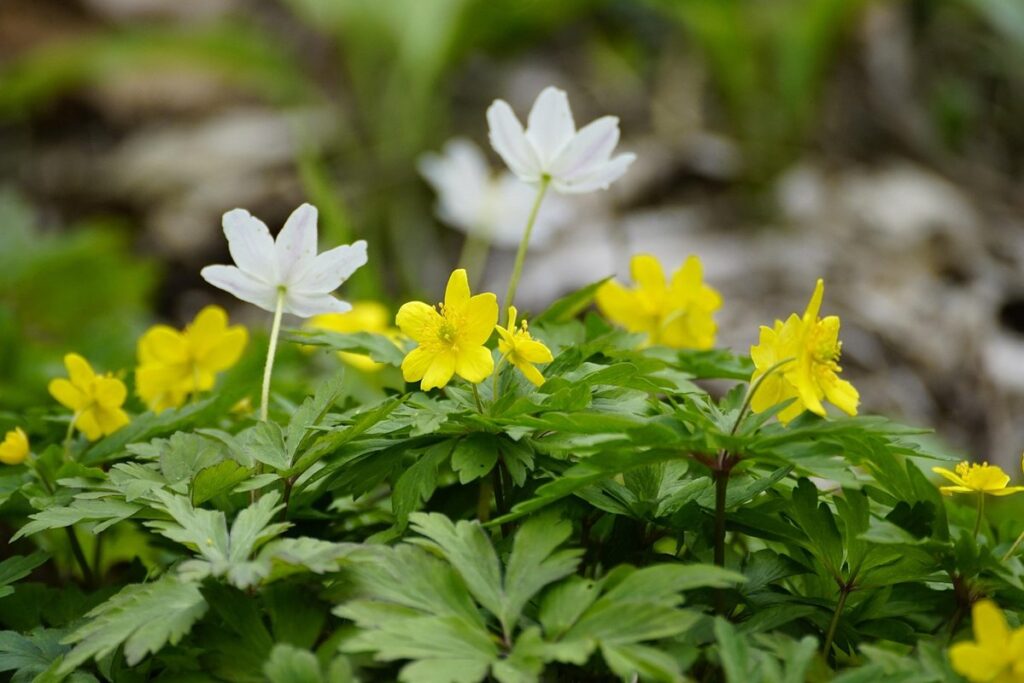
Introduction to Woodland Wildflowers
As we explore the enchanting world of woodland wildflowers, it’s essential to understand what these delicate blooms are and why they’re such an integral part of our forest ecosystem. Let’s dive into their unique characteristics.
What are Woodland Wildflowers?
Woodland wildflowers are a delightful sight to behold, and if you’re new to this world of beautiful blooms, let’s start with the basics. These enchanting flowers thrive in woodland environments, where trees create dappled shade and the soil is rich in organic matter. The term “wildflower” refers to plants that grow naturally without human intervention, and “woodland wildflowers” specifically indicates their affinity for wooded areas.
Examples of woodland wildflowers include trillium, bellworts, and violets, each with its unique characteristics and growth habits. Trillium, for instance, produces three-petaled flowers in shades of white or pink, while bellworts boast nodding, bell-shaped blooms. These flowers often bloom in early spring, taking advantage of the season’s gentle warmth and moisture.
As you explore your local woodland areas, keep an eye out for these hidden gems. To encourage woodland wildflowers to grow in your own yard, choose a spot with dappled shade and well-draining soil. Avoid using chemical fertilizers or pesticides, which can harm these delicate plants. Instead, opt for natural gardening methods that promote a healthy ecosystem.
Importance of Woodland Wildflowers in Ecosystems
Woodland wildflowers play a vital role in supporting local ecosystems and promoting biodiversity. These small yet resilient flowers provide an essential food source for pollinators like bees, butterflies, and hummingbirds. In fact, research has shown that 75% of the world’s crop species rely on animal pollination, which is heavily dependent on woodland wildflowers.
Beyond their role as a food source, woodland wildflowers also serve as habitat and shelter for various animals, such as rabbits, deer, and insects. For instance, ladybugs often hide in the folds of wildflower petals to escape predators. Woodland wildflowers’ diverse shapes, sizes, and colors create complex structures that provide shelter, protection, and breeding grounds for these creatures.
By planting woodland wildflowers in your garden or supporting local conservation efforts, you can contribute to maintaining ecosystem balance and promoting biodiversity. Consider incorporating native species into your landscape design to attract beneficial insects and support the local food chain.
Choosing the Right Location for Woodland Wildflowers
When selecting a spot for your woodland wildflowers, consider the amount of sunlight and moisture they’ll receive, as these factors greatly impact their growth and bloom.
Selecting a Suitable Site
When selecting a location for your woodland wildflowers, it’s essential to consider the site’s soil, sunlight, and moisture conditions. Woodland wildflowers typically thrive in areas with rich, humus-rich soils that are slightly acidic. If your soil is heavy clay or sandy, amend it by adding organic matter like compost or leaf mold to create a more balanced environment.
In terms of sunlight, woodland wildflowers prefer dappled shade to full sun. Look for spots under trees with open canopies or near shrubs that filter the sun’s rays. Aim for at least 4-6 hours of indirect light per day to encourage blooming. Moisture is also crucial; woodland wildflowers need consistent moisture, especially during their first growing season.
To create a suitable site, consider creating a woodland garden bed with layers of mulch and compost. This will help retain moisture and suppress weeds while providing a welcoming environment for your wildflower seeds. Be mindful of nearby water sources and drainage to ensure that your site doesn’t become too wet or dry during spring showers. By carefully selecting a location with the right conditions, you’ll be well on your way to growing vibrant, thriving woodland wildflowers.
Preparing the Soil for Planting
When preparing the soil for planting woodland wildflowers, it’s essential to create an environment that fosters healthy growth and development. Woodland wildflowers thrive in well-draining, humus-rich soils with a slightly acidic pH, typically between 6.0 and 7.0.
To achieve this ideal soil composition, start by loosening the top 8-10 inches of soil using a garden fork or tiller. Remove any debris, weeds, or roots that may be present. Next, mix in 2-3 inches of compost or well-rotted manure to increase the soil’s fertility and water-holding capacity.
It’s also crucial to maintain the right moisture levels during this period. Woodland wildflowers prefer consistent moisture but can tolerate some drought. Water the soil gently but thoroughly after planting, and keep it consistently moist for the first few weeks after germination.
Additionally, consider incorporating organic matter like leaf mold or peat moss into the soil. These amendments will help to improve drainage, reduce soil compaction, and create a favorable environment for your woodland wildflowers to flourish.
Popular Types of Woodland Wildflowers for Spring
As you start planning your woodland wildflower garden, let’s take a look at some of the most stunning and easy-to-grow species that bloom in spring. From violets to bellworts, we’ll cover them all.
Spring-Blooming Wildflowers
Spring is a magical time for woodland wildflowers, with many species bursting into bloom as the last wisps of winter dissipate. Among the most popular types of spring-blooming woodland wildflowers are trillium, bellwort, and violets – each with its own unique charm.
Trillium, also known as wake-robin, is a perennial favorite among wildflower enthusiasts. With three white petals and three green sepals, this delicate flower blooms in late April to early May, often growing in shaded areas beneath the canopy of deciduous trees. Its nodding habit makes it easy to spot, but be sure to handle them gently, as trillium can be sensitive.
Bellwort (Uvularia grandiflora) is another spring-blooming standout, boasting drooping yellow flowers that resemble tiny bells. These wildflowers typically bloom in late March to early April and prefer well-drained soils with partial shade. Violets, on the other hand, are some of the first woodland wildflowers to emerge in spring, their delicate purple flowers blooming as early as February or March.
When foraging for these spring-blooming beauties, be mindful of protected areas and respect any local regulations regarding harvesting or collecting. For a more immersive experience, try exploring these wildflowers in their natural habitats – you might just discover new favorites among the blooming woodland crowd!
Rare and Exotic Species
If you’re venturing into the woodlands during spring, you might be lucky enough to spot some of the rare and exotic species that call these areas home. One such example is the Ghost Orchid (Dendrophylax lindenii), found in the southeastern United States. This delicate flower blooms in April and May, its white petals almost invisible against the dark green foliage.
In the Pacific Northwest region of North America, you can look for the Western Buttercup (Ranunculus occidentalis) in woodland areas during spring. Its bright yellow petals are a welcome sight amidst the lush greens. However, be aware that it’s listed as a threatened species due to habitat loss and other environmental factors.
When searching for these rare species, keep an eye out for unique habitats such as old-growth forests or woodland edges where sunlight filters through the canopy. Spring is an excellent time to spot these blooms, but remember to respect their fragile habitats and follow any local regulations regarding plant collecting.
Growing Woodland Wildflowers from Seed or Transplanting
Growing woodland wildflowers can be a delightful experience, whether you choose to start from seed or transplant established plants into your garden. This process requires some know-how and patience, but the reward is well worth it.
Starting from Seeds
Starting from seeds can be a more affordable and accessible way to grow woodland wildflowers. To begin, you’ll need high-quality seeds specifically suited for woodland conditions. These typically come with a packet that contains sowing instructions. For most species, spring is the ideal time for sowing.
When preparing your seed starting mix, remember to use a well-draining blend that mimics woodland soil. Avoid using regular potting mixes, as they can retain too much moisture and lead to poor germination rates.
As you sow the seeds directly into the prepared mix, follow these guidelines: scatter them evenly, about 1-2 mm deep, and cover with a thin layer of the mix. Water gently but thoroughly after sowing.
Under ideal conditions, germination rates for woodland wildflowers can range from 60 to 80%. However, factors like light exposure, temperature fluctuations, and moisture levels can significantly impact these numbers.
Transplanting Established Plants
When transplanting established woodland wildflower plants, timing is crucial. The ideal time for transplantation varies depending on the specific species and climate. Generally, spring or fall are considered the best seasons for transplanting, as they offer a brief period of dormancy that allows the plant to adjust to its new environment.
Before transplanting, prepare the soil by loosening it to a depth of 8-10 inches. This will help the roots establish themselves quickly and promote healthy growth. If your wildflower is pot-bound, gently tease out some of the roots with your fingers or a blunt instrument like a chopstick. Handle the plant by its stems rather than its leaves to avoid causing damage.
Aftercare is essential for successful transplantation. Water your wildflower regularly during its first growing season, but ensure the soil drains well to prevent waterlogged conditions. Mulch around the base of the plant to retain moisture and suppress weeds. With proper care, your transplanted woodland wildflower should thrive in its new environment, blooming beautifully year after year.
Maintenance and Care of Woodland Wildflowers in Spring
As you watch your woodland wildflowers bloom, it’s essential to give them a little extra TLC during spring. This section shares expert tips on how to keep them thriving all season long.
Watering and Mulching
As you enjoy the vibrant blooms of woodland wildflowers in spring, it’s essential to provide them with the right care for optimal growth and health. Proper watering and mulching techniques play a significant role in maintaining healthy woodland wildflowers during this season.
Watering is crucial as it helps the plants establish strong roots, which are vital for their survival. However, overwatering can be detrimental, leading to root rot and other issues. To avoid this, water your woodland wildflowers when the top inch of soil feels dry to the touch. Aim to provide about 1-2 inches of water per week, either through rainfall or irrigation.
Mulching is another vital aspect of care that helps retain moisture, suppress weeds, and regulate soil temperature. Organic mulch like wood chips, bark, or leaves can be applied around 2-3 inches thick, keeping the area clear of debris and weeds. This not only maintains a clean environment but also retains moisture, reducing the need for frequent watering.
By adopting these simple yet effective techniques, you’ll be able to provide your woodland wildflowers with the best possible start in spring, ensuring they thrive throughout the season.
Pest and Disease Management
As spring arrives and woodland wildflowers begin to bloom, it’s essential to monitor them for common pests and diseases that can quickly spread and cause damage. Keep an eye out for aphids, whiteflies, and spider mites, which can suck sap from the plant, weakening its defenses. Inspect your plants regularly, looking for signs of infestation like curled or distorted leaves.
Diseases such as powdery mildew and leaf spot can also affect woodland wildflowers in spring. These fungal infections often spread through water droplets or contaminated soil. To manage disease, remove any infected areas to prevent the fungus from spreading. Improve air circulation around your plants, and consider using organic fungicides like neem oil or copper-based products.
To maintain a healthy ecosystem, avoid overwatering, which can exacerbate both pest and disease issues. Instead, water your woodland wildflowers deeply but infrequently to encourage deep root growth. Mulch around the base of the plants to retain moisture and suppress weeds that might harbor pests or diseases. Regularly inspecting your plants and taking prompt action can help prevent these common problems from affecting your blooming beauties.
Tips for Photography and Foraging in Woodland Wildflower Settings
When venturing into woodland wildflower settings, it’s essential to balance your desire to capture their beauty through photography with the need to respect these fragile environments. We’ve got some valuable tips for you on how to do just that.
Capturing Beautiful Images
When it comes to capturing beautiful images of woodland wildflowers, composition is key. Look for interesting shapes, textures, and patterns within the flowers themselves, as well as the surrounding environment. Consider incorporating elements like fallen branches, moss, or rocks into your shots to add depth and context.
Pay attention to lighting – soft, diffused light is ideal for capturing delicate colors and details. Early morning or late afternoon are perfect times to photograph, when the sun is low in the sky and casts a warm glow over the flowers. Avoid harsh midday sunlight, which can create unflattering shadows and highlights.
Experiment with different camera settings to achieve the desired effect. A wide aperture (like f/2.8) will blur the background and emphasize the flowers, while a narrower aperture (like f/11) will keep more of the scene in focus. Shoot in RAW format to capture maximum image detail and adjust exposure later during editing.
By paying attention to composition, lighting, and camera settings, you’ll be able to capture stunning photographs that do justice to these beautiful woodland wildflowers. Remember, practice makes perfect – experiment with different techniques and find what works best for you!
Responsible Foraging Practices
When collecting woodland wildflowers for use as cut flowers or in craft projects, it’s essential to practice responsible foraging. This not only ensures the long-term health of these beautiful blooms but also maintains their natural habitats.
Before you start gathering, take a moment to familiarize yourself with any local regulations regarding wildflower collection. Some species may be protected or require permits. Be aware that over-collecting can harm the plant population and ecosystem.
When selecting flowers, choose those that are in abundance and not vulnerable to disease or damage. Avoid picking from areas recently disturbed by human activity, such as trails or clear-cut zones. Instead, focus on mature, healthy patches with a diverse range of species.
To minimize impact, harvest only what you need, leaving some stems intact to allow for seed production. This ensures the continued growth and spread of the wildflower population.
Conclusion: Preserving Woodland Wildflowers for Future Generations
As we wrap up our guide to woodland wildflowers spring, it’s essential to consider the long-term health of these delicate ecosystems. By appreciating and protecting these blooming beauties, we can ensure their continued presence in our woodlands for future generations. To preserve woodland wildflowers, start by respecting their natural habitats and avoiding over-visitation during peak bloom seasons. This will help prevent soil erosion and damage to the surrounding environment.
Another crucial step is to support conservation efforts in your local area. Join forces with organizations working tirelessly to protect these ecosystems or participate in volunteer clean-up initiatives. By taking small actions, you can make a significant difference in preserving the beauty of woodland wildflowers for years to come. Remember, every effort counts, and collective action will ultimately safeguard the future of these incredible blooming wonders.
Frequently Asked Questions
Can I grow woodland wildflowers in containers or do they require a specific type of soil?
Growing woodland wildflowers in containers is possible, but it requires careful consideration of the soil mix and pot size. A well-draining potting mix with organic matter will help mimic the forest floor conditions these flowers thrive in. Choose a container that’s at least 6-8 inches deep to accommodate the roots of mature plants.
How often should I water woodland wildflowers, especially during periods of drought or heavy rainfall?
Watering schedules for woodland wildflowers vary depending on climate and soil type. As a general rule, provide about 1-2 inches of water per week, either from rain or irrigation. During hot dry spells, increase watering frequency to prevent stress, but be cautious not to overwater, which can lead to root rot.
What are some common pests or diseases that affect woodland wildflowers and how can I manage them?
Common issues affecting woodland wildflowers include aphids, slugs, and snails, as well as fungal diseases like powdery mildew. Practice integrated pest management by using physical barriers (for slugs and snails), introducing beneficial insects (like ladybugs or lacewings for aphid control), and employing fungicides only when necessary.
How can I identify the exact species of a woodland wildflower, especially if it’s not in bloom?
Identify woodland wildflowers by examining their foliage, growth habit, and any distinctive features. For example, look at the leaf shape, size, color, and arrangement on the stem. Consult field guides or online resources that provide detailed descriptions and photographs of various species.
Can I propagate woodland wildflowers through division or should I start with seeds?
Both methods are viable for propagating woodland wildflowers. Division is suitable for established clumps, while starting from seeds allows you to control genetics and potentially grow rare or exotic varieties. If you choose to divide plants, ensure each section has at least two growing points (roots) to promote healthy establishment.