
As you tend to your garden, have you ever stopped to think about the plants that call it home? Woodland native plants are the unsung heroes of the ecosystem, working tirelessly behind the scenes to maintain balance and keep our environment thriving. But what exactly are woodland native plants, and why should we care about cultivating them in our gardens? Simply put, these incredible species have adapted over time to live in harmony with their surroundings, providing food and shelter for local wildlife while also helping to combat climate change. In this article, we’ll delve into the world of woodland native plants, covering how to identify, cultivate, and maintain these incredible species in your sustainable garden.
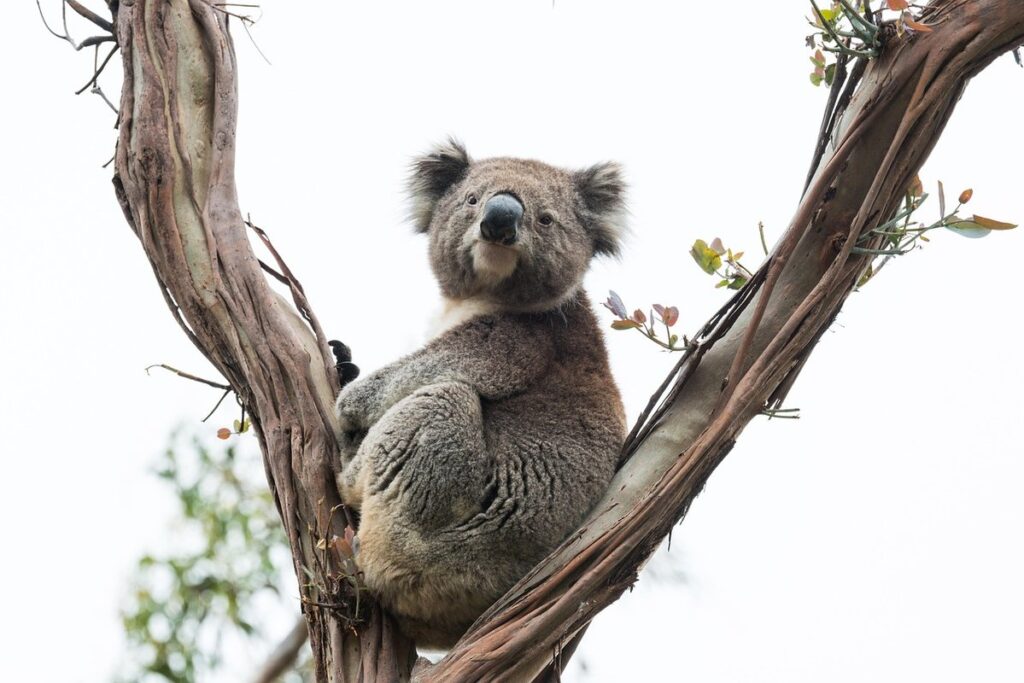
The Importance of Woodland Native Plants in Ecosystem Balance
When it comes to creating a balanced ecosystem, woodland native plants play a vital role in supporting local wildlife and maintaining biodiversity in your garden. Let’s explore how these plants contribute to a thriving woodland environment.
What are Woodland Native Plants?
Woodland native plants are species that have evolved over time to thrive in woodland environments, where they have developed unique characteristics that allow them to adapt to the specific conditions of their habitat. These plants have adapted to live with the changing seasons, weather patterns, and soil types found in woodlands. They typically have deep root systems to absorb moisture from the soil, broad leaves for efficient photosynthesis, and a strong ability to resist diseases and pests.
Native woodland plants offer numerous benefits for gardeners seeking to create sustainable gardens. By choosing native species, you’ll be supporting local biodiversity, reducing your maintenance workload, and minimizing the use of fertilizers and pesticides. For example, native wildflowers like trillium and lady’s slipper orchid require minimal care and provide a rich source of nectar for pollinators. They also help to stabilize soil and prevent erosion by their extensive root systems.
Some of the most beneficial woodland native plants include ferns, shrubs, trees, and perennials. These plants not only add visual interest to your garden but also support ecosystem balance by providing food and shelter for wildlife.
Ecological Role of Woodland Native Plants
In the delicate balance of woodland ecosystems, native plants play a vital role in maintaining soil health. These plants’ extensive root systems help to stabilize the soil, prevent erosion, and retain moisture. For example, the roots of eastern hemlock (Tsuga canadensis) can stretch up to 100 feet in search of water, making it an essential component in preventing landslides.
Woodland native plants also contribute significantly to biodiversity by providing food, shelter, and habitat for a wide range of wildlife. The flowers of native wildflowers like trillium (Trillium grandiflorum) attract pollinators like bees and butterflies, while the foliage of shrubs like hawthorn (Crataegus spp.) offers protection from predators.
Climate regulation is another critical function that woodland native plants perform. Their leaves help to regulate temperature by providing shade during hot summer months and releasing heat in winter. Additionally, these plants aid in carbon sequestration by absorbing CO2 and storing it in their biomass and soil. By incorporating a diverse range of woodland native plants into your garden, you can create a thriving ecosystem that supports local biodiversity and mitigates the effects of climate change.
Types of Woodland Native Plants
Let’s dive into the amazing diversity of woodland native plants, from flowering wild geraniums to coneflowers and ferns, each one uniquely adapted to its woodland home. You’ll discover which species are perfect for your garden.
Spring-Blooming Species
When spring arrives, many woodland native plants burst into bloom, painting the forest floor with vibrant colors and delicate patterns. Among these early risers are trillium, violets, and bellworts – popular species that thrive in woodland environments.
Trillium (Trillium spp.) is a classic example of a spring-blooming species, with its three-lobed leaves and white, pink, or yellow blooms. These perennials prefer well-shaded areas with moist soil and can grow up to 12 inches tall. To cultivate trillium in your garden, choose a location with rich, organic matter and avoid over-watering.
Violets (Viola spp.) are another beloved woodland native, offering heart-shaped leaves and delicate purple, blue, or white flowers. These tiny plants prefer partial shade and well-drained soil, making them perfect for areas with fluctuating moisture levels. To encourage violets to bloom in your garden, avoid over-fertilizing and instead use a balanced fertilizer once a year.
Bellworts (Uvularia spp.) are often overlooked but offer unique, nodding blooms that add interest to woodland gardens. These plants prefer moist soil and partial shade, making them an excellent choice for areas with dappled sunlight. To encourage bellworts to bloom, create a layer of organic matter around the base of the plant, keeping it consistently moist throughout the growing season.
Remember to plant these species in their preferred environments to ensure they receive the right amount of light and water. With proper care, you can enjoy the beauty of trillium, violets, and bellworts in your woodland garden for years to come.
Summer-Foliage Plants
Summer-foliage plants are perfect for woodland gardens because they bring life and color to shaded areas without requiring much maintenance. Ferns, astilbe, and hostas are popular choices for their adaptability and low-maintenance requirements.
Ferns are a great option for woodland gardens because they come in a variety of species that can thrive in different conditions. The autumn fern (Dryopteris erythrosora) is a good choice for areas with moist soil, while the maidenhair fern (Adiantum spp.) prefers well-drained soil. To care for your ferns, simply water them regularly and provide some shade – they’re virtually maintenance-free.
Astilbe is another low-maintenance option that adds color to woodland gardens with its feathery plumes in shades of pink, red, and white. They prefer moist soil and partial shade but can tolerate a range of conditions. To keep your astilbe healthy, divide and replant every few years to maintain their vigor.
Hostas are one of the most popular summer-foliage plants for woodland gardens because they’re easy to care for and come in a range of sizes and colors. They prefer moist soil and partial shade but can tolerate some sun. To keep your hostas healthy, deadhead any flowers that form and divide them every few years to prevent overcrowding.
All three of these plants are perfect for woodland gardens because they require minimal maintenance and care. With proper watering and a little TLC, you’ll enjoy their beautiful foliage all summer long.
Woodland Native Plant Identification Tips
Let’s dive into the world of woodland native plant identification, where we’ll share expert tips on how to accurately recognize these unique species. We’ll cover common characteristics and traits to look out for.
Leaf Structure and Shape
When exploring woodland native plants, it’s essential to examine their leaves closely. The structure, shape, size, and arrangement of leaves can provide valuable clues for identification. For instance, some species like the Eastern White Oak (Quercus alba) have deeply lobed or divided leaves with 7-11 pointed tips. In contrast, the leaves of the Red Maple (Acer rubrum) are typically 2-5 inches long and have 3-5 pointed lobes.
To observe leaf structure effectively, note the arrangement of veins and any patterns on the surface. The American Beech (Fagus grandifolia), for example, has smooth, pale leaves with a prominent midrib and parallel veins. Some species like the Sugar Maple (Acer saccharum) have distinctive “serrated” edges due to their doubly serrated margins.
When examining leaves, pay attention to their texture as well – some are hairy or pubescent, while others are glabrous (hairless). The White Pine (Pinus strobus) has needles with 5 white bands of stomata (breathing pores) on the underside.
Flowering Patterns and Colors
When it comes to identifying woodland native plants, observing their flowering patterns is a crucial step. Woodland species often have distinct blooming times and color palettes that can help narrow down identification.
Notice the timing of blooms: spring-blooming plants like trillium and violets typically emerge in early March, while summer bloomers like coneflowers and black-eyed susans arrive in late May or June. Summer-fading species, on the other hand, usually bloom from mid-summer to early fall.
Observe the duration of blooms as well: some plants, such as astilbe and daylily, have a short blooming period, typically lasting 2-4 weeks. Others, like rhododendron and azalea, can bloom for several months.
Consider the color palette too – woodland native species often feature shades of white, pink, purple, or blue. Be aware that some plants may have subtle variations in color depending on soil quality or moisture levels. For example, a plant with bright blue blooms might turn more lavender under dry conditions.
Challenges of Cultivating Woodland Native Plants
Cultivating woodland native plants can be a daunting task, especially when faced with challenges such as soil quality and moisture levels that differ greatly from those found in your typical garden. Let’s explore some of these common obstacles together.
Soil Requirements and pH Levels
When cultivating woodland native plants, it’s essential to pay attention to the soil requirements and pH levels. Woodland native plants have evolved over time to thrive in specific conditions, often with acidic soils that are rich in organic matter. If you’re planning to grow these plants, you’ll need to create a similar environment.
Soil pH is a critical factor in supporting woodland native plants’ growth. Most of these species prefer slightly acidic to acidic soils, ranging from pH 5.5 to 6.5. Sandy loam or clay-loam soils with good drainage are ideal for many woodland native plants. However, some species like Trillium and Wild Ginger can tolerate more alkaline conditions.
Poor soil conditions can be a significant challenge when cultivating woodland native plants. Heavy clay soils, for instance, can cause waterlogging, which is detrimental to the roots of these plants. Sandy soils, on the other hand, may require additional moisture during dry spells. To overcome such issues, you can improve your garden’s soil quality by adding organic matter like compost or leaf litter. This will help maintain a balanced pH and create an environment conducive to woodland native plant growth.
Climate and Microclimate Considerations
When cultivating woodland native plants, it’s essential to consider not just the overall climate but also the microclimates within your garden. A microclimate is a small, localized area with its own unique weather patterns, influenced by factors like topography, soil, and vegetation. To assess these microclimates, observe how different areas of your garden respond to changing weather conditions.
For instance, a south-facing slope may receive more direct sunlight than a north-facing one, affecting the temperature and moisture levels in each area. Similarly, a spot near a body of water or a wall may be cooler due to evapotranspiration or heat retention. By observing these variations, you can adapt your plant selection accordingly.
Consider plants with similar climate requirements for areas with similar microclimates. For example, if one section of your garden receives more shade and consistent moisture, choose species that thrive in those conditions. This thoughtful approach ensures that your woodland native plants receive the specific care they need to flourish, resulting in a healthier and more resilient ecosystem.
Designing and Maintaining Woodland Native Plant Gardens
When creating a woodland native plant garden, it’s essential to consider how your design will affect the long-term health of these delicate ecosystems. This section covers the key considerations for designing and maintaining a thriving woodland native plant garden.
Layered Plantings for Visual Interest
Layered plantings are a game-changer for woodland native gardens, offering a multitude of benefits that go beyond just aesthetic appeal. By incorporating plants with varying growth habits and flowering times, you can create a dynamic landscape that’s both visually stunning and ecologically rich.
This layered approach not only adds visual interest but also provides a diverse range of habitats for wildlife to thrive in. For example, tall trees and shrubs provide shelter and food for larger animals like deer and birds, while smaller plants like wildflowers and ferns offer hiding spots and nesting sites for smaller creatures like insects and amphibians.
To achieve this layered effect, consider combining plants with different growth habits, such as:
• Tall, upright species that provide structure (e.g., oak trees or dogwood shrubs)
• Mid-level plants that fill gaps in the landscape (e.g., astilbe or coral bells)
• Low-growing groundcovers that suppress weeds and add texture (e.g., creeping thyme or wild ginger)
By thoughtfully layering these elements, you can create a rich tapestry of habitats within your woodland native garden.
Seasonal Maintenance Tasks
As the seasons change, your woodland native plant garden requires regular maintenance to thrive. This is where seasonal tasks come into play. By incorporating these tasks into your routine, you’ll ensure your plants receive the necessary care for optimal growth and health.
In spring, focus on pruning deciduous trees and shrubs to promote new growth. Remove dead or damaged branches to maintain a balanced structure and prevent disease from taking hold. This is also an excellent time to mulch around plants to retain moisture and suppress weeds. As temperatures rise, monitor your garden for signs of pests like deer, rabbits, and insects, and take action promptly if you notice any damage.
During the summer months, be mindful of watering schedules, as woodland native plants are adapted to specific soil moisture levels. Avoid overwatering, which can lead to root rot and other issues. Regularly inspect your garden for signs of disease like fungal infections or powdery mildew, and use organic treatments whenever possible.
As autumn arrives, prepare your garden for the winter months by cleaning up dead plant material and mulching around remaining plants. This will help retain moisture and regulate soil temperature. In winter, protect your plants from harsh weather conditions by applying a layer of straw or bark chips around their base.
By incorporating these seasonal tasks into your routine, you’ll be able to maintain a healthy and thriving woodland native plant garden throughout the year.
Resources for Woodland Native Plant Gardeners
Looking to take your woodland native plant garden to the next level? Check out our handpicked list of resources for expert advice, product recommendations, and more.
Online Communities and Forums
Connecting with like-minded gardeners is an essential aspect of cultivating woodland native plants. Online communities and forums provide a platform to share knowledge, ask questions, and learn from experts and enthusiasts alike. For instance, the Woodland Garden Forum on Facebook has over 10,000 members who engage in discussions on plant identification, propagation, and garden maintenance.
Joining online groups can help you connect with experienced growers who have spent years studying and experimenting with woodland native plants. These communities often feature expert advice, resources, and recommendations for nurseries that specialize in native species. Some popular online forums include the Native Plant Gardeners group on Facebook, the Woodland Plants subreddit, and the online forum hosted by the Lady Bird Johnson Wildflower Center.
Before joining any community, make sure to familiarize yourself with their rules and guidelines. Participate actively by sharing your experiences, asking questions, and offering advice to others. This will not only help you grow as a gardener but also contribute to the collective knowledge of woodland native plant enthusiasts.
Local Nurseries and Conservation Organizations
When it comes to sourcing woodland native plants, local nurseries and conservation organizations are invaluable resources. These dedicated groups specialize in cultivating and propagating species that thrive in your region’s specific climate and soil conditions. By supporting these local businesses, you’re not only ensuring the health of your garden but also contributing to the preservation of native ecosystems.
To find a reputable local nursery or conservation organization, start by searching online for “woodland native plant nurseries near me” or checking with local gardening groups and extension offices for recommendations. Many organizations also participate in plant sales, workshops, and other events that are perfect opportunities to learn from experts and connect with like-minded gardeners.
Some notable examples of local nursery networks include the National Plant Network (NPN) and the Native Plant Trust’s Plant Sales Program. These initiatives bring together nurseries and conservation groups to provide high-quality plants to gardeners while promoting sustainable gardening practices.
Before purchasing plants, be sure to ask about their origin, propagation methods, and any certifications they may hold (such as a Certified Wildlife Habitat designation). This information will help you make informed choices about the health and environmental impact of your garden. By sourcing native species from local experts, you’ll be taking a significant step towards creating a biodiverse and resilient woodland garden that benefits both you and the local ecosystem.
Frequently Asked Questions
What if I have limited space in my garden, can I still plant woodland native species?
Yes! While it’s true that some woodland native plants require more space to thrive, there are many compact and dwarf varieties available that can fit into even the smallest of gardens. Look for species like miniature hostas or dwarf ferns that can add visual interest without taking over your entire garden.
How do I know which woodland native plant is right for my specific climate zone?
When selecting woodland native plants for your garden, it’s essential to choose species that are adapted to your local climate and microclimate. Check the hardiness zone for your area and look for plants that thrive in similar conditions. You can also consult with a local nursery or gardening expert who can provide guidance on which species will perform well in your specific region.
Can I combine woodland native plants with other types of plants in my garden?
Yes! While woodland native plants are the focus, you can definitely incorporate other plant species into your design to add diversity and interest. Consider layering native perennials with bulbs or shrubs, or incorporating ornamental grasses for texture and movement.
How often should I water my woodland native plants during periods of drought?
Woodland native plants have adapted to survive in conditions where water is scarce, so it’s essential not to overwater them. Water your plants deeply but infrequently to encourage deep root growth, rather than shallow watering every day or two. Monitor soil moisture levels and adjust your watering schedule accordingly.
Can I propagate woodland native plants using division or seed?
Yes! Woodland native plants can be propagated through division, where you separate the roots of a mature plant to create new plants. Seed propagation is also an option for some species, but it can be more challenging due to factors like dormancy and germination requirements. Consult with a local expert or check online resources for guidance on propagating specific species.