
Woodland gardens are a haven for nature lovers, offering a tranquil escape from the hustle and bustle of everyday life. If you’re looking to create your own woodland oasis, choosing the right plants is crucial. Climate conditions can be unpredictable in woodlands, with dappled shade, acidic soils, and variable moisture levels – but don’t worry, we’ve got you covered. Our comprehensive guide will walk you through the process of selecting the perfect woodland garden plants for your specific environment. We’ll explore different types of plants that thrive in woodland conditions, including perennials, shrubs, and trees. Plus, get expert tips on maintenance and care to keep your woodland garden looking its best all year round.
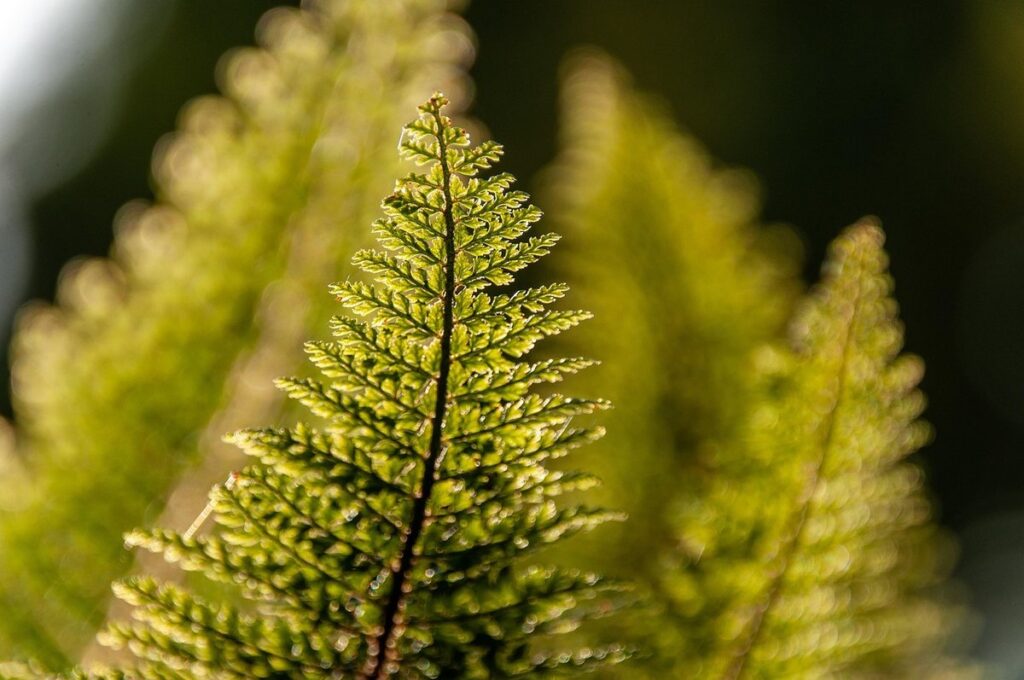
Choosing the Right Plants for Your Woodland Garden
When selecting plants for your woodland garden, it’s essential to choose species that thrive in shade and tolerate moist soils. This will ensure a thriving and low-maintenance space.
Understanding Your Woodland Garden’s Climate and Soil Conditions
When creating a woodland garden, it’s essential to understand the local climate and soil conditions that will affect the health and survival of your plants. Without proper consideration, you may end up with a garden that’s struggling to thrive.
To begin, let’s consider the common climate zones in the UK. The country is generally divided into three main regions: temperate maritime, temperate oceanic, and continental. However, within these broad categories, there are numerous microclimates that can significantly impact plant selection.
In temperate maritime climates, such as those found in western Scotland and Wales, plants tend to require more moisture and have a shorter growing season. In contrast, the drier climate of eastern England requires plants with drought tolerance.
Soil conditions also play a crucial role in woodland garden design. Assess your soil type (acidic, alkaline, or neutral) and pH level to determine which plants will thrive. For example, if you have acidic soil, look for plants that tolerate lower pH levels such as bluebells and heathers. In areas with poor soil quality, consider using raised beds or mulching to improve fertility.
When selecting plants for your woodland garden, research their specific requirements to ensure they’ll not only survive but thrive in your local climate and soil conditions.
Selecting Native and Non-Native Plants
When it comes to selecting plants for your woodland garden, one of the most important decisions you’ll make is whether to choose native or non-native species. Both types have their benefits and drawbacks, which we’ll explore below.
Native plants are those that occur naturally in your local environment and have co-evolved with the local ecosystem over thousands of years. They require minimal maintenance, as they’re adapted to the specific climate, soil, and moisture conditions in your woodland garden. For example, native wildflowers like trillium and bellwort thrive in low-light conditions and don’t need fertilizers or pesticides. By planting natives, you’ll also be supporting local pollinators and beneficial insects that rely on these plants for food.
On the other hand, non-native plants can bring excitement and variety to your woodland garden, but they often require more maintenance and can outcompete native species for resources like water and nutrients. Some non-native plants, like Japanese knotweed and English ivy, are even considered invasive species that can cause significant ecological harm if not managed carefully.
To strike a balance between these two approaches, consider the following: assess your woodland garden’s specific conditions and choose plants that are well-suited to those conditions; research and select native plants for priority planting; and when introducing non-native species, take precautions to prevent their spread by using physical barriers or containing them in pots.
Plant Types Suitable for Woodland Gardens
When it comes to creating a thriving woodland garden, selecting the right plant types is crucial. Let’s explore some of the best plants to choose from.
Deciduous Trees: Choosing the Right Species
Deciduous trees are a staple in woodland gardens, providing stunning autumn color and creating a sense of depth and structure. When choosing the right species for your woodland garden, it’s essential to consider their growth habits, mature sizes, and specific growing conditions.
Some popular deciduous tree species suitable for woodland gardens include the Oak (Quercus robur), which can grow up to 30 meters tall with a spread of around 20-25 meters. These trees prefer full sun but will tolerate partial shade, making them an excellent choice for woodland areas where sunlight is limited. Another option is the Beech (Fagus sylvatica), which grows to a height of around 20-30 meters and has a broad canopy that provides dappled shade.
If you’re looking for something smaller, consider the Hazel (Corylus avellana) or the Silver Birch (Betula pendula). These trees are perfect for creating a layered effect in your woodland garden and can thrive in partial shade. Regardless of which species you choose, make sure to plant them at least 10-15 meters away from any other plants to give them room to grow.
When planting deciduous trees, it’s also essential to consider their soil requirements. Oak and Beech prefer well-draining soils, while Hazel and Silver Birch can tolerate a range of conditions. By choosing the right species for your woodland garden and providing the necessary growing conditions, you’ll be rewarded with stunning displays of autumn color and a thriving ecosystem.
Evergreen Shrubs: Low-Maintenance Options
When it comes to creating a beautiful and low-maintenance woodland garden, evergreen shrubs are an excellent choice. These hardy plants thrive in shaded environments and can provide year-round interest with their foliage, flowers, or berries.
Some popular options for low-maintenance evergreen shrubs include:
* Boxwood (Buxus sempervirens): A compact, slow-growing shrub that tolerates shade and requires minimal pruning.
* Holly (Ilex aquifolium): An attractive shrub with prickly leaves and bright red berries, which attracts birds to the garden.
* Yew (Taxus baccata): A versatile evergreen that can be pruned into topiary shapes or left to grow naturally.
When selecting an evergreen shrub for your woodland garden, consider factors such as watering needs. Most evergreen shrubs prefer moist soil but can tolerate drought once established. Fertilization is also important, but over-fertilizing can lead to weak growth and pest issues. Regular monitoring of plants for pests like spider mites, scale insects, and slugs will help prevent infestations.
Plant Care and Maintenance Tips
To ensure the beauty of your woodland garden endures, we’ve gathered essential tips for plant care and maintenance to keep your plants thriving throughout the seasons. Follow these simple steps for a lush and vibrant haven.
Mulching and Groundcovers for Weed Suppression
Mulching and groundcovers play a crucial role in maintaining a healthy woodland garden ecosystem. Mulch helps retain moisture, suppress weeds, and regulate soil temperature. In a woodland garden setting, opt for organic materials like bark chips or wood shavings that break down slowly and won’t contaminate the soil.
When choosing groundcovers, consider plants with shallow roots that compete with weeds for resources. Creeping thyme (Thymus serpyllum) and vinca minor are excellent options. They spread quickly, suppressing weed growth and requiring minimal maintenance. Make sure to select species suitable for your climate and level of sunlight.
To effectively use mulch and groundcovers, apply a 2-3 inch layer of mulch around plants, keeping it a few inches away from plant stems. Regularly replenish the mulch as it breaks down. For groundcovers, plant them densely to prevent weed growth. Water thoroughly after planting and maintain consistent moisture levels during the first growing season. By incorporating these strategies into your woodland garden, you’ll create a thriving environment that minimizes weed pressure and promotes overall health.
Watering Strategies for Woodland Plants
When it comes to watering woodland plants, it’s essential to strike a balance between providing enough moisture and avoiding overwatering. Woodland plants often thrive in well-draining soils that retain some moisture but also allow excess water to escape quickly. To determine the right level of soil moisture for your woodland garden, stick your finger into the soil about an inch deep; if it feels dry, it’s time to water.
Drought tolerance is another crucial consideration when watering woodland plants. Some species, like ferns and wild ginger, are more tolerant of drought than others, such as azaleas and rhododendrons. Be mindful of your plant’s specific needs and adjust your watering schedule accordingly. Overwatering can lead to root rot, which can be fatal for many woodland plants.
As a general rule, water your woodland garden deeply but infrequently to encourage deep root growth and make plants more resilient to drought. Aim to provide about 1 inch of water per week through rainfall or irrigation, taking into account the plant’s water requirements.
Designing a Diverse and Attractive Woodland Garden
When designing your woodland garden, consider the unique needs of shade-loving plants to create a lush and vibrant space that’s both beautiful and sustainable. Choosing the right plants is just one part of this process.
Layered Planting for Visual Interest
When designing a woodland garden, it’s easy to get caught up in choosing plants that thrive in the shade. However, layering different species can add visual interest and create a dynamic landscape. This is achieved by mixing textures, colors, and bloom times to maintain year-round interest.
For instance, consider combining tall shrubs like Rhododendron or Pieris with low-growing groundcovers like Ajuga or Pachysandra. The contrast in texture creates a visually appealing layering effect that draws the eye through the garden. Similarly, pairing plants with varying bloom times ensures that there’s always something in flower.
For example, plant spring-blooming bulbs like Trillium or Spring Beauty beneath trees and shrubs that produce flowers later in the season, like Hellebores or Azalea. This staggered blooming schedule keeps the garden looking fresh throughout the year. To add even more interest, incorporate plants with different foliage colors and textures, such as variegated Hostas or red-leaved Heuchera.
Incorporating Seasonal Features and Interest
Incorporating seasonal features and interest into your woodland garden is key to creating a dynamic and visually appealing space. By carefully selecting plants that bloom at different times of the year, you can enjoy a constant display of color and texture. For example, winter berries from shrubs like holly or pyracantha provide a pop of color against the monochrome backdrop of snow.
In spring, bulbs like daffodils, bluebells, and trillium burst forth with vibrant blooms, while summer brings the tall stalks of wildflowers like coneflower and black-eyed Susan. To integrate these seasonal elements into your design, consider layering different plant types and sizes to create visual interest throughout the year. For instance, a low-growing evergreen shrub can provide structure in winter, while a flowering vine like clematis or honeysuckle adds vertical interest in summer.
Remember to choose plants that are suitable for your climate and soil type, and consider the mature size of each plant to ensure it won’t overwhelm others in the garden. By thoughtfully incorporating seasonal features, you can create a woodland garden that’s alive with color and movement throughout the year.
Pest Management and Disease Prevention
Managing pests and diseases is crucial for a thriving woodland garden. This section will cover effective strategies to protect your plants from common issues that can impact their health.
Common Pests in Woodland Gardens: Identification and Control
When tending to your woodland garden, it’s essential to be aware of the common pests that can affect your plants. Some of the most prevalent ones include:
* Aphids: These tiny, soft-bodied insects feed on sap, causing curled or distorted leaves. Check for them on stems and undersides of leaves during warm weather.
* Slugs and snails: These slimy creatures are attracted to moisture and can cause significant damage to leaves and flowers. Look for trails of slime or holes in leaves at night when they’re most active.
* Scale insects: Armored scales resemble tiny, immobile bumps on stems and branches, while soft scales appear as cottony masses. Check for them during dry spells.
To control these pests, consider the following methods:
* Physical barriers: Use copper tape or crushed eggshells to deter slugs and snails from crossing into your garden.
* Biological controls: Introduce natural predators like ladybugs or lacewings to prey on aphids and scale insects.
* Cultural practices: Water plants in the morning to prevent moisture accumulation, and remove infested leaves or stems to prevent further damage.
Regular monitoring and early intervention can help minimize pest-related problems and maintain a healthy woodland garden.
Managing Diseases in Woodland Plantings
Managing diseases in woodland plantings is crucial to maintaining the health and beauty of your garden. Recognizing disease symptoms early on is key to effective management. Common signs of disease include yellowing leaves, black spots, powdery mildew, or unusual growths. For example, fungal infections like root rot can cause the roots to turn dark brown or black.
Preventive measures include maintaining good air circulation, ensuring adequate watering, and avoiding over-fertilization. This will help create a less hospitable environment for disease-causing organisms. Mulching around plants also helps retain moisture and suppress weeds that can harbor diseases.
Some common diseases affecting woodland garden plants include powdery mildew, leaf spot, and root rot. Treatments typically involve using fungicides or bactericides specifically designed for the type of disease present. Always follow product instructions carefully and take necessary precautions to avoid exposure.
Conclusion and Next Steps
Now that you’ve learned all about woodland garden plants, let’s summarize key takeaways and discuss next steps for creating your own thriving woodland oasis.
Recap of Key Takeaways
To recap, let’s summarize the key takeaways from our comprehensive guide to woodland garden plants. When selecting plants for your woodland garden, consider the specific light conditions and moisture levels of your area. Choose plants that thrive in shade or partial shade, such as ferns, wild geranium, and astilbe.
It’s also essential to select plants with similar growing conditions and space requirements to ensure a harmonious and balanced ecosystem. For example, group plants together based on their watering needs to avoid overwatering or underwatering certain areas of the garden.
In terms of care, make sure to mulch around your plants to retain moisture and suppress weeds. Water your plants regularly during dry spells, but be mindful not to overwater, which can lead to root rot and other issues. Finally, consider incorporating native species into your woodland garden, as they will require less maintenance and provide a naturalistic look. By following these guidelines, you’ll be well on your way to creating a thriving and beautiful woodland garden that showcases the unique beauty of woodland plants.
Encouraging Readers to Get Started with Their Own Woodland Garden
Now that you’ve got a solid understanding of the unique characteristics and requirements of woodland garden plants, it’s time to get started on creating your own enchanting woodland garden. This can be an intimidating task, but remember, every great garden began with a single step.
Take heart – with a little planning, creativity, and elbow grease, you’ll be well on your way to cultivating a thriving woodland haven in no time! Begin by assessing the natural light conditions of your chosen area. Woodland gardens rely heavily on dappled shade, so look for spots that receive partial or full shade throughout the day.
Next, consider incorporating native plants, which will not only thrive but also provide valuable support to local pollinators and wildlife. Don’t be afraid to mix in some ornamental favorites – this is your woodland garden after all!
Join online forums, attend local gardening workshops, or connect with fellow gardeners through social media groups to share ideas, ask questions, and gain valuable insights from those who’ve successfully navigated their own woodland garden projects. Happy planting!
Frequently Asked Questions
How do I determine the pH level of my woodland garden’s soil?
Conducting a soil test is essential to understand your woodland garden’s soil acidity or alkalinity, which affects plant growth. You can purchase a DIY soil testing kit or consult with a local nursery or gardening expert for advice. Knowing your soil pH will help you select plants that thrive in those conditions.
Can I use regular mulch in my woodland garden?
While regular mulch is suitable for some areas, it may not be the best choice for woodland gardens due to its potential to affect soil moisture levels and create an environment conducive to pests and diseases. Instead, opt for natural, acidic mulches like pine straw or wood chips that mimic the forest floor.
How do I deal with invasive plant species in my woodland garden?
Invasive plants can be a significant challenge in woodland gardens. Monitor your plants regularly, and if you spot any invasives, remove them immediately to prevent their spread. Consider consulting with a local expert or gardening organization for advice on how to manage specific invasive species in your area.
What are some tips for layering plants in my woodland garden for visual interest?
Creating layers of plants can add depth and beauty to your woodland garden. Start by planting tall trees or shrubs towards the back, followed by mid-level perennials, and finish with low-growing groundcovers like ferns or wildflowers. This layered approach will create a dynamic, multi-dimensional effect.
How often should I water my woodland plants, especially during dry spells?
Watering strategies vary depending on climate and plant types. In general, aim to provide about 1-2 inches of rainfall equivalent per week through a combination of rainwater collection and supplemental watering. Be cautious not to overwater, as this can lead to root rot and other problems.