
If you’re one of the many gardeners who have fallen in love with the stunning blooms and lush foliage of wisteria, you know how quickly they can take over your yard. With proper care and attention, these beautiful vines can thrive and provide a gorgeous display of color for years to come. However, left unpruned and untrained, wisterias can become unruly and overwhelming, blocking windows, damaging structures, and even taking down trees.
In this article, we’ll explore the essential techniques for pruning and training your wisteria to optimize growth, prevent overgrowth, and enjoy those breathtaking blooms in your garden. We’ll cover everything from regular maintenance to more advanced methods for shaping and guiding your wisteria’s natural tendencies. Whether you’re a seasoned gardener or just starting out, our comprehensive guide will help you unlock the full potential of these gorgeous vines and keep them under control all season long.
Understanding Wisteria Growth Habits
To get the most out of your wisteria, it’s essential to understand its unique growth habits and how they affect pruning and training techniques. This section will break down these habits for you in simple terms.
Native Habitat and Growth Patterns
Native to China and Japan, wisteria has adapted to thrive in various environments, from subtropical to temperate climates. Understanding its native habitats and growth patterns is crucial for effective pruning and training. In the wild, wisteria often grows as a woody vine or climber, using trees and other structures for support. This adaptable nature allows it to spread up to 10 feet in a season.
In ideal conditions, wisteria can grow up to 30 feet tall and wide, but its growth is heavily influenced by factors like soil quality, sunlight, and moisture levels. For instance, well-drained soils with full sun promote vigorous growth, while poorly drained soils can lead to weak and leggy stems. By recognizing these environmental adaptations, gardeners can replicate the plant’s natural habitats in their own settings.
When pruning or training wisteria, it’s essential to consider its natural inclinations. For example, prune back long sections of vine after blooming to encourage bushy growth and more abundant flowers. This technique allows for better air circulation and reduces disease susceptibility. By understanding and working with the plant’s native habits, gardeners can cultivate a healthy, thriving wisteria that showcases its stunning beauty.
Factors Influencing Wisteria Growth
Wisteria growth is significantly influenced by its environment. Soil quality plays a crucial role, as wisterias prefer well-draining, fertile soil with a pH between 6 and 7. A lack of essential nutrients can hinder growth, so regular fertilization is necessary.
Climate also impacts wisteria growth, with temperate regions providing ideal conditions for the plant to thrive. Wisterias typically require at least six hours of direct sunlight per day to grow well, although some varieties can tolerate partial shade.
To create a favorable environment for optimal growth, consider the following:
* Plant your wisteria in an area with full sun and good air circulation.
* Test and amend your soil as needed to achieve a pH between 6 and 7.
* Mulch around the base of the plant to retain moisture and suppress weeds.
* Provide regular fertilization during the growing season, using a balanced fertilizer.
By understanding and accommodating these environmental factors, you can promote healthy growth and ensure your wisteria blooms beautifully.
Choosing the Right Wisteria Variety
With so many stunning varieties to choose from, selecting the right wisteria for your garden can be a daunting task. This section will help you navigate the most popular and low-maintenance options.
Selection Criteria for Different Growing Conditions
When selecting a wisteria variety, it’s essential to consider the specific growing conditions of your area. Wisteria can thrive in various climates and environments, but some varieties perform better than others in different regions.
For example, if you live in a hot and dry climate like California or Arizona, look for varieties that are heat-tolerant and drought-resistant, such as ‘Caroline’ or ‘Maculata’. These plants have adapted to the harsh conditions and can tolerate temperatures up to 100°F (38°C). On the other hand, if you live in a cooler and more humid climate like the Pacific Northwest, consider varieties that prefer partial shade and consistent moisture, such as ‘Blue Moon’ or ‘Lydian Purple’.
In areas with extreme cold snaps, choose varieties that can withstand temperatures as low as -20°F (-29°C), such as ‘Caroline’ or ‘Kuchi’. Similarly, in coastal regions prone to salt spray and strong winds, select varieties that are resistant to wind and sea salt damage.
Ultimately, selecting a wisteria variety suitable for your specific growing conditions will ensure the plant’s health and longevity. By choosing the right variety, you’ll be able to enjoy its stunning flowers and foliage for years to come.
Popular Wisteria Varieties for Home Gardeners
When it comes to choosing the right wisteria variety for your home garden, there are several popular options that are well-suited for most climates and gardening conditions. One of the most widely grown varieties is ‘Caroline’, a compact and floriferous option that produces long, fragrant flowers in shades of purple. This variety is ideal for smaller gardens or containers and can thrive in zones 5-9.
Another popular choice is ‘Burford’, known for its vibrant purple flowers and vigorous growth habit. This variety is perfect for creating a stunning floral display on a trellis or arbor, and can tolerate temperatures as low as zone 4. If you’re looking for something with a bit of drama, consider ‘Dwarf Silk’, which produces gorgeous white blooms with a hint of yellow.
For those in warmer climates (zones 9-11), ‘Moonlight’ is an excellent option, featuring delicate blue-purple flowers and a relatively compact growth habit. When selecting a wisteria variety for your home garden, keep in mind factors like climate, soil type, and available space to ensure you choose the best fit for your needs.
When planting a new wisteria, it’s essential to provide support as it grows. For ‘Burford’ and other vigorous varieties, consider installing a sturdy trellis or arbor that can withstand their weight and growth. With proper pruning and training, these popular wisteria varieties will thrive in your garden for years to come.
Pruning Techniques for Wisteria
Now that you’ve learned how to prune your wisteria, it’s time to dive into some specific pruning techniques that will help you achieve the desired shape and promote healthy growth. Let’s explore these methods in more detail.
Basic Pruning Tools and Safety Precautions
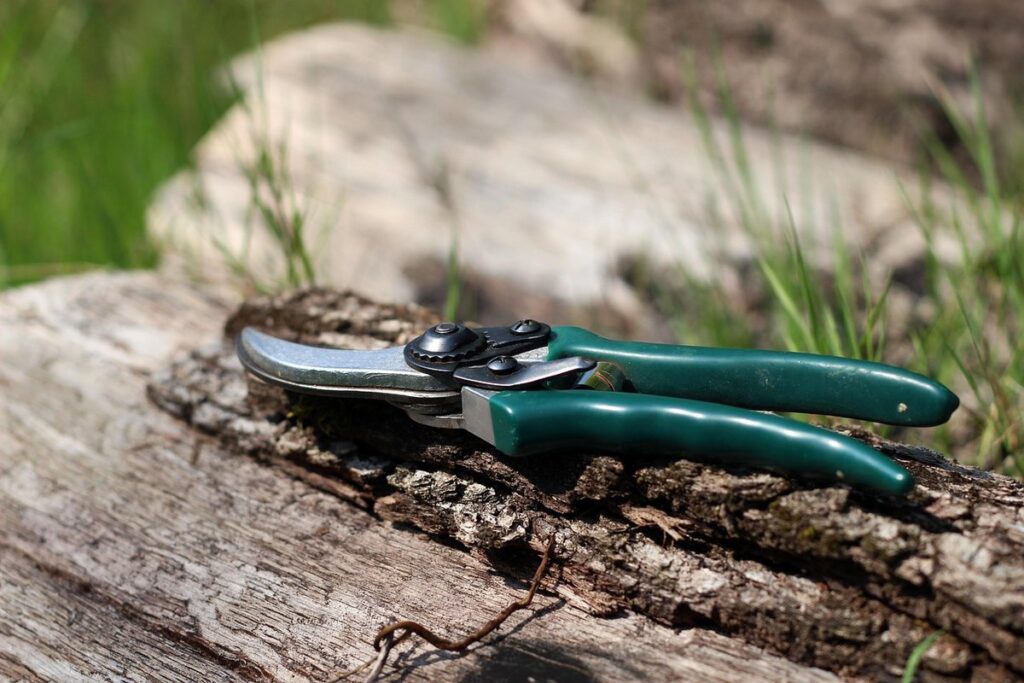
When working with wisteria, it’s essential to have the right pruning tools and follow basic safety precautions to avoid injury. To start, you’ll need a pair of good-quality pruning shears specifically designed for cutting thick branches. These should be sturdy enough to cut through the tough stems without bending or breaking.
It’s also crucial to learn how to properly handle your pruning shears to avoid accidents. Always keep your fingers curled under and out of the way when making cuts, and never touch the blades with your bare hands while they’re still sharp. Regularly cleaning and sharpening your pruning shears will also help prevent accidents caused by dull blades.
Some other basic safety precautions to follow include wearing protective clothing such as gloves and long sleeves, and ensuring a clear working area around you to avoid tripping hazards. Additionally, be mindful of any nearby power lines or fragile plant stems that could be damaged during pruning.
Removing Dead or Damaged Branches
When pruning wisteria, it’s essential to remove dead, diseased, or damaged branches to maintain the plant’s health and promote new growth. Start by inspecting the plant for any weak or dying wood, which can be identified by its brittle texture, grayish color, or lack of buds.
Look for signs of disease such as black spots, canker, or powdery mildew, and remove affected branches entirely to prevent the spread of infection. Damaged branches, on the other hand, may be broken or torn, and should also be pruned back to a healthy section.
To remove dead or damaged wood, cut it off at the base using sharp pruning shears or loppers, making sure to leave a small stub to protect the surrounding tissue from wind damage. This will help prevent further decay and encourage new growth from the remaining stems. By regularly removing weak branches, you’ll promote healthy growth and maintain your wisteria’s overall structure.
Training Wisteria for Support
Training wisteria effectively requires patience and a structured approach, which is exactly what we’ll cover in this section to help you achieve stunning support. We’ll walk you through key techniques to encourage your vines to grow upright and strong.
Types of Supports for Wisteria
When training wisteria for support, it’s essential to choose the right type of structure that suits its vigorous growth and twining nature. One popular option is a trellis, which can be a simple DIY project or a sturdy commercial one. A 6-foot tall wooden or metal trellis with a 2×2 inch grid pattern works well for most wisteria varieties.
For larger or more mature plants, an arbor provides excellent support and adds visual interest to your garden. Look for an arbor with a sturdy frame, ideally made from cedar or redwood, which can withstand the weight of heavy wisteria blooms. Installing 2-3 arbors around the plant will create a beautiful framework for its twining stems.
If you’re working with a young or weak-willed wisteria, stakes are an excellent option. Use wooden or bamboo stakes that are at least 6 feet tall and driven about 12 inches into the ground to provide stability. You can also use soft ties or clips to gently secure the plant’s stems to the stake, ensuring it grows upright and develops a strong root system.
Remember to install your support structure before planting wisteria, as this will make training easier in the long run.
Installing and Securing Trellis Systems
When installing trellis systems for wisteria support, it’s essential to ensure they can withstand the weight of mature plants. Start by selecting a sturdy trellis made from durable materials like wood, metal, or recycled plastic. Consider the size and shape of the trellis in relation to your wisteria plant’s mature growth habits.
When installing, drive the trellis into the ground at least 12 inches deep for added stability. Use a concrete mix to anchor it firmly, ensuring the weight is evenly distributed. For added security, use wire or twine to tie the trellis to nearby structures like fences or walls.
It’s also crucial to position the trellia system correctly. Place it on the north side of your wisteria plant to prevent shading and promote even growth. Make sure there’s enough space for air circulation around the plant, which is essential for preventing fungal diseases.
For added support, consider installing additional structures like arbors or pergolas. These can provide a framework for the trellis system and help distribute the weight of mature wisteria plants more effectively.
Timing and Frequency of Pruning
When it comes to pruning wisteria, timing and frequency are crucial for maintaining its beauty and encouraging healthy growth. Let’s dive into when and how often to prune your wisteria plant.
Determining the Best Time for Pruning
When it comes to pruning wisteria, timing is everything. Pruning at the right time can make all the difference in promoting healthy growth, encouraging blooming, and maintaining the overall shape of your plant.
The best months for pruning wisteria are typically from late winter to early spring (February or March) and again during the summer months after it has finished flowering. Pruning during these times allows you to cut back dead or damaged branches while also promoting new growth and encouraging blooming.
It’s essential to avoid pruning your wisteria in the fall, as this can cause unnecessary stress on the plant, making it more vulnerable to disease and pests over the winter months. Instead, focus on maintaining a regular pruning schedule throughout the growing season, taking advantage of opportunities to tidy up and shape your plant as needed.
By prouncing at the right time, you’ll be able to keep your wisteria looking its best while also promoting healthy growth and blooming.
Frequency of Pruning Sessions
When it comes to pruning wisteria, determining the frequency of sessions is crucial for maintaining a healthy and well-shaped plant. The growth rate of your wisteria plant plays a significant role in deciding how often you need to prune it. Fast-growing wisteria varieties like ‘Caroline’ and ‘Macrostachya’ require more frequent pruning – ideally every 2-3 weeks during the active growing season – to control their vigorous growth and encourage flowering.
On the other hand, slower-growing varieties can be pruned less frequently. It’s essential to consider your desired shape for the plant as well. If you want a compact or smaller plant, prune more regularly. However, if you prefer an open, sprawling habit, pruning every 4-6 weeks during the growing season should suffice.
Regular pruning will also help maintain the health of your wisteria by removing diseased or damaged growth and encouraging new flower buds to form.
Common Challenges and Solutions
Pruning and training wisteria can be a daunting task, especially when encountering common issues like overgrowth, leaf drop, or unwanted suckers. Let’s address these challenges together and find practical solutions.
Identifying Pests and Diseases
When it comes to wisteria pruning and training, identifying pests and diseases is an essential step in maintaining the health of your plant. Unfortunately, wisteria can be susceptible to various issues that can cause damage and even lead to its demise if left unchecked.
Some common pests affecting wisteria include aphids, whiteflies, and spider mites. These tiny insects feed on the sap of the plant, causing curled or distorted leaves, and stunted growth. To manage infestations, inspect your plant regularly for signs of these pests, such as sticky honeydew droplets or actual insects on the leaves. Use neem oil or insecticidal soap to control infestations.
Common diseases affecting wisteria include powdery mildew and root rot. Powdery mildew is characterized by a white, powdery coating on leaves, while root rot causes soft, mushy stems and roots. To prevent these issues, ensure good air circulation around the plant and avoid overwatering, which can lead to root rot.
Regularly inspect your wisteria for any signs of pests or diseases, and take action promptly if you notice anything amiss. This will help maintain the overall health and appearance of your plant.
Dealing with Wisteria Overgrowth
Dealing with wisteria overgrowth can be a daunting task, especially if you’re new to gardening. However, with the right techniques and support measures, you can tame even the most unruly of vines. First, identify the root cause of the problem: is it due to poor pruning habits or has the plant simply outgrown its space? Once you’ve determined the issue, it’s time to get to work.
Begin by cutting back the longest stems to about two feet from the ground. This will give you a clear path for further pruning and make the process less overwhelming. Next, remove any dead, diseased, or damaged wood, as this can weaken the plant and invite pests and diseases. Be sure to cut at a 45-degree angle, just above a bud eye (the small swelling from which new growth emerges).
Additional support measures may be necessary, such as providing a sturdy trellis or arbor for the wisteria to climb on. This will help keep it upright and prevent it from becoming too leggy. Regular pruning throughout the growing season can also help maintain shape and encourage healthy growth. By following these steps and being consistent in your pruning schedule, you’ll be able to manage even the most overgrown of wisteria plants with ease.
Conclusion: Mastering Wisteria Pruning and Training
By now, you should have a solid understanding of how to prune and train your wisteria plant. Remember, consistency is key – regular pruning will keep your wisteria healthy and encourage blooming. Make sure to schedule regular maintenance sessions throughout the growing season. If you’re new to wisteria care, don’t be discouraged if it takes some time to get into a rhythm. As you gain experience, you’ll find that pruning and training become second nature.
Pruning is an ongoing process, not a one-time task. By regularly shaping and maintaining your wisteria’s structure, you’ll enjoy the benefits of this beautiful flowering vine for years to come. With practice and patience, you’ll master the art of mastering your wisteria’s growth.
Frequently Asked Questions
What are some common mistakes to avoid when pruning my wisteria for the first time?
When starting with wisteria pruning, it’s essential to avoid making a clean cut across the stem, as this can cause dieback and reduce flowering. Instead, make angled cuts about 6-8 inches from the node (where a leaf meets the stem), using sharp, sterile tools to minimize damage.
Can I prune my wisteria in the fall, or should I wait until spring?
No, it’s generally not recommended to prune wisteria in the fall. Pruning too close to winter can weaken the plant and make it more susceptible to disease and pests. Instead, prune your wisteria during its dormant season (winter or early spring), when it’s easiest to shape and guide its growth.
How often should I inspect my wisteria for signs of pests or diseases?
Regular inspection is crucial when growing wisteria. Check your vines at least once a month during the growing season, looking for signs of pests like aphids or scale, as well as fungal diseases that can spread quickly in humid environments.
What’s the best way to secure trellis systems for wisteria with exposed roots?
When securing trellis systems near wisteria with exposed roots, use sturdy stakes and a wide base to distribute weight evenly. You may also consider anchoring the system to a nearby wall or fence to prevent damage from strong winds.
How can I propagate new wisteria plants from cuttings?
To propagate new wisteria plants from cuttings, take 6-8 inch sections of stem with at least two nodes, and remove lower leaves. Dip the cut end in rooting hormone, then plant it about 2 inches deep in a well-draining potting mix. Keep the soil consistently moist but not waterlogged until roots develop and new growth appears.