
Pruning your wisteria plant is one of those tasks that can be intimidating, especially if you’re new to gardening. However, with the right techniques and tools, you can promote healthy growth, prevent disease, and enjoy this stunning flowering plant all season long. As a wisteria owner, it’s essential to know when and how to prune your wisteria effectively.
The key is to prune at the right time – typically in late winter or early spring, depending on your location. You’ll also want to use sharp, clean tools to prevent spreading diseases. In this article, we’ll break down the best seasons, tools, and techniques for pruning your wisteria plant. Whether you’re a seasoned gardener or just starting out, you’ll learn how to prune like a pro and enjoy the beautiful blooms that follow.
Understanding Wisteria Growth and Requirements
To prune wisteria effectively, it’s essential to understand its unique growth habits and specific requirements for optimal flowering and health. This includes factors like sunlight, soil, and moisture needs.
Identifying the Right Time to Prune
When it comes to pruning wisteria, timing is everything. While it may seem like a simple task, choosing the right time can make all the difference in promoting healthy growth and preventing damage to your plant.
In general, the optimal seasons for pruning wisteria are late winter or early spring, typically around February or March. This allows you to cut back dead, diseased, or damaged branches before new growth begins. Pruning at this time also helps control the size of your wisteria and encourages a more compact, bushy shape.
However, it’s essential to consider your climate when deciding on pruning timing. In warmer climates with mild winters, you may need to prune in late winter, while in cooler climates with harsher winters, it’s often best to wait until early spring. For example, if you live in a region with frost, it’s crucial to prune before new growth emerges, but if your climate is relatively mild, pruning can be done throughout the year.
Keep an eye on your local weather forecast and adjust your pruning schedule accordingly. By pruning at the right time for your specific climate, you’ll be able to enjoy a thriving and beautiful wisteria plant all season long.
Preparing Your Tools and Equipment
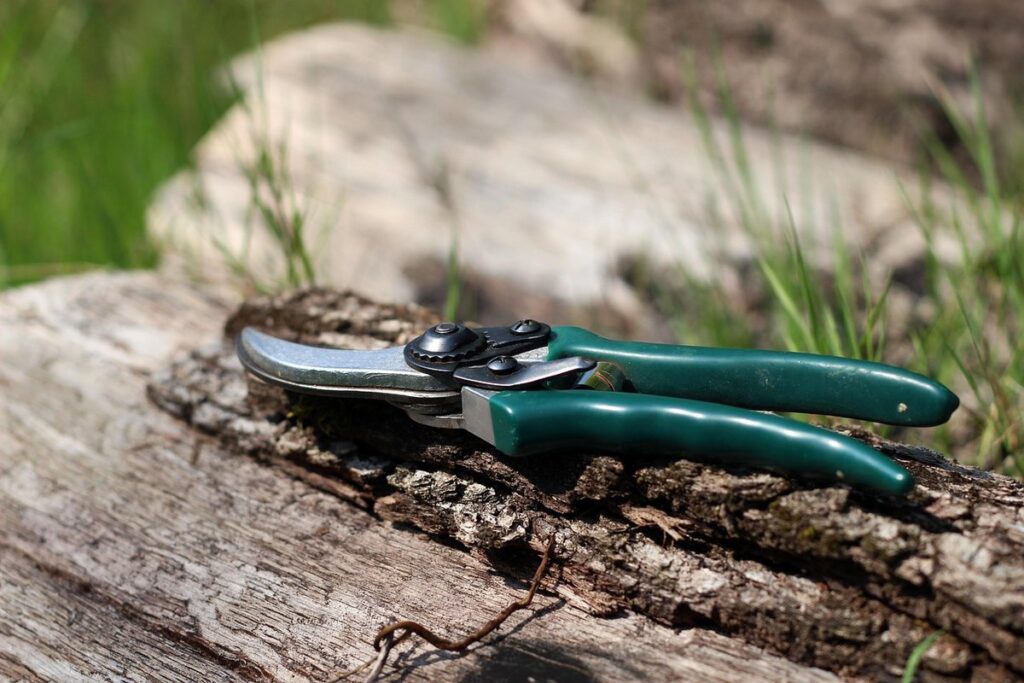
Before you begin pruning your wisteria, it’s essential to prepare your tools and equipment. This will not only make the process more efficient but also help prevent disease transmission. You’ll need a combination of long-handled loppers, pruning saws, and gloves to tackle this task.
Long-handled loppers are perfect for cutting thicker branches up to 2-3 inches in diameter. They offer leverage and reach, making it easier to prune the wisteria without straining your back or getting too close to the plant’s surface. Pruning saws, on the other hand, are ideal for cutting larger branches and sections of stem. Be sure to choose a saw with a curved blade, as this will allow you to make clean cuts and avoid tearing the bark.
When it comes to gloves, look for ones made from durable materials like leather or synthetic fabrics that provide grip and protection. This will help prevent blisters and cuts while working with sharp tools. Additionally, ensure your tools are clean and sharp before use. Dull blades can cause more damage than good, leading to increased risk of disease transmission. Regularly sharpening your tools will not only make pruning easier but also promote healthy growth in your wisteria plant.
Basic Pruning Techniques for Wisteria
To get started with pruning your wisteria, you’ll want to understand the basic techniques that will help you control its growth and encourage blooming. We’ll cover these essential methods in more detail below.
Removing Dead or Damaged Growth
When pruning your wisteria, it’s essential to remove dead, diseased, or damaged branches to prevent the spread of disease and encourage healthy growth. To identify these problem areas, inspect your plant closely during its dormant season. Look for signs such as blackened or discolored bark, brittle or cracked wood, and a lack of new growth.
To remove dead branches, cut them back to the point where they meet a healthy stem using sharp, clean pruning tools. Make sure to cut at an angle to prevent water from collecting on the cut end and causing further decay. For more extensive removals, you may need to make multiple cuts to avoid damaging surrounding tissue.
When dealing with diseased or damaged branches, it’s often best to remove as much of the affected area as possible. This will help prevent the spread of disease and promote new growth in the remaining healthy sections. Always disinfect your pruning tools between cuts to prevent cross-contamination.
Shaping the Plant for Optimal Growth
Pruning is an essential part of maintaining a healthy and aesthetically pleasing wisteria plant. When done correctly, pruning can help shape the plant’s form, promoting a balanced structure that encourages optimal growth. This is particularly important for wisterias, which can grow quite unruly if left unpruned.
A common mistake to avoid when pruning wisteria is removing too much of the new growth at once. While it may be tempting to trim back long, leggy stems, doing so can cause stress to the plant and lead to disease or pest issues down the line. Instead, focus on removing any dead, diseased, or damaged branches first, then work your way through the plant, selectively pruning stems to maintain a balanced shape.
Another mistake is failing to prune the wisteria in the correct season. In most regions, it’s best to prune wisterias during their dormant season, typically late winter or early spring, before new growth begins. This allows for maximum flexibility when shaping the plant and helps prevent any potential stress on the tree.
As you work through your wisteria, keep an eye out for uneven branches that may be leaning in one direction more than others. Use this opportunity to prune select stems to encourage a balanced structure, making sure to leave at least two or three sets of flower buds on each stem. This will promote healthy growth and ensure the plant continues to produce plenty of blooms come springtime.
Wisteria Pruning Methods: Tying-In, Renewal, and Reduction
When pruning wisteria, you’ll need to tie-in long vines, renewal prune established plants, and reduce overgrown stems – let’s break down each method in detail. We’ll cover the best techniques for a thriving vine.
The Tying-In Method for Established Plants
The tying-in method is an effective approach to prune established wisteria plants that have reached their desired height. This technique involves cutting back the plant to about a third of its original size, while still maintaining its structural integrity and promoting new growth.
To use the tying-in method, identify the main stems or branches you want to retain, and cut all other growth back to within 6-8 inches from the base of these chosen stems. Cut any weak or spindly growth completely off at ground level. Make clean cuts just above a bud eye, using sharp, sterile pruning tools.
This method encourages new growth to emerge from the base of the plant, effectively renewing its vigor and reducing overall size. Be sure to make your cuts in late winter or early spring, before new growth begins, to minimize shock and promote healthy recovery.
By tying-in established wisteria plants, you can maintain their desired shape while also promoting a more balanced and vigorous plant that will thrive with minimal maintenance.
The Renewal Method for Mature Plants
The renewal method is ideal for mature wisteria plants that have outgrown their space and need rejuvenation. This technique involves cutting back old stems to promote new growth, which will eventually take over the plant’s structure.
When applying the renewal method, start by removing all the dead, diseased, or damaged wood from the plant. Cut these stems as close to the ground as possible using sharp pruning tools to prevent damage to healthy tissues. This will help restore the plant’s vitality and encourage new growth.
Next, cut back the remaining old stems to about 3-4 feet from the ground. This will force the plant to produce new shoots from the base, which will eventually replace the old stems. Be sure to make clean cuts just above a bud eye or a growth node to ensure a strong regrowth.
Advanced Pruning Techniques: Thinning, Layering, and Topiary
Now that you’ve mastered the basics of wisteria pruning, it’s time to take your skills to the next level by learning advanced techniques for thinning, layering, and topiary. These methods will help you achieve stunning displays with your wisteria.
Thinning for Improved Air Circulation and Light Penetration
Thinning for Improved Air Circulation and Light Penetration is an essential aspect of wisteria pruning. As your wisteria plant grows, it’s natural for the stems to become overcrowded, blocking air circulation and preventing light from penetrating to lower branches. This can lead to disease issues like powdery mildew and reduced flowering.
To promote better air circulation and light penetration, thin out weaker or crossing stems in late winter or early spring. Select stems that are rubbing against each other or growing inwards towards the center of the plant. Cut these stems back to their point of origin, making sure not to damage any nearby growth.
For example, if you notice a particularly vigorous stem growing upwards and outwards, thin it back by one-third to promote lateral growth and prevent the plant from becoming too leggy. By doing this regularly, you’ll maintain a balanced structure, encourage healthy growth, and enjoy more vibrant blooms throughout the season.
Creating Wisteria Topiaries or Standards
Creating wisteria topiaries or standards requires patience and precision. Start by pruning the vine to create a central leader, removing lower branches to encourage vertical growth. Next, select 2-3 main stems for training into topiary shapes. Tie these stems gently but firmly to a stake or trellis using soft materials like twine or wire.
Regularly prune any new shoots that emerge below the desired shape, directing them towards the center of the plant. This will help maintain a balanced and symmetrical appearance. As your wisteria topiary grows, you can shape it further by pinching out tips to encourage branching.
For more defined shapes, use the “pinch and train” method: pinch off the tip of each stem to encourage lateral growth, then gently bend the stems into place using soft ties. Be sure to maintain some flexibility in your topiary’s branches, as this will allow for natural movement and help prevent damage from wind or heavy blooms.
With time and practice, you’ll develop a keen eye for shaping your wisteria into stunning topiaries or standards that add beauty and drama to any landscape.
Tips for Avoiding Common Mistakes and Promoting Healthy Growth
To get the most out of your wisteria, it’s essential to avoid common mistakes that can hinder growth and promote healthy development from the start. This includes being aware of typical errors.
Monitoring for Signs of Disease or Pest Infestation
Monitoring your wisteria plant regularly is crucial to prevent disease and pest infestations that can compromise its health and structure. As you inspect your plant, look for signs of damage, such as yellowing leaves, black spots, or white powdery patches on the leaves.
Check the undersides of leaves and stems for pests like aphids, spider mites, or scale. Inspect the plant’s roots for signs of root rot or fungal infections. Keep an eye out for any unusual growth patterns, such as new shoots that are not typical for your wisteria variety.
To manage pest infestations using integrated pest management (IPM) strategies, start with non-chemical methods like pruning affected areas, improving air circulation, and increasing soil drainage. If necessary, use organic pesticides or fungicides specifically labeled for wisteria. Always read the label carefully and follow instructions to avoid harming your plant.
By monitoring your wisteria regularly and adopting IPM strategies, you can minimize the risk of disease and pest infestations, ensuring a healthy and thriving plant that responds well to pruning. Regular inspections will also help you identify any issues early on, making it easier to address them before they become severe problems.
Maintaining Soil Health and Fertilization
When it comes to growing thriving wisterias, maintaining healthy soil is just as crucial as pruning and training the vines. Soil health plays a significant role in supporting the nutrient uptake of your wisteria plant, which can directly impact its growth rate, flower production, and overall resilience to disease and pests.
To maintain optimal soil health, regular fertilization is essential. You can use organic or synthetic fertilizers, but it’s recommended to opt for natural options such as compost or manure tea. These will provide a slow release of nutrients over time, reducing the risk of burning your plant’s roots with excessive fertilizer.
In addition to fertilizing, mulching helps retain moisture and suppresses weeds that can compete with your wisteria for water and nutrients. Aim to maintain a 2-3 inch layer of organic mulch around the base of your plant. Lastly, monitor your soil pH levels regularly and adjust as necessary. Most wisterias prefer slightly acidic soils between 6.0 and 7.0 pH, but some varieties can tolerate more alkaline conditions. By keeping an eye on these factors, you’ll be able to provide your wisteria with the best possible environment for growth and flowering.
Frequently Asked Questions
What if I miss the ideal pruning season for my wisteria plant?
If you prune your wisteria at the wrong time, it can affect flowering or even cause damage to the plant. Don’t worry; while it’s best to prune in late winter or early spring, you can still prune during other seasons, but be cautious not to cut back too much foliage. Prune lightly and focus on removing dead or damaged branches.
Can I use regular gardening tools for pruning wisteria, or do I need specialized equipment?
While sharp, clean tools are essential for pruning wisteria, you don’t necessarily need specialized equipment. Use pruning shears, loppers, or a saw suitable for your plant’s size and type of growth. Make sure the blades are sharpened to prevent crushing the stems and promote healthy healing.
What if I notice pests or diseases after pruning my wisteria?
Monitoring for signs of disease or pest infestation is crucial after pruning. Regularly inspect your plant, checking for black spots, powdery mildew, or unwanted insects like aphids or caterpillars. Remove any affected areas promptly and treat the plant with organic or chemical control methods as needed.
How often should I water my wisteria after pruning?
After pruning, it’s essential to maintain consistent moisture levels. Water your wisteria thoroughly during its first growing season, especially if you live in a dry climate. Reduce watering once established, but ensure the soil remains moist during hot or dry spells. This will help the plant recover and promote healthy growth.
Can I shape my wisteria into different forms using pruning techniques?
Yes, with practice and patience, you can create unique topiaries or standards using pruning methods like tying-in, renewal, or reduction. Start by training your young plant to a desired shape, then gradually prune it back to maintain the desired form. This will help you achieve the perfect wisteria for your garden’s style and design.