
As the temperatures drop and winter approaches, many of us worry about the fate of our beloved potted plants. Will they survive the harsh cold, or will they be nothing more than a frozen, sad reminder of warmer days? With a little preparation and know-how, you can protect your potted plants from winter damage and keep them thriving throughout the season. Winterizing techniques are essential for preserving the health and beauty of your potted plants, whether you’re dealing with frost-sensitive tropicals or hardy succulents. In this comprehensive guide, we’ll cover everything you need to know about protecting your potted plants from winter’s chill, including materials, care tips, and expert advice on how to keep them safe and happy all season long.
Understanding the Importance of Winterization
When winterizing potted plants, understanding why it matters is crucial. Let’s start by exploring the risks and benefits that come with preparing your plants for the cold months ahead.
Identifying the Right Time to Start Winterizing
When it comes to winterizing potted plants, timing is everything. You don’t want to start too early and risk shocking your plants with cold temperatures, but you also don’t want to wait too long and leave them vulnerable to frost damage.
To determine when it’s time to start winterizing, consider the specific needs of your plant species. Some plants, like tropicals and citrus, are sensitive to cooler temperatures and should be protected or brought indoors well before the first frost. Others, like succulents and cacti, can tolerate some cold but will still appreciate a layer of protection.
Take into account your climate and local weather forecast as well. If you live in an area with mild winters, you may not need to start winterizing until later in the season. But if you’re in an area prone to early frosts or harsh winter conditions, it’s essential to start preparing your plants earlier.
Check your plant tags or do some research to determine their specific needs and requirements for winterization. With a little planning and attention to detail, you can help your potted plants thrive even through the chilliest of winters.
Preparing for Winter: Assessing Plant Health
Before you begin winterization, it’s essential to assess the overall health of your potted plants. This might seem like a straightforward process, but neglecting this step can lead to further complications and even the loss of your beloved plants.
Start by looking for signs of stress, disease, or pests. Check for yellowing leaves, droopy stems, or unusual growth patterns – these can be indicative of nutrient deficiencies, overwatering, or root bound conditions. Inspect the leaves and stems for any visible damage, such as holes, discoloration, or black spots. These signs could point to an infestation of pests like spider mites, mealybugs, or scale.
Take a closer look at the roots by gently removing the plant from its pot. If you notice root bound conditions or signs of root rot, it’s best to repot your plant in fresh soil before winterization. Monitor for any fungal growth, and treat accordingly if necessary.
By taking this crucial step, you’ll be able to identify potential issues and address them before winterizing your potted plants, ensuring a healthy and thriving plant throughout the cold months ahead.
Choosing the Right Materials for Winterization
When it comes to winterizing potted plants, selecting the right materials is crucial to their survival. This section will guide you through the essential materials needed to protect your plants from the harsh winter conditions.
Insulating Pots and Containers
When it comes to protecting potted plants from harsh winter temperatures, insulating pots and containers is a crucial step. There are several materials you can use for this purpose, each with its own benefits and drawbacks.
One popular option is foam inserts, which can be cut to fit specific pot sizes. These inserts provide excellent insulation, but they may not fit perfectly in all cases, and can be somewhat expensive. Bubble wrap is another inexpensive alternative that can be used to cover pots, providing a layer of protection against extreme cold snaps. However, it’s essential to ensure the wrap doesn’t obstruct drainage or create moisture buildup.
Thermal blankets are also effective insulators for potted plants, especially for sensitive species like orchids and African violets. Simply wrap the blanket around the pot and secure with twine or a plant tie. To maximize their effectiveness, choose materials that breathe to prevent moisture buildup, and avoid over-insulating, which can cause roots to rot.
It’s also worth noting that you can repurpose materials you already have at home, such as old sweaters or towels, to create your own pot insulation. This eco-friendly approach can be a cost-effective and creative solution for insulating potted plants during winter.
Wrapping Plants: Different Techniques for Various Species
When it comes to wrapping plants for winterization, not all species require the same treatment. The choice of material and technique depends on the plant’s specific needs and climate. For instance, delicate herbs like mint or basil need protection from harsh winds and frost, but should not be wrapped too tightly as this can cause damage.
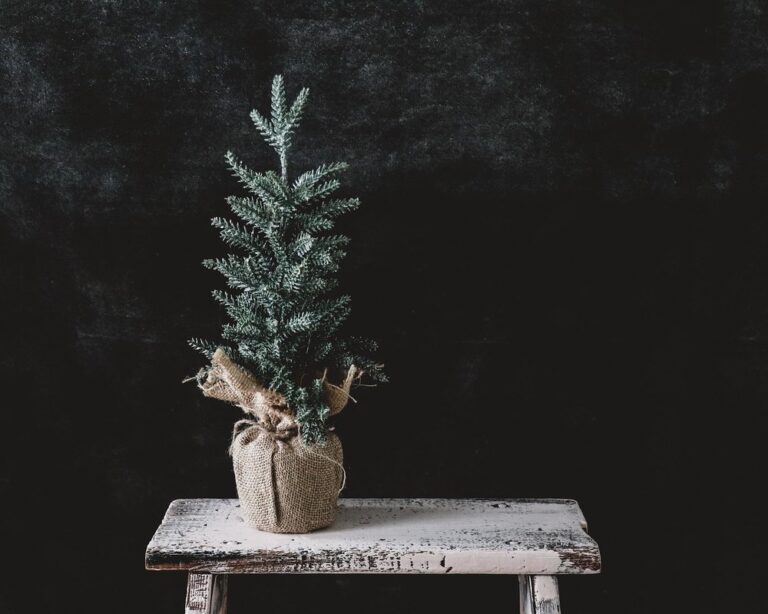
Burlap is a popular choice for wrapping plants, providing insulation without suffocating the roots. However, it may not be suitable for tropical species that require high humidity, such as ferns or peace lilies. These plants do better with breathable materials like fleece or straw, which allow moisture to escape while keeping warmth in.
When selecting a wrapping material, consider the plant’s growth habits and environmental requirements. For example, evergreen shrubs can tolerate more severe cold temperatures than flowering perennials. It’s also essential to leave some room for air circulation between wraps to prevent moisture buildup and potential root rot.
Protecting Plants from Frost Damage
When temperatures drop, frost can be a major threat to your potted plants – but don’t worry, we’ve got you covered with some essential tips. Let’s dive into how to safeguard them from frost damage.
Bringing Potted Plants Indoors
When you know that frost is on its way, it’s time to bring those potted plants indoors for protection. This can be a daunting task, especially if you’re not used to handling large pots or have limited space inside. But don’t worry, we’ve got you covered.
Start by inspecting your plants carefully before bringing them in. Check for any signs of pests or diseases that could spread quickly indoors. Next, choose a spot with bright, indirect light and temperatures between 65-75°F (18-24°C) – most houseplants thrive in these conditions. If possible, place the pot on a tray filled with water and pebbles to increase humidity around the plant.
Once your plants are settled inside, adjust their watering schedule accordingly. Houseplants typically require less moisture indoors than outdoors, so be sure not to overwater. Finally, prune any damaged or dying leaves to prevent disease from spreading further. By following these simple steps, you can safely bring your potted plants indoors and enjoy them throughout the winter months.
Creating a Cold Frame or Unheated Greenhouse
If you’re looking for an affordable and DIY-friendly way to protect sensitive potted plants from frost damage, consider creating a cold frame or unheated greenhouse. A cold frame is essentially a transparent-roofed box that uses the sun’s natural heat to warm the air inside, allowing you to extend the growing season and keep your plants safe.
To build a basic cold frame, start by selecting a suitable location that receives plenty of sunlight during the day. You’ll need a wooden or plastic base with a sloping roof, which can be constructed using reclaimed materials or purchased from a local hardware store. Attach transparent sheets to the sides and top of the frame to allow sunlight in while keeping frost out.
Some essential features to consider when building your cold frame include:
• A ventilation system to ensure air circulation and prevent overheating
• Insulation around the edges to retain warmth and reduce heat loss
• A trellis or support for climbing plants to make the most of available space
By creating a cold frame or unheated greenhouse, you can provide a protected environment for your potted plants to thrive during the winter months. This will give you peace of mind knowing that your beloved plants are safe from frost damage and can continue to grow and flourish until spring arrives.
Watering and Fertilizing During Winter Months
When it comes to winterizing potted plants, proper watering and fertilization techniques are crucial for their survival. We’ll walk you through the best practices for keeping your plants hydrated and nourished during this dormant period.
Adjusting Watering Schedules
As we’ve discussed reducing fertilization during winter months, it’s equally important to adjust our watering schedules accordingly. Potted plants tend to grow at a slower rate during this period, which means they require less water overall. To avoid overwatering and the resulting root rot or other issues, carefully examine your plant’s specific needs.
Consider factors such as temperature fluctuations, humidity levels, and indoor or outdoor placement when determining the best watering schedule for your potted plants. For instance, if you’ve moved your plants from a warmer location to a cooler one, they’ll likely require less water due to reduced transpiration rates.
A good rule of thumb is to check the soil moisture by inserting your finger into the top 1-2 inches of soil up to the first knuckle. If the soil feels dry, it’s time for a watering. Conversely, if it still retains some moisture, wait another day or two before checking again.
On average, most potted plants require less water during winter months – about 25-50% less than their usual amount. Be cautious not to underwater your plants, as this can cause stress and lead to disease issues. Monitor your plant’s response to the reduced watering schedule, making adjustments as needed to ensure optimal health and survival throughout the winter season.
Winter Fertilization: What to Use and When
When it comes to winterizing potted plants, fertilization is often overlooked, but it plays a crucial role in keeping them healthy and thriving during the cold months. During winter, plants require less nitrogen, more potassium, and phosphorus to promote root growth and aid in nutrient uptake.
You can use balanced fertilizers (20-20-20) or winter-specific formulas (10-15-20), which are designed to provide the necessary nutrients without over-stimulating new growth. Some plant owners swear by using bone meal as a natural fertilizer, but be aware that it takes a while to break down and may not provide immediate results.
To fertilize your potted plants during winter, wait until after the first frost has passed, then apply a balanced or winter-specific formula according to the manufacturer’s instructions. For best results, dilute the fertilizer to half the recommended strength, as over-fertilization can damage roots and cause more harm than good.
Monitoring and Maintaining Healthy Plants During Winter
As winter sets in, it’s crucial to keep your potted plants thriving by monitoring their water intake, temperature tolerance, and humidity levels. Regular checks will ensure they remain healthy and vibrant throughout the cold months.
Regular Inspections for Disease and Pests
Regular inspections are crucial to detect signs of disease or pests that can quickly spread and destroy your potted plants during winter. As temperatures drop and humidity levels decrease, plants become more susceptible to infections and infestations.
Check your plants at least once a week for any unusual symptoms such as yellowing leaves, black spots, white powdery coatings, or actual insects on the foliage. Look closely at the undersides of leaves, where pests like spider mites, mealybugs, and scale often hide.
If you notice anything out of the ordinary, don’t hesitate to take action. Isolate infected plants immediately to prevent the spread of disease. Treat infested plants with insecticidal soap or neem oil, following the product’s instructions carefully. Prune affected areas, disinfecting your pruning tools between cuts to prevent further contamination.
Keep a close eye on your plants’ watering schedule too. Overwatering can lead to root rot and other problems that make plants more vulnerable to pests and diseases. By staying vigilant and addressing issues promptly, you’ll be able to protect your potted plants and keep them healthy throughout the winter months.
Pruning and Training Plants During Dormancy
Pruning and training plants during dormancy is an essential step to ensure they remain healthy and thrive come spring. When plants are dormant, it’s the perfect opportunity to inspect their structure and prune away any dead or damaged branches. This process not only promotes healthy growth but also helps prevent disease from spreading.
Start by removing any dead or dying leaves or stems using pruning shears or loppers. Cut just above a node (where a leaf meets the stem), making clean cuts at a 45-degree angle. Be cautious not to damage nearby foliage during this process.
Next, remove any weak or spindly growth that may be competing with the plant for resources. This will allow your plant to focus its energy on developing strong, healthy branches. Prune back leggy stems to encourage bushy growth and prevent scorching from direct sunlight.
During dormancy, plants can also benefit from gentle training. Use stakes or trellises to support any heavy stems or branches that may be prone to breakage under their own weight.
Troubleshooting Common Issues with Winterized Plants
If you’re noticing some issues with your winterized plants, don’t worry – we’ve got you covered. This section addresses common problems and provides tips for getting your potted plants back on track.
Identifying Causes of Winter Damage
When it comes to winterized plants, identifying the causes of damage is crucial to preventing future issues. One common cause of damage is frost, which can occur when temperatures drop below freezing. If you live in an area with frequent frosts, be sure to bring potted plants indoors or protect them from wind and cold using a layer of mulch or burlap.
Drying winds are another culprit behind winter damage. These winds can cause moisture to evaporate too quickly, leading to desiccation and root rot. To combat this, make sure your potted plants are situated in a sheltered location or covered with a breathable cloth to protect them from harsh winds.
Root rot is also a common issue during the winter months, particularly if your plant has been overwatered. When soil becomes waterlogged, it can cause roots to rot, leading to damage and potentially even death. Check for signs of root rot by gently removing the plant from its pot and inspecting the roots; if they appear mushy or soft, take immediate action to address the issue.
Keep an eye out for these common causes of winter damage and take proactive steps to protect your potted plants. Regular inspections will help you catch potential problems before they become major issues.
Solutions for Common Winterization Problems
One of the most frustrating issues with winterized plants is root bound and leggy stems. This can be caused by inadequate light, water, or nutrients during the growing season. To address this problem, gently remove the plant from its pot and inspect the roots. If the roots are circling around the inside of the pot, trim them back to encourage new growth. You can also prune the leggy stems to encourage bushy growth.
Another common issue is overwatering, which can cause roots to rot and kill the plant. To prevent this, check the moisture level in the soil by sticking your finger into the soil up to the first knuckle. If the soil feels wet, wait a few days before watering again. Make sure the pot has proper drainage holes to prevent waterlogged soil.
If you’ve noticed yellowing leaves or dropping leaves on your winterized plants, it may be due to inadequate humidity or exposure to extreme temperatures. Bring the plant inside during cold snaps and mist with water regularly to maintain a humid environment. If possible, place the pot on a tray filled with water and pebbles to increase the surrounding humidity.
Monitor the temperature in your home, as most houseplants prefer daytime temperatures between 65-75°F (18-24°C) and nighttime temperatures around 55-65°F (13-18°C). Keep an eye out for pests like spider mites, mealybugs, or scale, which can thrive in dry conditions.
Conclusion: Successfully Winterizing Potted Plants
You’ve made it to the final stage of winterizing your potted plants! This section will guide you through the steps to ensure your beautiful containers are ready for a thriving new season.
Recap of Key Takeaways
As you wrap up this comprehensive guide on winterizing potted plants, take a moment to reflect on the essential steps outlined throughout. You’ve learned that the key to successfully winterizing potted plants lies in understanding their specific needs and adapting to the changing seasons.
To recap, it’s crucial to evaluate your plant’s hardiness zone and choose the right variety for your region. For example, if you live in a cold climate, select plants like succulents or cacti that can tolerate frost. On the other hand, plants from tropical regions should be moved indoors during winter.
Protecting your potted plants from extreme temperatures is also vital. Apply a layer of mulch around the pot to insulate the roots and prevent moisture loss. Bring plants under cover or into a sheltered area if possible, or use burlap or frost blankets as an alternative.
Additionally, don’t forget to provide adequate watering and fertilization for your winterized potted plants. By following these steps and staying attentive to your plant’s needs, you’ll be able to enjoy a thriving and healthy garden even through the coldest months.
Final Tips and Recommendations
As you’ve made it through this comprehensive guide to winterizing potted plants, it’s time for some final tips and recommendations to help you prepare your beloved plants for the cold winter months. Before we wrap up, take a moment to review your plant collection and identify which ones need extra TLC.
Make sure to check the specific needs of each plant species, as some may require more extensive protection than others. For example, tender perennials like geraniums and impatiens should be brought indoors or placed in a cold frame, while hardy plants like succulents and cacti can tolerate frost with minimal care.
To ensure your potted plants stay healthy during the winter, remember to: keep them away from drafty windows and doors, maintain consistent moisture levels, and provide sufficient light (natural or artificial). Don’t forget to repot your plants in the spring when they’re actively growing, as this will give their roots a chance to breathe and absorb nutrients.
Lastly, don’t hesitate to reach out to local nurseries or gardening experts for personalized advice on caring for specific plant species. With these final tips and recommendations, you’ll be well-equipped to protect your potted plants from the harsh winter elements and enjoy vibrant blooms come springtime!
Frequently Asked Questions
What if I notice frost damage on my winterized plants, but it’s not severe? Can they still recover?
Yes, even if your plants show signs of frost damage, they may still recover with proper care. Remove any damaged leaves or branches to prevent further spread of disease and encourage new growth. Adjust watering schedules as needed to prevent waterlogged soil, which can exacerbate damage.
How often should I inspect my winterized plants for signs of pests or diseases?
Regular inspections are crucial during the winter months. Set aside time each week (or more frequently if you notice issues) to check for signs of pests, disease, or nutrient deficiencies. This proactive approach will help catch problems early and prevent them from becoming severe.
Can I use regular garden soil in my potted plants’ winterization mix, or do I need a specific blend?
Yes, using regular garden soil can be used as part of your winterization mix, but consider supplementing it with organic matter like compost to improve soil structure and fertility. A balanced potting mix specifically designed for indoor containers is also an excellent option.
How do I prevent my potted plants from getting too dry or waterlogged during the winter months?
Adjust watering schedules based on plant species, climate, and container material. Water your plants only when the top inch of soil feels dry to the touch. Be cautious not to overwater, as this can lead to root rot and other issues.
Can I bring my sensitive tropicals indoors for the entire winter season, or is there a better alternative?
While bringing sensitive tropicals indoors can be done, consider providing them with a protected outdoor location (like a cold frame) if possible. This will give your plants more light and some of their natural humidity needs met, while still keeping frost damage at bay.