
Winter is coming, and with it, a fresh batch of nutritious and delicious vegetables to add to your garden. But before you start planting, have you considered which winter veggies are best suited for your climate and soil type? Choosing the right varieties can make all the difference in getting a bountiful harvest. In this article, we’ll guide you through the process of selecting the perfect winter vegetables to plant in your garden, taking into account factors like temperature, sunlight, and moisture levels. We’ll cover everything from cool-season crops like broccoli and kale to root vegetables like carrots and beets. Whether you’re a seasoned gardener or just starting out, this article will provide expert tips on planting, care, and maintenance for a successful winter harvest.
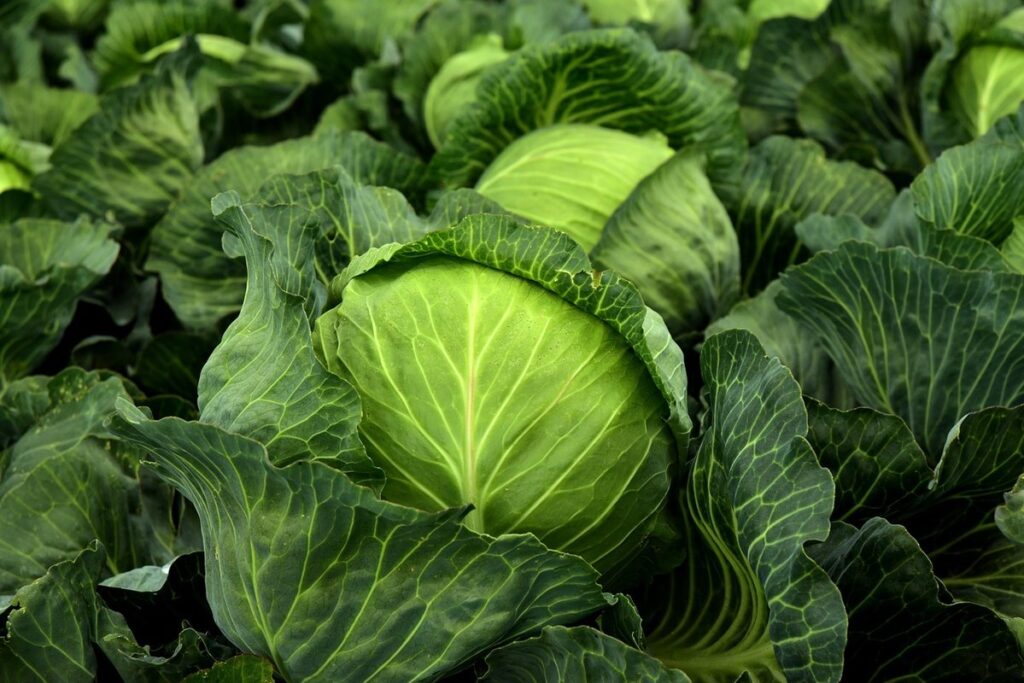
Choosing the Right Winter Vegetables
When selecting winter vegetables to plant, choosing the right varieties is crucial for a successful harvest. This decision affects everything from your soil and climate considerations to your expected yields.
Understanding Your Climate and Soil Type
Understanding your local climate and soil type is crucial when choosing winter vegetables to plant. A slight difference in temperature, humidity, or soil composition can significantly impact the success of your harvest.
To determine the best winter vegetables for your garden, start by assessing your local microclimate. Observe how sunlight, wind direction, and elevation affect your garden’s conditions. For instance, if you live in a valley, you may experience frost pockets that require special consideration. Conversely, gardens situated on south-facing slopes tend to receive more direct sunlight.
Next, identify your soil type – sandy, clay, or loamy. Different winter vegetables thrive in various soil conditions. Broccoli and cauliflower prefer well-draining soils, while Brussels sprouts tolerate clay-rich soils better. Consult seed packets or gardening resources for specific recommendations based on your climate and soil type.
Common Mistakes to Avoid When Selecting Winter Vegetables
When selecting winter vegetables, it’s essential to avoid common mistakes that can lead to disappointing harvests. One of the most significant errors is choosing varieties that are not suitable for your local climate. For example, if you live in a region with harsh winters, selecting vegetables that are sensitive to frost will result in poor yields or even complete loss.
Another mistake is neglecting to consider the maturity date of the variety. Some winter vegetables require an extended growing season and may not mature before the first frost, while others can thrive in cooler temperatures. To avoid this pitfall, check the seed packet or consult with a local nursery or gardening expert to determine which varieties will perform well in your area.
Additionally, be mindful of selecting varieties that are too sensitive to temperature fluctuations or have specific soil requirements that may not be feasible in your garden. By being aware of these potential pitfalls and taking steps to avoid them, you can enjoy a bountiful harvest of delicious winter vegetables.
Planning Your Winter Garden
Before you start planting, it’s essential to plan out your winter garden to ensure a successful harvest. Let’s explore how to create a thriving winter garden from scratch.
Creating a Winter Garden Layout
When designing your winter garden layout, it’s essential to consider space efficiency and productivity. A well-planned layout can make a significant difference in maximizing yields and minimizing labor.
Crop rotation is crucial for maintaining soil health and preventing pests and diseases from becoming resistant to control methods. For example, if you planted brassicas like broccoli or kale in the previous season, avoid planting them again in the same spot this winter. Instead, choose a different location for these cool-season crops, such as a bed with improved drainage.
Companion planting can also enhance growth and reduce pests. Planting marigolds with carrots, for instance, can deter nematodes and improve flavor. You can group plants together based on their growing requirements, like placing taller varieties like Brussels sprouts behind shorter ones like lettuce or spinach.
In small gardens, make the most of vertical space by using trellises or a wall-mounted planter system to grow vining crops like kale or winter squash.
Preparing Your Soil for Winter Planting
As you start preparing your garden for winter planting, it’s essential to give some thought to your soil. A healthy and fertile soil is crucial for the success of your winter vegetables, and a little preparation can make all the difference.
First and foremost, add organic matter to your soil. This can be in the form of compost, well-rotted manure, or peat moss. Organic matter helps to improve soil structure, increase its water-holding capacity, and provide essential nutrients for plant growth. Aim to add at least 2-3 inches of organic matter to your soil, working it in gently to avoid compacting the soil.
Next, check your pH levels and adjust them if necessary. Most winter vegetables prefer a slightly acidic to neutral soil pH, ranging from 6.0 to 7.0. If you’re unsure about your soil’s pH, consider getting a soil test done. Based on the results, you can add lime to raise the pH or sulfur to lower it.
Incorporating beneficial microorganisms into your soil is also vital for promoting healthy plant growth. These microscopic organisms help break down organic matter, solubilize minerals, and fight off diseases. You can introduce them into your soil through compost teas or worm castings.
Vegetable Options for Different Climates
When it comes to growing winter vegetables, the type of crop you choose will depend largely on your local climate and region. Let’s explore some of the best options for different climates.
Cool-Season Vegetables for Northern Regions
When gardening in northern regions with short growing seasons, it’s essential to focus on cool-season vegetables that thrive in cooler temperatures. These crops typically mature quickly and can tolerate light frosts, making them perfect for areas with limited warm-weather days.
Some of the most popular cool-season varieties include broccoli, kale, and carrots. Broccoli, in particular, is a great choice for northern gardeners. It’s relatively easy to grow and can be harvested as early as 55 days after planting. To get the best results from your broccoli crop, make sure to choose a variety that’s specifically bred for cool-season production, such as ‘Deep Purple’ or ‘Waltham 29’.
Kale is another cool-season superstar that can tolerate temperatures as low as 10°F (-12°C). It’s packed with nutrients and can be harvested continuously throughout the season. For maximum flavor and texture, harvest your kale leaves when they’re young and tender.
When planting carrots in northern regions, choose a variety that matures quickly (around 50-60 days) and is resistant to bolting. Some popular cool-season carrot varieties include ‘Little Finger’, ‘Thumbelina’, and ‘Danver’s Half-Long’. By following these simple tips and choosing the right varieties for your region, you can enjoy a bountiful harvest of delicious cool-season vegetables all winter long!
Warm-Season Vegetables for Southern Regions
When the warmer months arrive, gardeners in southern regions can focus on cultivating an array of delicious and nutritious warm-season vegetables. While it may seem counterintuitive to consider growing winter vegetables during this time, many varieties thrive in the extended growing seasons found in these areas.
Tomatoes are a prime example, requiring only 60-90 days to mature from transplanting to harvest. Look for heat-tolerant or disease-resistant varieties like ‘Better Boy’ or ‘Early Girl’. With proper care and protection from intense sunlight, peppers will also flourish, providing an abundance of crunchy bell peppers and sweet, smoky jalapenos.
Eggplants are another popular choice, adding their unique flavor and texture to Mediterranean-inspired dishes. To ensure success with these warm-season vegetables, make sure your garden receives full sun (at least 6 hours direct sunlight) and has good air circulation to prevent moisture-related diseases. With the right conditions and attention to detail, you’ll be harvesting an array of fresh, flavorful vegetables in no time.
Starting Your Winter Garden from Seed
Starting your winter garden from seed can be a thrilling experience, and it’s actually quite easy once you know the basics. Let’s dive into the essential steps to get you growing successfully from seed.
Sowing Seeds Indoors or Outdoors
When it comes to starting your winter garden from seed, you have two main options: sowing seeds indoors and then transplanting them outdoors, or direct sowing outdoors. The best method for you will depend on the specific vegetable variety, climate, and time of year.
For cooler-season crops like broccoli, kale, and spinach, it’s often better to sow seeds directly outdoors in late summer or early fall. These vegetables prefer a cooler temperature to germinate and grow, and sowing them too early indoors can lead to leggy growth and reduced yields. In contrast, warm-season crops like Brussels sprouts, cabbage, and cauliflower do well when started indoors 4-6 weeks before the last frost date.
To direct sow outdoors, choose a spot with full sun and well-draining soil, and plant seeds about 1-2 inches deep. Keep the soil consistently moist during the germination period, which can take anywhere from 7-21 days depending on the variety. When transplanting seedlings started indoors, wait until the weather has warmed up slightly and the risk of frost has passed, then harden off the plants by gradually exposing them to outdoor conditions over the course of 7-10 days.
Tips for Successful Seed Germination
For successful seed germination, it’s essential to create an optimal environment that mimics nature. Start by preparing your soil with a mix specifically designed for indoor or outdoor winter gardening. This will ensure the right balance of nutrients and pH levels.
To achieve the perfect moisture level, water your seeds gently but thoroughly before planting them in their designated spot. Avoid overwatering, as this can lead to root rot and other issues. Instead, keep the soil consistently moist during the germination period, usually 7-14 days for most winter vegetables.
Temperature control is also crucial for seed germination. Most winter vegetables prefer cooler temperatures between 60°F to 70°F (15°C to 21°C). Keep your seeds away from direct sunlight and extreme temperature fluctuations to prevent shock. If you’re planting indoors, consider using a propagation tray or greenhouse setup with built-in heating mats to maintain the ideal temperature.
By following these guidelines, you’ll be able to create an optimal environment for seed germination and set your winter vegetables up for success.
Care and Maintenance of Winter Vegetables
To get the most out of your winter harvest, it’s essential to properly care for and maintain your vegetables, from mulching to monitoring for pests. This section will cover some valuable tips to keep your plants thriving all season long.
Watering and Mulching Strategies
When it comes to growing winter vegetables, proper watering and mulching techniques are crucial for healthy growth and disease prevention. Watering requirements vary depending on the type of vegetable, but most winter crops prefer well-draining soil that’s consistently moist but not waterlogged. To avoid overwatering, check the soil daily by inserting your finger into the soil up to the knuckle. If it feels dry, it’s time for a drink.
Mulching is another essential practice for winter vegetables. It helps retain moisture, suppress weeds, and regulate soil temperature. Organic mulch options like straw, bark chips, or grass clippings work well around winter crops. Apply a 2-3 inch layer of mulch around your plants, keeping it a few inches away from the base to prevent rot. Mulching also helps reduce evaporation, so you’ll need to water less frequently.
Keep in mind that some winter vegetables like Brussels sprouts and kale prefer drier soil conditions than others. Be sure to research specific watering requirements for each crop in your garden.
Common Pests and Diseases to Watch Out For
As you tend to your winter vegetable garden, it’s essential to be aware of common pests and diseases that can affect these crops. Winter vegetables like kale, spinach, and broccoli are particularly susceptible to infestations and infections.
Aphids, whiteflies, and slugs are just a few examples of pests that thrive in cooler temperatures. To prevent aphid infestations, inspect your plants regularly for curled or distorted leaves, and treat with neem oil or insecticidal soap as soon as you spot any issues. Whiteflies can be managed by introducing beneficial insects like ladybugs or lacewings to your garden. Slugs, on the other hand, can be deterred using copper tape or crushed eggshells around plant stems.
Diseases like powdery mildew and downy mildew are also common winter pests. To prevent these diseases, ensure good air circulation around your plants, remove any infected leaves, and treat with fungicides if necessary. Regularly inspecting your plants for signs of disease or pests can help you catch issues early on, reducing the need for chemical treatments.
Some beneficial insects like bees and butterflies also visit winter vegetables, so consider planting a pollinator-friendly mix of flowers to attract these visitors and support overall garden health.
Frequently Asked Questions
How Can I Adapt This Guide to My Specific Climate Zone?
The article provides a general framework for choosing winter vegetables, but the specific varieties mentioned might not be suitable for your region. To adapt this guide, research local climate-specific recommendations and consult with fellow gardeners or extension services in your area.
What Are Some Common Mistakes to Avoid When Planting Winter Vegetables?
Some common mistakes include planting warm-season crops too late, underestimating soil temperature requirements, and failing to provide adequate support for tall vegetables like broccoli. Be sure to check the specific needs of each variety and plan accordingly.
Can I Mix Cool-Season Crops with Warm-Season Ones in My Garden?
While it’s possible to mix both types, it’s generally recommended to separate them due to their different growth requirements. However, if you do choose to plant a mix, ensure that cool-season crops are provided with sufficient shade during hot periods.
How Can I Ensure Successful Seed Germination for Winter Vegetables?
To boost seed germination rates, use fresh seeds, maintain optimal soil temperature (around 40°F to 50°F), and provide adequate moisture. You can also consider starting seeds indoors 4-6 weeks before the last frost date in your area.
What Are Some Alternative Methods for Preparing Soil for Winter Planting?
If you’re unable to till your soil, consider using mulch or cover crops as a prepping method. These alternatives can help break up compacted soil and introduce beneficial microorganisms that aid in nutrient cycling.