
As the seasons change and summer blooms fade, many of us wonder how to keep our gardens looking vibrant and interesting during the cold winter months. Winter interest plants are the solution, providing beauty and structure to your outdoor space even when other flowers have gone dormant. But with so many options to choose from, where do you start? In this article, we’ll explore the world of winter interest plants, including tips on selecting the right varieties for your climate and specific needs, as well as advice on planting techniques and maintenance. We’ll also cover some essential climate considerations to ensure your plants thrive throughout the year. By the end of this guide, you’ll be equipped with the knowledge to choose and care for your own winter interest plants, keeping your garden beautiful and thriving all 12 months.
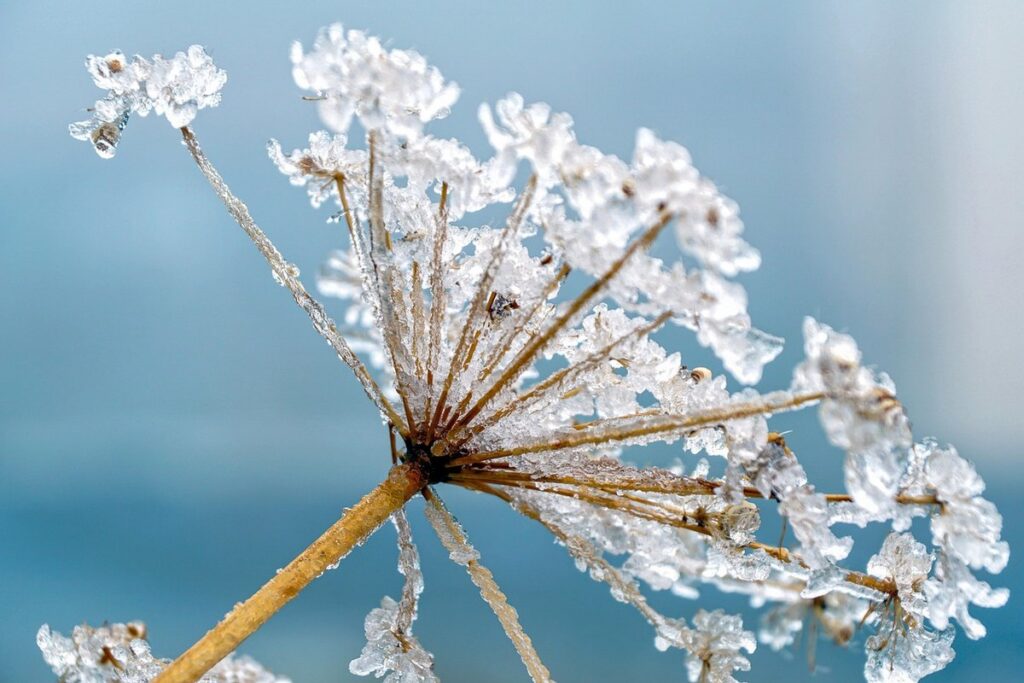
What are Winter Interest Plants?
As you explore winter interest plants, it’s essential to understand what they are and how they can add beauty to your garden year-round. These hardy plants have unique characteristics that make them shine even in cold weather conditions.
Definition and Purpose
Winter interest plants are a crucial element in maintaining garden beauty during the cold months. These plants are chosen for their ability to thrive and showcase interesting features such as color, texture, and form even when other plants have gone dormant or died back.
The purpose of winter interest plants is to provide a visual interest to your garden from autumn through early spring. They add vibrancy and life to an otherwise barren landscape, making it possible to enjoy your outdoor space year-round. By incorporating these plants into your garden design, you can create a seamless transition between seasons, ensuring that your garden remains beautiful and engaging even during the coldest months.
Some examples of winter interest plants include conifers, shrubs with berries or bark, and perennials with persistent foliage. These plants are often selected based on their structural characteristics, such as shape, size, and color, which provide visual appeal during periods when other plants have gone dormant. By incorporating these plants into your garden design, you can create a beautiful winter landscape that’s both functional and visually appealing.
Characteristics of Winter Interest Plants
When it comes to selecting plants that provide winter interest, there are certain characteristics that set them apart from others. One key factor is foliage color, with plants like holly (Ilex spp.) and camellia (Camellia spp.) showcasing vibrant red, purple, or pink hues even in the dead of winter.
Foliage texture also plays a crucial role, as plants with interesting textures can add depth and visual interest to your garden. For example, plants like coral bells (Heuchera spp.) with their maple-like leaves and delicate stems, or boxwood (Buxus spp.) with its compact, rounded growth habit.
The structure of the plant is another important consideration. Plants like conifers (e.g., pine, spruce, fir) and shrubs (e.g., yew, rhododendron) provide a framework for interest in winter, their evergreen foliage standing tall against the bare landscape.
When selecting plants with these characteristics, consider how they will fit into your overall garden design. Pair plants with varying textures and colors to create visual contrast, and don’t be afraid to experiment with different shapes and forms to add interest to your winter garden.
Popular Types of Winter Interest Plants
When it comes to adding year-round beauty to your garden, winter interest plants are an excellent choice. These plants continue to thrive and provide visual interest during the colder months when other plants may be dormant. Let’s explore some popular types of winter interest plants that can add depth and character to your outdoor space.
Evergreens are a great option for winter interest plants, as they keep their leaves year-round and come in a variety of shapes, sizes, and colors. Popular evergreen options include Boxwood, Holly, and Arborvitae. These plants are perfect for hedges, topiaries, or standalone specimens that provide structure and texture to your garden.
Flowering shrubs like Winter Honeysuckle and Viburnum offer beautiful blooms in shades of white, pink, and red during the winter months. Ornamental grasses like Fountain Grass and Pampas Grass add a dramatic touch with their feathery plumes and movement in the wind.
Consider mixing and matching these plants to create a dynamic and visually appealing winter garden that provides interest and beauty throughout the seasons. By incorporating one or more of these popular types of winter interest plants into your landscape, you can enjoy year-round beauty and reduce maintenance tasks during the colder months.
Choosing Winter Interest Plants for Your Garden
When it comes to selecting plants that thrive during winter, you’ll want to choose varieties that provide structure, color, and texture to your garden. This will help keep things visually interesting even on grayest of days.
Climate Considerations
When selecting winter interest plants for your garden, it’s crucial to consider the climate where you live. Different regions experience varying temperature fluctuations during the winter months, and choosing plants that can thrive in these conditions is essential for year-round beauty.
Start by identifying your local USDA Hardiness Zone, which indicates the average annual extreme minimum temperature for your area. This will help guide your plant selection process. For example, if you live in a zone with mild winters (USDA zones 8-10), you can opt for plants like Bougainvillea or Hibiscus that remain evergreen and produce vibrant blooms throughout the winter.
In contrast, areas with harsher winters (USDA zones 3-5) require more resilient plants. Consider incorporating conifers like Arborvitae or evergreen shrubs like Boxwood into your landscape design. These plants can tolerate extreme cold temperatures and provide structure and interest during the coldest months. When selecting winter interest plants for your garden, research their specific climate requirements to ensure they’ll thrive in your local environment.
Soil and Light Requirements
When selecting winter interest plants for your garden, it’s essential to consider their soil and light requirements. Most winter interest plants prefer well-draining soil that is rich in organic matter. If your soil is heavy clay or sandy, amend it with compost or perlite to create a more hospitable environment.
In terms of light, some winter interest plants can tolerate full sun, while others require partial shade. For example, conifers and evergreen shrubs like holly and boxwood can thrive in full sun, but may need protection from intense midday sun. On the other hand, plants with delicate foliage like ferns and hellebores prefer partial shade to prevent scorching.
To create a favorable environment for your winter interest plants, choose a location that receives the right amount of light and has adequate air circulation. If you’re planting in a shady area, consider using mulch or decorative stone to reflect what little sunlight is available. By understanding the specific soil and light requirements of each plant, you can ensure they receive the conditions necessary to thrive throughout the winter months.
Planting Techniques and Timing
When it comes to planting winter interest plants, timing is everything. In general, it’s best to plant these types of plants in fall or early spring, depending on the specific needs of the variety you’ve chosen. If you’re planting in the fall, make sure to do so about 8-10 weeks before the first frost date for your area. This will give the roots a chance to establish themselves before winter sets in.
Planting too close to the frost date can be detrimental to the plant’s survival, and may even cause it to go dormant prematurely. On the other hand, if you’re planting in early spring, wait until the soil has warmed up slightly and any threat of frost has passed. This will ensure that your winter interest plants have a good head start on the growing season.
Consider factors like climate and hardiness zone when deciding on a planting time. Some plants, such as shrubs and perennials, can tolerate cooler temperatures and may even benefit from an early fall planting.
Designing with Winter Interest Plants
When it comes to designing with winter interest plants, one of the key considerations is creating a cohesive look that ties together multiple plant species. This can be achieved through careful consideration of texture and color palette.
Mixing and Matching Different Textures and Colors
When designing with winter interest plants, mixing and matching different textures and colors can add depth and visual appeal to your space. For instance, combining smooth-leaved evergreens like boxwood with the intricate texture of a winter-blooming holly or the wispy branches of a cedar tree creates an interesting contrast that’s sure to capture attention.
Consider pairing warm-toned plants like red-berried dogwood with cool-toned plants like blue-gray conifers. This color combination not only provides visual interest but also helps create a cozy atmosphere perfect for winter. Don’t be afraid to experiment and mix different plant heights and shapes, like combining the dense foliage of a compact shrub with the airy blooms of a winter-flowering camellia.
To take your winter garden design to the next level, think about incorporating plants with varying growth habits, such as creeping thyme or wintergreen. These plants can be used to fill in gaps between other plants and create a lush, full look even during the coldest months. Remember, the key is to have fun and be creative when combining different textures and colors – it’s all about experimenting and finding what works best for your space.
Using Winter Interest Plants in Containers and Borders
When it comes to showcasing winter interest plants, containers and borders offer endless possibilities for adding year-round beauty to your garden. One of the most effective ways to use winter interest plants is by incorporating them into container gardens.
Choose a large pot or tub with good drainage and fill it with a mix of evergreen shrubs, perennials, and grasses that provide structure and texture throughout the winter months. For example, pair a compact evergreen like boxwood with a dramatic ornamental grass like pampas grass for a striking contrast.
In borders, consider massing winter interest plants together to create a stunning focal point. For instance, plant a cluster of shrubs like holly or yew in a designated area, then add a few strategically placed perennials like winter heather or snowdrops that bloom throughout the winter months.
Don’t forget about the benefits of combining plants with different foliage colors and textures to create visual interest. Some other ideas for using winter interest plants include incorporating them into rock gardens, adding them as a focal point in a patio garden, or even using them as a backdrop for a seasonal display like a holiday light show.
Combining with Other Seasonal Elements
Combining winter interest plants with other seasonal elements can elevate the beauty of your outdoor space and create a unique winter wonderland atmosphere. Consider pairing your plants with snow-covered sculptures or festive lights to add visual interest and depth. For example, place a topiary or a compact evergreen shrub near a snowman or a reindeer sculpture to create a fun and playful vignette.
You can also use string lights or fairy lights to create a warm and cozy ambiance around your winter interest plants. Wrap the lights around branches or stems to highlight their texture and form, or place them within planters to add an extra layer of visual appeal. Don’t forget to incorporate festive decorations like garlands or swags made from evergreen branches, holly, or mistletoe to further enhance the winter theme.
Remember to choose lighting that is energy-efficient and weather-resistant to ensure it can withstand harsh winter conditions.
Caring for Winter Interest Plants
Now that you’ve chosen your winter interest plants, let’s dive into the important details of caring for them to keep them thriving throughout the season. Proper care will make all the difference in their beauty and longevity.
Watering and Fertilization
During the dormant period, winter interest plants still require proper watering and fertilization techniques to maintain their health and vigor. It’s essential to water these plants sparingly, as overwatering can lead to root rot and other problems.
Here are some tips for watering winter interest plants:
* Check the soil moisture regularly by inserting your finger into the soil up to the knuckle. If the soil feels dry, it’s time to water.
* Water in the morning to allow the plant to absorb the water throughout the day.
* Avoid getting water on the leaves or crown of the plant to prevent rot and other issues.
Fertilization during the dormant period is not as crucial as it is during active growth periods. However, a balanced, slow-release fertilizer applied in late winter can provide essential nutrients for new growth. Be cautious not to overfertilize, as this can cause more harm than good. A general rule of thumb is to fertilize sparingly, about one-quarter the recommended amount.
By following these guidelines, you’ll be able to keep your winter interest plants healthy and thriving throughout the year.
Pruning and Maintenance
Pruning winter interest plants is crucial to maintain their shape and promote healthy growth. It’s best to prune these plants during their dormant season, typically from late winter to early spring. For example, evergreen shrubs like boxwood or holly can be pruned back by one-third to one-half of their height to encourage new growth.
When pruning deciduous shrubs like dogwood or viburnum, remove any dead, diseased, or damaged branches. This will prevent the spread of disease and promote healthy growth. For trees with interesting bark, like paperbark maple or river birch, prune only as needed to maintain a balanced shape.
Regular maintenance is also essential to keep winter interest plants looking their best. Water them during periods of drought, but avoid overwatering, which can lead to root rot. Fertilize lightly in early spring with a slow-release fertilizer to promote new growth. Finally, mulch around the base of the plant to retain moisture and suppress weeds.
By following these pruning and maintenance tips, you’ll be able to enjoy your winter interest plants throughout the year.
Common Pests and Diseases
As you enjoy your winter interest plants throughout the year, it’s essential to be aware of common pests and diseases that can affect their health. These issues can arise from poor plant care, environmental factors, or even pests brought into your home on contaminated plants.
One common pest issue is spider mites, which are tiny, spider-like insects that feed on plant sap. You might notice fine webbing on the leaves or a stippled appearance due to their feeding activity. To manage spider mite infestations, isolate infected plants, and treat with insecticidal soap or neem oil.
Diseases like root rot, caused by overwatering, can also occur during the winter months when plants are more susceptible to moisture stress. Check your soil’s water level regularly, and ensure good air circulation around your plants to prevent fungal growth. Regularly inspect your plants for signs of pests or diseases, such as yellowing leaves, black spots, or white powdery coatings.
Some common winter diseases include crown rot (caused by cold temperatures) and leaf spot (caused by fungal pathogens). Regular monitoring and taking preventative measures can help you catch issues early on, making it easier to treat your plants effectively.
Seasonal Interest Plants by Region
When choosing winter interest plants, it’s essential to consider the specific needs and requirements of different regions. We’ll break down some top picks for various parts of the country.
Northern Hemisphere: Winter Interest Plants for Cold Climates
In the northern hemisphere, winter can be a challenging time to keep gardens looking their best. However, there are many hardy, low-maintenance plants that thrive in cold climates and provide much-needed interest during the winter months.
Consider planting shrubs like Winterberry (Ilex verticillata), which produces bright red berries that persist throughout the winter. Other options include Dogwood (Cornus spp.) with its showy white or pink flowers, and Boxwood (Buxus sempervirens) with its attractive evergreen foliage.
For a pop of color in your landscape, try incorporating perennials like Hellebores (Christmas Roses), which bloom as early as December and continue to flower through March. These plants are perfect for zones 5-9 and can tolerate frost without damage.
When choosing winter interest plants for your garden, be sure to select species that are suitable for your specific climate and USDA Hardiness Zone. This will ensure that your plants receive the right amount of moisture, sunlight, and protection from extreme cold.
Southern Hemisphere: Winter Interest Plants for Mild Climates
In the Southern Hemisphere, where mild climates prevail, gardeners can still enjoy vibrant winter interest plants. These regions experience a subtropical climate with minimal frost, making it an ideal time to showcase hardy and evergreen species.
Some of the best options for winter interest plants in this region include:
* Bird of Paradise (Strelitzia reginae): This iconic flower is native to South Africa and thrives in warm temperatures. Its bright orange blooms will add a pop of color to your garden from mid-summer to early autumn.
* Paperbark Maple (Acer griseum): This beautiful tree displays stunning, peeling bark and vibrant red foliage during winter. It’s perfect for adding texture and interest to your landscape.
* Blue Gum Eucalyptus (Eucalyptus globulus): With its silvery-blue leaves and aromatic scent, this evergreen tree is a standout choice for winter gardens.
When selecting plants for your winter garden in the Southern Hemisphere, remember to consider factors like soil type, sunlight, and watering requirements. Plant them in well-draining soil and provide regular maintenance to keep them looking their best throughout the year.
Tips and Tricks for Year-Round Beauty
To keep your winter interest plants thriving, we’ve gathered some essential tips and tricks to ensure they continue to bring beauty to your space all year round.
Creating a Winter Garden Theme
Creating a cohesive winter garden theme is all about selecting plants that fit a specific style or aesthetic. Think of it like decorating a room – you wouldn’t pair modern furniture with vintage accessories, right? Same principle applies to your outdoor space. Consider what type of look you want to achieve: rustic charm, elegant sophistication, or playful whimsy.
For a rustic winter garden theme, opt for natural materials and plants with a more relaxed vibe. Consider incorporating elements like reclaimed wood, stone, and evergreen branches into your design. Plants like boxwood topiaries, fragrant rosemary, and conifers like spruce or fir fit perfectly into this theme.
If you’re aiming for an elegant look, choose plants with clean lines and simple shapes. Delicate ornamental grasses, berberis with their bright red berries, and hellebores with their nodding bell-shaped flowers create a sophisticated winter landscape. To complete the look, add some ornate garden ornaments or statues to give your space a refined feel.
Remember, the key is to select plants that complement each other in terms of texture, color, and size. By choosing plants that fit your desired theme, you’ll create a cohesive and visually appealing winter garden that’s sure to delight all year round.
Incorporating Other Seasonal Elements
Adding other seasonal elements to your winter garden design is an excellent way to create visual interest and depth. Consider incorporating festive decorations like twinkling lights, lanterns, or garlands made from evergreen branches, pinecones, or ribbons. These can be strategically placed among your winter interest plants to add a pop of color and energy.
Outdoor art, such as sculptures or mobiles, can also enhance the ambiance of your winter garden. Choose pieces that reflect the season’s themes, like snowflakes, icicles, or frost-covered branches. To create a cohesive look, balance bold decorative elements with more subtle ones, like a statement piece paired with some greenery.
Don’t forget about lighting! String lights or fairy lights can be wrapped around trees, shrubs, or planters to create a magical glow after dark. You can also use spotlights to highlight specific plants or decorations, making them stand out even in low-light conditions. By incorporating these seasonal elements thoughtfully, you can create a winter wonderland that’s both beautiful and inviting.
Encouraging Wildlife Interest
Creating a winter garden that’s not only beautiful but also wildlife-friendly is easier than you think. By incorporating plants that attract birds, bees, and other beneficial creatures, you can create a haven for local wildlife right in your own backyard.
Consider adding shrubs like holly, pyracantha, or cotoneaster to your winter garden, as they produce berries that provide essential food sources for birds during the cold months. For example, the American Robin, a year-round visitor to many backyards, relies on berry-producing plants like cedar and arborvitae to sustain itself during the harsh winter.
Bees also need our help during the winter, so consider planting nectar-rich flowers like winter honeysuckle (Lonicera fragrantissima) or coral bells (Heuchera spp.). These plants provide a vital source of energy for bees when other food sources are scarce. By incorporating a mix of berry-producing shrubs and nectar-rich flowers into your winter garden, you can create a haven for both birds and bees to thrive in during the colder months.
Frequently Asked Questions
What’s the best way to choose winter interest plants for my specific climate?
When selecting winter interest plants, consider your local climate conditions, including temperature fluctuations, sunlight exposure, and precipitation patterns. Research plants that are hardy in your USDA zone or consult with a local nursery expert to ensure you’re choosing varieties that will thrive in your area.
Can I use winter interest plants in small spaces like balconies or patios?
Yes! Winter interest plants can be used in containers on small outdoor spaces, adding visual interest and structure even in confined areas. Choose compact or dwarf varieties, and consider using planters with good drainage to prevent waterlogged soil.
How do I care for my winter interest plants during harsh winters?
To keep your winter interest plants healthy and thriving, provide protection from extreme cold snaps by covering them with burlap or bringing potted plants indoors. Water them sparingly, as overwatering can be detrimental in cold conditions. Mulch around the base to retain moisture and regulate soil temperature.
Can I combine winter interest plants with other seasonal elements for added visual appeal?
Yes! Mixing winter interest plants with other seasonal elements like evergreen branches, pinecones, or snow-kissed sculptures creates a visually stunning and layered look. Experiment with different textures and colors to create a unique winter garden theme that showcases your creativity.
How often should I prune my winter interest plants for optimal growth?
Prune your winter interest plants in late winter or early spring, just before new growth begins. Remove any dead or damaged branches, and trim back overgrown stems to maintain shape and promote healthy growth. Pruning at the right time will encourage your plants to produce vibrant flowers, foliage, or berries come springtime.