
Are you looking for a low-maintenance evergreen that can thrive in harsh winters? Look no further than Winter Gem boxwood. This compact shrub is not only disease-resistant, but it also boasts vibrant green foliage year-round, making it an ideal choice for winter landscapes.
But what makes Winter Gem boxwood truly special? Its ability to stay healthy and pest-free, even in the most challenging conditions, sets it apart from other evergreen options. And with proper care, this shrub can provide beauty and structure to your garden or landscape for years to come.
In this article, we’ll explore the benefits of Winter Gem boxwood, including its unique characteristics and low-maintenance needs. We’ll also cover how to choose the perfect specimen for your space and provide tips on caring for it throughout the seasons. Whether you’re a seasoned gardener or just starting out, you won’t want to miss this overview of one of the most versatile and resilient evergreen shrubs available.
Characteristics and Benefits of Winter Gem Boxwood
Now that you’ve learned what makes winter gem boxwood special, let’s dive into its standout characteristics and benefits that make it a gardener’s dream plant.
What is Winter Gem Boxwood?
Winter Gem boxwood is an evergreen shrub that has gained popularity among landscapers and homeowners alike due to its versatility and low-maintenance requirements. Its botanical name is Buxus ‘Winter Gem’, and it belongs to the family Buxaceae. This compact, rounded shrub originates from Australia, where it was discovered in the 1980s.
One of the key characteristics that set Winter Gem apart from other boxwood varieties is its small, dark green leaves, which are smaller than those of common English boxwood. These tiny leaves grow on short stems and create a dense, uniform shape that can be easily pruned or shaped to fit any landscape design. The shrub grows relatively slowly, reaching a maximum height of about 2-3 feet (60-90 cm) and spreading equally wide.
Winter Gem’s low-maintenance requirements make it an ideal choice for busy homeowners who want to add a touch of greenery to their outdoor spaces without the hassle of frequent pruning or watering. Its tolerance for drought and heat makes it suitable for installation in areas with extreme climates, as long as proper drainage is ensured.
Advantages Over Other Boxwood Varieties
What sets Winter Gem apart from other boxwood varieties is its unique combination of characteristics that make it an ideal choice for many gardeners. Unlike some other types of boxwood, which can grow quite large and require regular pruning to maintain their shape, Winter Gem has a naturally compact growth habit that makes it perfect for smaller spaces.
One of the most significant advantages of Winter Gem is its smaller size – typically growing only 2-3 feet tall and wide, making it an excellent choice for hedges, topiaries, or container gardens. Its smaller stature also means less maintenance and pruning, which can be a major plus for gardeners who want to keep their landscape looking tidy without sacrificing too much time.
Additionally, Winter Gem has shown improved resistance to boxwood blight, a common disease that affects many types of boxwood. This makes it a great choice for gardeners who live in areas prone to this disease or who want an evergreen shrub that’s less likely to be affected by pests and diseases.
Planting and Care Instructions for Optimal Growth
To ensure your Winter Gem Boxwood thrives, it’s essential to follow proper planting and care instructions, which we’ll cover in detail below.
Choosing the Perfect Location
When it comes to planting winter gem boxwood, choosing the right location is crucial for optimal growth. As with any evergreen, these shrubs require a specific set of conditions to thrive.
First and foremost, sunlight is essential for healthy growth. Winter gem boxwood can tolerate some shade, but they will perform best in full sun to partial shade locations that receive at least 4-6 hours of direct sunlight per day. Aim to plant them in a spot that receives morning sun to prevent scorching during the hot summer months.
Next, consider the soil type. Winter gem boxwood prefers well-draining acidic soils with a pH between 5.5 and 6.5. Avoid planting them in areas with compacted or heavy clay soils, as this can lead to waterlogged conditions that may cause root rot.
Lastly, moisture levels play a significant role in winter gem boxwood’s growth. They prefer consistently moist soil but can tolerate some drought. Water them regularly during the first year after planting and once or twice a week during hot summer months. Avoid overwatering, as this can lead to root rot and other issues.
Planting Techniques for Success
When planting your Winter Gem Boxwood, it’s essential to get it right from the start. To begin, choose a location with full sun to partial shade and well-draining soil. Dig a hole that’s about twice as wide and just as deep as the root ball of your boxwood. This will give the roots enough room to spread out without becoming waterlogged.
Next, prepare the soil by loosening it with a fork and adding a 2-inch layer of organic matter like compost or well-rotted manure. This will improve drainage and provide nutrients for healthy growth. Plant the boxwood at the same depth as it was in the pot, making sure not to cover the crown (where the stems meet the roots). Space multiple plants about 12-18 inches apart to allow for proper air circulation.
Finally, water thoroughly after planting and keep the soil consistently moist during its first growing season. Avoid overwatering, which can lead to root rot and other problems. With these simple steps, you’ll be on your way to a thriving Winter Gem Boxwood that brings beauty and structure to your landscape year-round.
Pruning and Maintenance Strategies for Year-Round Good Looks
Now that you have your Winter Gem Boxwood planted, it’s time to learn how to prune and maintain it to keep it looking its best all year round. With these simple strategies, you’ll be a pro in no time!
Why Prune Winter Gem Boxwood?
Pruning Winter Gem Boxwood is an essential part of maintaining its shape, promoting healthy growth, and preventing disease. Without regular pruning, this beautiful evergreen can become leggy and lose its compact shape. Think of it like a haircut for your boxwood – it keeps the foliage neat and tidy, allowing sunlight to reach the inner branches.
Proper pruning also encourages new growth, which helps to thicken out the plant and prevent disease from taking hold. It’s not just about aesthetics; regular pruning can actually extend the lifespan of your Winter Gem Boxwood. By removing dead or diseased wood, you’re preventing the spread of infection and giving your plant a healthy boost.
To prune effectively, remove no more than one-third of the oldest growth in spring or summer. This will help maintain the plant’s density while allowing it to breathe. Make clean cuts just above a leaf node, using sharp, sterile tools to prevent spreading disease. By pruning regularly, you’ll enjoy your Winter Gem Boxwood’s lush foliage and compact shape all year round.
Basic Pruning Techniques
Pruning is an essential part of maintaining your Winter Gem boxwood’s shape and size. When done correctly, it can enhance the plant’s natural beauty and encourage healthy growth. To get started, gather a few basic tools: a pair of sharp, clean pruning shears for smaller branches, loppers for thicker stems, and a hand saw for larger cuts.
For topiary forms, prune individual leaves or small sections to maintain the desired shape. Remove any damaged or overgrown areas, working from the bottom up to avoid damaging the plant’s structure. When shaping hedges, cut just above a leaf node (where a branch meets the stem) using a slightly angled cut. This helps the plant direct its energy towards new growth.
For single plants, prune in sections, removing about one-third of the oldest leaves and stems each year. This promotes healthy renewal and maintains the plant’s natural shape. Remember to disinfect your tools between cuts to prevent the spread of disease. By following these basic pruning techniques, you’ll be able to keep your Winter Gem boxwood looking its best throughout the seasons.
Tips for Overwintering and Winter Care
To keep your Winter Gem Boxwood thriving year-round, it’s essential to provide proper care during its dormant season. This includes protecting it from harsh winter conditions and diseases.
Protecting from Extreme Weather Conditions
When winter weather hits, it’s essential to protect your Winter Gem Boxwood from harsh conditions. Extreme winds can cause damage and even kill the plant if left exposed. To safeguard your boxwood, consider installing a burlap wrap or windscreen around the plant. This will help reduce wind force and prevent damage.
If you live in an area prone to extreme cold snaps, it’s crucial to provide protection for your Winter Gem Boxwood. You can use a frost blanket or anti-desiccant spray to shield the leaves from drying winds and protect the roots from freezing temperatures. Water your boxwood well before winter to ensure its roots are hydrated, making them more resistant to cold stress.
During prolonged periods of extreme weather, it’s also vital to monitor your plant closely. Check for signs of damage or dehydration and take action promptly. By taking proactive measures to shield your Winter Gem Boxwood from harsh weather conditions, you can enjoy a healthy and thriving evergreen throughout the winter months.
How to Prevent Waterlogged Soil
When overwintering Winter Gem boxwood, it’s essential to take precautions against waterlogging, which can lead to root rot and other issues. This is particularly crucial during the winter months when soil tends to be heavier and more prone to retaining moisture.
To prevent waterlogged soil, ensure that your Winter Gem boxwood is planted in well-draining soil. If your garden has heavy clay or sandy soils, consider amending it with organic matter like compost or well-rotted manure. This will improve the soil‘s structure and enable excess water to drain freely.
Avoid overwatering, as this can exacerbate waterlogging issues. Stick to a regular watering schedule, but be mindful of weather conditions and adjust your routine accordingly. For example, if you’ve had heavy rainfall or snowmelt, wait until the soil has dried out slightly before resuming watering.
Additionally, consider installing a French drain or raised bed to further improve drainage. This will direct excess water away from the roots and reduce the risk of root rot. By taking these precautions, you’ll be able to enjoy your Winter Gem boxwood’s stunning evergreen foliage throughout the winter months.
Common Pests and Diseases Affecting Winter Gem Boxwood
When it comes to maintaining your Winter Gem Boxwood, knowing how to identify and manage common pests and diseases is crucial for optimal health. Let’s take a closer look at some of the most prevalent issues you might encounter.
Identifying Common Issues
As you nurture your winter gem boxwood, it’s essential to be aware of common pests and diseases that can affect its health. Boxwoods are generally low-maintenance, but they’re not entirely immune to issues. Here are some of the most prevalent problems you might encounter:
Scale insects and spider mites are two frequent culprits. Scale insects appear as small, white, or brown bumps on the leaves and stems, while spider mites cause fine webbing between the twigs. To address these issues, inspect your plant regularly, and treat it with horticultural oil or insecticidal soap when necessary.
Fungal diseases like root rot and leaf spot are also common concerns for boxwoods. Root rot is characterized by soft, mushy stems, while leaf spot manifests as small, circular lesions on the leaves. To prevent these problems, ensure good air circulation around your plant and avoid overwatering, which can lead to root decay.
Keep an eye out for signs of pests or diseases, such as yellowing leaves, distorted growth, or visible insects. If you notice any unusual changes, act quickly to treat the issue before it worsens. Regular inspections and prompt intervention will help keep your winter gem boxwood healthy and thriving.
Prevention and Control Measures
To prevent and control infestations and diseases on your Winter Gem Boxwood, adopt an integrated pest management (IPM) approach. This involves monitoring your plants regularly for signs of pests or disease, and taking action as soon as you notice a problem.
Start by inspecting your plants for any visible signs of pests, such as aphids, whiteflies, or spider mites. Check the undersides of leaves and stems for eggs, larvae, or actual insects. For diseases like boxwood blight, root rot, or leaf scorch, look for yellowing or dropping leaves, black spots, or a white, cottony growth on stems.
To prevent infestations, maintain good garden hygiene by removing weeds that can harbor pests and diseases. Water your Winter Gem Boxwoods in the morning to allow excess water to evaporate before nightfall, reducing the risk of fungal diseases. Prune your plants regularly to promote air circulation and remove any dead or diseased branches.
In addition to these preventive measures, use organic or chemical controls as needed. For example, neem oil can be used to control aphids and other soft-bodied insects, while copper-based fungicides can help prevent root rot. Always follow the product label instructions carefully when using any pesticides or fungicides.
Seasonal Variations in Appearance
As you enjoy your Winter Gem boxwood year-round, its appearance may change slightly depending on the season. Let’s explore how it adapts to different times of year.
Changes During Winter Months
During the winter months, Winter Gem boxwood undergoes subtle changes that might not be immediately noticeable. The foliage may appear to turn a deeper shade of green or develop a more muted tone due to the reduction in daylight hours and cooler temperatures. This shift is entirely normal and doesn’t indicate any underlying health issues with your plant.
As the seasons transition into winter, you can expect the growth rate of your Winter Gem boxwood to slow down significantly. This slowdown in growth rate allows the plant to conserve energy, which it will then use to recover when warmer temperatures return. While this might seem like a dormant period, the roots of your Winter Gem boxwood are still actively growing and absorbing nutrients from the soil.
One key aspect to keep in mind is that Winter Gem boxwood may require more frequent watering during winter months due to lower humidity levels indoors. Be sure to adjust your watering schedule accordingly to prevent dryness or waterlogged soil conditions. By making these minor adjustments, you can help your Winter Gem boxwood thrive even in the midst of winter.
Tips for Maintaining Year-Round Appeal
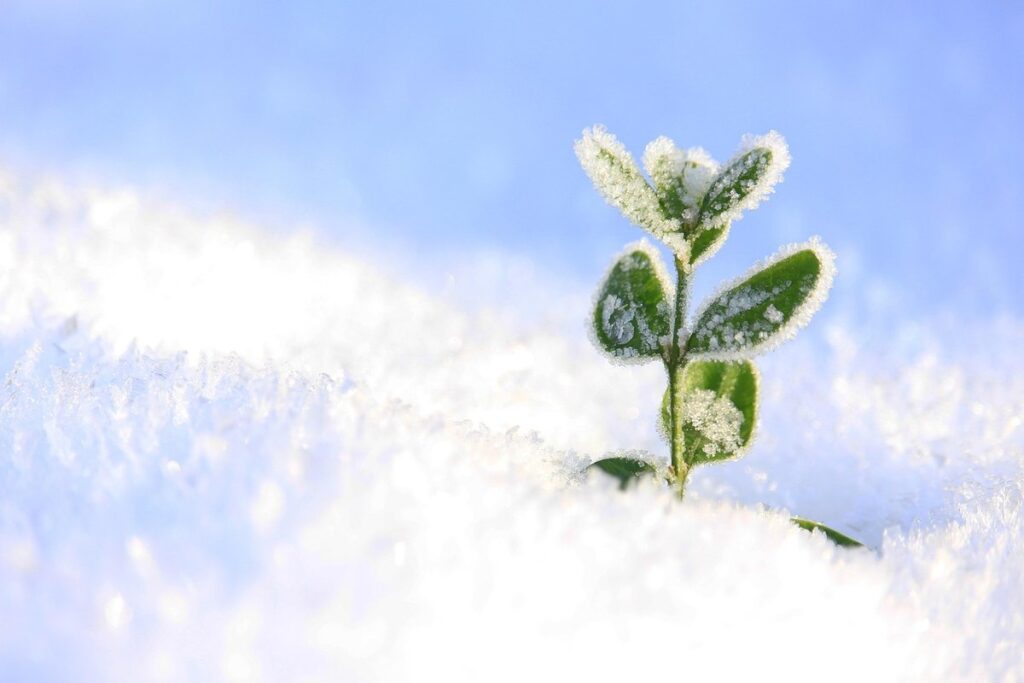
To maintain year-round appeal, it’s essential to consider seasonal variations in color, texture, and interest. Winter Gem Boxwood is a versatile evergreen that can add visual interest to your landscape even during the coldest months. For instance, its vibrant green foliage provides a striking contrast to snow-covered landscapes.
In spring, prune your Winter Gem Boxwood to maintain its shape and promote new growth. This will also encourage a fresh wave of tiny white flowers in late winter or early spring, adding an extra layer of interest. To enhance the plant’s seasonal appeal during summer, provide regular watering and fertilization to keep it looking lush and full.
As autumn arrives, consider using seasonal decorations like candles, lanterns, or fairy lights to add warmth and ambiance around your Winter Gem Boxwood plants. These can create a cozy atmosphere on crisp evenings and make the most of the plant’s evergreen foliage during the fall season. By incorporating these simple tips into your care routine, you’ll enjoy year-round visual appeal with your Winter Gem Boxwood.
Frequently Asked Questions
Can I grow Winter Gem boxwood in containers?
Yes, you can grow Winter Gem boxwood in containers as long as they are at least 1-2 feet deep to accommodate the shrub’s root system. Make sure to choose a well-draining potting mix and keep the soil moist but not waterlogged. This compact evergreen will thrive in containers with proper care, providing a beautiful addition to your patio or balcony.
How do I prevent Winter Gem boxwood from becoming too dense?
Pruning is essential to maintaining an open, airy structure for your Winter Gem boxwood. Remove any dead or damaged branches and thin out the shrub regularly to encourage new growth and prevent over-crowding. This will also help maintain its natural shape and promote healthy growth.
Can I use Winter Gem boxwood as a hedge?
Yes, you can use Winter Gem boxwood as a hedge, but be aware that it may require more frequent pruning than other varieties. With regular maintenance, this compact evergreen will form a beautiful, dense hedge that provides year-round interest to your landscape.
Will Winter Gem boxwood grow in full shade or does it need direct sunlight?
While Winter Gem boxwood can tolerate some shade, it prefers well-drained soil and partial to full sun (at least 4-6 hours of direct sunlight) for optimal growth. If you’re planting in a shaded area, consider supplementing with additional light sources or using a soil amendment to improve drainage.
Can I propagate Winter Gem boxwood through cuttings?
Yes, you can propagate Winter Gem boxwood through stem cuttings during the growing season (spring-fall). Take 4-6 inch stem sections from the tip of the branch and plant them in well-draining potting mix. Keep the soil consistently moist but not waterlogged until roots develop. With proper care, new plants will grow from these cuttings within a few months.