
As the temperatures drop and the days get shorter, our gardens can seem like they’re fading away. But what if you could bring color and vibrancy back to your outdoor space even in the depths of winter? Winter flowering shrubs are a game-changer for gardeners who want to enjoy beautiful blooms all year round. These hardy plants burst into flower at the coldest time of the year, providing a much-needed splash of color and life in an otherwise dormant landscape. In this article, we’ll explore the top winter flowering shrub varieties that you can add to your garden, plus expert tips on how to choose, care for, and combine them with other plants to create stunning displays that will thrive even in the harshest winters.
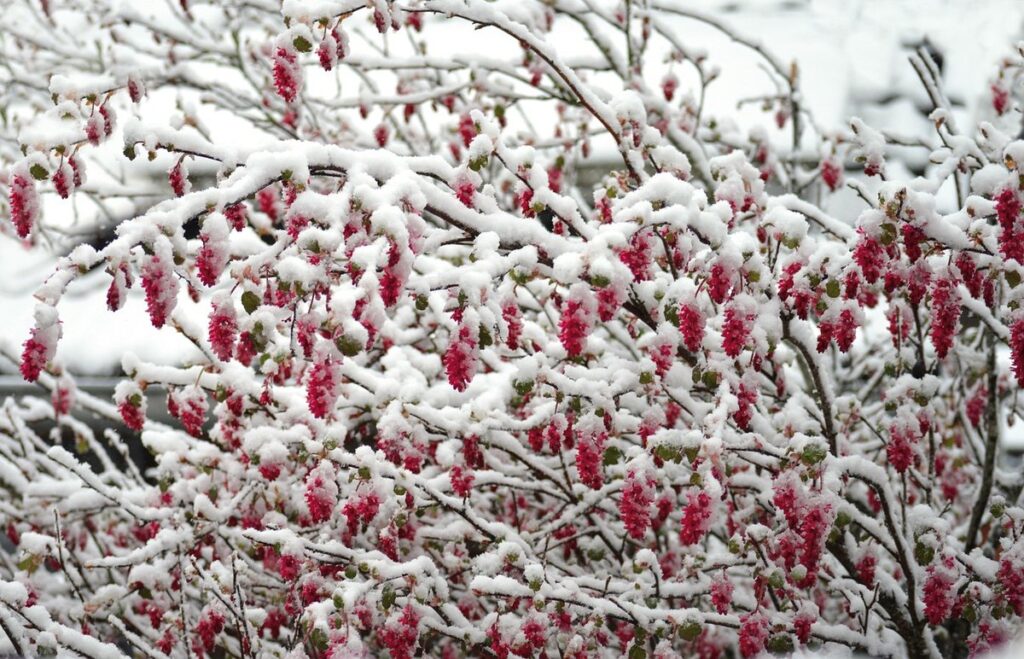
Understanding the Benefits of Winter Flowering Shrubs
Winter flowering shrubs bring life and vibrancy to your garden even on the coldest days, and understanding their benefits is key to choosing the right varieties for your outdoor space. Let’s explore these advantages together!
Importance of Year-Round Interest in Gardens
Having year-round interest in gardens is crucial to maintaining their beauty and appeal. Winter flowering shrubs can be a game-changer for gardeners who want to add vibrancy to their outdoor spaces during the typically dormant winter period. These plants offer a range of benefits, including providing color and texture when other plants are bare.
One of the most significant advantages of winter flowering shrubs is that they attract pollinators like bees and butterflies even in the cold weather. For example, Viburnum x bodnantense ‘Dawn’ produces pink flowers from November to March, drawing in these essential visitors to your garden. This not only supports biodiversity but also adds visual interest to an otherwise quiet time of year.
To incorporate winter flowering shrubs into your garden design, consider choosing varieties that bloom at different times to provide a constant display of color and life. Planting a mix of evergreen and deciduous shrubs will also ensure year-round structure and interest in your garden.
Types of Winter Flowering Shrubs: Evergreen and Deciduous
When it comes to adding winter interest to your garden, two main categories of shrubs come into play: evergreen and deciduous. Understanding the differences between these types will help you choose the best varieties for your landscape.
Evergreen shrubs are perfect for year-round interest, as they retain their leaves throughout the winter months. These shrubs include popular varieties like Camellia sasanqua, which produces showy pink or white flowers from fall to spring, and Pieris japonica, with its vibrant red stems and bell-shaped blooms in late winter. Other evergreen options include Holly (Ilex spp.) and Boxwood (Buxus sempervirens), both of which provide structure and interest during the cold months.
Deciduous shrubs, on the other hand, lose their leaves in fall but often produce stunning winter flowers. Varieties like Viburnum x burkwoodii and Cornelian cherry dogwood (Cornus mas) offer white or pink blooms from late winter to early spring. These shrubs are ideal for adding a pop of color to your garden during the coldest months, just when you need it most.
When selecting between these two types, consider your climate, available sunlight, and desired bloom time. Evergreen shrubs excel in shadier spots and can tolerate extreme cold, while deciduous varieties often require more sun and can be used as a backdrop for winter blooms.
Selecting the Right Plant for Your Climate and Needs
Choosing the right winter flowering shrub for your garden can be overwhelming, especially when considering climate and personal preferences. Let’s break down the key factors to consider in this crucial selection process.
Factors to Consider When Choosing a Winter Flowering Shrub
When selecting a winter flowering shrub, there are several key factors to consider that will ensure it thrives in your garden. Firstly, think about the climate you’re gardening in. Some shrubs, like Camellias and Mahonias, are more suited to warmer winters, while others like Witch Hazels and Winter Honeysuckles prefer cooler temperatures. Make sure to choose a variety that’s tolerant of your local frost levels.
Next, consider the soil type in your garden. Different shrubs have varying requirements when it comes to pH levels and nutrient content. For example, Viburnums and Rhododendrons prefer slightly acidic soils, while Hydrangeas and Osmanthus tolerate more alkaline conditions. Be sure to test your soil or choose a variety that’s adaptable.
Sunlight is also crucial for winter flowering shrubs. Some varieties can tolerate shade, but most require at least partial sun to produce an abundance of flowers. Consider the amount of direct sunlight your garden receives during the winter months and choose a shrub accordingly. Finally, think about space constraints in your garden. Larger shrubs like Escallonia and Philadelphus need more room to spread out, while compact varieties like Daphne and Skimmia are ideal for smaller spaces.
Suitable Shrubs for Specific Hardiness Zones
When choosing winter flowering shrubs, it’s essential to consider your local hardiness zone and extreme temperature fluctuations. Different zones have varying temperature ranges, making some plants more suitable than others.
For Zone 3-5, where temperatures often drop below -40°F (-40°C), try using shrubs like Korean Spice Viburnum (Viburnum carlesii) or Winter Honeysuckle (Lonicera fragrantissima). These plants are known for their cold hardiness and can tolerate harsh winter conditions. In contrast, Zone 6-8 has milder winters, making it an ideal location for shrubs like Camellia sasanqua or Gardenia jasminoides, which thrive in warmer temperatures.
For areas with extreme weather conditions, such as high winds or intense sun exposure, choose shrubs with sturdy stems and compact growth habits. For example, the Weigela florida ‘Red Prince’ is a great option for windy locations due to its robust branches and vibrant red flowers.
Keep in mind that even within your hardiness zone, local microclimates can significantly impact plant performance. Be sure to research specific shrub recommendations for your area and consult with local nurseries or gardening experts for personalized advice.
Popular Winter Flowering Shrub Varieties
If you’re looking for some color in your winter garden, you’ll love these popular flowering shrub varieties that bloom beautifully during the cold months. From viburnum to mahonia, we’ve got you covered!
Viburnum: A Year-Round Interest Plant
Viburnum is a standout choice for winter interest, offering a unique combination of beauty and functionality. Its evergreen foliage provides year-round structure, while its blooms add a pop of color to the garden during the colder months.
One of the most significant benefits of viburnum is its versatility in design. It can be used as a hedge to provide a natural barrier, or as a specimen plant to make a statement. When planted in mixed borders, it can add texture and interest alongside other winter flowering shrubs. Consider using ‘Korean Spice’ for its vibrant red berries or ‘Burkwood’ for its stunning pink blooms.
When growing viburnum, keep in mind that it prefers well-draining soil and partial shade to full sun. Regular watering is essential, especially during hot summer months, but be cautious not to overwater as this can lead to root rot. Prune your viburnum regularly to maintain shape and encourage new growth. By incorporating viburnum into your winter garden, you’ll enjoy a low-maintenance yet high-impact addition that brings beauty and interest to your outdoor space throughout the year.
Its compact growth habit makes it an ideal choice for smaller gardens or containers.
Camellia and Rhododendron: Winter Bloomers with Style
When it comes to winter flowering shrubs, few options match the stunning beauty of camellia and rhododendron. These two show-stopping varieties are a must-have for any garden looking to add some style and vibrancy during the colder months.
Camellias, with their glossy evergreen leaves, produce an abundance of showy flowers in shades of pink, red, and white from fall through spring. Their unique blooms, often compared to roses, have a delicate appearance that belies their robust health. With over 250 species to choose from, you’re sure to find a camellia variety that suits your garden’s needs.
Rhododendrons, on the other hand, are known for their bold, trumpet-shaped flowers in shades of pink, purple, and white. These flowering shrubs thrive in acidic soils and can grow quite large, making them an excellent choice for woodland gardens or areas with partial shade. Both camellias and rhododendrons require regular watering and fertilization to maintain their vibrant blooms throughout the winter months.
When selecting either of these varieties, be sure to choose a spot that provides partial shade and well-draining soil. With proper care, these stunning shrubs will provide years of beauty and vibrancy in your garden.
Care and Maintenance Tips for Winter Flowering Shrubs
To keep your winter flowering shrubs looking their best, it’s essential to follow some simple care and maintenance tips during the colder months. Here are a few crucial steps to take.
Pruning Techniques to Encourage Blooms
Pruning winter flowering shrubs can be a delicate matter, as it’s essential to strike the right balance between maintaining their shape and encouraging new blooms. The timing of pruning is crucial: typically, it’s best to prune immediately after flowering, around late spring or early summer. This allows the shrub to direct its energy towards producing next year’s flowers.
When pruning, focus on removing no more than one-third of the plant’s branches to avoid stressing the shrub. Cut back overgrown stems and trim out any dead or damaged wood. Make clean cuts just above a bud or a lateral branch, as this will help promote healthy growth. You can also use thinning shears to remove select branches, allowing for more sunlight penetration and air circulation around the plant.
Pruning techniques that encourage new growth include tip pruning, where you trim off the top of the stem, and layering, where you cut a stem and allow it to root before cutting it away from the parent plant. These methods will stimulate the shrub to produce more shoots and promote a fuller appearance.
Mulching, Fertilizing, and Other Essential Care Tasks
To ensure your winter flowering shrubs continue to thrive throughout the growing season, regular care and maintenance tasks are crucial. Mulching is an essential task that helps retain moisture, suppress weeds, and regulate soil temperature. Apply a 2-3 inch layer of organic mulch such as wood chips or bark around the base of your shrub. This will not only keep the roots cool but also protect them from extreme temperatures.
Fertilizing is another critical aspect of winter flowering shrubs care. Feed your plants with a balanced, slow-release fertilizer in early spring and again after blooming has finished. Be cautious not to over-fertilize, as this can lead to excessive growth at the expense of flower production. Watering should be done regularly, but avoid overwatering, which can cause root rot.
In addition to these tasks, prune your winter flowering shrubs in late spring or early summer to maintain shape and encourage new growth. Pruning also promotes healthy air circulation around the plant, reducing the risk of disease.
Winter Flowering Shrub Combinations and Ideas
To add some much-needed color to your winter garden, let’s explore some beautiful combinations of flowering shrubs that thrive during the colder months. These pairings are sure to bring joy and vibrancy to your outdoor space.
Mixing and Matching Shrubs for Year-Round Interest
Combining different winter flowering shrubs can add depth and interest to your garden bed or border. When selecting varieties, consider a color palette that complements each other. For instance, pairing red-twigged dogwood (Cornus alba ‘Sibirica’) with snow-covered yew (Taxus baccata) creates a striking contrast of warm and cool tones.
Texture is also an essential aspect to consider when mixing shrubs. Combine low-growing varieties like winter heath (Erica carnea) with taller ones like red-osier dogwood (Cornus sericea). This variety in texture adds visual interest to your garden, even during the dormant season.
Foliage interest is another crucial factor to think about. Include shrubs with varying foliage characteristics, such as different shapes and sizes. For example, pair the compact winter honeysuckle (Lonicera fragrantissima) with the deciduous winter flowering cherry (Prunus subhirtella).
By balancing these elements, you can create a visually appealing combination of winter flowering shrubs that provide year-round interest in your garden.
Using Shrubs to Create Focal Points and Hedges
When incorporating winter flowering shrubs into your garden design, consider using them to create visually appealing focal points or hedges that add structure and interest. Focal points can be achieved by placing a statement shrub in a prominent location, such as near an entranceway or in a bed where it will be visible from multiple angles.
For example, the vibrant blooms of Viburnum x burkwoodii or Rhododendron ‘PJM’ can draw the eye and create a stunning focal point. To maximize their impact, pair these shrubs with complementary plants that provide contrasting textures and colors.
A hedge can be formed by planting multiple winter flowering shrubs in a row, creating a beautiful screen or border for your garden. For instance, Prunus x fragrans or Mahonia aquifolium can be used to create a dense, evergreen hedge that provides year-round interest.
When selecting shrubs for hedges, consider factors such as growth rate, mature size, and maintenance requirements to ensure they will thrive in their intended location.
Troubleshooting Common Issues with Winter Flowering Shrubs
We’ve all been there – a beautiful winter flowering shrub that just isn’t thriving. Let’s tackle some common problems and find solutions to get your plants back on track!
Dealing with Pests, Diseases, and Other Problems
As a winter flowering shrub owner, you may encounter common issues such as pests, diseases, and nutrient deficiencies. Identifying these problems early on is crucial to prevent them from spreading and causing irreparable damage.
Pests like aphids, whiteflies, and spider mites can infest your winter flowering shrubs, feeding on sap and causing curled or distorted leaves. To manage pest issues, inspect your plants regularly for signs of infestation and treat promptly with insecticidal soap or neem oil. For example, if you notice a large number of aphids on your Viburnum, use a combination of insecticidal soap and hosing down the plant to dislodge the pests.
Diseases like root rot, leaf spot, and powdery mildew can also affect winter flowering shrubs. Fungal diseases often occur when plants are waterlogged or exposed to high humidity. To prevent fungal diseases, ensure good air circulation around your plants and avoid overwatering. If you notice yellowing leaves or black spots on your Camellia, investigate the underlying cause and adjust your care routine accordingly.
Nutrient deficiencies can also manifest as pale leaves, stunted growth, or poor flowering. Regular soil testing can help identify nutrient imbalances, which can be corrected with fertilizers or mulch. For instance, if a winter flowering shrub is showing signs of iron deficiency, apply an iron-rich fertilizer to the soil according to the manufacturer’s instructions.
By monitoring your plants regularly and taking prompt action when issues arise, you can enjoy healthy and thriving winter flowering shrubs that continue to provide beauty and interest in your garden throughout the cold months.
Encouraging Bloom Continuity and Plant Health
To maintain a continuous bloom cycle and ensure overall plant health throughout the growing season, it’s essential to provide your winter flowering shrubs with the right conditions. First, make sure your plants receive sufficient sunlight – most varieties need at least 4-6 hours of direct sunlight per day.
Watering is also crucial; overwatering can lead to root rot and poor bloom performance. Check the soil moisture regularly, and water only when the top inch of soil feels dry. Fertilize lightly in early spring with a balanced fertilizer, avoiding excessive nitrogen that promotes leaf growth at the expense of blooms.
Deadheading spent flowers encourages new blooms, but be gentle not to damage fragile buds or stems. Mulching around the base helps retain moisture, suppress weeds, and regulate soil temperature. Finally, prune your winter flowering shrubs in late spring to maintain their shape and promote healthy growth for future blooming seasons.
This combination of proper care, fertilization, deadheading, mulching, and pruning will help ensure a continuous bloom cycle and overall plant health throughout the growing season.
Frequently Asked Questions
How Can I Choose the Right Winter Flowering Shrub for My Garden’s Specific Climate?
When selecting a winter flowering shrub, consider your garden’s hardiness zone, soil type, and amount of sunlight it receives. Check the plant label or research online to ensure the chosen variety can thrive in your specific climate conditions. You can also consult with local nurseries or gardening experts for personalized advice.
How Do I Care for Winter Flowering Shrubs During Their Dormant Period?
While winter flowering shrubs are generally low-maintenance, they still require some care during their dormant period. Water them sparingly to prevent root rot, and apply a layer of mulch to protect the soil from freezing temperatures. Avoid pruning or fertilizing during this time, as it can stress the plant.
Can I Combine Winter Flowering Shrubs with Other Plants for Year-Round Interest?
Yes! Mixing winter flowering shrubs with other plants like evergreen trees, grasses, and perennials can create stunning displays that provide year-round interest. Consider combining shrubs with contrasting textures, colors, and growth habits to add depth and visual appeal to your garden.
How Do I Prevent Pests and Diseases from Affecting My Winter Flowering Shrubs?
To prevent pests and diseases, regularly inspect your plants for signs of infestation or infection. Use organic pest control methods like neem oil or insecticidal soap when necessary. Fungal infections can be treated with fungicides, but always follow the product’s instructions and take preventative measures to maintain a healthy plant environment.
Can I Prune Winter Flowering Shrubs in the Spring for Better Blooms?
No! Pruning winter flowering shrubs during their dormant period or too early in the spring can reduce flower production. Instead, prune them immediately after they finish blooming in late winter or early spring. This will help control size, promote new growth, and encourage more blooms for next year’s display.