
Are you tired of finding little green shoots poking out of your stored potatoes? You’re not alone. Many gardeners and home cooks face this problem, wondering why their perfectly good spuds are suddenly sprouting on them. It’s frustrating, but understanding why potatoes sprout is the first step to preventing it. In fact, when done correctly, storing seed potatoes can be a great way to start new plants for your garden.
But did you know that sprouting is not just a matter of chance? Several internal and external factors come into play, including hormonal changes, light exposure, temperature fluctuations, moisture levels, and even human activities. To tackle the issue effectively, it’s essential to grasp these underlying causes. In this article, we’ll delve into the reasons behind potato sprouting and provide tips on preparing seed potatoes for optimal storage.
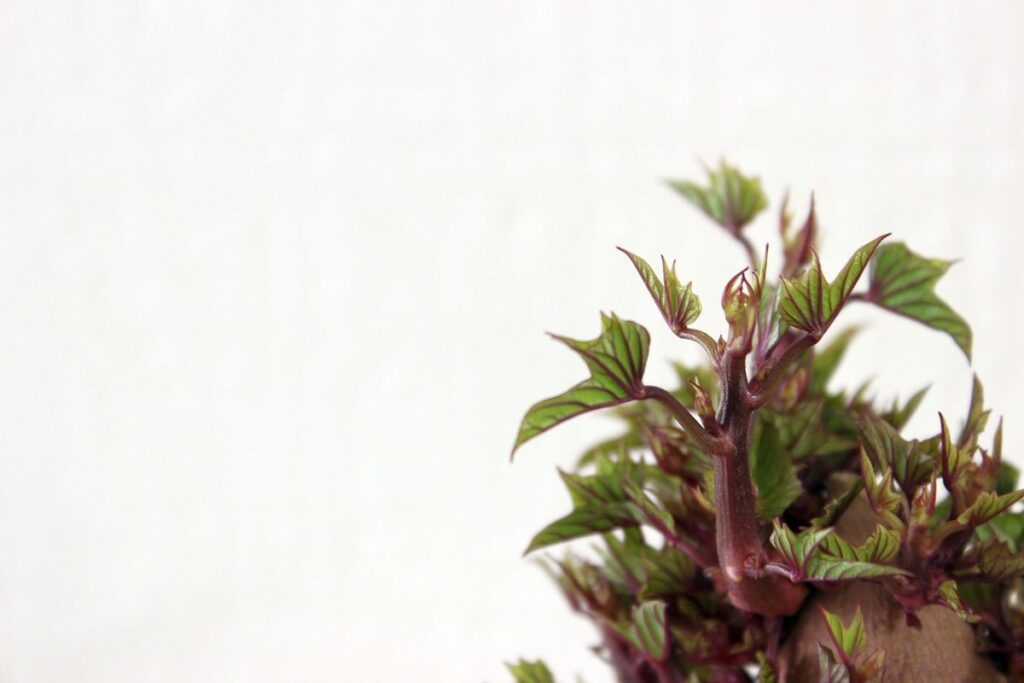
The Science Behind Potato Sprouting
When you see a potato sprout, it can be alarming, but have you ever wondered what triggers this process? Let’s dive into the fascinating science behind potato sprouting.
What Causes Potatoes to Sprout?
Potato sprouting is a natural process triggered by internal factors that ultimately lead to the growth of new potato tubers. At its core, sprouting is a physiological response that involves cell division and hormonal changes within the potato itself. When potatoes are exposed to conditions that stimulate growth, such as light, temperature fluctuations, or moisture, they begin to break dormancy and initiate cell division.
This process is triggered by an increase in plant hormones like auxins and gibberellins, which promote cell elongation and division. As cells divide, the potato begins to produce new tissues, including the formation of meristems – the regions from which roots and shoots develop. In ideal conditions, this can lead to the emergence of new sprouts.
However, it’s worth noting that not all potatoes will sprout equally well, as factors like variety, storage conditions, and maturity play a significant role in determining their ability to produce new growth.
Factors that Influence Potato Sprouting
Potato sprouting is influenced by external factors that can be controlled to some extent. Light exposure plays a significant role in this process, with potatoes typically taking 8-12 hours of direct sunlight to break dormancy and sprout. When stored in dark conditions, the sprouting process slows down significantly.
Temperature fluctuations also contribute to potato sprouting. Potatoes exposed to temperatures above 50°F (10°C) tend to sprout faster than those kept at a consistent cool temperature below 40°F (4°C). Conversely, exposure to freezing temperatures can temporarily halt the sprouting process but may not entirely prevent it.
Moisture levels in storage conditions also affect potato sprouting. High humidity and moisture encourage sprouting, while low humidity slows down or prevents the process altogether. Proper ventilation and controlled humidity are essential when storing potatoes to minimize unwanted sprouting.
To extend shelf life and reduce sprouting, store potatoes in a cool, dark place with low humidity. Monitor temperature fluctuations, and avoid direct sunlight exposure whenever possible.
Understanding the Role of Hormones
Hormones play a crucial role in plant growth and development, including the process that leads to potato sprouting. Let’s explore how these tiny chemical messengers affect our spuds.
Ethylene Production and Sensitivity
Ethylene-producing bacteria on the potato’s surface induce hormonal responses leading to sprouting. This process is facilitated by a complex interplay between the bacteria, the potato tissue, and the production of ethylene gas.
When ethylene-producing bacteria, such as Erwinia carotovora or Agrobacterium radiobacter, colonize the potato’s surface, they release ethylene gas as a metabolic byproduct. This gas diffuses into the surrounding tissues, triggering a cascade of hormonal responses that ultimately lead to sprouting. Ethylene binds to receptors on the surface of plant cells, initiating a signaling pathway that activates cell division and growth.
The production of ethylene is often triggered by physical damage to the potato, such as cuts or bruises, which create an entry point for these bacteria. As ethylene levels increase, the potato’s natural dormancy is broken, and it begins to prepare for seedling formation. The entire process can be accelerated by environmental factors, such as high temperatures, light exposure, or water stress.
To minimize sprouting, store potatoes in a cool, dark place with good ventilation, and handle them gently to prevent physical damage. Regularly inspect stored potatoes for signs of spoilage or damage, and remove any affected tubers to prevent the spread of ethylene-producing bacteria.
ABA’s Role in Potato Dormancy
Abscisic acid (ABA) plays a crucial role in maintaining potato dormancy. This hormone helps prevent cell division and growth during periods of cold temperatures, ensuring the tuber remains dormant until optimal conditions for sprouting return. ABA promotes the production of proteins that suppress cell expansion, keeping the tuber in a state of suspended animation.
However, as potatoes age or are exposed to warmer temperatures, ABA levels decline, allowing dormancy to break and cell activation to begin. This degradation of ABA can be triggered by light exposure, temperature fluctuations, or ethylene production. As ABA’s influence wanes, cells within the tuber start to divide and grow, initiating sprouting.
To delay or prevent premature sprouting, maintaining optimal storage conditions is essential. Store potatoes in a cool, dark place with consistent temperatures between 38°F and 45°F (3°C and 7°C). Avoid exposing them to light or extreme temperature fluctuations. By controlling ABA levels through proper storage, you can help extend the shelf life of your potatoes and reduce the likelihood of unwanted sprouting.
Environmental Factors Contributing to Sprouting
Now that we’ve explored some of the internal factors that can cause potatoes to sprout, let’s take a look at how environmental conditions contribute to this process.
Light-Induced Sprouting
Exposure to light is a key environmental factor that can trigger potato sprouting. When seed potatoes are exposed to light, it breaks their dormancy and triggers a series of hormonal responses that ultimately lead to sprouting. This process is called photoperiodism.
As the days get longer and sunlight becomes more intense, it signals the potato tubers to break their dormancy and begin growing. The increased light exposure stimulates an increase in auxins, a group of plant hormones that promote cell elongation and differentiation. These hormonal changes trigger the growth of buds on the stem ends, which eventually develop into sprouts.
Interestingly, potatoes can respond to even low levels of light, making them susceptible to sprouting in areas with high daylight hours or even indoor lighting. To prevent sprouting, it’s essential to store seed potatoes in a dark place, such as a paper bag or cardboard box, at temperatures between 40°F and 50°F (4°C and 10°C). By controlling light exposure, you can minimize the risk of sprouting and keep your potatoes fresh for longer.
Temperature Effects on Potato Storage
Proper storage temperature plays a crucial role in preventing potato sprouting. The optimal range for storing potatoes is between 40°F (4°C) and 50°F (10°C). This narrow window is critical, as temperatures above or below this range can trigger the onset of sprouting.
Climate significantly influences the ideal storage temperature. In warmer climates, such as those near the equator, the optimal range shifts to around 55°F (13°C) due to higher ambient temperatures. Conversely, in colder climates, a slightly lower range of 38°F (3°C) is often recommended.
Failing to maintain this precise temperature range can lead to increased starch conversion into sugars, accelerating sprouting. For instance, storing potatoes at room temperature (around 70°F or 21°C) for an extended period can cause them to rapidly sprout. To prevent sprouting, it’s essential to store potatoes in a cool, dark place with consistent temperatures within the optimal range.
The Impact of Moisture on Potato Sprouting
Moisture is a key player when it comes to potato sprouting, and understanding its impact can help you prevent unwanted growth in your stored potatoes. Let’s explore how moisture affects sprouting.
Role of Water in Seed Potato Germination
Water plays a crucial role in seed potato germination, and its level can make all the difference in breaking dormancy. When potatoes are exposed to sufficient moisture, it triggers a series of physiological changes that ultimately lead to sprouting. The ideal moisture level for seed potato germination is between 70% and 80%. If the environment is too dry or too wet, the process will be hindered.
When seeds are exposed to adequate moisture, water enters the seed through small pores on its surface. This triggers an increase in cell division and expansion, breaking dormancy and allowing the seed to sprout. On the other hand, when soil is either too dry or waterlogged, it can prevent dormancy release altogether. For instance, if you leave seed potatoes in a damp environment for too long, they may start to rot before germinating.
To achieve optimal moisture levels, ensure that your seed potatoes are kept in a well-ventilated area with consistent temperatures between 40°F and 60°F (4°C and 15°C).
Factors Influencing Optimal Storage Conditions
Maintaining optimal storage conditions is crucial to minimize potato sprouting and preserve their quality. The ideal humidity level for storing potatoes is between 80% and 90%. If the humidity is too high (above 95%), it can lead to mold growth, while low humidity (below 70%) can cause moisture loss and shriveling.
Air circulation also plays a vital role in potato storage. Poor air circulation can result in uneven drying, leading to sprouting or rotting. Aim for a minimum of 1-2 inches of space between each layer of potatoes, allowing for unobstructed airflow. You can also use fan-assisted ventilation systems specifically designed for potato storage.
In practice, you can achieve optimal conditions by storing potatoes in a cool (around 40°F to 50°F), dark place with good air circulation. Avoid storing them near heat sources or in humid environments. Regular monitoring and maintenance are essential to ensure that the storage conditions remain optimal throughout the storage period.
Human Activities Contributing to Potato Sprouting
Let’s talk about how our daily habits can inadvertently cause potatoes to sprout. From improper storage to handling techniques, it all affects the potato’s fate.
Harvest Timing and Handling Practices
Proper harvest timing and handling practices are crucial to prevent seed potatoes from sprouting. Improper harvesting can cause damage to the tubers, leading to an increase in ethylene production, a natural gas that promotes sprouting. For example, if potatoes are dug too soon or too late in the season, they may be exposed to stress, causing them to produce more ethylene.
Similarly, washing potatoes after harvest can also induce sprouting. This is because water can stimulate the tubers to produce more ethylene, leading to an increase in growth. In fact, studies have shown that washing potatoes at temperatures above 40°F (4°C) can trigger sprouting within a few days.
To prevent this from happening, it’s essential to handle seed potatoes with care. This includes avoiding exposure to ethylene-producing products like fruit and vegetables, which should be kept away from storage areas. Additionally, seed potatoes should be stored in a cool, dark place with good ventilation to minimize moisture accumulation and reduce the risk of sprouting. By following proper harvesting and handling practices, you can help prevent unwanted sprouting and keep your seed potatoes healthy for planting.
Economic Implications of Sprouted Potatoes
The economic implications of potato sprouts can be significant, affecting food quality, waste management costs, and market value for farmers. When potatoes sprout, they become unpalatable to consumers due to their bitter taste and toxic compounds like solanine. This results in a substantial loss for farmers as unsold stock is either discarded or relegated to animal feed.
According to the Food and Agriculture Organization (FAO), approximately 20-30% of global potato production is lost due to sprouting. In the United States alone, it’s estimated that potatoes worth over $1 billion are wasted annually because of this issue. The financial burden on farmers can be substantial, forcing them to absorb these losses or pass them on to consumers.
To minimize waste and losses, farmers must implement effective storage and handling techniques. This includes storing potatoes in cool, dark places with consistent humidity levels. Farmers should also regularly inspect their stock for signs of sprouting, removing affected tubers before they spread to other areas. By adopting these strategies, farmers can reduce the economic impact of potato sprouts on their businesses.
Preparing Seed Potatoes for Sprout Prevention
Now that we’ve covered why potatoes sprout, let’s focus on preparing seed potatoes to prevent unwanted sprouts from developing in the first place. We’ll walk through a few simple steps to get you started.
Selection and Handling Best Practices
When selecting seed potatoes for sprout prevention, it’s essential to choose varieties that are specifically bred for disease resistance and minimal sprouting. Look for potatoes with a low percentage of eyes, as these will be less prone to sprouting. Optimal storage conditions are also crucial in preventing sprouting. Store seed potatoes in a dark, cool (around 40°F), and humid place with good ventilation. Avoid storing them near heat sources or direct sunlight.
When handling seed potatoes, it’s vital to minimize damage or stress, which can cause them to sprout more quickly. Handle the potatoes gently, and avoid washing them until you’re ready to plant them. If they must be washed before storage, dry them thoroughly with a clean towel to prevent moisture accumulation. Keep in mind that seed potatoes should never be stored in plastic bags or containers, as this can trap moisture and promote sprouting. By following these selection and handling best practices, you’ll significantly reduce the likelihood of your seed potatoes sprouting prematurely.
Chemical Control of Potato Sprouting
Preventing sprouting before it even starts is key to maintaining the quality and shelf life of seed potatoes. One effective approach involves using chemical treatments that inhibit ethylene production or promote dormancy maintenance.
Ethephon, for instance, works by converting into ethylene once applied, which in turn reduces the plant’s ability to produce more ethylene. This results in a suppressed sprouting process. CIPC (chlorpropham), on the other hand, interferes with the germination process itself and has been used widely in commercial settings.
To apply these chemicals effectively, ensure that the seed potatoes are stored at temperatures around 40°F (4°C) to slow down chemical breakdown. Always follow recommended application rates as excessive use can harm the tubers. CIPC is usually applied before storage, while ethephon might be more beneficial when used in combination with other control methods.
Keep in mind that these treatments don’t address the root cause of sprouting – but they do provide a practical solution to prevent unwanted growth.
Frequently Asked Questions
Can I still use sprouted potatoes for cooking, or are they completely ruined?
Yes, while sprouted potatoes may not be ideal for seed starting, you can still use them for cooking. However, be aware that the sprouting process can affect their texture and flavor. If you’re looking to reduce waste, consider using sprouted potatoes in recipes where their texture won’t make a significant difference.
What’s the best way to store my harvested potatoes to prevent further sprouting?
Store your harvested potatoes in a cool, dark place with good ventilation. The ideal storage temperature is between 40°F and 50°F (4°C and 10°C). Keep them away from direct sunlight, moisture, and heat sources to slow down the sprouting process.
How long does it take for seed potatoes to germinate?
The germination time for seed potatoes can vary depending on factors like storage conditions, handling practices, and the specific potato variety. Generally, it takes 1-2 weeks for seed potatoes to sprout under optimal conditions. Be patient and allow the seeds to develop before transferring them to a growing environment.
Can I use chemical treatments to control potato sprouting, or are there safer alternatives?
While chemical treatments can help control potato sprouting, they may not be the best solution. For safer alternatives, consider using proper storage techniques, selecting disease-resistant varieties, and implementing integrated pest management (IPM) strategies. These methods can help minimize the need for chemicals.
How do I know if my potatoes are still good to plant after being stored for a long time?
Inspect your stored potatoes regularly for signs of decay or sprouting. Check their texture, color, and weight. If they’re soft, moldy, or have visible green shoots, it’s likely best to discard them. Healthy seed potatoes should be firm, clean, and free from any signs of spoilage.