
Are you looking for ways to add some elegance and sophistication to your garden? White flowering shrubs are just the thing! Not only do they bring a touch of serenity and calmness to any outdoor space, but they’re also incredibly versatile. From the psychological benefits of surrounding yourself with white blooms to the ease of care and maintenance, these beautiful plants have it all.
In this article, we’ll delve into the world of white flowering shrubs, exploring their unique charms and how you can incorporate them into your garden design for year-round beauty. We’ll cover topics from the best varieties to choose for your climate to expert tips on pruning and care. Whether you’re a seasoned gardener or just starting out, you won’t want to miss this comprehensive guide to making the most of these stunning shrubs in your outdoor space.
Understanding the Appeal of White Flowering Shrubs
One thing that draws many gardeners to white flowering shrubs is their elegant simplicity, and another is their ability to add a touch of classic beauty to any landscape.
What Makes White Flowers So Appealing?
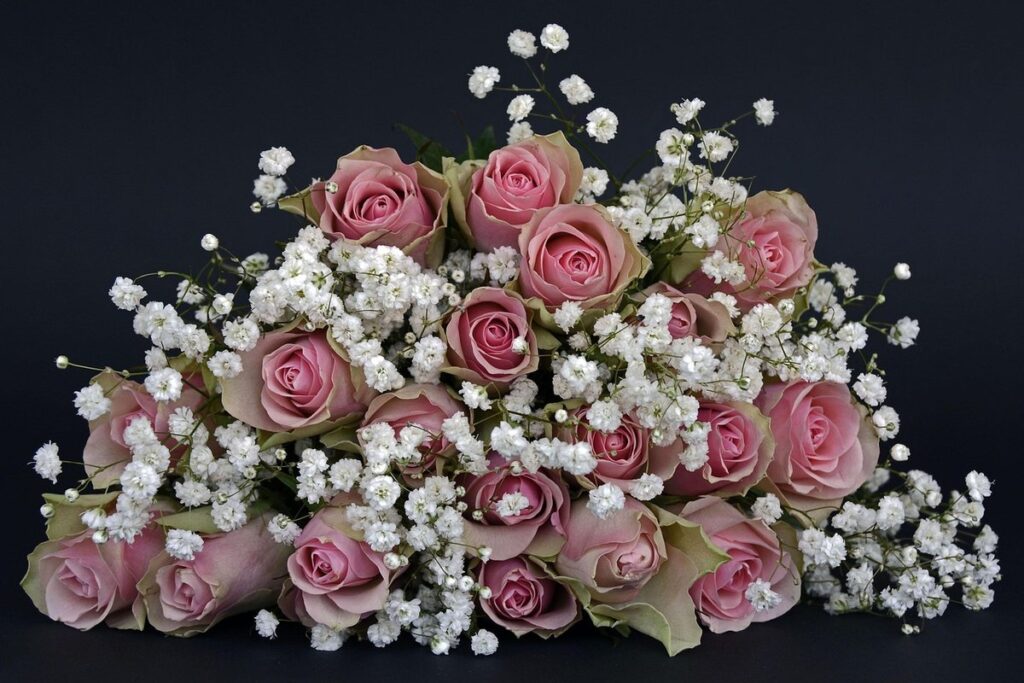
When it comes to white flowering shrubs, one of the primary reasons they’re so appealing is due to the psychological impact they have on us. For centuries, white flowers have been associated with purity, innocence, and elegance – qualities that evoke feelings of serenity and peace. This is because, in many cultures, white is seen as a symbol of new beginnings, hope, and reverence.
In fact, research has shown that our brains are wired to respond positively to certain colors, including white. When we see white flowers, it can stimulate the release of oxytocin – often referred to as the “love hormone” – which promotes feelings of relaxation and contentment. This is why, in many wedding bouquets and arrangements, white flowers are a popular choice.
So, if you’re looking to add some elegance and serenity to your garden or indoor space, consider incorporating white flowering shrubs into your landscape design. Not only will they bring a touch of sophistication, but they’ll also have a profound impact on the atmosphere of your surroundings. Whether it’s a tranquil oasis in your backyard or a bright spot on your office windowsill, white flowers are sure to captivate and inspire.
Benefits of Shrubbery in Gardening
When it comes to adding beauty and functionality to your garden, shrubbery with white flowers is an excellent choice. One of the primary benefits of incorporating these shrubs into your landscape is that they provide year-round interest. Even when other plants are dormant or less vibrant during certain seasons, white flowering shrubs continue to thrive, offering a pop of color and texture throughout the year.
In addition to aesthetic appeal, shrubbery with white flowers also attracts pollinators such as bees, butterflies, and hummingbirds. These beneficial insects play a crucial role in maintaining a healthy ecosystem by transferring pollen between plants, allowing them to reproduce. By incorporating white flowering shrubs into your garden, you’re creating a welcoming environment for these essential visitors.
To create a sense of depth in your garden, use a combination of shrubbery with varying heights and textures. For example, pair tall shrubs like Hydrangea or Viburnum with smaller varieties like Dwarf Lilac or Snowberry. This layered approach will add visual interest and create a sense of dimensionality in your garden, making it more engaging and beautiful to behold.
Common Types of White Flowering Shrubs
White flowering shrubs come in a wide range of varieties, each with its unique charm and appeal. When it comes to ornamental plants that produce stunning white blooms, lilac is one of the most popular options. These fragrant flowers are not only beautiful but also emit a lovely scent that attracts pollinators to your garden.
Rhododendrons are another type of shrub that produces gorgeous white flowers in the spring. With over 1,000 species to choose from, you can find a rhododendron that suits your garden’s climate and style. These plants thrive in acidic soils and require consistent moisture to maintain their vibrant blooms.
Gardenias are known for their elegant white flowers, which are often used in wedding arrangements and other floral decorations. However, they can also make stunning additions to your garden when planted as shrubs. Be sure to provide them with partial shade and well-draining soil to keep them happy and healthy.
In addition to these options, there are many other types of white flowering shrubs worth considering, such as azaleas, camellias, and hydrangeas. Each has its unique characteristics and growing requirements, so be sure to research before making a decision.
Design Considerations for Shrubbery with White Flowers
When selecting shrubs with white flowers, it’s essential to consider the design implications of their bloom time, size, and growth habits to create a cohesive garden look. Let’s explore these considerations together.
Choosing the Right Location
When selecting a spot for shrubbery with white flowers, it’s essential to consider three key factors: sunlight requirements, soil type, and potential space constraints. Let’s break down each of these considerations.
Sunlight is crucial for most flowering shrubs, as they require sufficient light to produce blooms. If your chosen shrub requires full sun (six hours or more of direct sunlight), ensure you have a spot that receives plenty of sunlight throughout the day. For example, if you’re planting a flowering lilac or rose bush, choose a location that gets at least six hours of direct sunlight.
Soil type is another critical consideration. Check your soil’s pH level and drainage to determine if it’s suitable for your chosen shrubbery. Some white-flowering shrubs, such as hydrangeas, prefer slightly acidic soil with good drainage, while others like azaleas thrive in well-draining acidic soil.
Finally, consider the space constraints of your yard. If you have a small garden or patio, opt for compact or dwarf varieties that won’t outgrow their space quickly. Conversely, if you have ample room to spare, choose larger shrubs that will provide a dramatic display of white flowers.
Planting Techniques for Success
When planting shrubs with white flowers, it’s essential to follow proper techniques to ensure healthy growth and maximize their beauty. First, dig a hole that’s twice as wide and just as deep as the root ball of the shrub. Gently remove the plant from its container and place it in the hole, making sure the crown (where the stem meets the roots) is level with the surrounding soil.
Water thoroughly after planting to settle the soil, and then maintain a regular watering schedule, especially during the first year after planting. A general rule of thumb is to water shrubs once or twice a week, depending on weather conditions. Mulching around the base of the plant can also help retain moisture and suppress weeds.
When mulching, keep it a few inches away from the stem to prevent rot and disease. Organic materials like wood chips or bark work well for this purpose. By following these planting techniques, you’ll be well on your way to creating a stunning display of white-flowering shrubs that thrive in their new environment.
Pairing Shrubbery with Other Plants
When it comes to pairing white flowering shrubs with other plants, the possibilities are endless. To create visually appealing combinations and maximize bloom times, consider the following suggestions.
For a harmonious look, choose plants that complement the shape, texture, and growth habit of the shrub. For example, pair a compact white-flowering azalea with tall, feathery grasses or delicate ferns to create a sense of height and movement. On the other hand, combine a full-bodied white-flowering hydrangea with low-growing, spreading groundcovers like creeping thyme or sweet woodruff for a lush, layered look.
Don’t be afraid to mix and match different bloom times to extend the flowering season. For instance, pair a spring-blooming white lilac with summer-blooming perennials like black-eyed Susans or bee balm to enjoy a continuous display of color from May to September. Alternatively, combine a fall-blooming shrub like an oakleaf hydrangea with early-spring bloomers like crocuses or daffodils for a dynamic, seasonal display.
Care and Maintenance of White Flowering Shrubs
To keep your white flowering shrubs looking their best, it’s essential to follow some simple care and maintenance tips. This includes regular pruning, fertilizing, and watering schedules.
Watering Requirements
When it comes to watering white flowering shrubs, understanding their specific needs is crucial for optimal growth and blooming. The frequency of watering depends on the type of shrub, climate, soil conditions, and time of year.
For example, Camellia sasanqua prefers moist but well-draining soil, requiring regular watering during hot summer months when it’s not receiving adequate rainfall. In contrast, Gardenias prefer slightly acidic soil and should be watered less frequently to prevent root rot. During spring and fall, when temperatures are milder, watering can be reduced to once a week.
Some white flowering shrubs, like Hydrangeas, require more frequent watering, especially during the first year after planting. A general rule of thumb is to check the soil moisture by inserting your finger into the soil up to the knuckle. If the soil feels dry, it’s time to water. It’s also essential to avoid overwatering, which can lead to root problems and disease.
Keep in mind that the watering needs may vary depending on factors like rainfall, humidity, and temperature fluctuations. Be sure to monitor your shrub’s specific needs and adjust your watering schedule accordingly.
Fertilization Strategies
When it comes to fertilization strategies for white flowering shrubs, understanding their nutritional requirements is crucial. Different species have unique needs, and using a one-size-fits-all approach can lead to nutrient deficiencies.
For example, hydrangeas require more phosphorus to promote blooming, while azaleas need higher levels of acidic fertilizer to thrive. Rhododendrons, on the other hand, benefit from regular fertilization in the early growing season.
A well-balanced fertilizer with a mix of nitrogen, phosphorus, and potassium (N-P-K) is essential for most white flowering shrubs. However, it’s also important to consider the specific needs of your plants based on factors like soil type, climate, and light conditions.
To develop an effective fertilization plan:
* Test your soil pH levels annually and adjust fertilizer accordingly.
* Use a slow-release fertilizer that provides nutrients over several months.
* Fertilize during the growing season (spring-fall) for optimal results.
* Consider adding organic matter like compost or manure to improve soil fertility.
By tailoring your fertilization strategy to the specific needs of your white flowering shrubs, you’ll be rewarded with vibrant blooms and a healthy, thriving garden.
Pruning Techniques for Shape and Size Control
When it comes to maintaining the beauty and health of your white flowering shrubs, pruning is an essential technique to master. By regularly pruning your shrubs, you can control their size, shape, and promote healthy growth.
To maintain a desired shape, start by assessing the natural growth habit of your shrub. Some white flowering shrubs, like Hydrangea or Lilac, have a more rounded or conical shape that requires less maintenance. Others, such as Gardenia or Camellia, may require regular pruning to keep them in bounds.
To control size, prune your shrubs during their dormant season (winter or early spring) by removing about one-third of the oldest branches at ground level. This will not only reduce the overall height but also encourage new growth from the center of the plant. Regular tip-pruning throughout the growing season can also help keep your shrub bushy and full.
When promoting healthy growth, focus on pruning weak or diseased branches first, then cut back any overgrown or crossing stems to allow for proper air circulation and sunlight penetration. By adopting these pruning techniques, you’ll be able to maintain the shape, size, and health of your white flowering shrubs with ease.
Common Challenges and Solutions for Shrubbery with White Flowers
When growing shrubs with white flowers, you may encounter some common issues that can be frustrating to deal with. Let’s tackle these challenges together and find some effective solutions.
Identifying Pests and Diseases
When it comes to maintaining shrubbery with white flowers, one of the most significant challenges is identifying and managing pests and diseases that can harm these beautiful plants. White flowering shrubs are particularly susceptible to certain types of infestations due to their unique characteristics.
Some common pests that can affect white flowering shrubs include aphids, whiteflies, and spider mites. These tiny insects feed on the sap of the plant, causing curled or distorted leaves and stunted growth. To recognize these pests, look for sticky honeydew droplets on the leaves or stems, or actual insect sightings. To control infestations, use insecticidal soap or neem oil sprays according to the product’s instructions.
Diseases like powdery mildew and root rot can also cause significant damage. Powdery mildew appears as a white, powdery coating on the leaves, while root rot is indicated by yellowing leaves and soggy stems. To prevent these issues, maintain good air circulation around your plants, water them properly, and avoid overfertilizing.
By keeping an eye out for these common pests and diseases, you can take swift action to prevent further damage and keep your white flowering shrubs looking their best. Regularly inspecting your plants and taking prompt treatment measures will help ensure their continued health and beauty.
Overcoming Environmental Stressors
When it comes to maintaining shrubbery with white flowers, environmental stressors can be a significant challenge. Extreme temperatures, wind, and drought can all take a toll on these beautiful plants. To address these issues, it’s essential to understand the specific needs of your white flowering shrubs.
For example, if you live in an area prone to high winds, consider planting shrubs with more robust growth habits or using physical barriers like burlap to protect them from damage. Regular pruning can also help reduce wind stress by removing weak branches and promoting a stronger root system.
During periods of drought, make sure to provide your white flowering shrubs with adequate watering. However, be cautious not to overwater, as this can lead to root rot and other problems. Mulching around the base of the plants can also help retain moisture in the soil.
Some white flowering shrubs are more resistant to heat than others. For example, the Snowbell (Styrax japonica) is a good choice for warmer climates, while the Camellia (Camellia sasanqua) prefers cooler temperatures. By choosing the right variety and providing proper care, you can enjoy beautiful white blooms even in challenging environmental conditions.
Inspiration from Real-World Examples and Landscaping Trends
To spark your creativity, we’ll take a look at how gardeners around the world have successfully incorporated white-flowering shrubs into their outdoor spaces. From cottage gardens to coastal landscapes, these examples will inspire you.
Case Studies of Successful Shrubbery Designs
Let’s take a look at some inspiring case studies that showcase the beauty and versatility of shrubbery with white flowers. For instance, consider the charming English garden-style landscape design featured on Houzz. Here, a mix of compact hydrangea and viburnum shrubs bursting with white blooms creates a stunning focal point in the front yard. The clean lines and simple architecture of the adjacent cottage provide an elegant backdrop for this whimsical display.
Another example is the tranquil Japanese-inspired garden setting on Pinterest. This serene space features a carefully curated selection of flowering shrubs, including white lilac and weigela, expertly paired with other lush greenery to create a soothing atmosphere. The result is a harmonious balance between texture, color, and form that invites relaxation.
In both cases, the designers effectively used shrubbery with white flowers to add visual interest, fragrance, and depth to their respective landscapes. By mixing different species and textures, they created unique focal points that complemented their overall design aesthetic.
Current Design Trends Incorporating White Flowering Shrubs
When it comes to creating visually striking and functional outdoor spaces, contemporary design trends often incorporate white flowering shrubs in innovative ways. One of the key trends is the use of white flowering shrubs as a statement piece in modern landscapes. For instance, a bold Prunus ‘Snow Fountains’ or Viburnum ‘Korean Spice’ can be used to create a dramatic focal point in a garden.
Another trend is the incorporation of white flowering shrubs into mixed borders and layered plantings. By combining white flowering shrubs with greenery like boxwood or topiary, designers are creating visually appealing contrasts that add depth and interest to outdoor spaces. For example, pairing a white blooming Rosemary with a boxwood hedge creates a beautiful textural contrast.
Incorporating white flowering shrubs into your design can also be achieved through the use of mass plantings and hedges. By grouping multiple plants together, designers can create a stunning display of white flowers that add a touch of elegance to any outdoor space. For instance, creating a white blooming shrub hedge using plants like Weigela or Spirea can provide a beautiful backdrop for other garden features.
Designers are also experimenting with using white flowering shrubs in vertical gardens and container plantings. By incorporating these shrubs into wall-mounted planters or hanging baskets, homeowners can add a touch of color and fragrance to small spaces like balconies or patios.
Conclusion: Embracing the Beauty of Shrubbery with White Flowers
As we’ve explored the world of shrubbery with white flowers, it’s clear that these elegant plants bring a touch of serenity and sophistication to any garden or landscape. To truly appreciate their beauty, take the time to notice the subtle variations in bloom times, as this can add an extra layer of interest to your outdoor space. For example, consider combining shrubs with early-blooming white flowers like forsythia or lilac with later-bloomers like hydrangea or weigela for a dynamic display of color and texture. By embracing the unique characteristics of these plants, you can create a truly unforgettable garden that’s both beautiful and low-maintenance.
In incorporating shrubbery with white flowers into your outdoor space, remember to pair them thoughtfully with other plants, hardscapes, or decorative elements to maximize their visual impact. For instance, consider using a white-painted trellis or arbor as a backdrop for a show-stopping display of blooming shrubs. By taking these simple steps, you can unlock the full potential of these beautiful plants and create a tranquil oasis that’s sure to delight both you and your guests.
Frequently Asked Questions
Can I Mix White Flowering Shrubbery with Other Plants?
Mixing white flowering shrubs with other plants can add depth and interest to your garden design. Consider pairing them with plants that have contrasting colors or textures, such as purple flowers or foliage with interesting shapes. This will create a visually appealing combination that takes advantage of the unique characteristics of each plant.
How Do I Choose the Right Location for My White Flowering Shrubbery?
When choosing a location for your white flowering shrubs, consider the amount of sunlight they’ll receive and the soil type in that area. Most white flowering shrubs prefer well-draining soil and at least 6 hours of direct sunlight per day. Make sure to also take into account the mature size of the shrub and leave enough space for it to grow.
What’s the Best Way to Water My White Flowering Shrubbery?
Water your white flowering shrubs regularly, but avoid overwatering, which can lead to root rot and other problems. A general rule of thumb is to water them deeply once or twice a week during hot weather, depending on the specific needs of each plant. Also, consider installing a drip irrigation system to deliver water directly to the roots.
Can I Prune My White Flowering Shrubbery During Any Time of Year?
Pruning your white flowering shrubs can help control their size and shape while also promoting healthy growth. However, it’s best to prune them during the dormant season (winter or early spring) to minimize stress on the plant. If you need to prune in the growing season, do so immediately after blooming to avoid removing buds.
How Can I Protect My White Flowering Shrubbery from Pests and Diseases?
Regularly inspect your white flowering shrubs for signs of pests or diseases, such as aphids, spider mites, or powdery mildew. If you notice any issues, use organic or chemical treatments to control the problem. Keep in mind that preventative measures, like applying fungicides in the spring, can also help prevent infestations and infections.