
When it comes to growing your own herbs, there’s one plant that stands out from the rest: rosemary. Not only is it a versatile addition to many dishes, but it’s also relatively easy to care for with the right location and conditions. However, choosing where to plant rosemary can be just as important as how you water and prune it – after all, the wrong spot can mean a disappointing harvest. In this guide, we’ll cover everything you need to know about growing rosemary in your garden or indoor space, from understanding its ideal climate to selecting the perfect soil and sunlight conditions for maximum growth. Whether you’re a seasoned gardener or just starting out, our comprehensive guide will give you the confidence to plant and care for your own rosemary with ease.
Understanding Rosemary’s Growing Requirements
To grow rosemary successfully, it’s essential to understand its specific needs regarding sunlight, temperature, and soil conditions. We’ll break down these requirements in detail below.
Climate and Temperature Considerations
When it comes to planting rosemary, climate and temperature considerations are crucial for its growth and survival. As this fragrant herb originates from the Mediterranean region, it thrives best in warm temperatures with minimal frost. The ideal temperature range for rosemary growth is above 40°F (4°C), but it can tolerate some cooler temperatures.
If you live in a temperate climate with mild winters and hot summers, your location may be suitable for growing rosemary outdoors year-round. However, if you experience harsh winters or extremely cold temperatures, consider growing rosemary as an annual plant that can be brought indoors during the colder months.
In general, rosemary performs well in USDA Hardiness Zones 6-10. It can tolerate some frost but is sensitive to prolonged periods of freezing temperatures. If you live in a cooler climate, grow rosemary in containers that can be moved indoors or in a greenhouse during winter. For example, if you’re in Zone 5, bring potted rosemary plants inside before the first frost to protect them from damage.
Remember to check your local climate and temperature conditions to ensure they align with rosemary’s requirements for optimal growth. With proper care and attention, this fragrant herb will thrive in its new environment, providing a flavorful addition to your cooking.
Soil Type and pH Preferences
When it comes to planting rosemary, choosing the right soil type is crucial for its healthy growth. Rosemary thrives in well-draining, sandy soils that allow excess water to escape, preventing root rot and other problems associated with moist environments.
The ideal pH range for rosemary is slightly acidic to neutral, between 6.0 and 7.5. While it can tolerate a wider pH range, growth may slow down or become stunted if the soil is too alkaline or acidic.
If your local soil doesn’t meet these requirements, you can make adjustments with amendments like peat moss (to lower pH) or dolomitic limestone (to raise pH). For example, adding a 2-inch layer of compost to the planting bed can help improve drainage and adjust the pH slightly. You can also mix in some perlite or sand to increase drainage and reduce waterlogging.
When selecting a planting location, inspect the soil first by digging a shallow hole. If it’s heavy clay or prone to waterlogging, consider raising the bed or using containers with good drainage. By paying attention to these details, you’ll set your rosemary up for success in its new environment.
Choosing the Perfect Location for Your Rosemary Plant
When it comes to planting rosemary, selecting the right location can be just as crucial as choosing the perfect variety. Let’s dive into the essential factors to consider when picking a spot for your rosemary plant.
Sunlight Requirements
When it comes to choosing the perfect location for your rosemary plant, sunlight requirements are crucial. Rosemary needs a significant amount of direct sunlight to thrive, but it can also tolerate partial shade. As a general rule, aim for at least 4-6 hours of direct sunlight per day. However, some studies suggest that as little as 2 hours of morning sun and afternoon shade can be sufficient.
To determine if your location receives sufficient sunlight, observe the area during different times of the day. If you have a spot with unobstructed sunlight from east to west, this is ideal for rosemary. Consider the time of year too – in cooler climates, rosemary may need more protection from harsh afternoon sun.
In general, south-facing locations receive the most sunlight and are best suited for rosemary. Avoid areas that receive direct sunlight for extended periods during peak summer months, as this can lead to scorched leaves and reduced growth.
Wind Protection
When choosing a location for your rosemary plant, wind protection is crucial to prevent damage from strong gusts. Rosemary can be quite susceptible to wind, especially when it’s fully grown, and prolonged exposure can cause scorching of leaves, reduced growth, and even plant loss.
To create a sheltered environment, consider planting your rosemary in a spot with some natural protection, such as against a wall or under a tree. This will help break the force of the wind and reduce the risk of damage. If you don’t have a naturally sheltered area, you can use physical barriers like burlap screens or snow fencing to protect your plant.
You can also use other materials like old doors, trellises, or even wooden latticework as shields against strong winds. Be sure to secure these barriers firmly in place to prevent them from toppling over and causing more harm.
Preparing the Soil for Rosemary Planting
Before planting rosemary, it’s essential to prepare your soil by loosening and aerating it to ensure optimal drainage and root growth. This step sets the stage for a healthy and thriving plant.
Dealing with Poor Soil Conditions
If you’ve tested your soil and found it’s lacking in nutrients, texture, or drainage, don’t worry – rosemary is a forgiving herb that can thrive in a variety of conditions. To improve poor soil conditions, start by adding organic matter such as compost, well-rotted manure, or peat moss. These amendments will not only enrich the soil but also help it retain moisture and suppress weeds.
Another effective solution is to create raised beds using a mix of topsoil, compost, and perlite or vermiculite. Raised beds provide better drainage, aeration, and warmth for rosemary’s roots, which can struggle in waterlogged or dense soils. By building up your soil with these modifications, you’ll be creating an ideal growing environment for your rosemary plant.
When using raised beds, keep the height between 6-8 inches to ensure good root growth and prevent waterlogging. You can also mix in some slow-release fertilizers like fish emulsion or blood meal to give your rosemary a boost of nutrients. By taking these simple steps, you’ll be well on your way to creating a perfect environment for your fragrant herb to flourish.
Companion Planting Strategies
When it comes to planting rosemary, companion planting is an effective strategy that can enhance its growth and flavor. By strategically pairing rosemary with other herbs, you can create a harmonious garden ecosystem that promotes healthy growth and discourages pests.
One of the most popular companion plants for rosemary is lavender. These two Mediterranean natives have a symbiotic relationship and can be grown together to improve their overall health and resilience. Lavender repels pests that target rosemary, such as whiteflies and aphids, while rosemary’s fragrance helps to improve the growth and spread of lavender.
Other herbs like thyme, oregano, and marjoram also pair well with rosemary and can be used in combination for a thriving herb garden. When selecting companion plants, consider their growing requirements, space needs, and sunlight exposure to ensure they complement each other.
To implement this strategy, plant rosemary alongside lavender or other herbs of your choice, ensuring adequate spacing (about 12-18 inches apart) to allow for air circulation and prevent overcrowding. Regularly prune both the companion plants and the rosemary to maintain a balanced growth habit and encourage bushy stems.
Selecting the Right Rosemary Variety for Your Needs
With so many types of rosemary to choose from, selecting the right variety is crucial to ensure it thrives in your specific climate and meets your needs. Let’s explore the key factors to consider when making this important decision.
Types of Rosemary and Their Uses
When it comes to choosing the right rosemary variety for your garden, understanding the different types and their uses is crucial. There are several main categories of rosemary, each with its own unique characteristics and purposes.
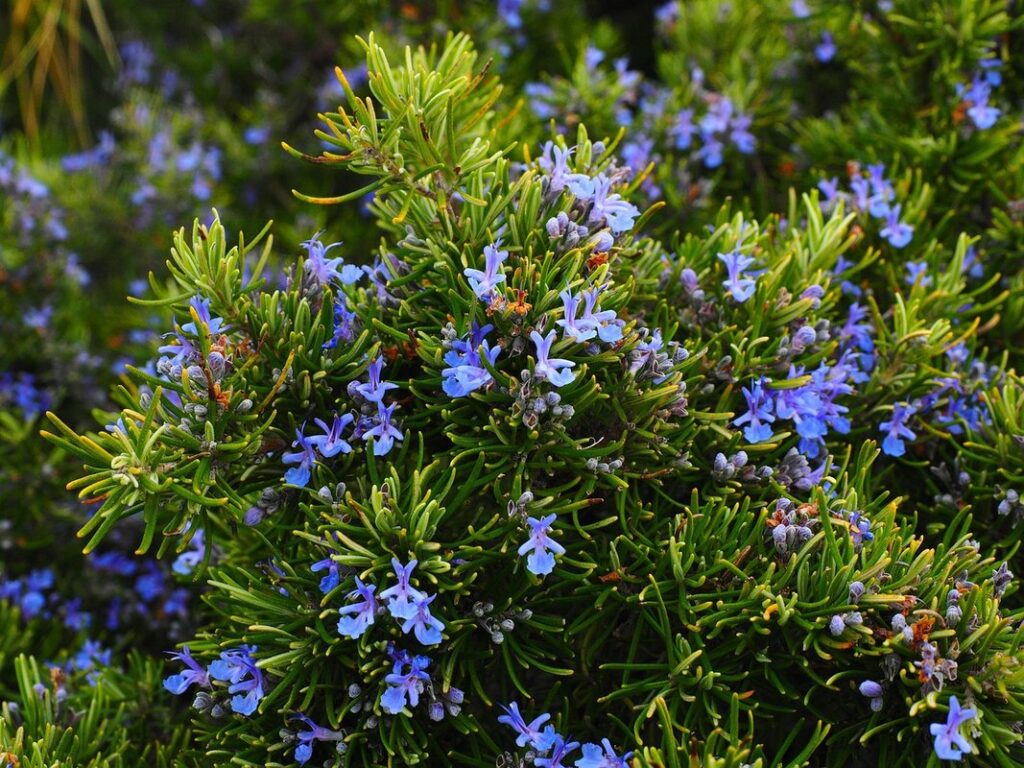
Upright varieties, such as ‘Miss Jessie’, grow tall and compact, making them ideal for hedges or topiaries. These plants are perfect for adding a fragrant, formal touch to your garden’s design. On the other hand, trailing types like ‘Tuscan Blue’ cascade beautifully over walls or containers, creating a stunning display of blue flowers in spring.
Compact varieties like ‘Prostratus’ are ideal for small spaces or containers, requiring minimal pruning and care. They’re perfect for those who want to enjoy rosemary’s culinary benefits without sacrificing too much garden real estate. When selecting a variety, consider your specific needs: do you want a fragrant herb for cooking, or an ornamental plant to add texture and interest? Choose a type that suits your growing conditions, such as full sun or partial shade, and begin growing your own rosemary today!
Propagation Methods for Home Gardeners
Propagating rosemary from cuttings is one of the most common and successful methods for home gardeners. To do this, choose healthy stems with plenty of leaves, typically from the new growth at the end of a branch. Cut 4-6 inch sections just above a leaf node using sharp, clean pruning shears or secateurs. Remove lower leaves to prevent waterlogged soil, then dip the cut ends into rooting hormone powder or liquid.
Plant the cutting in a propagation tray or pot filled with well-draining seed starting mix, firming it gently around the stem. Water thoroughly and provide indirect light; most will root within 1-3 weeks. Keep the soil consistently moist but not waterlogged during this period. Once roots have developed, transfer the new rosemary plant to a larger container using a good quality potting mix.
Alternatively, you can propagate rosemary through division by carefully digging up established plants in the spring or fall when they are dormant. Gently separate individual sections of the root system, making sure each section has at least two growth nodes. Replant immediately, firming the soil around the roots and providing adequate water until new growth begins.
Common Challenges and Solutions When Planting Rosemary
When planting rosemary, you’ll likely encounter a few common obstacles, from poor drainage to intense sunlight, but don’t worry, we’ve got some practical solutions to help. Let’s tackle them head-on!
Pests and Diseases Affecting Rosemary
Rosemary is a hardy herb that can tolerate some pest and disease issues, but it’s still essential to monitor for these common problems. Spider mites are one of the most notorious pests affecting rosemary plants, causing yellowing or bronzing leaves and fine webbing on the stems. To prevent spider mite infestations, ensure you’re providing your rosemary with sufficient air circulation and keep the soil consistently moist.
On the other hand, mealybugs can also be a problem for rosemary, sucking sap from the plant and causing curled or distorted leaves. Regularly inspecting your plants under a magnifying glass can help catch these pests early on. If you do spot mealybugs, treat them immediately with insecticidal soap.
Diseases like root rot and leaf spot are more likely to occur when rosemary is overwatered or exposed to excessive moisture. To prevent root rot, ensure your pot has good drainage holes and avoid watering your rosemary in the evening to minimize moisture retention overnight. Leaf spot can be treated with a fungicide spray once it’s identified.
To keep your rosemary healthy, maintain good gardening practices like pruning regularly, providing sufficient sunlight (at least 4-6 hours direct sun per day), and using organic mulch around the base of the plant. These measures will help prevent pest and disease issues from arising in the first place.
Addressing Soil-Specific Problems
Rosemary is particularly sensitive to soil conditions, and waterlogging can quickly become a major issue. To prevent this, choose a location with good drainage and consider raising the planting bed to improve airflow and reduce the risk of root rot. If you find that your rosemary has succumbed to waterlogged roots, gently lift it out of its pot, inspecting for signs of decay or soft spots.
Nutrient deficiencies can also hinder growth, so ensure your soil is rich in organic matter like compost or well-rotted manure. Regularly test the pH level and adjust as necessary – rosemary prefers a slightly alkaline environment with a pH range between 6.0 and 7.0. If you’ve planted rosemary in poor-quality soil, consider repotting it in a more favorable mix.
Keep an eye out for signs of nutrient deficiencies like stunted growth or yellowing leaves, and address the issue promptly by amending your soil accordingly.
Maintaining a Healthy Rosemary Plant Throughout the Year
To keep your rosemary plant thriving, it’s essential to understand how to care for it throughout each season, from pruning in winter to harvesting in summer. Proper maintenance ensures a robust and fragrant herb year-round.
Seasonal Care Tips
To maintain a thriving rosemary plant throughout the year, it’s essential to provide seasonal care tailored to its growth needs. During spring, prune back leggy stems to encourage bushy growth and prevent the plant from becoming too woody. Fertilize with a balanced, water-soluble fertilizer at half the recommended strength to promote healthy foliage.
Summer months often bring hot temperatures and dry conditions that can stress rosemary plants. To combat this, ensure your plant receives adequate moisture by watering it regularly, but avoid overwatering which can lead to root rot. You can also provide some shade for your rosemary if direct sunlight becomes too intense.
In autumn, reduce watering as the plant goes dormant, and fertilize with a high-potassium fertilizer to promote root growth. Prune back any dead or damaged branches to maintain the plant’s shape and prevent disease from spreading. Finally, winter months require protection from frost, which can damage or kill rosemary plants. Bring your potted rosemary indoors or cover it with a frost blanket to keep it safe until spring returns.
By following these seasonal care tips, you’ll be able to enjoy a healthy, fragrant rosemary plant throughout the year.
Troubleshooting Common Issues in Established Plants
Identifying and resolving common issues in established rosemary plants is crucial to maintaining their health and potency. Overgrowth can be a significant problem if left unattended. Prune the plant regularly to encourage bushy growth, rather than allowing it to become leggy and sparse. Pinch off flower buds before they open to direct the plant’s energy towards foliage growth.
Another common issue is pest infestation. Rosemary is susceptible to pests like spider mites, mealybugs, and aphids. Inspect your plants regularly for signs of infestation, such as yellowing leaves or white cottony patches on stems. Use neem oil or insecticidal soap to treat infestations. For severe cases, repot the plant in fresh soil to eliminate any remaining pests.
Root bound is another potential issue that can occur when rosemary plants outgrow their containers. Check for root bound by gently removing the plant from its pot. If the roots are circling or growing out of the container, it’s time to transplant into a larger vessel with well-draining soil.
Frequently Asked Questions
Can I grow rosemary indoors if my outdoor space doesn’t get enough sunlight?
Yes, you can definitely grow rosemary indoors with the right conditions. Choose a south-facing window or use grow lights to provide at least 4-6 hours of direct sunlight per day. Keep in mind that indoor rosemary plants may require more frequent watering due to lower humidity levels.
How often should I prune my rosemary plant for optimal growth?
Prune your rosemary regularly, ideally every 1-2 months during the growing season (spring-fall). Remove any leggy stems and shape the plant into a bushy form. This will encourage new growth and prevent the plant from becoming woody.
Can rosemary be grown in poor soil conditions, or do I need to amend it?
While rosemary prefers well-draining soil with a slightly alkaline pH (around 6.0-7.0), it can tolerate some degree of soil improvement. If your soil is heavy clay or sandy, mix in organic matter like compost to improve its structure and drainage.
What are the best companion plants for rosemary, and how do they benefit each other?
Rosemary pairs well with herbs like thyme, oregano, and basil, as well as vegetables like tomatoes and carrots. These combinations can enhance flavor, repel pests, or even support plant growth. For example, rosemary’s strong scent deters carrot flies, while its fragrance improves the flavor of nearby herbs.
How do I propagate new rosemary plants from cuttings, and what are the chances of success?
To propagate rosemary from cuttings, take 4-6 inch long stems with a few leaves intact. Remove lower leaves, dip in rooting hormone, and plant them in well-draining soil. Water regularly until roots develop (around 2-3 weeks). Success rates depend on cutting quality, soil conditions, and proper care – expect around 50-70% success rate.