
As a gardener or indoor plant enthusiast, you’ve probably encountered those pesky little critters that can quickly infest your prized possessions. Spider mites are notorious for their ability to infiltrate and decimate plants in no time. But have you ever wondered where these tiny terrors come from? It’s not just a matter of bad luck or poor plant care – spider mites can be introduced into your space through various means, often unknowingly. In this article, we’ll delve into the surprising ways spider mites are introduced, their favorite hosts, and provide effective prevention strategies to keep them at bay. By understanding where these pests come from, you’ll be better equipped to protect your plants and maintain a healthy, thriving indoor or outdoor space.
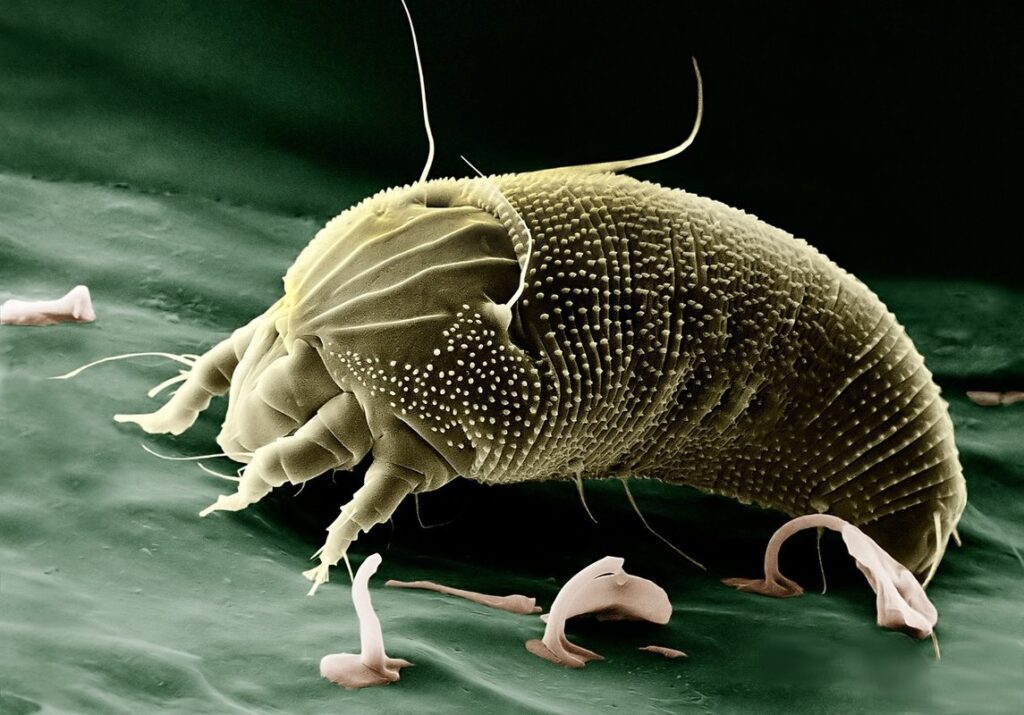
Understanding Spider Mite Infestations
To understand how spider mites can take over your garden, let’s start by examining their natural habitats and behaviors that make them so invasive.
Types of Spider Mites and Their Host Range
Spider mites are incredibly diverse, with over 1,200 species identified worldwide. This staggering variety is due to their ability to adapt to various host plants and environments. Some of the most common types of spider mites include:
* Two-spotted spider mite (Tetranychus urticae): Found on over 150 different plant species, this mite is one of the most widespread and problematic.
* European red mite (Panonychus ulmi): This mite prefers deciduous trees, particularly apple and pear trees, but can also infest other plants like roses and ornamentals.
* Strawberry spider mite (Tetranychus bimaculatus): As its name suggests, this mite is commonly found on strawberries, but it can also infest other crops like grapes and cucumbers.
One of the key characteristics of spider mites is their ability to jump between host plants. This means that if you have a single infested plant in your garden or greenhouse, it’s likely that nearby plants will become infected as well. Understanding which types of spider mites are present on your property can help inform strategies for prevention and control.
Environmental Factors Contributing to Infestations
Spider mites are drawn to specific environmental conditions that make their survival and reproduction easy. When it comes to attracting these unwanted pests, temperature plays a significant role. Spider mites thrive in warm temperatures between 65°F to 80°F (18°C to 27°C), making indoor plants, especially those near heating vents or radiators, more susceptible to infestations.
Humidity is another crucial factor that contributes to spider mite infestations. These tiny creatures require a certain level of moisture to survive and breed. Indoor environments with high humidity levels, often caused by overwatering or poor air circulation, become ideal breeding grounds for spider mites.
Light exposure also affects spider mite populations. While direct sunlight can be detrimental to these pests, low light conditions can lead to infestations as well. When plants are placed in areas with inadequate lighting, such as basements or rooms without sufficient natural light, spider mites can easily overpopulate and cause damage.
To prevent spider mite infestations, it’s essential to maintain a balance of environmental factors, including temperature, humidity, and light exposure. This involves providing your plants with the right amount of water and ensuring proper air circulation to keep humidity levels in check.
Common Sources of Spider Mite Introductions
Spider mites can infiltrate your garden through various means, including contaminated soil, water, and even on the surfaces of plants themselves. Let’s take a closer look at some common sources of these unwanted invaders.
Infested Plants from Nurseries or Gardens
Spider mites can be introduced into a garden or indoor space through infested plants brought from nurseries or gardens. This is often due to human error or lack of inspection. When purchasing plants from a nursery, it’s essential to carefully examine the leaves and stems for any signs of spider mite infestation.
Inspecting plants before bringing them home can be a straightforward process. Check the undersides of leaves, where spider mites tend to congregate, for fine webbing or actual mites. You should also look for discoloration, yellowing, or bronzing of the leaves, which are common symptoms of an infestation.
If you suspect that your new plant is infested, it’s crucial to take action immediately. Isolate the plant from other plants to prevent the spider mites from spreading. Then, carefully remove any heavily infested areas with a soft brush or by gently wiping them off with a damp cloth. Regularly inspect the plant for signs of re-infestation and treat promptly if necessary.
It’s also important to choose reputable nurseries that maintain healthy stock. Many professional growers will take steps to prevent spider mite infestations, such as using integrated pest management (IPM) strategies or growing plants in clean, well-maintained facilities.
Second-Hand Potting Soil and Irrigation Systems
When you bring home a new bag of potting soil or hook up your irrigation system, do you ever stop to think about what might be lurking within? Contaminated potting soil and irrigation systems can be a significant source of spider mite introductions. These tiny pests can survive for extended periods in damp environments, waiting for the perfect moment to strike.
When purchasing second-hand potting soil, it’s essential to inspect the material carefully before using it. Check for any visible signs of infestation, such as fine webbing or actual mites. Even if you don’t see anything, spider mite eggs can be incredibly small and hard to spot. If in doubt, it’s always best to err on the side of caution and opt for fresh potting soil.
Similarly, irrigation systems can harbor spider mites. Water pressure can dislodge these pests from surfaces, allowing them to spread to other areas of your garden. Regularly cleaning and disinfecting your irrigation system can help prevent this problem. Use a mixture of water and vinegar to rinse away any debris or potential hitchhikers.
Human Error: How We Unintentionally Bring Spider Mites Indoors
When it comes to bringing spider mites indoors, we often unintentionally invite them into our homes through simple actions. From second-hand furniture to unsuspecting plants, human error can be a significant contributor to infestations.
Used Furniture and Decorative Items
When you bring home a new piece of used furniture or decorative item, it’s not just the aesthetics and design that come with it – sometimes, unwanted critters do too. Spider mites can easily hitch a ride into your home on these items, which is why it’s essential to inspect them carefully before bringing them inside.
Used furniture, especially if it’s been stored outdoors or in an unventilated space, can be a breeding ground for spider mites. They often infest the undersides of cushions, cracks and crevices, and even in the stitching of upholstered items. Decorative objects like vases, figurines, and other knick-knacks can also harbor these pests, particularly if they’re made from materials that are prone to moisture accumulation.
Before bringing a used item into your home, inspect it thoroughly for signs of spider mite infestation. Look for tiny, moving dots or webs on the surfaces, especially in areas with dense fabric or material. If you suspect an item is contaminated, isolate it immediately and treat it with insecticidal soap or neem oil before introducing it to your indoor space. Remember, prevention is key – always inspect items carefully and take necessary precautions to prevent spider mite infestations.
Plants from Friends or Family Members
When you receive plants from friends or family members, it’s easy to get excited and eager to care for them. However, this generosity can sometimes come with a hidden cost – spider mites. These tiny pests can hitchhike into your home on the leaves of infested plants, putting all your other plants at risk.
Unfortunately, spider mite eggs are extremely hardy and can withstand even the most thorough cleaning process. This means that if an infested plant is simply wiped down with a damp cloth or given a quick rinse under the faucet, those pesky eggs may still be present. To avoid this scenario, it’s essential to inspect your new plants carefully before bringing them indoors.
When receiving plants from friends or family members, make sure to thoroughly inspect the leaves for any signs of spider mite activity – look for fine webbing, yellowing or bronzing of leaves, and a fuzzy appearance on the undersides. If you notice anything suspicious, consider starting your new plant in quarantine for 2-3 weeks before introducing it to your main collection. This simple precaution can help prevent the spread of spider mites and protect your other plants from infestation.
Spider Mite Eggs: The Hidden Threat
When it comes to understanding the spider mite invasion, one crucial aspect is often overlooked: their eggs. These tiny, nearly invisible orbs hold the key to a spider mite’s survival and spread.
Egg-Laying Habits and Development Stages
When it comes to understanding the spider mite invasion, it’s essential to grasp their egg-laying habits and development stages. Female spider mites can lay up to 20 eggs at a time, which hatch into larvae within 3-5 days. These tiny eggs are usually white or yellowish in color and are often found on the underside of leaves.
As these eggs develop, they go through four distinct stages: egg, larva, protonymph, and adult. During each stage, spider mite development is influenced by temperature, humidity, and food availability. For instance, at optimal temperatures (around 25°C), larvae typically take around 3-4 days to reach the protonymph stage.
As these tiny creatures grow, their egg-laying habits change too. Female spider mites can lay up to three batches of eggs in their lifetime, with each batch taking around 2-3 days to hatch. Knowing this cycle is crucial for effective management and control strategies. To break the cycle, gardeners should focus on early detection, using neem oil or insecticidal soap to kill larvae before they develop into adults.
It’s also worth noting that spider mites can survive without food for several weeks, allowing them to spread quickly when conditions become favorable. By understanding their egg-laying habits and development stages, you’ll be better equipped to tackle this invasive pest and protect your plants from further damage.
Factors Affecting Egg Survival and Hatching Rates
Spider mite eggs are vulnerable to various environmental factors that can impact their survival and hatching rates. Temperature plays a significant role, with optimal temperatures ranging from 65°F to 75°F (18°C to 24°C). Outside this range, egg viability and hatching success decrease dramatically. For instance, at temperatures above 85°F (29°C), mortality rates can reach up to 90%. Conversely, temperatures below 50°F (10°C) may render eggs unviable.
Humidity is another crucial factor affecting egg survival. Spider mites thrive in humid environments with relative humidity levels between 40% and 80%. If the air is too dry, eggs may desiccate or hatch prematurely, leading to reduced hatching rates.
Effective pest control measures can also impact egg survival. Chemical pesticides can harm spider mite eggs and disrupt their life cycle. However, improper use of these chemicals can lead to the development of pesticide-resistant populations, further exacerbating the issue. Integrated Pest Management (IPM) strategies that combine physical barriers, biological controls, and targeted chemical treatments are more effective in controlling spider mites while minimizing harm to eggs and other beneficial organisms.
Signs of Spider Mite Infestations: Detection and Identification
As you start to suspect that spider mites might be taking over your plants, it’s essential to know how to identify their telltale signs of infestation. Look out for tiny webs and stippled leaves.
Visual Inspection and Monitoring Methods
When it comes to detecting spider mite infestations, visual inspection and monitoring are crucial steps in preventing further damage. To begin with, check the undersides of leaves, where spider mites often congregate. Gently lift up a leaf and inspect for tiny, moving dots or fine webbing. This is especially true for plants like indoor tomatoes and orchids.
Inspecting regularly under magnification can help you catch infestations early on. A 10x hand lens or smartphone camera with a macro lens attachment will allow you to zoom in on the plant’s surface without damaging it. When inspecting, be sure to look for egg sacs that resemble tiny white ovals attached to stems.
In addition to visual inspection, keep an eye out for subtle signs like yellowing leaves and white powder-like residue on the plant’s surface. These can indicate the presence of spider mites. If you suspect an infestation, isolate the affected plant to prevent further spread.
Keep a monitoring journal to track any changes in your plants over time. This will help you identify patterns and pinpoint potential issues before they become major problems. Regularly inspecting your plants will allow you to catch signs of spider mite activity early on, preventing them from getting out of control.
Common Misidentification and Co-Infestation Risks
Spider mite infestations can be notoriously tricky to detect and diagnose, especially when other pests are present. One of the most significant challenges is misidentification, which can lead to ineffective treatment plans and prolonged damage to your plants.
If you’re not familiar with spider mites or have never dealt with an infestation before, it’s easy to mistake them for other common pests like mealybugs, aphids, or even whiteflies. These pests often exhibit similar symptoms, such as yellowing leaves, distorted growth, and a sticky substance on the leaves.
Co-infestations are also a major concern, where multiple pests inhabit the same plant simultaneously. This can make it even more challenging to identify the primary pest responsible for the damage. For example, spider mites might be present alongside mealybugs, which secrete a sweet, sticky substance that attracts other pests like ants and bees.
To avoid misidentification and co-infestations, it’s essential to conduct thorough inspections of your plants. Look for fine webbing, eggs, or actual mites on the underside of leaves. If you’re still unsure, consult with a pest management professional or take a sample to a nursery or gardening store for guidance.
Prevention and Control Strategies: Keeping Spider Mites at Bay
To keep your garden safe from these pesky pests, it’s essential to understand the prevention and control strategies that will help you outsmart spider mites for good. We’ll share our top tips on keeping them at bay.
Integrated Pest Management (IPM) Approaches
Managing spider mites effectively requires an integrated approach that combines cultural controls, biological control agents, and chemical treatments. One of the most crucial aspects of IPM is monitoring your crops regularly to catch infestations early on. This involves keeping a close eye out for telltale signs such as yellowing leaves or fine webbing.
Cultural controls play a significant role in preventing spider mite infestations. This includes maintaining optimal temperature and humidity levels, ensuring good air circulation around plants, and avoiding overwatering, which can make your crops more susceptible to mite attacks. For example, by watering your plants in the morning, you allow them to dry out slightly before nightfall, making it harder for spider mites to survive.
Biological control agents can also be an effective tool in managing spider mite populations. These include introducing natural predators such as lady beetles or lacewings that feed on spider mites. Chemical treatments are usually a last resort and should only be used when infestations are severe and other methods have failed. Always follow the recommended application rates to avoid harming beneficial insects or the environment.
Long-Term Solutions: Healthy Plants and Ecosystem Balance
Maintaining healthy plants and a balanced ecosystem is crucial in preventing future spider mite infestations. Spider mites thrive in environments where there’s an imbalance of nutrients, moisture, and temperature. When plants are stressed due to poor care or environmental conditions, they become more susceptible to infestations.
To prevent this, ensure your plants receive adequate watering, fertilization, and pruning. Over-watering can lead to fungal diseases that attract spider mites, while under-watering stresses the plant, making it vulnerable to pests. Maintain optimal temperatures between 65-75°F (18-24°C) for most houseplants.
A balanced ecosystem is also key in preventing spider mite infestations. Encourage beneficial insects like ladybugs and lacewings by introducing them into your garden or indoor space. These predators feed on spider mites, keeping their populations under control. Regularly inspect your plants for signs of stress or pest activity to catch any issues early on.
Keep in mind that some plants are more prone to infestations than others. Research the specific needs and vulnerabilities of your plants to take proactive measures against spider mite invasions.
Frequently Asked Questions
Can I still use second-hand potting soil if I’m careful to sterilize it?
Yes, you can repurpose second-hand potting soil, but ensure thorough sterilization to eliminate any potential pests or eggs. However, for optimal protection, consider replacing the soil entirely and using fresh potting mix to minimize risks.
How do I know if my plants are co-infested with spider mites and other pests?
Co-infestations can be challenging to detect, so inspect your plants regularly using a combination of visual inspection and monitoring methods. Keep an eye out for signs like yellowing leaves, webbing, or actual pest sightings. If you notice multiple issues simultaneously, it’s likely a co-infestation.
What’s the best way to prevent spider mites from infesting my indoor plants during the winter months?
To reduce the risk of indoor plant infestations during winter, maintain optimal humidity levels (around 40-50%), avoid overwatering, and ensure good air circulation. You can also use a humidifier or mist your plants with water daily to create an unfavorable environment for spider mites.
Can I reuse furniture or decorative items that have been in storage for a while?
Yes, but exercise caution when reintroducing stored items into your home, especially if they were previously exposed to plants. Inspect all surfaces carefully before bringing them indoors, and consider washing or treating them with insecticidal soap to minimize the risk of spider mite introduction.
Are there any long-term solutions for preventing spider mites from infesting my garden?
Yes, focus on creating a balanced ecosystem by promoting beneficial insects, using Integrated Pest Management (IPM) approaches, and maintaining healthy plants through proper care and nutrition. These strategies will help you achieve long-term success in managing spider mite populations and maintaining a thriving garden.