
Sowing beetroot at the right time can make all the difference in your harvest. But with so many variables to consider, from climate and soil conditions to variety selection, it’s easy to get overwhelmed. The ideal sowing period for beetroot is crucial to maximize yields and minimize common mistakes that can cost you a bountiful crop. In this article, we’ll take a closer look at the best time to sow beetroot in your garden, including expert tips on climate and soil conditions, timing, and variety selection. Whether you’re a seasoned gardener or just starting out, our guide will help you make informed decisions and avoid common pitfalls that can lead to disappointing results. With this knowledge, you’ll be well-equipped to grow delicious, nutritious beetroot all season long.
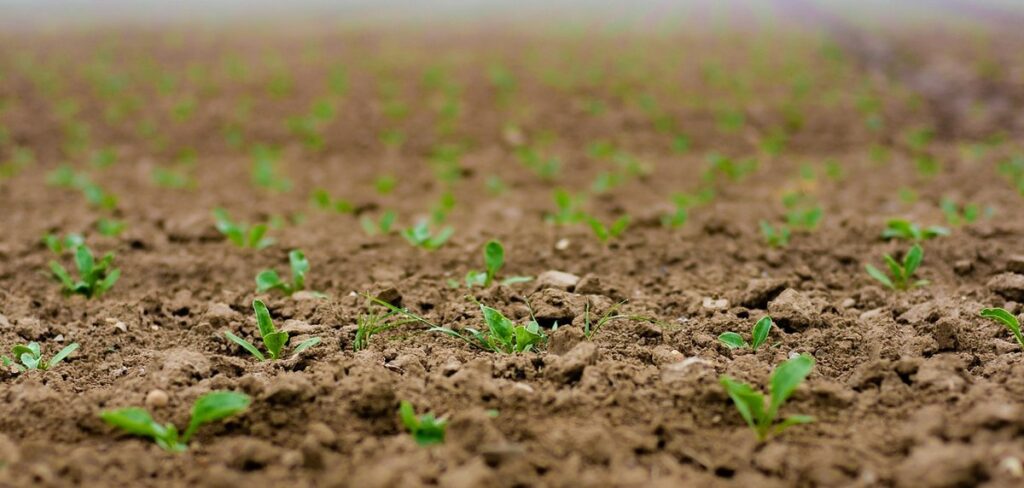
Climate and Soil Conditions for Beetroot
To grow delicious beetroot, you’ll want to know how its climate and soil conditions affect its growth, so let’s dive into what works best.
Understanding Beetroot’s Temperature Requirements
Beetroot is sensitive to temperature fluctuations, and understanding its ideal temperature requirements is crucial for successful sowing. When it comes to soil temperature, beetroot prefers a minimum of 7°C (45°F) for germination, but optimal growth occurs between 10°C to 15°C (50°F to 59°F). On the other hand, air temperature should be around 20°C (68°F) for seedlings to emerge.
When sowing beetroot in cooler climates or early spring, it’s essential to wait until the soil has warmed up sufficiently. A simple test is to insert a finger into the soil; if it feels warm to the touch, it’s ready for sowing. Conversely, if you’re planting in warmer temperatures, ensure that the soil doesn’t become too hot, as this can lead to root damage and poor flavor.
Keep in mind that these temperature guidelines may vary depending on your specific region and climate. Research local conditions or consult with experienced gardeners in your area to determine the best sowing time for beetroot in your region. With a good understanding of beetroot’s temperature requirements, you’ll be well-prepared to sow this nutritious vegetable at the right moment.
Choosing the Right Soil Type for Beetroot
Beetroot loves a balanced soil mix that’s rich in nutrients and has just the right pH levels. Before you start sowing beetroot seeds, it’s essential to understand what makes good soil for this root crop.
The ideal pH range for beetroot is between 6.0 and 7.0, which means slightly acidic to neutral soil. If your soil is too alkaline (above 8.5), the nutrients will be locked up, and your beetroot won’t grow well. To test your soil’s pH, you can purchase a DIY kit or send a sample to a lab for analysis.
Beetroot requires consistent moisture throughout its growth cycle. Aim for about an inch of water per week, either through rainfall or irrigation. Avoid overwatering, as this can lead to rot and other issues. Nutrient-rich soils with high levels of potassium (K), magnesium (Mg), and phosphorus (P) are also crucial for beetroot’s development.
You can create a nutrient-dense soil mix by adding compost, well-rotted manure, or balanced fertilizers according to the manufacturer’s instructions. Keep in mind that your local climate and region may require specific adjustments to these general guidelines, so research what works best for your area.
Timing of Sowing Beetroot for Different Regions
Whether you’re growing beetroot in a scorching desert climate or a cool mountainous region, timing is everything. We’ll guide you through the best sowing periods for your area’s unique conditions.
Spring Sowing: Preparing for an Early Harvest
As we approach the spring season, many gardeners are eager to get started on sowing their beetroot crop. However, it’s essential to consider a few key factors before planting to ensure a successful harvest. The first thing to take into account is the frost dates for your region. Beetroot is sensitive to frost and can be damaged or even killed if exposed to temperatures below 32°F (0°C). Wait until the soil has warmed up and the risk of frost has passed.
Check the average last-frost date for your area, which is typically around late March to early April in most regions. This will give you a general idea of when it’s safe to start sowing beetroot seeds directly into the ground.
Before sowing, prepare the soil by loosening it to a depth of about 12 inches (30 cm). Add some organic matter like compost or well-rotted manure to improve its fertility and drainage. This will help create an ideal environment for your beetroot crop to thrive in. Make sure the soil is moist but not waterlogged, as this can lead to root rot.
Once you’ve prepared the soil, sow beetroot seeds about 1 inch (2.5 cm) deep and 1-2 inches (2.5-5 cm) apart. Water gently but thoroughly after sowing, making sure the soil is consistently moist during the first few weeks after planting. By following these steps and considering your local weather patterns, you’ll be well on your way to enjoying an early and bountiful harvest of delicious beetroot.
Summer Sowing: Avoiding the Heat of Summer
Sowing beetroot during summer months can be challenging due to the extreme heat and dryness that prevail during this time. Heat stress is a major concern as it can cause beetroot plants to bolt, resulting in poor root quality and reduced yields. High temperatures also lead to increased water loss from the soil, making it essential to provide adequate irrigation.
Pests and diseases that thrive in warm temperatures are another issue faced by gardeners during summer sowing. Aphids, whiteflies, and spider mites become more active in hot weather, while root rot and powdery mildew can quickly spread under humid conditions. To avoid these challenges, it’s best to sow beetroot in the early morning or late afternoon when temperatures are relatively cooler.
Consider planting beetroot varieties that mature within 50-60 days, which tend to be more resistant to heat stress. Additionally, incorporate organic matter into your soil before sowing to improve its water-holding capacity and structure, reducing the need for frequent watering. By taking these precautions, you can successfully grow delicious and healthy beetroot even during the hot summer months.
Month-by-Month Guide to Sowing Beetroot
To ensure you’re planting beetroot at the right time, let’s take a look at our month-by-month guide for sowing these delicious roots in your garden.
January to March: Planning for an Early Start
As we enter the winter months of January to March, it’s essential to start planning for an early beetroot harvest. This is a crucial period for preparing the soil and selecting varieties that thrive in cooler temperatures.
When preparing the soil, focus on loosening and aerating it to ensure good drainage. Beetroot prefers well-draining, fertile soil with a pH between 6.5 and 7.0. Add organic matter like compost or manure to improve soil structure and fertility. If your soil is heavy clay or sandy, mix in some grit or perlite to improve its texture.
Choose beetroot varieties that are specifically bred for early sowing, such as ‘Boltardy’ or ‘Detroit Dark Red’. These varieties tend to mature faster (around 60-70 days) and are more resistant to bolting. For even earlier sowing, consider growing compact or baby beetroot varieties like ‘Red Ace’ or ‘Chioggia’.
To protect your seedlings from frost, mulch the soil with a layer of straw or wood chips. This will help retain moisture and regulate soil temperature. If you anticipate particularly harsh weather conditions, use row covers or cold frames to give your seedlings extra protection.
April to June: Maximizing Summer Harvests
As we enter the summer months of April to June, your beetroot crop should be thriving. To maximize your yields during this period, it’s essential to implement some strategic techniques. Start by practicing companion planting – a technique that pairs different plants together for mutual benefits.
Beetroot grows particularly well alongside leafy greens like spinach and lettuce. These plants require similar growing conditions and can provide shade from the sun for young beetroot seedlings. On the other hand, members of the Brassica family, such as kale and broccoli, repel pests that target beetroot, like aphids and whiteflies.
Crop rotation is another vital strategy to ensure a bountiful harvest. Beetroot belongs to the Amaranthaceae family and can deplete soil nutrients quickly. Rotate your beetroot crop to a new location each season to maintain soil fertility and prevent over-cultivation of any single area. Regularly inspect your plants for signs of pests or diseases, and use natural pest control methods whenever possible.
By implementing these strategies, you’ll be well on your way to enjoying a high-yielding and healthy beetroot crop throughout the summer months.
Choosing the Right Beetroot Variety
When sowing beetroot, selecting the right variety is crucial for optimal growth and flavor. With so many types to choose from, let’s explore what makes each one unique.
Understanding the Different Types of Beetroot
There are numerous types of beetroot varieties, each with its unique characteristics, advantages, and growing requirements. One popular variety is the Detroit Dark Red, which is known for its deep red color and sweet flavor. This type of beetroot has a high sugar content, making it ideal for pickling or roasting.
Another variety worth mentioning is Chioggia, which boasts beautiful white and pink stripes. It’s not only visually appealing but also has a sweeter taste than the Detroit Dark Red. Chioggia beets are relatively easy to grow and require minimal maintenance, making them perfect for beginner gardeners.
When choosing a beetroot variety, consider your intended use. If you want to add some color to your salads or smoothies, Chioggia might be the better choice due to its striking appearance. On the other hand, if you prefer a more robust flavor, Detroit Dark Red could be the way to go.
Some other popular varieties include Golden Beetroot, which has a mild sweet taste and is perfect for soups and stews; and Alba White Beetroot, which is great for roasting due to its firm texture.
Selecting Varieties Suitable for Your Climate
Choosing the right beetroot variety is crucial, and it’s not just about flavor and texture. The climate you live in plays a significant role in determining which varieties will thrive. If you’re growing in an area with intense heat, look for varieties that are heat-tolerant. ‘Detroit Dark Red’ and ‘Chioggia’ are good options, as they can withstand temperatures up to 85°F (30°C). On the other hand, if your region experiences harsh winters, choose cold-hardy varieties like ‘Golden Beet’ or ‘Ruby Ball’. These will be able to survive light frosts and even some snow.
When selecting a variety for your specific climate, consider factors such as:
• Temperature tolerance: Check the variety’s ability to withstand high or low temperatures.
• Frost hardiness: Some beetroot varieties can tolerate light frosts, while others are more sensitive.
• Moisture requirements: Different varieties have varying needs when it comes to water. Some prefer well-draining soil, while others require consistent moisture.
Be sure to research the specific climate conditions in your area and choose a variety that’s best suited to those conditions. This will ensure you get the best results from your beetroot crop.
Tips for Successful Beetroot Sowing
To ensure a bountiful harvest, you’ll want to pay attention to these key tips that can make all the difference in sowing beetroot seeds successfully outdoors. Follow our expert advice for optimal growth.
Avoiding Common Mistakes When Sowing Beetroot
When sowing beetroot, it’s easy to fall into common pitfalls that can affect its growth and yield. One of the most critical mistakes is over-sowing. Planting too many seeds at once may seem like a good idea, but it can lead to overcrowding, reduced root size, and increased susceptibility to pests and diseases. For optimal results, sow beetroot seeds about 2-3 cm apart in rows that are 30-40 cm apart.
Another mistake is poor soil preparation. Beetroot thrives in well-draining, fertile soil with a pH between 6.5 and 7.5. If your soil lacks these conditions, it’s essential to amend it before sowing. Add compost or manure to improve the structure and fertility of the soil.
Inadequate watering is another common mistake. Beetroot needs consistent moisture throughout its growth cycle. Ensure that the soil remains consistently moist but not waterlogged. Avoid getting water on the leaves to prevent fungal diseases from taking hold. By being aware of these potential pitfalls, you can take steps to avoid them and set your beetroot crop up for success.
Encouraging Healthy Growth Through Companion Planting
Companion planting with beetroot is a game-changer for gardeners of all levels. By strategically pairing beetroot with other plants, you can reap numerous benefits that improve growth, increase yields, and reduce pest/disease susceptibility.
Some of the most effective companion plants for beetroot include marigold, nasturtium, and dill. These flowers and herbs repel pests like aphids, slugs, and snails that commonly target beetroot, reducing the need for pesticides. Nasturtiums, in particular, have been shown to repel white cabbage moth, a major pest of beetroot. By planting nasturtiums nearby, you can minimize damage and ensure healthier plants.
In addition to pest control, companion planting can also enhance soil health. For example, clover and comfrey are both excellent nitrogen-fixing companions that improve the fertility of your soil, making it easier for beetroot to grow strong and healthy. When selecting companion plants, remember to choose varieties with different growth habits and maturation dates to ensure a diverse and thriving ecosystem.
When choosing which companion plants to pair with your beetroot, consider the mature size of each plant, as well as their growing requirements and space needs. By planning carefully, you can create a harmonious garden environment that supports healthy growth and maximizes yields.
Frequently Asked Questions
Can I sow beetroot in containers, or is it strictly for garden beds?
Yes, you can grow beetroot in containers! Choose a container with good drainage and a minimum depth of 15-20 cm (6-8 inches) to accommodate the taproot. Make sure the container has at least 5-7 hours of direct sunlight per day. Use a well-draining potting mix and follow the same sowing instructions as for garden beds.
How often should I water beetroot seedlings, especially in hot weather?
Beetroot seedlings need consistent moisture, but overwatering can lead to poor growth and root rot. Water them lightly every 2-3 days, keeping the soil consistently moist but not waterlogged. Avoid getting water on the leaves to prevent fungal diseases.
What’s the best way to control weeds around beetroot plants without using chemical herbicides?
Physical removal of weeds is an effective method for weed control around beetroot plants. Use a tool like a hoe or hand weeder to remove weeds before they compete with your beetroot seedlings for water and nutrients. You can also use mulch or companion planting to suppress weeds.
Can I sow multiple varieties of beetroot together, or should I keep them separate?
While it’s technically possible to grow multiple varieties of beetroot together, doing so may lead to cross-pollination, resulting in mixed or unpredictable results. To get the best yields and preserve the unique characteristics of each variety, consider sowing them separately or using physical barriers like row covers.
How long does it typically take for beetroot to mature after sowing, and when can I harvest?
The time from sowing to maturity for beetroot varies depending on factors like climate, soil conditions, and specific variety. Typically, beetroot takes around 60-90 days to mature, but some varieties may be ready in as little as 40-50 days or take up to 120 days. Check the seed packet or consult with a gardening expert to determine the exact maturation time for your chosen variety.