
Pruning your lavender plant at the right time can make all the difference in its health, appearance, and blooming potential. But when exactly should you prune lavender? The answer depends on several factors, including the type of lavender, climate, and growth stage. If you’re unsure about when to prune lavender or how to do it effectively, you’ve come to the right place! In this article, we’ll delve into the types of pruning, pre-pruning considerations, and techniques that promote healthy growth and blooming. We’ll also explore specific tips for various types of lavender plants, ensuring you can enjoy their beautiful flowers all season long. By the end of this article, you’ll be equipped with the knowledge to prune your lavender like a pro, boosting its beauty and vitality in the process.
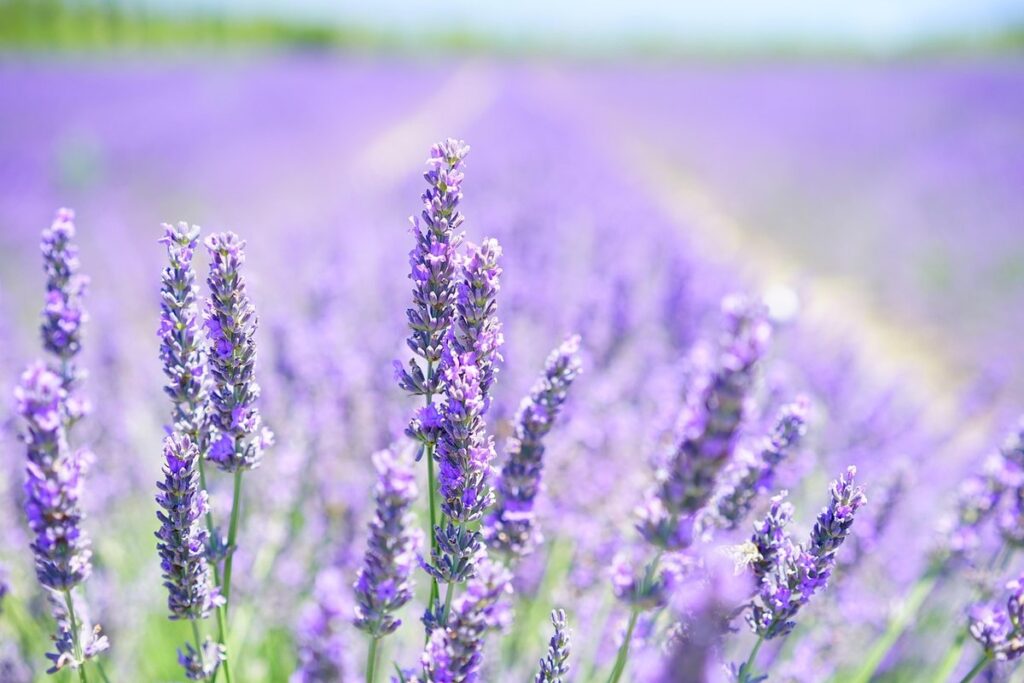
Understanding the Importance of Pruning
Pruning isn’t just about shape and size; it also plays a crucial role in your lavender plant’s overall health and productivity. Let’s dive into why pruning is essential for lavender growth.
Why Pruning is Necessary
Pruning lavender is not just a matter of aesthetics; it’s crucial for the plant’s overall health and productivity. When left unpruned, lavender can become leggy and woody, which can lead to a decline in its ability to produce new growth and flowers. By removing dead or damaged branches, pruning helps to maintain the plant’s shape, promote healthy air circulation, and reduce the risk of disease.
Think of pruning as a way to give your lavender a makeover – it not only looks better, but also becomes more resilient. Regular pruning encourages the plant to focus its energy on producing new growth, which in turn leads to an increase in blooms. This is especially important for perennial varieties that may go dormant during winter months. By pruning back the previous year’s growth, you’re essentially giving your lavender a boost of energy to start fresh and produce more flowers come springtime.
By incorporating pruning into your regular care routine, you’ll be rewarded with a lush, vibrant plant that thrives all season long.
Types of Pruning
When it comes to pruning lavender, understanding the different types of pruning is crucial for promoting healthy growth and preventing overgrowth. There are two main types of pruning: maintenance pruning and rejuvenation pruning.
Maintenance pruning is a regular practice that should be done during the growing seasons, typically in spring or summer. This type of pruning involves trimming back the tips of branches to encourage new growth and prevent the plant from becoming leggy. It’s essential for maintaining the desired shape and size of your lavender plant. For example, if you’re growing English lavender (Lavandula angustifolia), you can prune it back by one-third in spring to promote a bushy habit.
On the other hand, rejuvenation pruning is done when the plant is mature and has become woody. This type of pruning involves cutting back the entire plant to about 6-12 inches from the ground. It’s usually necessary every 3-5 years to revitalize the plant and encourage new growth. For instance, if your lavender plant is looking a bit scraggy or overgrown, it may be time for rejuvenation pruning.
Choosing the Right Time for Pruning
Deciding when to prune your lavender plants can be a bit tricky, so let’s explore how to choose the right time for pruning to keep your plants healthy and thriving.
Spring Pruning
Late spring and early summer are ideal times for pruning lavender. This allows the plant to recover from the pruning process before winter sets in, reducing the risk of new growth being damaged by frost. When you prune in late spring or early summer, you’re giving the lavender bush time to produce new shoots and flowers, which will then have a chance to harden off before the cold weather returns.
As a general rule, aim to prune your lavender plants when they’ve finished blooming for the season. This is usually around May or June in the Northern Hemisphere, depending on your specific climate and location. Prune back any leggy stems or deadheading spent flowers to promote healthy growth and prevent the plant from becoming too woody.
Remember to cut back about one-third of the plant’s new growth to encourage bushy growth and prevent it from getting leggy. This will also help maintain the shape and size of your lavender plant, keeping it looking its best throughout the growing season.
Summer Pruning
While summer pruning can be done if necessary, it’s generally not recommended during hot weather when lavender plants are already under stress from the high temperatures. Pruning during this time can cause further damage to the plant and lead to disease or pest issues.
If you do need to prune your lavender in the summer, make sure to prune only what is absolutely necessary to maintain shape and encourage new growth. Remove any dead or damaged stems immediately after pruning to prevent the spread of disease.
To minimize stress on the plant, consider pruning during the early morning or evening when temperatures are cooler. This will help reduce water loss through transpiration and give the plant a better chance to recover from the pruning process.
Pre-Pruning Considerations
Before you start pruning, take a moment to think about your lavender plant’s current state and what needs attention most. Are there dead stems, pests, or diseases that need addressing first?
Inspect Your Lavender
Before you start pruning, take a closer look at your lavender plant. Inspect it carefully for any signs of pests or diseases that could be weakening its structure or threatening its health. Check the leaves, stems, and flowers for any unusual growths, discoloration, or damage. White powdery patches on the leaves may indicate a fungal infection such as mealybug or aphid infestation.
Look for signs of scale, spider mites, or other pests that can cause significant harm to your lavender plant if left untreated. Remove any affected branches or stems immediately to prevent further damage and the spread of disease. Cut back infected areas to healthy tissue, making sure to disinfect your pruning tools between cuts to avoid cross-contamination.
By taking this simple step before pruning, you’ll be able to assess the overall health of your lavender plant and make informed decisions about how to proceed with pruning. This will help ensure that your pruning efforts promote healthy growth and maximize blooms in the coming season.
Tools and Equipment
When working with lavender, it’s essential to have the right tools and equipment to ensure a safe and healthy pruning experience. First and foremost, invest in sharp and clean pruning shears or loppers specifically designed for woody plants like lavender. Dull blades can cause more damage than good, spreading disease and stress to the plant.
To prevent this, regularly clean your pruning tools with soap and water after each use, and store them in a dry place when not in use. This simple habit will help maintain the health of your lavender plants.
When handling thorny plants like lavender, it’s crucial to protect yourself from potential injuries. Wear a pair of sturdy gardening gloves that cover your hands from wrist to fingertips, providing adequate protection from prickly stems and leaves. Additionally, wear safety glasses or goggles to shield your eyes from debris and sap that might splatter during pruning.
Remember to work carefully around the plant, taking small steps back as you cut branches to maintain balance and control. This will prevent accidents and make the process more enjoyable for both you and your lavender plants.
Pruning Techniques and Tips
Now that you know when to prune your lavender, let’s dive into some essential pruning techniques and tips to keep your plant healthy and thriving. Proper pruning will enhance its appearance and promote new growth.
Cutting Back Long Branches
When it comes to pruning lavender, one of the most crucial steps is cutting back long branches. This technique not only promotes new growth but also encourages blooming. To do this effectively, trim back the longest stems by about one-third. This will help direct the plant’s energy towards producing new shoots and flowers.
It’s essential to make clean cuts just above a leaf node using sharp pruning tools. This will prevent the plant from becoming leggy and encourage branching outwards. For example, if you have a lavender plant with stems that are 2-3 feet long, cut them back to about 1.5 feet. This will not only maintain the plant’s shape but also stimulate new growth.
By cutting back long branches, you’ll be able to control the plant’s size and promote a fuller appearance. Remember, pruning is an ongoing process, and regular maintenance is necessary for lavender plants to thrive. By incorporating this technique into your pruning routine, you’ll be rewarded with a lush, vibrant lavender garden that’s sure to attract pollinators and provide beautiful blooms.
Removing Dead or Damaged Wood
Removing dead or damaged wood is an essential part of maintaining healthy lavender plants. This process not only helps to prevent disease from spreading but also promotes overall plant growth and productivity. When inspecting your lavender bushes, look for signs of damage such as cracks, splits, or discoloration.
Remove any affected areas immediately to prevent the spread of disease and encourage new growth. Use pruning shears or loppers to carefully cut back dead wood, making clean cuts just above a healthy bud or branch junction. This technique helps to minimize stress on the plant and promotes a seamless healing process.
It’s also crucial to remove any weak or spindly growth that may be competing with healthier branches for water and nutrients. By removing these areas, you allow your lavender plants to focus energy on producing vibrant flowers and robust foliage. Prune away dead or damaged wood in late winter or early spring before new growth begins, and make sure to disinfect your pruning tools between cuts to prevent the spread of disease.
Shaping Your Lavender
When it comes to shaping your lavender plant into a desired form, pruning shears are your best friend. This simple yet effective technique will not only control its size but also encourage even growth, resulting in a more visually appealing and healthy shrub.
To shape your lavender effectively, start by removing any dead or damaged branches. Use long-handled pruning shears to reach those hard-to-access areas without straining yourself. Cut the stems back to about one-third of their original length, making clean cuts just above a node (where a leaf meets the stem). This will help stimulate new growth and encourage bushy development.
As you shape your lavender, consider its mature size and desired shape. If you want a compact shrub, prune more extensively in the spring after blooming. For a taller variety, prune less frequently to allow it to reach its full height. Remember, pruning is an ongoing process, and regular maintenance will keep your lavender looking its best throughout the growing season. By regularly shaping your lavender, you’ll enjoy healthy, fragrant blooms for years to come.
After-Pruning Care
After you’ve pruned your lavender, proper care is essential for promoting healthy growth and preventing disease. Here’s how to nurture your plants back to full bloom.
Watering and Mulching
After pruning your lavender plant, it’s essential to provide it with optimal care to promote healthy growth and prevent stress. One of the most critical steps is to water your lavender well after pruning. This helps to replenish moisture lost during the pruning process and encourages new growth.
Make sure to give your lavender a good soaking, allowing the soil to settle before mulching around the base. Mulch plays a significant role in retaining moisture and suppressing weeds that can compete with your plant for resources. Organic materials like wood chips, bark, or gravel are excellent choices for mulching. Avoid using regular garden compost, as it can retain too much moisture and cause root rot.
When applying mulch, maintain a 2-3 inch layer around the base of the plant, keeping it a few inches away from the stem to prevent waterlogged soil. Replenish the mulch as needed to ensure its effectiveness in retaining moisture and suppressing weeds.
Fertilization
Now that you’ve pruned your lavender plant, it’s time to focus on fertilization. This is an essential step to ensure healthy growth and blooming. Lavender requires a balanced fertilizer during the growing season to thrive.
Choose a fertilizer with a 10-10-10 or 20-20-20 NPK ratio, which means it contains equal amounts of nitrogen, phosphorus, and potassium. These nutrients will promote lush greenery and vibrant blooms. Apply the fertilizer in early spring, just as new growth begins, and again after pruning to encourage rapid recovery.
For optimal results, follow these guidelines:
* Spread 1-2 pounds of fertilizer evenly around the base of your lavender plant, making sure not to overfertilize.
* Water thoroughly after application to prevent burning the roots.
* Consider using organic fertilizers like fish emulsion or compost tea for a more sustainable option.
By incorporating balanced fertilization into your after-pruning care routine, you’ll be rewarded with healthy, fragrant blooms and an overall robust lavender plant.
Additional Tips for Different Varieties
If you have English lavender, sweet lavender, or another variety, you’ll want to note that their pruning requirements might differ slightly from those of common lavender. These variations will be covered in more detail below.
English Lavender
If you’re working with English lavender, you’ll be happy to know that it’s one of the more forgiving varieties when it comes to pruning. In fact, English lavender can be pruned quite heavily compared to other types of lavender. When it’s time for a major prune, cut back stems by about one-third to one-half in late spring or early summer.
This means if you have a stem that’s 3 feet tall, cut it back to around 2 feet. You can do this using pruning shears or loppers, depending on the thickness of the stem. Prune all the way down to just above a growth node – where the leaf meets the stem. This will encourage new growth and help your English lavender bush grow full and bushy.
Pruning English lavender in late spring or early summer also allows it to focus its energy on producing blooms later in the season. By cutting back the stems, you’re essentially giving your plant a head start on producing new growth and flowers. Just be sure not to over-prune – English lavender still needs some structure to support those beautiful purple blooms!
Spanish Lavender
If you’re growing Spanish lavender, you’ll be pleased to know that it’s one of the easier varieties to maintain. Unlike some other types of lavender, Spanish lavender doesn’t require a lot of pruning to keep it looking its best. In fact, it’s best to take a more relaxed approach with this variety.
When it comes to pruning your Spanish lavender, start by removing any dead or damaged branches. This will help prevent the spread of disease and encourage healthy growth. Simply snip off these unwanted stems at the base, using clean, sharp pruners to prevent spreading any potential infections.
Next, take a step back and assess the overall shape of your plant. If it’s looking a bit leggy or uneven, you can use this opportunity to give it a gentle trim. Remove any overgrown branches, and tidy up around the base of the plant. This will help keep your Spanish lavender looking neat and compact, while also promoting new growth. Remember, less is often more with this variety – so don’t be tempted to prune too much!
Common Mistakes to Avoid
Avoid these common pitfalls that can harm your lavender plant, and learn how to prune it correctly to ensure its continued health and beauty. Pruning mistakes can be costly, so read on!
Over-Pruning
Over-pruning your lavender can be detrimental to its health and blooming potential. This common mistake can cause significant stress to the plant, making it more susceptible to diseases and pests. When you remove too much foliage, the plant may not have enough energy to produce new growth or flowers.
To avoid over-pruning, consider the shape of your lavender plant. If it’s top-heavy or leggy, a gentle pruning is necessary to maintain its structure. However, don’t be tempted to cut back more than one-third of the plant at a time. This will shock the roots and hinder recovery.
When in doubt, it’s better to err on the side of caution and prune less. Instead of cutting back branches, try shaping your lavender with a pair of clean scissors or pruning shears. Remove any dead or damaged stems, but leave healthy growth intact. Remember, lavender blooms on new wood, so you can even remove spent flowers without harming next year’s bloom.
Pruning at the Wrong Time
Pruning at the wrong time can be devastating for lavender plants. One of the most common mistakes gardeners make is pruning their lavender during its active growing season, which typically runs from late spring to early fall. This is a crucial period for lavender, as it’s producing new growth, flowers, and storing energy reserves for the next year.
When you prune your lavender during this time, you’ll inadvertently damage the delicate new shoots and leaves, setting back the plant’s development by several weeks or even months. Moreover, pruning in the midst of active growth can lead to an open invitation for pests and diseases to take hold, further weakening the plant.
To avoid this common pitfall, make it a point to prune your lavender during its dormant season – either winter or early spring. This allows you to remove any dead or damaged wood without causing harm to new growth. By pruning at the right time, you’ll give your lavender the best chance to thrive and enjoy a healthy, fragrant harvest for years to come.
Frequently Asked Questions
How do I determine the best time for pruning my lavender plant if it’s a hybrid or cultivar?
The specific needs of your lavender plant will depend on its type, growth stage, and climate. Check with the nursery where you purchased the plant or consult a local gardening expert to determine the ideal pruning schedule for your specific variety.
Can I prune my lavender plant during full sun or should I do it in the shade?
Prune your lavender plant when the weather is mild and overcast, if possible. This will prevent shock to the plant from intense sunlight after pruning. If you must prune in direct sunlight, consider doing so early in the morning.
How often should I water my lavender plant after pruning, especially during hot summer months?
Water your lavender plant sparingly but thoroughly after pruning. Make sure the soil drains well and provide enough moisture to prevent stress, but avoid overwatering which can lead to root rot.
What are some common mistakes to watch out for when pruning my lavender plant, and how can I avoid them?
Some common mistakes include pruning too much of the foliage, removing buds that will produce flowers, or not leaving enough growth points on the plant. To avoid these errors, take a moment to study your plant before pruning and consult with an expert if you’re unsure.
Can I use regular household scissors to prune my lavender plant, or do I need specialized tools?
While you can use regular scissors for light pruning, it’s recommended to invest in high-quality gardening shears specifically designed for pruning woody plants like lavender. These will make the process easier and help prevent damage to the stems and leaves.