
If you’re dreaming of a vibrant wildflower meadow, choosing the right time to plant those beautiful seeds is crucial. The timing can make all the difference between a lush, thriving garden and one that struggles to grow. But with so many factors at play – seasonal cycles, climate conditions, and local weather patterns – it’s easy to get it wrong.
In this article, we’ll break down the essential considerations for planting wildflower meadow seeds. We’ll explore how to choose the perfect time based on your specific location and climate. From spring plantings in mild climates to fall sowings in colder regions, we’ll cover the key factors that determine success. By understanding these seasonal cycles, you can set your garden up for a stunning display of wildflowers year after year.
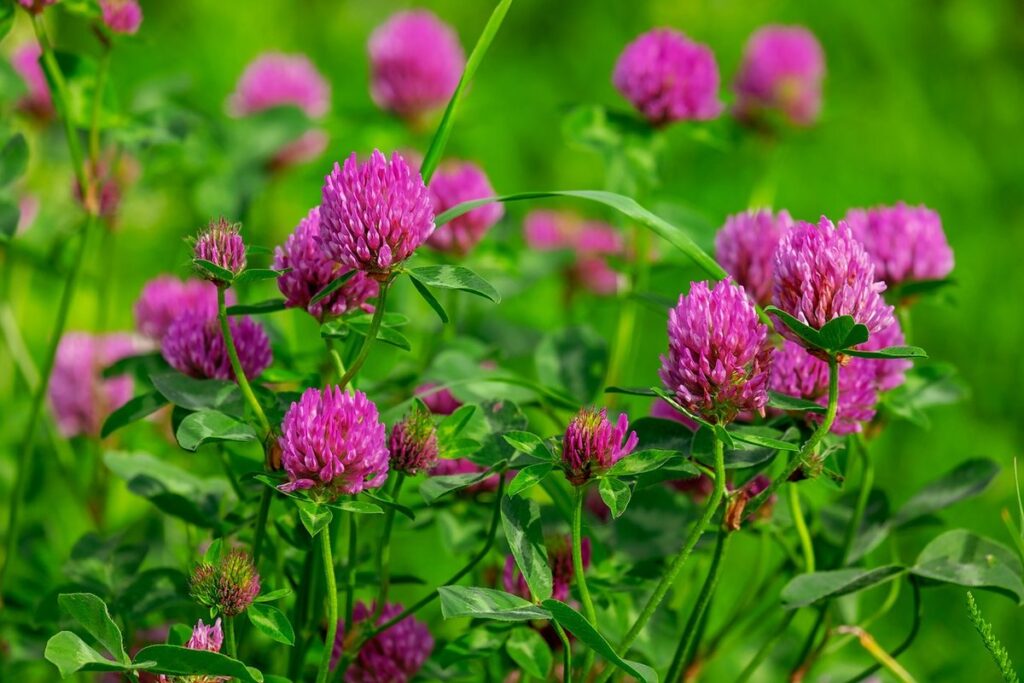
Choosing the Right Time for Planting
When deciding when to plant your wildflower meadow seeds, timing is crucial for optimal growth and a vibrant display of blooms. Here, we’ll explore the key factors to consider.
Understanding Seasonal Cycles and Climate Factors
When it comes to planting wildflower meadow seeds, understanding seasonal cycles and climate factors is crucial for success. The first step is to determine your region’s average frost dates. This will help you avoid planting too early and risking damage from frost. In general, it’s best to plant wildflower seeds in the fall or spring, when the temperatures are cooler.
In areas with mild winters, such as USDA Hardiness Zones 8-10, you can plant in the fall (September to November) or winter (December to February). For regions with colder winters, like USDA Hardiness Zones 3-7, it’s better to wait until spring (March to May). Be sure to check your local weather forecast and adjust your planting schedule accordingly.
Keep in mind that some wildflower species have specific temperature requirements. For example, lupines prefer cooler temperatures, while black-eyed Susans can tolerate warmer conditions. Research the specific needs of the varieties you want to plant and plan accordingly. By considering these climate factors, you’ll be able to create a thriving wildflower meadow that will bloom beautifully for years to come.
Considering Soil Temperature and Moisture Levels
Soil temperature and moisture levels are crucial factors to consider when determining the right time to plant wildflower meadow seeds. Soil that’s too cold can lead to poor germination rates, while soil that’s too dry can cause the seeds to struggle or even die.
A general rule of thumb is to ensure the soil has reached a minimum temperature of 40°F (4°C) for most wildflower species. However, some species like lupine and vetch are more sensitive to cold temperatures and may require soil temperatures above 50°F (10°C).
In terms of moisture levels, the soil should be moist but not waterlogged. Aim for about an inch (2.5 cm) of rainfall or irrigation per week during this time. You can also check the moisture level by inserting your finger into the soil up to the first knuckle. If it feels dry, it’s time to water.
It’s also essential to consider the specific wildflower species you’re planting and their individual temperature requirements. Research the specific needs of each plant to ensure optimal growth and success in your meadow.
Understanding the Role of Last Frost Dates
Understanding the role of last frost dates is crucial when planning to plant wildflower meadow seeds. This information can make all the difference between a thriving meadow and one that struggles to survive the changing seasons.
In most regions, late winter or early spring is the ideal time to plant wildflower meadow seeds. However, it’s essential to know when the last frost date occurs in your area. Last frost dates vary significantly depending on your location, with some areas experiencing their last frost as early as February and others as late as May.
To determine the optimal planting time for your region, research the average last frost date for your area. You can find this information online through various sources, such as your local nursery or gardening club. Once you have this data, plan to plant your wildflower seeds about 4-6 weeks before the expected last frost date.
This allows the seeds to germinate and establish themselves before the ground freezes, increasing their chances of survival. By considering the last frost date in your planning process, you can create a beautiful and resilient wildflower meadow that thrives year after year.
Preparing the Site for Planting
Before you start planting those beautiful wildflower seeds, let’s get your site ready. This involves clearing any debris and preparing the soil to ensure optimal growth and bloom.
Assessing Soil Quality and pH Levels
Before planting wildflower meadow seeds, it’s essential to assess the soil quality and pH levels on your site. This may seem like a daunting task, but trust us, it’s crucial for the health and success of your wildflowers.
Soil pH is a measure of how acidic or alkaline your soil is, with 7 being neutral (neither acidic nor alkaline). Most wildflowers prefer slightly acidic to neutral soils, ranging from pH 6.0 to 7.0. If your soil is too acidic (pH < 6.0), it may not provide enough nutrients for your plants, while overly alkaline soils (pH > 8.0) can lead to nutrient deficiencies.
To assess your soil quality and pH levels, start by collecting a small sample from the site. You can use a soil testing kit or send a sample to a lab for analysis. If you’re unsure about how to interpret the results, consult with a local nursery or gardening expert. The test will reveal not only the pH level but also nutrient deficiencies or excesses that may require attention.
By understanding your soil conditions, you’ll be better equipped to create an environment that supports the growth and success of your wildflower meadow seeds.
Removing Weeds and Debris
Before planting wildflower meadow seeds, it’s essential to remove weeds and debris from the site. Weeds can compete with your newly planted wildflowers for water, nutrients, and light, making it challenging for them to establish themselves. Some common weeds that can outcompete wildflowers include dandelions, clover, and thistle.
To remove weeds effectively, start by clearing the area of any debris such as sticks, rocks, and dead plant material. Use a rake or a garden fork to loosen and remove weeds from the soil. Make sure to remove their roots as well, as this will prevent them from regrowing. You can also use a tool like a hoe or a weeding knife to manually remove weeds.
It’s also crucial to assess the site for debris such as broken glass, old building materials, or other hazardous waste that could harm your wildflowers or the environment. Clear these items before planting to ensure a safe and healthy growing space for your wildflower meadow.
Creating a Plan for Erosion Control
Before planting wildflower meadow seeds, it’s essential to create a plan for erosion control. This will help prevent soil loss and damage, ensuring the long-term health of your meadow. A well-planned approach involves assessing the site conditions, identifying areas prone to erosion, and implementing measures to stabilize the soil.
Begin by walking through your designated meadow area and observing any slopes, uneven terrain, or water flow patterns. Note which spots are most vulnerable to erosion and identify potential solutions. For example, if you notice a slope with loose topsoil, consider installing geotextiles or terracing it to prevent soil runoff.
Next, research and choose suitable erosion control methods for your specific meadow conditions. These might include:
• Vegetation-based solutions: Planting native grasses, shrubs, or groundcovers that naturally stabilize the soil
• Physical barriers: Installing netting, mats, or geotextiles to hold soil in place
• Mulching: Applying organic mulch to reduce soil erosion and retain moisture
Remember to consider factors like rainfall patterns, soil type, and local regulations when selecting your control methods. By taking these steps, you’ll be well-prepared to mitigate the risk of erosion and ensure a healthy, thriving wildflower meadow for years to come.
Selecting the Right Seeds for Your Region
Choosing the right wildflower seeds is crucial, as different regions have unique climate and soil conditions that affect seed germination and growth. Let’s explore how to select seeds tailored to your area.
Understanding Regional Wildflower Species
When selecting wildflower seeds for your region, it’s essential to choose species that are native to your area or suitable for local climate conditions. This ensures the best possible growth and success of your meadow. If you’re not familiar with the native wildflowers in your region, start by researching online or consulting with a local nursery or gardening expert.
Not all wildflower species thrive in every climate, so it’s crucial to select plants that are adapted to your specific region. For example, coastal regions have different temperature and moisture levels than inland areas. In these regions, plants like beach sunflowers (Helianthus debilis) and sea lavender (Lavandula stoechas) do exceptionally well due to their tolerance for salt spray and dry conditions.
When selecting non-native species, ensure they are suitable for your region’s climate by checking factors such as hardiness zone, sunlight requirements, and moisture levels. Some popular wildflower species that can tolerate a range of conditions include black-eyed Susans (Rudbeckia hirta), cosmos (Cosmos bipinnatus), and coneflower (Echinacea purpurea).
Choosing the Right Seed Mix
Choosing the right seed mix is crucial for a thriving wildflower meadow. Since different regions have unique climate and soil conditions, it’s essential to select a seed mix that caters to your specific needs. Start by identifying your region’s hardiness zone, which will help you determine what types of plants will thrive in your area.
Next, consider the type of soil you have on your land. Is it sandy, clay-based, or loamy? Different wildflowers perform better in different soil conditions. For example, lupines and Indian paintbrush love well-drained soils, while coneflowers and black-eyed Susans prefer moist soils.
Look for seed mixes that are specifically formulated for your region’s climate and soil type. You can also choose from a variety of specialized mixes, such as those designed for dry areas or wet meadows. Always read the label carefully to ensure it matches your needs.
When selecting a seed mix, consider factors like bloom time, growth habits, and maintenance requirements. This will help you create a balanced and diverse wildflower meadow that requires minimal upkeep.
Sowing Seeds for Success
When it comes to sowing seeds for a thriving wildflower meadow, timing is everything. In this crucial step of the process, you’ll learn how to choose the perfect spot and prepare your soil for success.
Preparing the Soil for Sowing
Preparing the soil for sowing wildflower seeds is an essential step in creating a thriving meadow. Before you can even think about planting, it’s crucial to loosen and aerate the soil to ensure that it’s receptive to new growth. Start by tilling the area to a depth of 8-10 inches. This will break up any compacted soil, allowing for better drainage and aeration.
Next, rake the soil to smooth out any clumps or lumps. You can use a garden rake or a leaf rake, depending on the texture of your soil. Rake in a circular motion to evenly distribute the soil particles and remove any debris. If you’re working with heavy clay or dense soil, consider incorporating organic matter like compost or well-rotted manure to improve its structure.
As you till and rake, keep an eye out for weeds or debris that could compete with your wildflowers. Remove any unwanted vegetation by hand or with a tool, and make sure the area is clear of rocks or other obstacles. With a smooth, even surface, you’re now ready to sow your wildflower seeds and set the stage for a beautiful, vibrant meadow.
Sowing Seeds at the Right Depth and Spacing
When sowing wildflower meadow seeds, it’s essential to get the depth and spacing just right for optimal germination and growth. If you sow the seeds too deeply, they may struggle to reach the surface before running out of stored energy. On the other hand, if the seeds are sown too close together, the seedlings may become overcrowded, leading to poor growth and increased susceptibility to disease.
As a general rule, it’s best to sow wildflower meadow seeds about 1/8 inch (3-4 mm) deep in well-draining soil. This depth allows the seeds to receive adequate moisture while still being exposed to enough light for germination. To ensure proper spacing, sow the seeds in clusters of three to five at intervals of around 6-12 inches (15-30 cm). For larger wildflowers like cosmos or hollyhock, you may want to space the seeds as far apart as 18-24 inches (45-60 cm).
Some species-specific guidelines are also worth noting. For example, delicate flowers like gentian and delphinium require even more precise spacing to avoid overcrowding. Always follow the specific sowing instructions provided with your seed packet or consult a reliable field guide for guidance on optimal depth and spacing for your chosen wildflower species.
Aftercare and Maintenance
Now that you’ve planted your wildflower meadow seeds, it’s time to think about how to keep them healthy and thriving over the long term. Proper aftercare and maintenance will ensure a beautiful display of blooms for years to come.
Watering and Mulching Techniques
A well-watered and mulched wildflower meadow is essential for its overall health and longevity. When it comes to watering, it’s crucial to strike the right balance between keeping the soil moist and avoiding overwatering, which can lead to root rot and other issues. As a general rule of thumb, aim to water your wildflower meadow about 1-2 inches per week, either through rainfall or irrigation. It’s also essential to avoid getting water on the leaves or flowers themselves, as this can cause damage and promote disease.
Mulching is another vital component of maintaining a healthy wildflower meadow. Organic mulches like wood chips, bark, or straw help retain moisture in the soil, suppress weeds, and regulate soil temperature. Apply a 2-3 inch layer of mulch around your plants, keeping it a few inches away from the base of the stems to prevent moisture from accumulating and causing rot. Replenish the mulch as needed, ideally after each growing season.
Regular watering and mulching will help your wildflower meadow thrive and minimize the need for additional maintenance.
Managing Weeds and Pests
Managing weeds and pests is an essential aspect of maintaining a healthy wildflower meadow. As you plant your seeds, it’s crucial to consider strategies that won’t harm the environment or wildlife. One effective approach is to use physical methods of weed control, such as hand-weeding or using a tool like a hoe to remove invasive species.
Another option is to incorporate plants into your meadow design that will naturally suppress weeds and pests. For example, planting creeping thyme or oregano can help crowd out unwanted growths while attracting pollinators and beneficial insects. When it comes to pest control, consider using natural methods like introducing beneficial insects (such as ladybugs or lacewings) that prey on pests.
Some key plants to include in your meadow design for weed suppression are:
• Creeping thyme
• Oregano
• Clover
• Comfrey
These plants not only help manage weeds and pests but also provide a source of food and habitat for beneficial wildlife.
Conclusion: Creating a Thriving Wildflower Meadow
As you’ve learned throughout this guide, planting wildflower meadow seeds at the right time is crucial for their success. Now that you have a better understanding of when to plant, it’s essential to remember that creating a thriving wildflower meadow requires more than just timing. A well-planned and properly maintained meadow will attract pollinators, provide a natural habitat for wildlife, and offer stunning beauty to your outdoor space. To achieve this, be sure to choose high-quality seeds suitable for your region, prepare the soil with necessary amendments, and maintain a regular watering schedule. By following these steps and being mindful of seasonal weather patterns, you’ll be well on your way to creating a vibrant and resilient wildflower meadow that brings joy and life to your outdoor space.
Frequently Asked Questions
Can I plant wildflower meadow seeds directly on compacted soil?
Yes, but it’s essential to loosen the soil before sowing to ensure proper seed germination and growth. You can use a garden fork or tiller to break up compacted areas, making it easier for roots to develop.
How do I determine my region’s specific last frost date?
You can check your local nursery, gardening association, or online resources like the USDA Plant Hardiness Zone Map to find out when the last spring frost typically occurs in your area. This information will help you plan your planting schedule accordingly.
Can I plant wildflower meadow seeds in areas with poor soil quality?
Yes, but it’s crucial to improve soil health before sowing. Test your soil pH levels and nutrient content, then amend it as necessary. Add organic matter like compost or well-rotted manure to enrich the soil and support healthy seed growth.
What if I accidentally plant wildflower meadow seeds too early, and a frost hits?
If a late frost damages your newly planted seeds, don’t worry! Simply wait for new growth to appear in spring, and your wildflowers will bloom as usual. Keep in mind that this may affect the overall appearance of your meadow, but it won’t harm the long-term health of the plants.
How can I prevent erosion in areas with steep slopes or heavy rainfall?
Implement a plan for erosion control by installing a geotextile fabric or planting native vegetation that helps hold soil in place. You can also create swales or terraces to slow down water runoff and reduce erosion risks. These measures will help you maintain your wildflower meadow’s integrity over time.