
Strawberry lovers know that growing your own berries can be a delightful experience, but getting it right from the start is crucial. The timing of planting strawberries is often overlooked, yet it’s one of the most critical factors in determining their success. When to plant strawberries depends on several key factors: climate, soil conditions, and even the specific variety you’ve chosen.
In this comprehensive guide, we’ll walk you through everything you need to know about planting strawberries, from selecting the right variety for your region to maximizing yields through proper post-planting care. We’ll explore how to choose the perfect spot with suitable climate and soil conditions, as well as provide tips on how to ensure optimal growth and a bountiful harvest. Whether you’re a seasoned gardener or just starting out, this guide will help you get your strawberry patch off to a great start.
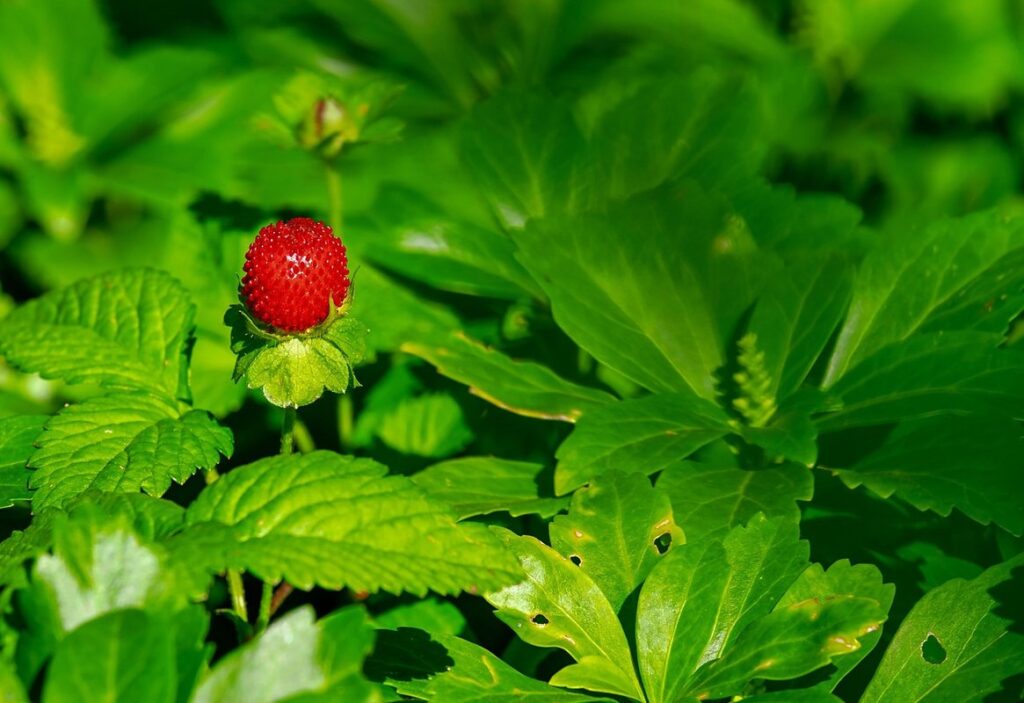
Choosing the Right Strawberry Variety
With so many strawberry varieties to choose from, selecting the right one can be overwhelming. In this section, we’ll explore how to pick a variety that suits your climate and growing conditions perfectly.
Understanding Climate and Region-Specific Varieties
When choosing a strawberry variety, it’s essential to consider the specific climate and region you’re growing in. Different varieties perform better in various conditions, such as temperature, sunlight, and moisture levels. For instance, ‘Fern’ strawberries thrive in cooler climates with moderate temperatures, making them ideal for regions like the Pacific Northwest or the UK.
On the other hand, ‘Camarosa’ strawberries excel in warmer climates with plenty of sunshine, making them suitable for areas like California or Florida. If you’re growing in a region with short summers, ‘Everbearing’ varieties like ‘Allstar’ can provide multiple harvests throughout the season.
To determine which variety is best for your area, research the specific needs and characteristics of each type. Check local nurseries or online catalogs for information on strawberry varieties suitable for your climate and region. Consider factors such as frost tolerance, disease resistance, and growth habits to ensure you’re planting a variety that will thrive in your garden.
Some popular varieties for different regions include:
• ‘Everbearing’ strawberries for cooler climates
• ‘Day-neutral’ strawberries for warmer climates
• ‘June-bearing’ strawberries for temperate climates
Keep in mind that even within the same region, microclimates can exist. Be sure to observe and record your garden’s specific conditions, including soil quality, sunlight exposure, and temperature fluctuations. This will help you make informed decisions when selecting a strawberry variety for optimal growth and harvests.
Considering Day Length and Temperature Requirements
When choosing a strawberry variety, it’s essential to consider its specific day length and temperature requirements. This will ensure that your plants receive the optimal growing conditions for maximum productivity.
Most strawberry varieties require at least 12 hours of daylight per day, with some varieties needing up to 14 hours. Day-neutral varieties like ‘Albion’ and ‘Camarosa’ are a good choice for shorter days, while ever-bearing varieties like ‘Seascape’ and ‘Fern’ prefer longer days.
In terms of temperature, strawberries typically thrive in temperatures between 35°F and 85°F (2°C and 30°C). However, the ideal temperature range varies depending on the growth stage. For example, strawberry plants can tolerate light frosts when they’re mature, but young seedlings are sensitive to cold temperatures below 40°F (4°C).
To give your strawberry plants a head start, check the specific requirements for your chosen variety and plan accordingly. Some popular varieties, like ‘Camarosa’ and ‘Ventana’, have been bred specifically for warmer climates with longer growing seasons. By selecting a variety that matches your local climate and growing conditions, you’ll be well on your way to a successful strawberry harvest.
Preparing Your Garden for Strawberries
Before planting strawberries, it’s essential to prepare your garden by loosening the soil and removing any debris. This simple step will give your strawberry plants a healthy start.
Soil Preparation and pH Levels
Before planting strawberries, it’s essential to prepare the soil properly. This involves loosening the soil to a depth of about 8-10 inches to allow for good root growth. You should also remove any debris and weeds from the area as they can compete with your strawberry plants for nutrients.
Maintaining optimal pH levels is crucial for healthy strawberry growth. Strawberries prefer slightly acidic to neutral soils, with a pH between 5.5 and 6.5. To check the pH level of your soil, you can purchase a DIY kit or send a sample to a lab for analysis. If your soil’s pH is too high, add elemental sulfur or aluminum sulfate to lower it. Conversely, if it’s too low, add lime to raise it.
A general rule of thumb is to mix 2-4 inches of compost into the top layer of the soil before planting. This will not only improve drainage and aeration but also provide essential nutrients for your strawberry plants. Avoid over-fertilizing, as this can damage the roots and affect yields. Instead, focus on maintaining a balanced diet of nitrogen, phosphorus, and potassium through regular applications of compost or a balanced fertilizer.
Companion Planting and Pest Management
Companion planting is a simple yet effective way to boost your strawberry crop’s health and flavor. By strategically pairing strawberries with other plants that repel pests and attract beneficial insects, you can create a balanced ecosystem that promotes growth and reduces the need for pesticides.
Some popular companion plants for strawberries include marigolds, which repel nematodes and other soil-dwelling pests; chives, which deter aphids and other sucking insects; and nasturtiums, which trap whiteflies and other flying pests. Planting these companions alongside your strawberries can also improve soil health by attracting beneficial microbes.
To manage pests effectively, monitor your plants regularly for signs of infestation. Remove any affected leaves or flowers to prevent the problem from spreading. If you notice a persistent issue, consider introducing natural predators like ladybugs or lacewings, which feed on common strawberry pests.
By incorporating companion planting and pest management techniques into your garden plan, you can enjoy a healthy, thriving strawberry crop with minimal maintenance and maximum flavor.
When to Plant Strawberries: A Calendar Approach
Now that you know when to plant strawberries based on your climate and region, let’s take a look at how to apply those principles to create a calendar approach for planting. This section will break down seasonal considerations by month.
Spring Planting Strategies
Spring planting is one of the best times to plant strawberries, but it’s crucial to consider frost dates and soil temperature for optimal growth. Typically, you can start planting strawberry crowns as soon as the last frost has passed in your area. To determine this date, consult a reliable weather forecast or a hardiness zone map.
Before planting, ensure that the soil temperature is at least 40°F (4°C), allowing the strawberries to germinate and grow properly. You can check the soil temperature by using a thermometer or online resources that provide soil temperature data for your area.
For warm regions with mild winters, you can plant strawberries in early spring, usually around February or March. In areas with colder climates, wait until late April or May when the soil has warmed up sufficiently.
When planting in the spring, space strawberry crowns about 12-18 inches apart and 2-3 feet between rows for optimal air circulation and sunlight exposure. This will help prevent fungal diseases that thrive in moist environments.
Fall and Winter Planting Options
Planting strawberries during the fall and winter seasons may not be as popular as spring planting, but it offers several benefits. For one, you can enjoy two harvests from a single crop: one in late summer/early fall and another in late spring or early summer after a mild winter. Additionally, fall-planted strawberries often produce more flowers and fruit than spring-planted ones.
If you do decide to plant in the fall or winter, it’s essential to protect your strawberry plants from harsh weather conditions. This can be done by using row covers or cold frames to shield them from frost, wind, and extreme temperatures. You should also choose a variety that is specifically bred for cooler climates or fall planting.
In regions with mild winters, you can even plant strawberries in the winter months. In such cases, it’s crucial to choose a variety that has low chill hour requirements (around 100-200 hours). This will ensure your plants don’t go dormant and can continue producing fruit throughout the winter months.
Post-Planting Care: Watering, Fertilizing, and Mulching
Now that your strawberry plants are in the ground, it’s time to think about how to keep them happy and thriving through proper watering, fertilizing, and mulching practices. This ensures a bountiful harvest all season long.
Optimizing Watering Techniques for Strawberry Plants
Proper watering is crucial for strawberry plants, as it affects their growth, fruit production, and overall health. When to water strawberries depends on factors like climate, soil type, and plant age. As a general rule, aim to provide about 1-2 inches of water per week, either through rainfall or irrigation.
To determine if your strawberries need watering, check the soil moisture by inserting your finger into the soil up to the first knuckle. If the soil feels dry, it’s time to water. Avoid overwatering, which can lead to root rot and other problems. A good way to gauge the right amount of water is to observe how long it takes for the top 2-3 inches of soil to dry out between waterings.
In hot weather, strawberries may need more frequent watering, while in cooler climates, they might require less. Be mindful of the plant’s age too – newly planted strawberries will need more water than established ones. Monitor your plants’ response to watering and adjust your technique accordingly. By providing the right amount of water at the right time, you’ll be well on your way to a bountiful strawberry harvest.
Fertilizer Selection and Application Tips
Strawberry plants require a balanced diet of nutrients to produce high yields and sweet flavors. When it comes to fertilizing strawberries, there are several factors to consider, including the type of fertilizer, application rates, and timing.
Organic options like fish emulsion, compost tea, and bone meal are excellent choices for strawberries. These natural fertilizers release nutrients slowly, reducing the risk of over-fertilization. If you prefer synthetic fertilizers, look for those with a balanced N-P-K ratio (e.g., 10-10-10) and follow the instructions carefully.
For optimal results, apply a starter fertilizer at planting time, followed by a balanced fertilizer every 4-6 weeks during the growing season. Avoid over-fertilizing, as this can lead to weak and leggy growth. Instead, focus on providing a steady supply of nutrients throughout the season.
Consider getting your soil tested before fertilizing to determine its pH level and nutrient content. This will help you choose the right fertilizer for your specific situation.
Common Mistakes to Avoid When Planting Strawberries
To ensure a bountiful harvest, it’s essential to avoid common mistakes when planting strawberries, such as poor soil preparation and inadequate spacing. Pay attention to these critical errors to set your strawberry plants up for success.
Understanding Transplant Shock and Its Consequences
Transplant shock is a common issue that can occur when strawberry plants are moved from their original pots to a new location. It happens when the roots of the plant become stressed due to changes in temperature, humidity, and light exposure. This stress causes the plant to go into survival mode, which can lead to reduced growth and decreased yields.
When transplanting strawberry plants, it’s essential to minimize the risk of shock by hardening them off before moving them outdoors. Start by gradually exposing them to outdoor conditions over the course of 7-10 days. Begin with 1-2 hours of direct sunlight per day and increase the duration by an hour each day.
To further mitigate the effects of transplant shock, make sure the new location has well-draining soil and adequate moisture. Avoid disturbing the roots during planting, as this can cause even more stress to the plant.
Recognizing Early Warning Signs of Disease and Pests
As you tend to your strawberry plants, it’s essential to be vigilant for early warning signs of disease and pests. These can quickly spread and devastate an entire crop if left unchecked. Be on the lookout for yellowing or browning leaves, which may indicate fungal diseases such as powdery mildew or leaf spot.
Other signs of disease include black spots or lesions on the fruit, white cottony growths on the stems (indicative of aphid infestations), and curled or distorted leaves. Regularly inspect your plants’ undersides for eggs or larvae, which can be a sign of pests like spider mites or caterpillars.
To prevent these issues from taking hold, maintain good air circulation around your strawberry bed by leaving space between each plant. Ensure that your soil drains well to prevent waterlogged conditions that foster fungal growth. Keep an eye out for aphids and other pests by checking the undersides of leaves regularly, and take swift action if you spot any unwanted visitors.
Early detection is key – address issues promptly to avoid losing valuable harvests.
Harvesting Your Strawberries: Tips for Maximizing Yields
Now that you know when to plant your strawberries, let’s talk about how to get the most out of your crop with some expert tips on harvesting and maximizing yields.
Understanding Ripeness and Harvest Timing
Harvesting strawberries at the right time is crucial for maximizing yields and ensuring optimal flavor. So, when do you know that your strawberries are ready? One of the key indicators of ripeness is color. Strawberries typically turn a deep red or bright pink color when they’re fully ripe. However, some varieties may have white or yellow skin with red highlights.
To check for ripeness, gently grasp the strawberry near the stem and twist it slightly. If it comes off easily, it’s ready to be picked. Avoid pulling on the entire plant, as this can damage the roots and reduce future yields. For optimal flavor, pick strawberries in the morning after the dew has dried but before the heat of the day sets in.
The ideal time for harvesting strawberries is usually between 30-60 days after flowering, depending on the variety. Regular picking will encourage your plants to produce more fruit and prevent over-ripening, which can lead to mold and rot.
Maximizing Yield through Proper Pruning and Training
Proper pruning and training of strawberry plants is crucial for maximizing yields. When done correctly, it can lead to healthier plants, increased fruit production, and more consistent harvests.
Firstly, regular pruning helps control the plant’s growth, directing energy towards producing strawberries rather than foliage. Remove weak or dead stems in late winter or early spring, as this will prevent disease from spreading and promote air circulation within the plant. Use clean and sharp tools to avoid damaging the plant further.
For maximum yields, train your strawberry plants using a technique called “floriculture.” This involves removing suckers (shoots that grow from the crown) below the fruiting crown, allowing the plant’s energy to focus on producing more flowers and berries. Regularly inspect your plants and remove any runners or weak growth to encourage bushy, healthy development.
By incorporating these pruning and training techniques into your strawberry care routine, you’ll be well on your way to maximizing yields and enjoying a bountiful harvest all season long.
Frequently Asked Questions
What’s the ideal time to start preparing my garden for strawberries if I’m planning to plant in spring?
Start preparing your garden at least 2-3 weeks before planting strawberries in the spring. This will give you enough time to clear any debris, loosen the soil, and adjust the pH levels as needed. You can also use this time to lay down mulch or compost to create a nutrient-rich environment for your strawberry plants.
Can I grow strawberries indoors if I don’t have outdoor space?
Yes, it’s possible to grow strawberries indoors, but you’ll need to provide them with the right conditions. Choose varieties that are compact and suitable for container growing. Make sure your indoor space has plenty of natural light (or invest in grow lights) and maintain a consistent temperature between 60-70°F (15-21°C).
How do I know if my strawberries are ripe, and what’s the best way to store them?
Check for ripeness by gently tugging on the fruit. If it comes off easily, it’s ready to be picked! Store your fresh strawberries in a cool, dry place or refrigerate them immediately. To preserve them longer, you can also freeze or make jam with overripe berries.
Can I plant strawberries in containers if my yard has poor soil quality?
Yes, you can grow strawberries in containers using high-quality potting mix that’s specifically designed for strawberry cultivation. Make sure your container is at least 6-8 inches deep to accommodate the root system. Water and fertilize regularly, but avoid overwatering, which can be detrimental to the plant.
What are some common mistakes to avoid when planting strawberries, especially in areas with extreme weather conditions?
Be cautious of transplant shock by hardening off your plants before moving them to their final location. Also, avoid planting in low-lying areas where water may collect, as this can lead to root rot and other issues. In areas prone to frost or intense heat, choose varieties that are specifically bred for those conditions to ensure optimal growth and yields.