
Radish lovers, rejoice! Planting radishes at the right time can make all the difference in their growth and flavor. But with so many variables to consider, from weather conditions to soil temperature, it’s easy to get confused about when to plant these spicy roots.
In this comprehensive guide, we’ll help you determine the perfect planting time for radishes in your region, ensuring optimal growth and a bountiful harvest. We’ll also cover common challenges like heat stress and pests that can affect radish crops, providing expert tips on how to overcome them. Whether you’re a seasoned gardener or just starting out, this article will give you the knowledge you need to grow delicious and healthy radishes all season long. By following our advice, you’ll be enjoying crunchy, flavorful radishes in no time!
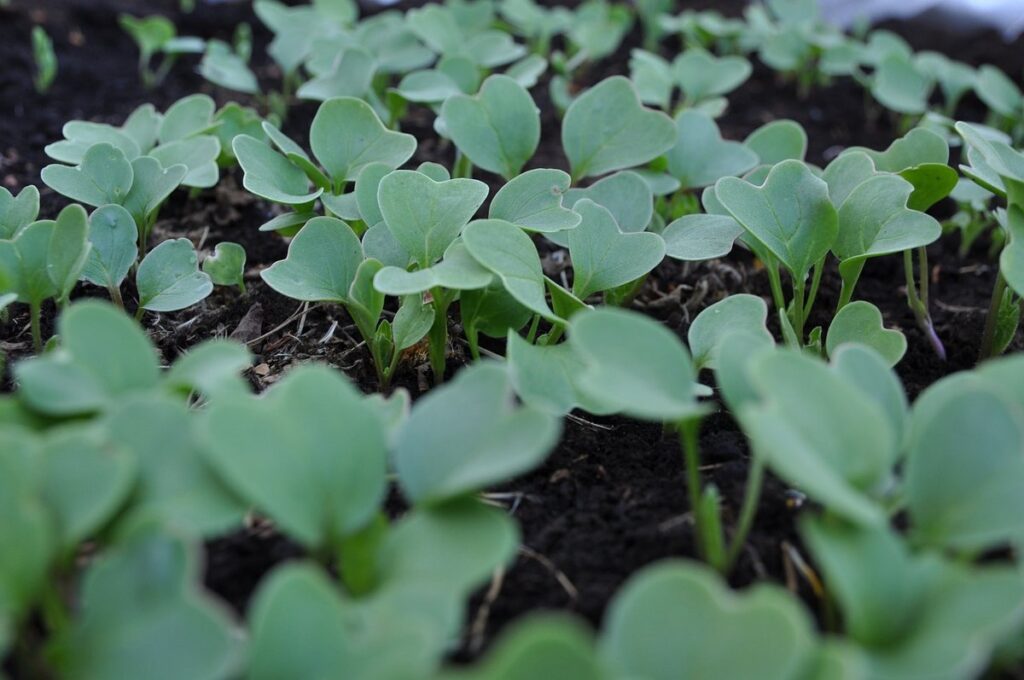
Understanding Radish Growth Cycles
To help you successfully grow radishes, it’s essential to understand their growth cycles and how they relate to planting times. This means considering factors like climate, soil quality, and specific varieties.
Identifying Radish Varieties and Their Growth Rates
Radish varieties offer a range of growth rates and characteristics that affect when you should plant them. The most common types are cherry radishes, white radishes, and black radises. Cherry radishes mature within 20-25 days of sowing, making them ideal for early spring or late summer planting in areas with mild winters. White radishes take around 30-40 days to harvest and do well in the cooler temperatures of spring or fall.
Black radises have a longer growth period, taking approximately 45-60 days to mature. They prefer warmer weather and are often planted in mid-to-late spring when the soil has warmed up. When choosing a variety, consider your climate, available space, and desired harvest time. If you’re planning an early start, cherry or white radishes are good options.
When growing radishes, keep in mind that they mature quickly and can be harvested at any stage of growth. This means you can plant multiple varieties with different maturation times to ensure a continuous supply throughout the growing season.
Recognizing Climate and Soil Conditions for Radish Growth
To ensure optimal radish growth, it’s essential to understand the ideal climate and soil conditions. Radishes thrive in temperate climates with moderate temperatures between 60°F and 70°F (15°C and 21°C). Avoid planting radishes in areas with extreme heat or cold, as this can lead to bolting or poor root development.
In terms of sunlight, radishes require full sun to partial shade. Aim for at least six hours of direct sunlight per day to promote healthy growth. When it comes to moisture, radishes need consistent but not excessive water supply. The ideal soil pH range is between 6.0 and 7.0, slightly acidic to neutral.
To determine the best time to plant radishes in your area, consider the local climate. In regions with cool winters, spring or early summer is an excellent time to plant radishes. For warmer climates, fall or late winter planting can be more successful. Before planting, test your soil and amend it if necessary to achieve the ideal pH range. By understanding these climate and soil conditions, you’ll be able to provide your radish crop with the best possible start.
Planting Radishes at the Right Time
When planting radishes, timing is crucial for optimal growth and flavor. This section will walk you through the best times to plant radishes in your garden, depending on your location and climate.
Spring Planting: Preparing Soils and Timing for Optimal Growth
As we transition into spring, it’s essential to prepare our soils for radish planting. The optimal time to plant radishes in spring depends on the climate and region you’re in. In temperate climates, aim to plant radishes 4-6 weeks before the last frost date. This allows them to mature before the heat of summer sets in.
To ensure optimal growth, prepare your soil by loosening it to a depth of 8-10 inches. Radishes prefer well-draining, sandy soils with a pH between 6.5 and 7.0. If your soil is heavy clay or prone to waterlogging, amend it with compost or organic matter to improve drainage.
Timing is crucial for spring planting. Plant radish seeds when the soil temperature reaches around 40°F (4°C). Sow them in rows about 1-2 inches deep and 1 inch apart. Keep the soil consistently moist during this period, but avoid overwatering, which can lead to root rot. By following these guidelines, you’ll be well on your way to growing delicious radishes in the spring season.
Summer Planting: Avoiding Heat Stress and Pests
Summer planting can be challenging for radishes, especially when it comes to heat stress and pest management. As temperatures rise, radish plants become more susceptible to heat stress, which can lead to slowed growth, yellowing leaves, and reduced yields. One of the main reasons for this is that radishes are a cool-season crop, thriving in temperatures between 60°F to 70°F (15°C to 21°C). When temperatures exceed 80°F (27°C), radish plants can become stressed, resulting in weakened immune systems and increased susceptibility to pests.
To avoid heat stress, it’s essential to choose a variety that is specifically bred for warm weather or summer planting. Look for varieties like ‘Cherry Belle’ or ‘White Icicle’, which are known to perform well in temperatures up to 90°F (32°C). Additionally, make sure to plant radishes in the early morning or late evening when temperatures are cooler, and avoid direct sunlight during the hottest part of the day.
Choosing the Right Month for Radish Harvest
When planting radishes, timing is everything – knowing when to harvest them is crucial for optimal flavor and texture. This month-by-month guide will help you choose the perfect time for a successful radish harvest.
Autumn Planting for a Winter Harvest
Autumn planting offers a unique opportunity for radish enthusiasts to enjoy a winter harvest. By sowing radish seeds in late summer or early fall, you can reap the benefits of a prolonged growing season. To prepare soils for autumn planting, it’s essential to incorporate organic matter like compost or manure to improve drainage and fertility.
As temperatures drop, pests like cabbage moths and flea beetles may become more prevalent. To manage these issues, adopt integrated pest management (IPM) strategies. Use row covers to prevent insects from reaching your crops, and introduce beneficial insects like ladybugs or lacewings to control pest populations naturally.
Timing is crucial for autumn planting. In regions with mild winters, sow radish seeds 8-10 weeks before the first frost date. For areas with harsher winters, consider sowing in late summer (around August or September) to give plants a head start on the growing season. By planning ahead and taking these steps, you can enjoy a winter harvest of crisp, delicious radishes.
Year-Round Harvest: Using Row Covers and Greenhouses
If you’re looking to enjoy radish harvests throughout the year, there are alternative methods you can use. Row covers and greenhouses are two such options that allow for extended harvest periods.
Row covers work by trapping heat and preventing pests from reaching your plants. These lightweight fabrics can be easily draped over raised beds or even individual plants, providing a microclimate that promotes healthy growth. The benefits of using row covers include increased yields and reduced pest damage.
Greenhouses offer an even more controlled environment for radish cultivation. With the ability to regulate temperature, humidity, and light levels, greenhouses provide optimal conditions for radishes to thrive year-round. They also protect plants from harsh weather conditions and pests that can harm your crop.
To make the most of row covers or greenhouses, ensure they are designed specifically for plant growth and not just providing shade. Consider factors like ventilation, temperature control, and pest management when setting up either system.
Factors Influencing Radish Planting Times
When deciding when to plant radishes, several key factors come into play that can affect their growth and success. Let’s explore these influencing elements in more detail.
Temperature Extremes: Freezing Temperatures and Heatwaves
Radish plants are highly sensitive to temperature fluctuations, and extreme temperatures can either hinder or accelerate growth. When it comes to planting radishes, understanding the impact of temperature extremes is crucial for a successful harvest.
Freezing temperatures can be detrimental to radish plants. If the soil temperature drops below 40°F (4°C), radishes will begin to bolt, leading to a reduced yield and poor quality roots. In regions with occasional frost, it’s essential to monitor weather forecasts closely before planting. For instance, in areas like the Pacific Northwest, where spring frosts are common, wait until the soil temperature has warmed up significantly before sowing.
On the other hand, heatwaves can also be challenging for radishes. When temperatures exceed 85°F (30°C), growth may slow down, and the plants become more susceptible to pests and diseases. In regions with intense summer heat, consider planting radishes in cooler parts of the day or using shade cloth to provide some relief.
To protect your radish plants from extreme temperatures, ensure you choose a variety that is suitable for your region’s climate. Some radish varieties are bred specifically for their ability to tolerate heat or cold stress. By selecting an adaptable variety and monitoring temperature fluctuations, you can minimize the impact of temperature extremes on your radish crop.
In regions with unpredictable weather patterns, it’s best to stagger plantings over a period of weeks or even months to ensure that some plants will be in different growth stages when extreme temperatures occur. This strategy allows for more flexibility and reduces the risk of crop loss due to unforeseen temperature fluctuations.
Moisture Levels: Drought Tolerance and Watering Strategies
Radish plants require consistent moisture levels to grow well. During hot weather, radishes need about 1-2 inches of water per week either through rainfall or irrigation. Drought can cause the plant’s growth to slow down and even lead to bolting, which reduces its edibility.
To ensure proper moisture levels, it is crucial to understand drought tolerance in radish varieties. Some types are bred specifically for hot climates and can tolerate longer periods without water. For instance, Cherry Belle radishes are more resistant to heat stress compared to White Icicle radishes.
In terms of watering strategies, it’s essential to avoid overwatering, which can lead to root rot and other problems. A good approach is to use a drip irrigation system or soaker hose that delivers water directly to the roots. This method reduces evaporation and runoff while ensuring the plant receives just the right amount of moisture.
Planting Radishes in Containers and Small Spaces
If you’re short on garden space, don’t worry – radishes are easy to grow in containers and small spaces. Learn how to plant them successfully indoors.
Microgreens and Salad Mixes: A Guide to Growing Radishes Indoors
Growing radishes indoors is an excellent way to have a continuous supply of fresh greens throughout the year. To start growing microgreens or salad mixes using radish seeds, you’ll need a container with good drainage and a shallow depth of about 1-2 inches. This allows for optimal root development and prevents the roots from becoming too long.
For microgreens, use a tray or container that is around 4-6 inches wide and 12-18 inches long. Fill it with a mix specifically designed for seed starting or microgreens. Sow radish seeds directly on top of the growing medium about 1/8 inch deep. Keep the soil consistently moist but not waterlogged, as this can lead to mold and root rot.
Radishes require bright light, typically between 12-14 hours per day, to promote healthy growth. If you’re using LED grow lights, position them around 6 inches above the tray to prevent overheating. Alternatively, place your microgreen container on a sunny windowsill with indirect sunlight. Keep in mind that radish microgreens are relatively fast-growing and can be ready for harvest within 7-10 days of sowing.
Vertical Gardening: Maximizing Space with Radish Varieties
When it comes to growing radishes in small spaces, vertical gardening is an excellent option. By using trellises or wall-mounted planters, you can maximize your space and enjoy a bountiful harvest. For instance, you can train radish varieties like ‘French Breakfast’ or ‘Cherry Belle’ to grow up a trellis, allowing them to make the most of their vertical space.
Another great option is using wall-mounted planters. These are perfect for small balconies or patios and can add a touch of elegance to your outdoor space. Look for varieties like ‘White Icicle’ or ‘Black Spanish’, which have a compact growth habit and won’t take up too much room. Simply attach the planter to a wall, fill it with a good quality potting mix, and plant your radish seeds.
When using trellises or wall-mounted planters, make sure to provide adequate support for the plants as they grow. You can also consider using self-watering planters or a drip irrigation system to conserve water and reduce maintenance. With these creative solutions, you’ll be enjoying fresh homegrown radishes in no time!
Troubleshooting Common Radish Planting Issues
If you’re experiencing problems with your radish plants, don’t worry – we’ve got solutions. This section will help you troubleshoot common issues that can arise when planting radishes.
Common Mistakes to Avoid When Planting Radishes
Planting radishes can be a straightforward process, but some common mistakes can lead to stunted growth or poor yields. One of the primary issues is poor soil quality. Radishes prefer well-draining, loose soil with a pH between 6.5 and 7.0. However, if your soil lacks essential nutrients or has a high salt content, it may not provide the necessary conditions for radish growth. For example, radishes grown in clay-heavy soil may develop root rot due to waterlogged conditions.
Another critical aspect is watering. Underwatering can cause the roots to become bitter and unpalatable, while overwatering can lead to fungal diseases and reduced yields. To avoid this, it’s essential to maintain a consistent moisture level throughout the growth period. Aim for about 1-2 inches of water per week, either through rainfall or irrigation. Additionally, avoid planting radishes in areas with poor air circulation, as this can increase the risk of powdery mildew and other fungal diseases. By being mindful of these common mistakes, you can create an optimal environment for your radish crop to thrive.
Solutions for Addressing Pests and Diseases in Radish Plants
Radish plants are susceptible to various pests and diseases that can significantly impact their growth and yield. As an avid radish grower, it’s essential to identify common issues and implement effective control methods to ensure a healthy crop.
Pests like aphids, slugs, and snails can cause significant damage to radishes. To manage these pests, consider using organic control methods such as introducing beneficial insects (e.g., ladybugs or lacewings) that prey on the pests. You can also use neem oil or insecticidal soap to repel them.
Diseases like powdery mildew and root rot are prevalent in radish crops. To prevent these diseases, maintain good air circulation around your plants, and ensure they receive adequate water without overwatering. Use fungicides as a last resort, opting for organic options whenever possible. Some effective methods include sprinkling baking soda or sulfur powder on the affected areas to control fungal growth.
Regular monitoring of your radish crop will help you catch any issues early on. By implementing these simple yet effective control measures, you can enjoy a thriving and pest-free radish harvest.
Tips for Extending the Radish Harvest Period
If you’re looking to get multiple harvests from your radish crop, we’ve got some expert tips to share on how to extend its growing season and keep it fresh for longer.
Crop Rotation and Companion Planting Strategies
Crop rotation and companion planting are two essential strategies for extending the radish harvest period. By implementing these techniques, you can not only prolong the life of your radish crop but also improve its overall health and productivity.
One key aspect of crop rotation is to ensure that radishes are planted in a different location each season to avoid depleting the soil of nutrients. For example, if you planted radishes in a particular spot last spring, it’s best to plant something else like leafy greens or herbs in that area for the summer. This not only replenishes the soil but also reduces the risk of pests and diseases that may have accumulated from previous radish crops.
Companion planting is another technique worth exploring. Certain plants like calendula, nasturtiums, and marigolds are known to repel nematodes, a common pest that can devastate radish crops. By interplanting these beneficial companions with your radishes, you can reduce the need for pesticides and create a healthier environment for your crop.
Consider planting radishes alongside other fast-growing vegetables like lettuce or spinach to improve their growth rates and yields. These combinations not only make for a beautiful garden bed but also promote beneficial microorganisms in the soil, leading to stronger, more resilient plants.
Preserving Radishes: Storage Methods for Maximizing Shelf Life
Once you’ve harvested your radish crop, it’s essential to store them properly to maximize their shelf life. Radishes are a cool-season crop and can be sensitive to heat, moisture, and light, which can cause them to spoil quickly.
To preserve radishes, you’ll want to store them in a cool, dry place with good ventilation. Here are some storage methods you can try:
* Store radishes in the refrigerator at a consistent temperature between 32°F (0°C) and 40°F (4°C). They can be stored for up to two weeks this way.
* If you want to store radishes for longer, consider storing them in a root cellar or basement with high humidity. The ideal storage temperature is around 35°F (2°C).
* You can also store radishes in a sealed container or plastic bag in the refrigerator. This will help maintain moisture and keep them fresh.
* Another option is to pickle radishes. Slice them thinly, combine with a brine made from water, vinegar, salt, and spices, and let them ferment for several days. Pickled radishes can be stored in an airtight container in the fridge for up to six months.
Remember to check on your stored radishes regularly to ensure they’re not developing off-flavors or mold. With proper storage, you can enjoy your radish harvest for weeks to come!
Frequently Asked Questions
What are the ideal soil conditions for growing radishes?
Radishes prefer well-draining, loose soil with a pH between 6.0 and 7.0. If your soil is heavy clay or sandy, mix in some organic matter like compost to improve its structure and fertility. Make sure the soil is not waterlogged, as this can lead to rot and other problems.
How do I know if my radish crop is affected by heat stress?
Yes, excessive heat can cause radishes to bolt (go to seed) or become discolored. Monitor your plants closely during periods of high temperature, especially above 85°F (30°C). Provide shade using row covers, umbrellas, or other shading methods to protect them.
Can I grow radishes in containers and small spaces?
Yes, radishes can thrive in containers as long as they have good drainage and adequate sunlight. Use a container with at least 6-8 inches of depth and a mix specifically designed for containers. Radish varieties like cherry or French breakfast are ideal for small spaces.
What’s the best way to store harvested radishes?
Store freshly harvested radishes in a cool, dry place with good ventilation. You can also refrigerate them in an open container to maintain humidity and prevent moisture buildup. To preserve radishes longer, consider freezing or pickling them.
How do I address pests and diseases affecting my radish crop?
Common pests like aphids, slugs, and snails can damage radishes. Regularly inspect your plants for signs of infestation, and use organic methods like neem oil or soap solution to control them. For diseases like fungal infections, remove affected areas and treat the remaining plants with fungicides or by improving air circulation and drainage.