
When it comes to growing your own lettuce, timing is everything. The ideal planting time for lettuce can make all the difference between a bumper crop and a disappointing harvest. But with so many variables at play – climate, region, variety, and more – it’s hard to know when to plant.
In this article, we’ll help you determine the perfect moment to sow your lettuce seeds, taking into account your local weather patterns and soil conditions. We’ll explore how different climates and regions affect lettuce growth, as well as the unique needs of various varieties. By the end of this guide, you’ll have a clear understanding of when to plant lettuce in your area for optimal results – from crisp, fresh harvests to year-round production with minimal effort.
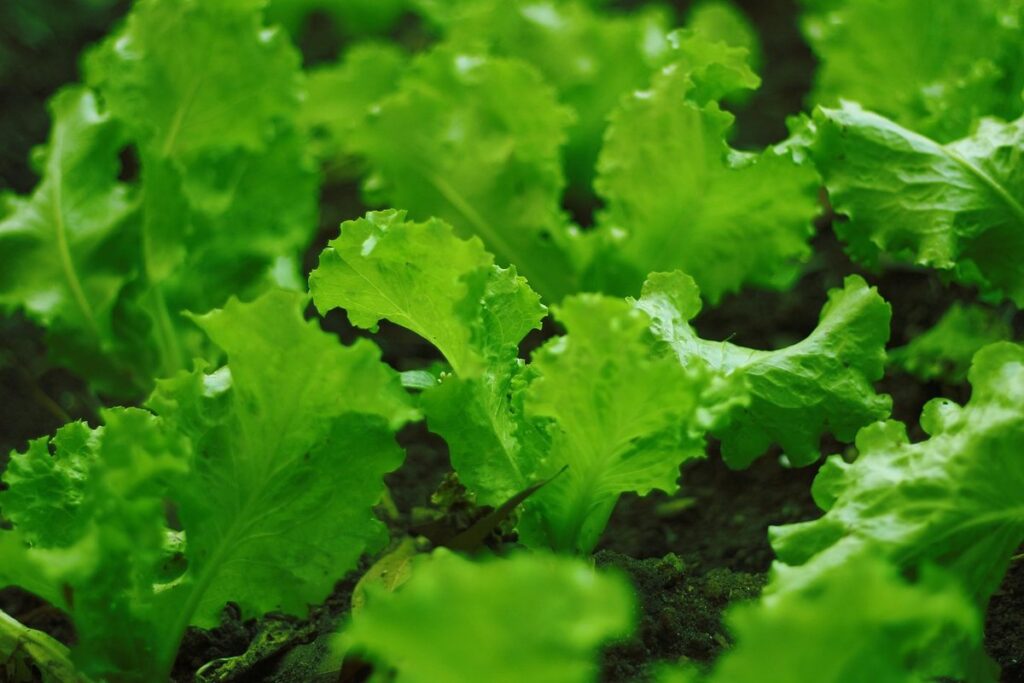
Understanding Lettuce Growth Cycles
To grow delicious and healthy lettuce, it’s essential to understand its growth cycles, which can vary greatly depending on factors such as climate and variety.
Types of Lettuce and Their Growth Habits
Lettuce comes in various types, each with its unique growth habits that affect planting times. There are primarily three main categories: head lettuce, leaf lettuce, and romaine lettuce.
Head lettuce varieties, such as ‘Romaine’ and ‘Buttercrunch’, grow compactly to form a dense head at the center of the plant. These types require consistent moisture and cooler temperatures to prevent bolting. They typically mature in 40-60 days and are ideal for spring or early fall planting.
Leaf lettuce varieties, including loose-leaf and red leaf lettuce, produce continuous leaves throughout their growth period. These types prefer milder weather and can tolerate some heat but may bolt if exposed to extreme temperature fluctuations. Leaf lettuce matures in as little as 20-40 days, making it suitable for year-round planting.
Romaine lettuce is a hybrid of head lettuce that grows upright with a loose leaf structure. It prefers cooler temperatures and consistent moisture, similar to head lettuce varieties, but matures slightly faster, taking around 30-50 days to harvest.
Climate and Region Considerations
When planting lettuce, it’s essential to consider the climate and region you’re in. Temperature requirements play a crucial role in determining when to plant lettuce. Lettuce grows best in temperatures between 40°F (4°C) and 70°F (21°C). Above 80°F (27°C), lettuce becomes stressed, and below 25°F (-4°C), it’s susceptible to frost damage.
Frost dates are critical for gardeners living in areas with cold winters. You can check your local frost dates by consulting a weather service website or app. In regions with mild winters, you may be able to grow lettuce year-round, but in areas with harsh winters, it’s best to plant lettuce as soon as the soil can be worked in spring.
In warmer climates, consider planting heat-tolerant varieties like romaine or buttercrunch. For cooler regions, focus on loose-leaf and baby greens that mature quickly. Seasonal considerations also come into play – for example, in regions with hot summers, avoid planting lettuce during peak summer months when temperatures often soar above 90°F (32°C).
Choosing the Right Variety for Your Needs
With so many lettuce varieties to choose from, selecting the right one can be overwhelming. Let’s break down the key factors to consider in your variety selection.
Selecting Lettuce Varieties for Specific Growing Conditions
Selecting the right lettuce variety is crucial to ensure it thrives in your specific climate and environment. Different types of lettuce are bred to perform optimally under various conditions, such as high temperatures, low nitrogen levels, or unique soil types.
When growing in hot climates, look for varieties like ‘Summer Crisp’, ‘Oak Leaf’, or ‘Red Leaf’ that can tolerate heat up to 90°F (32°C). These varieties have a lower water content and a more compact growth habit, making them less prone to bolting. On the other hand, if you’re growing in cooler temperatures, consider ‘Buttercrunch’, ‘Rouge d’Hiver’, or ‘Lolla Rosa’ for their ability to grow well in temperatures as low as 40°F (4°C).
In areas with low nitrogen levels, choose varieties like ‘Green Oak Leaf’ or ‘Red Sails’ that can thrive on minimal fertilizer inputs. Some lettuce varieties are also bred specifically for container growing or hydroponics, where space and nutrient management are limited.
When selecting a variety, consider the specific challenges your garden faces, and look for traits that match those needs. Research different options online, read reviews from fellow growers, and don’t hesitate to ask for advice at your local nursery or gardening store.
Considerations for Organic and Conventional Farming Methods
When choosing a lettuce variety, it’s essential to consider whether you’ll be using organic or conventional farming methods. This decision will impact not only your yield but also the nutritional value and flavor of your crop. Organic farming methods rely on natural pest control and fertilizers, whereas conventional farming often employs synthetic pesticides and fertilizers.
If you’re using organic farming practices, look for lettuce varieties that are resistant to common pests like aphids and slugs. Some popular organic options include loose-leaf lettuces like ‘Red Salad Bowl’ or ‘Green Oak Leaf’. These varieties tend to be more robust and better equipped to handle the challenges of an organic growing environment.
Conversely, if you’re using conventional farming methods, you may have more flexibility in terms of pest control and fertilizers. In this case, consider lettuce varieties that are bred for high yields and disease resistance, such as ‘Rouge d’Hiver’ or ‘Buttercrunch’. These varieties will thrive in a more controlled environment with access to synthetic inputs.
Ultimately, the key is to choose a variety that aligns with your specific needs and farming practices. This will ensure the best possible outcome for your lettuce crop, whether you’re growing it organically or conventionally.
Preparing the Soil for Lettuce Planting
Before planting lettuce, it’s essential to prepare your soil by loosening and aerating it to a depth of 8-10 inches. This will give your roots room to grow freely.
Testing and Amending Your Soil
Before planting lettuce, it’s essential to test and amend your soil to ensure optimal growing conditions. Lettuce requires a well-balanced pH level between 6.0 and 7.0, and an adequate supply of nutrients like nitrogen, phosphorus, and potassium.
Testing your soil is relatively easy and inexpensive. You can purchase a DIY soil testing kit or send a sample to a laboratory for analysis. This will give you information on the pH level, nutrient content, and any potential contaminants.
If your test results indicate low levels of essential nutrients, it’s time to amend your soil. Organic matter like compost or well-rotted manure can help improve soil structure and fertility. You can also add specific fertilizers like nitrogen-rich fish emulsion or phosphorus-rich bone meal.
For example, if your pH level is too high, adding elemental sulfur can help lower it. If your soil lacks nitrogen, a light application of compost tea can provide an instant boost. The key is to make adjustments gradually and monitor the results to avoid over-fertilizing. By testing and amending your soil, you’ll create an ideal environment for your lettuce crop to thrive.
Creating a Suitable Lettuce Bed Environment
To create an ideal environment for lettuce growth, it’s essential to consider three critical factors: sunlight, water, and nutrient requirements. Lettuce needs at least 4-6 hours of direct sunlight per day, but be mindful that excessive heat can lead to bitter flavors. Choose a spot with partial shade during the hottest part of the day or provide some morning sun and afternoon shade.
Adequate water supply is also crucial for lettuce growth. Aim to keep the soil consistently moist, especially when plants are young. However, overwatering can cause roots to rot, leading to poor growth and increased susceptibility to diseases. To avoid this, ensure the top 1-2 inches of soil remains dry between waterings.
In terms of nutrient requirements, lettuce is a light feeder that thrives in well-draining, loose soils with a pH between 6.0 and 7.0. Add compost or well-rotted manure to improve soil structure and fertility. If your soil lacks organic matter, mix in a balanced fertilizer according to the manufacturer’s instructions. By attending to these factors, you’ll be well on your way to creating an environment that promotes healthy lettuce growth.
Timing Planting for Optimal Harvest
To get the most out of your lettuce crop, you need to plant it at just the right time. Let’s dive into when and how to plant lettuce for a bountiful harvest.
Determining the Last Frost Date in Your Region
Knowing your last frost date is crucial when it comes to planting lettuce outside. This date varies depending on your region and climate, but it’s essential to understand its impact on your lettuce crop. In areas with late frosts, waiting too long to plant can result in damaged or even killed plants.
To determine your last frost date, consult a reliable weather source or your local nursery. They can provide you with the average last frost date for your specific region. You can also check online resources like the USDA Plant Hardiness Zone Map or apps like Frost Damage. These tools will give you an idea of the average temperature fluctuations in your area.
Keep in mind that even if your area has not experienced a late frost, it’s still essential to be prepared. Check the 10-year climate normals for your region to get a better understanding of the typical weather patterns. This knowledge will help you make informed decisions about when to plant lettuce outside and ensure a healthy crop.
Starting Lettuce Seeds Indoors or Directly in the Garden
Starting lettuce seeds indoors or directly in the garden is a crucial decision that can impact their growth and yield. While both methods have their advantages, it’s essential to consider the timing of planting.
Starting lettuce seeds indoors allows for a head start on the growing season, giving them an approximate 4-6 week advantage over direct sowing. This method is ideal for cooler climates or when the risk of frost is high. You can begin sowing lettuce seeds indoors about 2-3 weeks before the last frost date in your area. Keep the soil warm (around 70°F to 80°F) and provide sufficient light, either through grow lights or a sunny windowsill.
Directly sowing lettuce seeds in the garden has its benefits as well. It eliminates the need for indoor space, reduces transplant shock, and allows the lettuce plants to develop their taproot more efficiently. However, it’s essential to wait until the soil has warmed up and the risk of frost has passed. In most regions, this is around late spring or early summer.
Ultimately, both methods can be successful with proper timing. If you do choose to start your lettuce seeds indoors, make sure to harden them off before transplanting them outside. This process involves gradually exposing the seedlings to outdoor conditions over the course of 7-10 days to prevent shock. By considering these factors and adjusting your planting schedule accordingly, you can ensure a bountiful harvest of crisp, delicious lettuce all season long.
Managing Lettuce Pests and Diseases
As you tend to your lettuce crop, common pests and diseases can quickly wreak havoc on its health – let’s discuss how to manage these issues effectively.
Common Pests Affecting Lettuce Crops
Lettuce crops are susceptible to various pests that can cause significant damage if left unmanaged. As you carefully plan when to plant lettuce, it’s essential to be aware of the common pests that may affect your crop. One of the most notorious pests is the aphid, a small, soft-bodied insect that feeds on the sap of lettuce leaves. Aphids can multiply quickly, and their sticky honeydew secretion can attract ants and promote the growth of sooty mold.
Slugs and snails are also common pests that target lettuce crops, especially in moist environments. These mollusks feed on the tender leaves, leaving behind a trail of slime and holes. To manage these pests, consider using copper tape around plant stems or crushed eggshells to deter them from climbing up. Regularly inspect your crop, and remove any infested leaves to prevent the problem from spreading.
In addition to aphids and slugs/snails, keep an eye out for caterpillars, whiteflies, and leafminers, which can also cause damage to your lettuce crop.
Strategies for Preventing and Controlling Disease
Preventing and controlling diseases is crucial to maintaining healthy lettuce crops. One effective strategy is crop rotation, which involves changing the location of your lettuce plants from one season to another. This practice breaks disease cycles and reduces soil-borne pathogens that can affect lettuce. For instance, if you plant lettuce in a plot where tomatoes were grown previously, there’s a higher risk of fungal diseases like powdery mildew or downy mildew transferring to the new crop.
To maintain sanitation, remove any infected leaves from the crop regularly, and disinfect tools after handling the plants. It’s also essential to avoid overwatering, which can lead to root rot and other issues. Organic pest control methods include using neem oil or insecticidal soap to combat aphids and other pests that can spread disease.
You should also ensure good air circulation around your lettuce plants by spacing them out evenly and providing adequate support for the leaves. This will help prevent moisture from accumulating, which is a breeding ground for many pathogens. By incorporating these strategies into your growing routine, you’ll significantly reduce the risk of disease and enjoy healthier, more productive lettuce crops.
Harvesting and Storage Tips
Once you’ve successfully harvested your lettuce crop, it’s essential to store it properly to preserve its freshness for as long as possible. Here are some expert tips on how to keep your lettuces crisp and delicious.
Knowing When to Harvest Your Lettuce Crop
Determining when your lettuce crop is ready to harvest requires attention to its size, color, and texture. As a general rule, loose-leaf lettuce varieties are typically harvested when they reach 4-6 inches in diameter, while romaine and head lettuce types are ready when the inner leaves are about 70% of their full size.
Check for color as well – some lettuce varieties will develop a deeper green or red tint as they mature. For example, if you’re growing red leaf lettuce, it’s likely ready to harvest when the leaves have a deep reddish-purple hue.
In terms of texture, avoid pulling up your lettuce plants when the leaves are still young and tender. Instead, wait until they reach a slightly firmer consistency, which is usually indicative of full maturity. To test this, gently lift one of the larger leaves; if it resists being pulled out of its stem, it’s ready to harvest.
Storing and Preserving Lettuce for Maximum Shelf Life
Proper storage is crucial to maintaining lettuce’s crisp texture and fresh flavor. When it comes to maximizing shelf life, several techniques can be employed. Refrigeration is the most common method for storing lettuce. To extend its shelf life, store it in a sealed container or plastic bag with a paper towel to absorb excess moisture. Keep it away from strong-smelling foods, as lettuce absorbs odors easily.
For longer-term storage, consider freezing or dehydrating your lettuce harvest. Freezing prevents spoilage by stopping the growth of bacteria and enzymes that cause decay. Simply chop the leaves, blanch them in boiling water for 2-3 minutes, and then freeze them in airtight containers or freezer bags. Dehydrating removes moisture, making it difficult for mold to grow. Use a food dehydrator or your oven on the lowest temperature setting (150°F – 200°F) for 1-2 hours.
When using frozen or dried lettuce, rehydrate by soaking it in cold water or reconstituting with broth.
Frequently Asked Questions
What if I live in an area with a short growing season? Can I still grow lettuce?
If you live in an area with a short growing season, focus on varieties that mature quickly (around 20-40 days). These include loose-leaf and buttercrunch types. You can also consider growing in containers indoors or using a cold frame to extend the growing season.
How often should I water my lettuce plants during hot weather?
Lettuce requires consistent moisture, especially when grown in warm temperatures. Water your lettuce deeply once or twice a week, depending on soil type and weather conditions. Avoid overhead watering to prevent fungal diseases.
What’s the best way to prevent bolting in head lettuce varieties?
To prevent bolting in head lettuce varieties, provide them with cooler temperatures (around 60-70°F) and consistent moisture. You can also try providing partial shade during the hottest part of the day.
Can I plant lettuce in areas with poor soil? How do I prepare it for optimal growth?
Yes, you can grow lettuce in poor soil. First, test your soil pH and amend it if necessary (lettuce prefers a slightly acidic to neutral soil pH). Add organic matter like compost or well-rotted manure to improve soil structure and fertility.
What’s the ideal temperature range for direct sowing lettuce seeds?
The ideal temperature range for direct sowing lettuce seeds is between 40°F and 70°F. Sow seeds when the soil has warmed up, but avoid extreme temperatures that can cause bolting or other problems.