
Are you ready to spice up your garden with fresh dill? Planting dill seeds at the right time is crucial for optimal growth, and that’s exactly what we’re going to dive into. Whether you’re a seasoned gardener or just starting out, understanding when to plant dill seeds indoors and outdoors can make all the difference in your harvest.
The climate, hardiness zone, and weather conditions in your area play a significant role in determining the perfect time for planting dill seeds. Too early or too late, and you might end up with disappointing results. But don’t worry, we’ve got you covered! In this article, we’ll explore the ideal times to plant dill seeds indoors and outdoors, taking into account your specific climate and region. By the end of it, you’ll be equipped with all the knowledge needed to grow healthy and thriving dill plants in your garden.
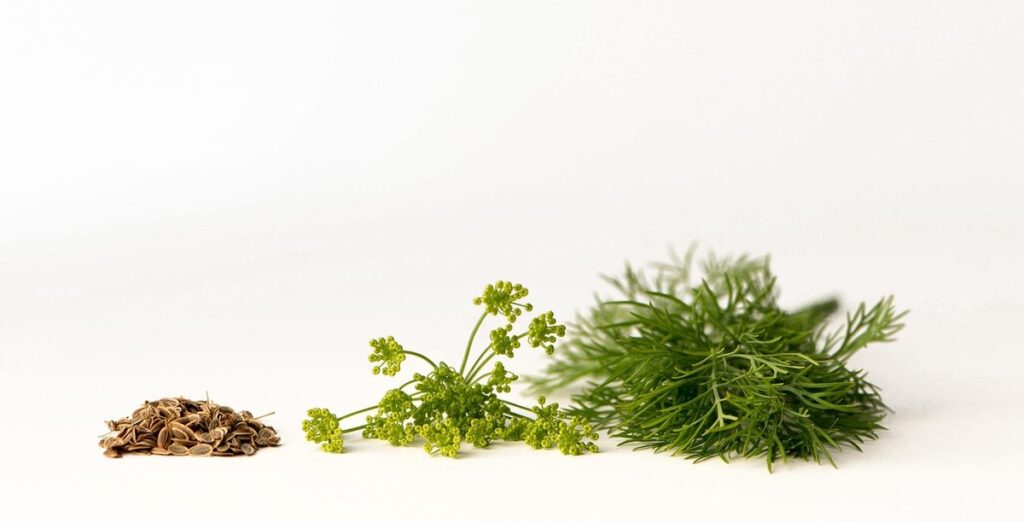
Understanding Dill’s Growing Cycle
Dill is a warm-season crop that thrives when given the right conditions, and understanding its growth cycle is essential to ensure successful germination and harvesting. Let’s take a closer look at how dill grows.
Determining Your Hardiness Zone
Understanding your hardiness zone is crucial when it comes to planting dill seeds. These zones determine the average annual extreme minimum temperature of a specific area, which directly impacts the success of your dill crop. If you live in an area with a harsh winter, you’ll want to choose a variety that’s resistant to cold temperatures or wait until the last frost date has passed before sowing.
To find out what hardiness zone you reside in, consult this USDA map or chart: [insert link/map]. It will help you determine your region’s specific zone. For example, if you live in zone 5, you’ll need to plant dill seeds after the last frost date, usually around late May or early June.
Keep in mind that even within zones, there can be variations depending on your location’s microclimate. Take note of your local weather patterns and adjust accordingly. Some areas may experience warmer winters or earlier springs, which can affect the ideal planting time for dill seeds.
Climate Considerations for Dill Growth
When it comes to growing dill, climate considerations play a crucial role. Dill is a warm-season crop that thrives in temperatures between 65°F and 95°F (18°C and 35°C). If the temperature drops below 55°F (13°C), dill growth slows down significantly. In areas with frost, it’s essential to wait until the last frost date has passed before planting.
Dill also requires at least six hours of direct sunlight per day, making it ideal for spots that receive full sun. Be mindful of your location’s rainfall patterns – dill prefers well-draining soil and can be susceptible to root rot if waterlogged. If you’re in an area with heavy rainfall, consider raised beds or containers with good drainage.
To plant dill seeds at the right time, check the average temperature for your region on the first day of spring. Wait until the soil has warmed up sufficiently before sowing seeds about 1/4 inch deep and 1-2 inches apart. Keep in mind that dill is a fast-growing crop and can bolt (go to seed) quickly if exposed to stress or high temperatures.
Planting Dill Seeds Indoors vs. Outdoors
When it comes to planting dill seeds, one of the most important decisions is where to put them: indoors or out? Let’s weigh the pros and cons of each option.
Starting Dill Seeds Indoors 6-8 Weeks Before Last Frost
Starting dill seeds indoors 6-8 weeks before the last frost date is an excellent way to get a head start on the growing season. To do this successfully, you’ll need to provide your seeds with the right conditions for growth.
Begin by filling small pots or seed trays with a well-draining seed starting mix. Sow the dill seeds about 1/8 inch deep and 1-2 inches apart. Cover the seeds with a thin layer of the mix. Water gently but thoroughly, making sure not to overwater.
Provide your seeds with adequate light, as dill requires a long day to grow well. Place them near a sunny window or under grow lights that are set to provide at least 12-14 hours of light per day. Keep the soil consistently moist during this period, but make sure it’s not waterlogged.
To promote healthy growth, maintain a temperature between 65-75°F (18-24°C). This will help prevent fungal diseases and other problems associated with poor growing conditions. Once your seedlings have two sets of leaves, you can transplant them into larger containers or directly into the garden when the weather permits.
Sowing Dill Seeds Directly in the Garden After Last Frost
Direct sowing dill seeds into well-prepared garden beds after the last frost date is a great way to get a head start on the growing season. To do this successfully, it’s essential to prepare the soil properly beforehand. Dill prefers well-draining, fertile soil with a pH between 6.0 and 7.0.
When selecting a spot for direct sowing, choose an area that receives full sun (at least six hours of direct sunlight) and has good air circulation. This will help prevent disease and promote healthy growth. Loosen the soil to a depth of about 12 inches using a garden fork or spade, then rake it smooth to create a fine tilth.
Sow dill seeds directly into the bed when the soil can be worked in the spring, after the last frost date has passed. Plant them about ¼ inch deep and 1-2 inches apart. Keep the soil consistently moist during the first few weeks after sowing. Water gently but thoroughly, taking care not to wash away the delicate seeds.
As dill grows, it will require minimal maintenance beyond occasional watering and weeding. With proper care, you can expect a bountiful harvest of fresh dill in as little as 6-8 weeks.
Regional Planting Guides for Dill
Dill seeds thrive in different regions, so let’s take a look at how to plant them successfully across various climates and zones. From warm weather to cooler temperatures, we’ve got you covered!
Spring Planting Guide for Northern Regions (USDA Zones 3-5)
In USDA Zones 3-5, spring planting for dill seeds requires careful planning to ensure successful germination and growth. Typically, you can begin sowing dill seeds outdoors when the soil has warmed up to at least 55°F (13°C). This usually occurs around late April or early May in these cooler climates.
Keep in mind that frosts are still possible even in late spring, so be prepared to provide protection for your seedlings. A good rule of thumb is to wait until the last frost date for your area before transplanting dill seeds outside. For example, if your area’s last frost date is May 15th, you can start sowing dill seeds about two weeks prior.
When direct-sowing in the garden, plant dill seeds about ¼ inch deep and 1-2 inches apart. Thin seedlings to 6-8 inches apart as they grow. If a late frost threatens your newly planted dill, consider using row covers or other protective measures to safeguard your crop. With proper care and timing, you should be able to enjoy a bountiful harvest of fresh dill in the northern regions of USDA Zones 3-5.
Summer Planting Guide for Southern Regions (USDA Zones 9-11)
In the Southern regions of the United States, where USDA Zones 9-11 prevail, dill can be grown year-round due to the mild winters and hot summers. When it comes to summer planting, it’s essential to time your dill seed sowing carefully to avoid the intense heat that can lead to bolting.
In these warm regions, direct sowing of dill seeds is usually done in late spring or early summer, around May or June. Sow seeds 1/4 inch deep and 2-3 inches apart in well-draining soil with full sun. Make sure the area receives at least six hours of direct sunlight to promote healthy growth.
To ensure a steady supply of dill throughout the summer, consider sowing new batches every few weeks. This will help replace mature plants that have finished flowering or bolted due to the heat. Keep in mind that dill is a warm-season crop and will thrive best when temperatures are consistently above 60°F (15°C).
Factors Influencing Dill Seed Germination
Dill seed germination is affected by several key factors that can either encourage or hinder its growth. Understanding these variables will help you optimize your dill planting schedule.
Soil pH and Nutrient Requirements
Dill seeds require specific soil conditions to germinate successfully. The ideal pH range for dill seed germination is between 6.0 and 7.0, which is slightly acidic to neutral. If the soil pH is too high (alkaline) or too low (acidic), it can hinder nutrient availability and affect germination.
For optimal growth, dill seeds need a balanced mix of essential nutrients. These include nitrogen (N), phosphorus (P), potassium (K), calcium (Ca), magnesium (Mg), sulfur (S), boron (B), copper (Cu), iron (Fe), manganese (Mn), and zinc (Zn). A well-balanced fertilizer with a ratio of 10-10-10 N-P-K will provide the necessary nutrients.
To create an ideal soil environment, test your soil pH and adjust it if necessary. Add organic matter like compost or manure to improve soil fertility and structure. You can also use a fertilizer specifically formulated for dill or herbs. For example, a balanced fertilizer with 5-10-5 N-P-K ratio is suitable for dill seed germination.
Remember that different regions may have varying soil types and nutrient levels. Be sure to consider local conditions when preparing your soil for dill seed germination.
Impact of Weather on Dill Seed Germination
Dill seed germination is highly susceptible to weather conditions, which can significantly impact the success of your dill crop. Rainfall patterns play a crucial role in this process. Dill seeds require consistent moisture during the germination phase, but excessive water can lead to poor drainage and root rot. On average, 1-2 inches of rainfall per week is ideal for optimal germination.
Temperature fluctuations are another critical factor affecting dill seed germination. Ideally, dill seeds germinate best in temperatures between 60°F to 85°F (15°C to 30°C). If the soil temperature drops below 50°F (10°C), the seeds may not germinate at all. Conversely, high temperatures above 90°F (32°C) can also hinder germination.
Sunlight exposure also affects dill seed germination rates. While dill plants generally prefer full sun, excessive direct sunlight can cause the seeds to dry out and prevent germination. Aim for a spot with partial shade during the hottest part of the day or provide a layer of mulch to maintain even soil moisture. By understanding these weather-related factors, you can take necessary precautions to ensure optimal dill seed germination rates.
Tips for Successful Dill Crop Establishment
To ensure a thriving dill crop, follow these essential tips that will give you a head start on establishing a healthy and productive garden. From soil preparation to sowing techniques, we’ve got you covered!
Avoiding Common Mistakes When Planting Dill Seeds
When sowing dill seeds, it’s easy to make mistakes that can hinder their growth. One common error is planting them too deeply. Dill seeds are relatively small and don’t need a lot of soil cover to germinate. In fact, if you plant them too deep, they may not get enough light to grow properly. Instead, sow them about 1/4 inch deep and 1-2 inches apart in well-draining soil.
Another mistake is planting dill seeds at the wrong time. Dill is a warm-season crop that thrives in temperatures between 65°F and 75°F (18°C and 24°C). Planting too early can lead to slow growth or even failure to germinate. On the other hand, waiting too long can mean missing the optimal harvest period. Check your local frost dates to determine when it’s safe to plant dill seeds in your area.
By avoiding these common mistakes, you’ll be well on your way to growing a healthy and productive dill crop. Remember to also provide adequate sunlight and water for optimal growth.
Encouraging Optimal Growth and Health
For optimal growth and health, dill plants require careful attention. When planting dill seeds, it’s essential to provide them with sufficient sunlight. Dill needs at least 6 hours of direct sunlight per day to thrive. If you’re planning to plant indoors, ensure that the area receives plenty of natural light or consider using grow lights.
Watering is also crucial for healthy growth. Dill requires consistent moisture, especially during its first few weeks after germination. Water your dill plants when the top inch of soil feels dry to the touch. However, be cautious not to overwater, as this can lead to root rot and other issues.
To control pests and diseases, use organic methods whenever possible. Keep an eye out for aphids, whiteflies, and spider mites, which are common dill pests. Regularly inspect your plants and treat any infestations promptly. Additionally, ensure good air circulation around your plants to prevent fungal diseases from taking hold.
Frequently Asked Questions
Can I plant dill seeds indoors if my home doesn’t have a sunny windowsill?
Yes, you can use grow lights to provide the necessary sunlight for your indoor dill plants. This is especially helpful during the winter months or when outdoor conditions are unfavorable. Make sure to adjust the lighting schedule according to the plant’s growth stage and the amount of light it receives.
How do I know if my dill seeds have germinated too quickly?
Dill seeds typically take 7-10 days to germinate outdoors and around 2-3 weeks indoors. If your seeds sprout within 1-2 days, it may indicate that they’re getting too much moisture or heat. Check the soil pH and adjust it if necessary, as excessive acidity can also lead to rapid germination.
Can I use dill seedlings from a local nursery instead of starting them myself?
Yes, you can use store-bought dill seedlings, but keep in mind that they might not be specifically suited for your climate or region. Make sure to harden off the seedlings before transplanting them into your garden, and adjust their care accordingly.
What’s the best way to protect my outdoor dill crop from pests?
Common pests like aphids, spider mites, and caterpillars can damage your dill crop. To prevent infestations, use row covers or fine mesh to keep pests away, and apply neem oil or insecticidal soap as a last resort.
Can I plant dill seeds in containers, or do they require a specific amount of space?
Dill plants can thrive in containers with good drainage, but make sure the container is at least 6-8 inches deep to accommodate the taproot. Keep in mind that dill requires support as it grows, so consider using a trellis or stake for tall varieties.