
Are you ready to grow the most delicious corn ever? It all starts with planting at the right time. But, let’s face it, knowing when to plant corn can be tricky, especially if you’re new to gardening. The timing of your corn planting depends on various factors such as climate, soil conditions, and even the specific variety you’ve chosen.
In this comprehensive guide, we’ll walk you through the essential guidelines for planting corn. We’ll cover everything from understanding your local climate zone and preparing the perfect soil, to selecting the best corn varieties for your region. By the end of this article, you’ll be a pro at determining when to plant corn for optimal growth and yields. Whether you’re a seasoned gardener or just starting out, our expert tips will help you achieve gardening success with healthy, bountiful corn crops.
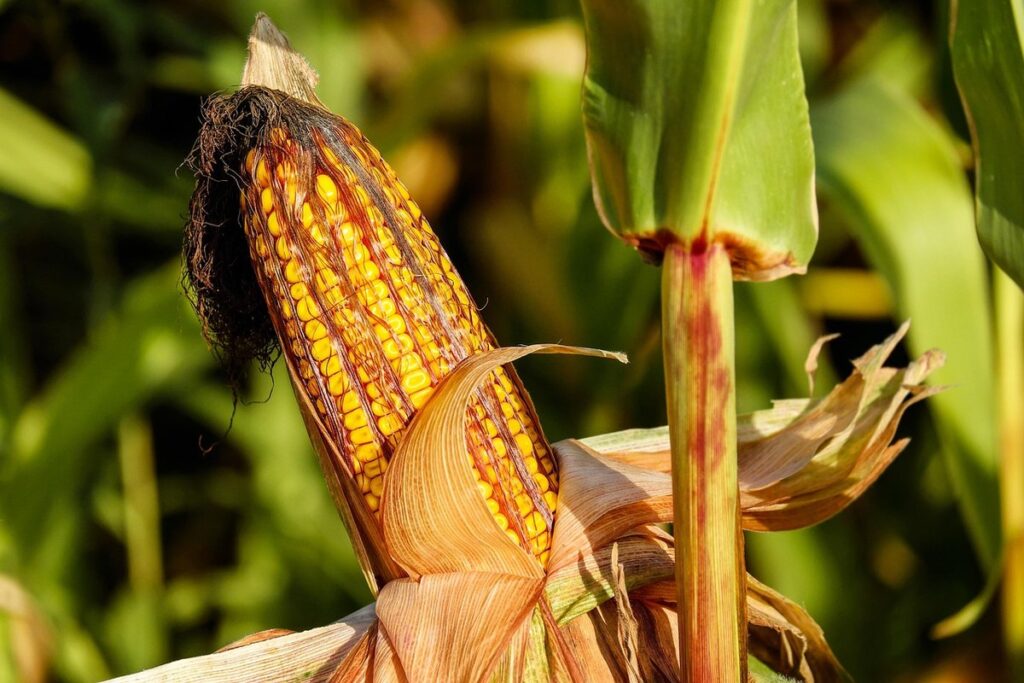
Understanding Corn’s Growing Requirements
To grow corn successfully, it’s essential to understand its specific requirements for temperature, sunlight, and soil conditions. In this next part of our guide, we’ll delve into these critical factors.
Climate and Weather Considerations
When it comes to planting corn, understanding the ideal temperature ranges is crucial for optimal growth. Corn typically thrives in temperatures between 65°F and 85°F (18°C and 30°C), with optimal growth occurring when daytime temperatures reach the mid-70s to low 80s Fahrenheit (23°C to 27°C). If it’s too hot, corn can suffer from heat stress, leading to reduced yields. On the other hand, if it’s too cold, germination rates will be lower.
If you live in a region with extremely high temperatures, consider planting cool-season varieties that mature more quickly. These varieties are bred to thrive in warmer conditions and can help mitigate the risk of heat damage. Conversely, regions with cooler temperatures may require planting at a slightly later date or using row covers to extend the growing season. Regardless of your location, be sure to monitor temperature fluctuations closely during critical growth stages to ensure optimal development. A soil thermometer can be a valuable tool in this regard.
Soil Preparation and Moisture Levels
Soil quality is a crucial factor in corn growth, and it’s essential to prepare your soil properly before planting. Corn prefers well-draining, rich soil with a pH between 6.0 and 7.0. If your soil is heavy clay or sandy, amend it with organic matter like compost or manure to improve its structure.
For optimal germination, the soil moisture should be around 8-10 inches deep. Aim for about an inch of water per week, either from rain or irrigation. Avoid overwatering, as this can lead to root rot and other problems. On the other hand, underwatering will slow down growth.
To achieve the right moisture levels, check your soil’s moisture by inserting a finger into it up to the knuckle. If it feels dry, it’s time for watering. You can also use a soil probe or a moisture meter for more accurate readings. Keep in mind that corn needs consistent moisture throughout its growing season, so be prepared to make adjustments as needed based on weather conditions and your local climate.
Regional Planting Guides
Corn planting times vary by region, so we’ve put together a series of regional guides to help you determine when to plant corn in your specific area. From coast to coast, these tips will ensure success.
Northern United States Planting Schedule
If you’re gardening in the northern United States, timing is everything when it comes to planting corn. The last frost date for your area plays a significant role in determining when to plant corn seeds. Typically, corn is planted after the soil has warmed up and the risk of frost has passed.
In general, for regions in USDA Hardiness Zones 3-5, such as Minnesota, Michigan, and New York, planting typically begins around late May or early June, after the last spring frost date. For zones 6-7, including parts of Ohio, Pennsylvania, and Vermont, the planting window is often in mid-to-late May.
Consider your specific area’s climate and adjust accordingly. In areas with cooler springs, it may be beneficial to start seeds indoors 2-3 weeks before the last frost date to get a head start. You can also wait until soil temperatures reach at least 55°F (13°C) for optimal germination.
Some examples of specific planting dates for different northern US cities include:
* Minneapolis, MN: May 20th – June 1st
* Detroit, MI: May 25th – June 5th
* Albany, NY: May 15th – May 30th
Keep in mind that these are general guidelines and can vary depending on your specific microclimate. Check with local nurseries or gardening experts for more tailored advice.
Southern United States Planting Schedule
In the Southern United States, the planting schedule for corn is slightly different due to the region’s unique climate conditions and growing seasons. Typically, the last frost date for the South varies from mid-March to early April, depending on your location.
For regions with a shorter growing season, such as Alabama, Georgia, and South Carolina, it’s best to plant corn in late March or early April when the soil has warmed up to at least 55°F (13°C). In these areas, choose an early-maturing variety that matures within 60-70 days.
In states with a longer growing season, like Texas and Louisiana, you can plant corn as soon as the soil can be worked in late winter or early spring. For instance, if your area has a last frost date of February 15th, you can plant corn around March 1st.
When planting corn in the South, make sure to choose a variety that’s resistant to heat and drought. Also, keep an eye on weather forecasts to avoid planting during periods of extreme cold or hot temperatures.
Determining the Right Time to Plant Corn
To ensure a bountiful corn harvest, you’ll want to determine when to plant based on your region’s climate and average last frost date. This section will help you make that crucial decision.
Spring Planting Calendar
As we transition into spring, it’s essential to plan for successful corn planting. The optimal time to plant corn in the spring depends on soil temperature and moisture levels. In most regions, it’s best to wait until the soil has warmed up to at least 55°F (13°C). This allows the seeds to germinate and grow without being shocked by sudden frosts.
To determine if your soil is ready for planting, check its temperature using a soil thermometer or online resources that provide local temperature readings. For example, in zones 4-5, the ideal time to plant corn is typically around late April to early May. In warmer climates like zone 8, you can start planting as early as mid-March.
Before planting, make sure your soil has sufficient moisture. Aim for about 6 inches of moisture in the top 12 inches of soil. This can be achieved by watering a week or two before planting or waiting for a soaking rain. Once the conditions are right, plant your corn seeds 1 inch deep and 8-10 inches apart.
Fall or Late Summer Planting
If you live in an area with a long growing season, you may be able to plant corn in late summer or early fall for a second crop. This can provide several benefits, including increased yields and the ability to harvest corn before the first frost. However, it also presents some challenges.
For one thing, the growing season is shorter than it would be for an spring-planted crop. Corn requires about 120 days to mature from sowing the seeds, so if you plant in late summer, you’ll need to choose a variety that matures quickly. Additionally, the soil may still be warm enough for corn growth, but other factors such as rainfall and temperature can impact yields.
Some varieties of corn are specifically bred for fall planting, and these can produce high-quality ears even when planted later than usual. When selecting a variety for late summer or fall planting, look for those that have shorter maturation periods (around 90-100 days) and are resistant to common pests and diseases in your area.
By choosing the right variety and taking into account the shorter growing season, you can enjoy successful corn harvests even when planting in late summer or early fall.
Choosing the Right Corn Variety
When deciding when to plant corn, selecting the right variety is crucial for a bountiful harvest. Consider factors such as climate, soil type, and desired growth characteristics to make an informed choice.
Factors Influencing Corn Selection
When selecting a corn variety, several key factors come into play to ensure it thrives in your garden. Climate adaptability is one crucial consideration – different regions have distinct temperature and precipitation patterns that can affect the plant’s growth cycle. For instance, cool-season corn varieties like ‘Silver Queen’ are better suited for areas with moderate winters, while warm-season varieties like ‘Honey & Cream’ excel in regions with long growing seasons.
Disease resistance is another vital factor to consider, as corn is susceptible to various afflictions such as rust and blight. Look for resistant varieties like ‘Golden Bantam’, which has built-in immunity to certain diseases. Pest tolerance is also essential – some corn varieties are bred to withstand pests like corn borers or aphids.
When choosing a variety, research its specific characteristics and climate requirements. Consider factors like maturity days (the number of days from planting to harvest), growth habits (bush or pole beans), and flavor profile. By carefully selecting a corn variety that suits your region’s conditions, you’ll set yourself up for success in growing this versatile crop.
Popular Corn Varieties for Home Gardens
Choosing the right corn variety is crucial for a bountiful harvest. With so many options available, it can be overwhelming to decide which one to grow in your home garden. Fortunately, some popular varieties have gained recognition for their ease of growth and delicious results.
One popular choice is ‘Silver Queen’, known for its high yields and tender kernels. This heirloom variety is relatively easy to grow and requires minimal maintenance. However, it can be sensitive to heat stress, making it ideal for cooler climates. If you live in a region with warm summers, consider growing ‘Golden Bantam’ instead. This variety excels in hot weather and produces large, golden kernels.
Other notable varieties include ‘Honey & Cream’ and ‘Stowell’s Evergreen’. The former boasts sweet and juicy kernels, while the latter offers a reliable harvest with minimal disease susceptibility. When selecting a corn variety, consider your local climate, available space, and personal preferences for taste and texture.
Preparing Your Garden for Corn Planting
Before you start planting corn, let’s make sure your garden is ready. This includes soil preparation and removing any debris that could harm your future crop.
Tilling and Soil Aeration
Before planting corn, it’s essential to prepare the soil properly. This involves tilling and aerating the soil to ensure optimal growing conditions for your corn crop. Tilling breaks up compacted soil, allowing water, air, and nutrients to penetrate more easily, while aeration helps to loosen and redistribute these elements throughout the soil profile.
To avoid over-tilling, which can damage the soil structure and lead to erosion, it’s crucial to till only when necessary. A general rule of thumb is to till your garden beds 2-4 weeks before planting corn. This allows enough time for the soil to settle and recover from any disturbance.
When tilling, consider incorporating organic matter such as compost or well-rotted manure into the soil. These amendments not only improve soil fertility but also help to reduce soil compaction and increase water retention. For smaller gardens, you can also use hand tools like a fork or spade to loosen the soil without over-tilling.
Some other tips to keep in mind include:
• Tilling in the direction of the soil’s slope to avoid creating channels for water to run off
• Not tilling during periods of extreme weather conditions, such as intense heat or heavy rainfall
• Incorporating cover crops into your garden rotation to improve soil health and reduce erosion
Fertilizer Application and Timing
When it comes to growing corn, fertilizers play a crucial role in promoting healthy growth and maximizing yields. However, applying the right type of fertilizer at the optimal time is essential for achieving these results.
Typically, corn requires a balanced diet of nitrogen (N), phosphorus (P), and potassium (K). For the first application, opt for a starter fertilizer that contains high levels of P to promote root development. You can apply this 1-2 weeks after sowing the seeds or when they reach about 6 inches tall.
For subsequent applications, switch to a nitrogen-rich fertilizer to support leaf growth and ear formation. Aim for a ratio of 10-20-10 N-P-K (nitrogen-phosphorus-potassium) as your primary fertilizer. Side-dress with an additional application of potassium-based fertilizer when the corn is about knee-high to enhance its overall strength and resistance.
Timing is equally important, so plan your applications according to your region’s climate. In areas with cool springs, delay fertilizing until after the last frost date to avoid burning young roots. Meanwhile, in warmer climates, you can start applying fertilizers right after planting for a head start on growth.
Additional Tips and Considerations
When you’re planning your corn harvest, there are a few more things to consider beyond just choosing the right planting time. Keep reading for some valuable insights that’ll help you achieve success in the garden.
Companion Planting and Crop Rotation
Companion planting and crop rotation are two essential practices that can significantly benefit your corn crop. By incorporating these techniques into your gardening routine, you’ll create a more balanced ecosystem, reduce pest pressure, and promote healthy growth. Companion planting involves pairing plants with beneficial characteristics that complement the needs of each other. For example, basil repels pests that target corn, such as aphids and whiteflies, while marigold’s strong scent deters nematodes.
When planning your garden layout, consider rotating your crops annually to avoid depleting soil nutrients and promoting pest buildup. By alternating where you plant corn with other vegetables like beans or squash, you’ll create a more diverse ecosystem that promotes symbiotic relationships between plants. This approach also reduces the reliance on pesticides and fertilizers. To incorporate companion planting into your garden, start by researching compatible plants for corn, such as beans and peas, which have nitrogen-fixing properties. Plant them alongside your corn to optimize nutrient uptake.
Common Pests and Diseases Affecting Corn
Corn is a staple crop in many gardens, but it’s not immune to pests and diseases. Identifying common issues early on can save you from significant losses. One of the most damaging pests is the corn borer, which feeds on the plant’s tissues and can cause stalks to weaken and collapse. Look for small holes or tunnels in the leaves and stems, especially during the tasseling stage.
Another pest to watch out for is the European corn borer’s cousin, the Southwestern corn borer. This pest also targets the plant’s foliage and kernels. Infestations often start at the top of the plant and work their way down.
Some diseases that can affect your corn crop include common rust, powdery mildew, and Stewart’s wilt. Common rust is a fungal disease that causes orange or yellow spores to form on the leaves, while powdery mildew appears as a white powder on the surface of the plant.
To manage these issues organically, use neem oil to control pests like aphids and spider mites. For diseases, try applying a copper-based fungicide or baking soda solution to prevent fungal growth. Regularly inspect your plants for signs of stress and address any problems promptly to minimize damage.
Frequently Asked Questions
How do I determine my local climate zone for planting corn?
Before selecting a specific planting date, it’s essential to understand your local climate zone. You can use online resources like the USDA Plant Hardiness Zone Map or consult with local nurseries and gardening experts to determine your zone.
What if I miss the optimal planting time for my region? Can I still grow corn successfully?
While ideal temperatures and weather conditions are crucial, it’s not impossible to grow corn outside of the recommended planting times. However, be prepared for potential yield reductions or challenges with heat stress in warmer climates. Consult your local extension office for guidance on adjusting planting schedules.
How often should I water my corn plants during hot weather?
Corn requires consistent moisture, especially when temperatures soar above 85°F (30°C). Aim to provide about 1 inch of water per week through rainfall or irrigation. You can also mulch around the plants to retain soil moisture and reduce evaporation.
Can I plant multiple varieties of corn in a single garden bed?
While it’s technically possible, planting multiple corn varieties together might lead to reduced yields due to competition for resources like sunlight and nutrients. Consider separating different varieties into separate beds or using companion planting techniques to promote healthy growth.
How do I know if my soil is suitable for growing corn? Are there any specific tests or checks I can perform?
Before planting, test your soil’s pH level (aiming for 6.0-7.0) and nutrient content. You can also check the soil texture and structure to ensure it drains well and retains moisture. A simple DIY soil test kit or consulting a local nursery expert can help you determine if your soil is suitable for corn cultivation.