
Are you ready to grow a bountiful bean harvest? Planting beans at the right time is crucial for optimal growth, but with so many variables to consider, it can be overwhelming. Climate, region, and weather conditions all play a role in determining when to plant beans. In this comprehensive guide, we’ll break down everything you need to know about planting beans, from climate considerations to regional planting times. We’ll also share valuable tips for harvesting and caring for your bean plants, ensuring they thrive throughout the growing season. Whether you’re a seasoned gardener or just starting out, this article will provide you with the knowledge you need to successfully grow delicious, healthy beans in your garden. Let’s dive in and get started on planning a successful bean harvest!
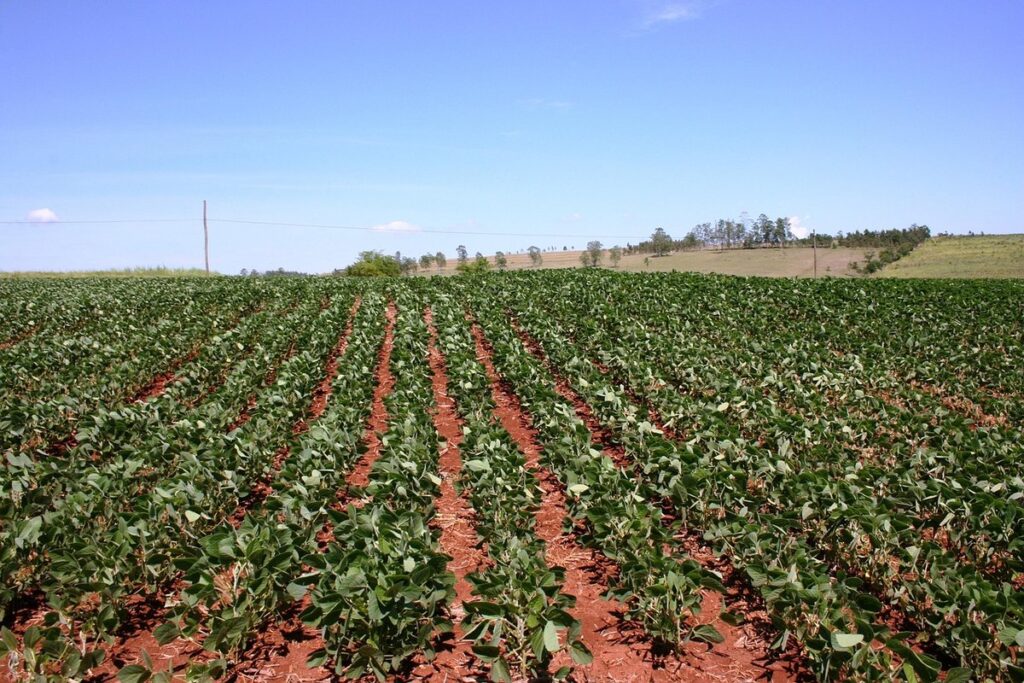
Understanding Bean Planting Seasons
When it comes to planting beans, understanding the optimal seasons is crucial for a bountiful harvest. This section breaks down the essential timing for different regions and climates.
Climate Considerations
When it comes to planting beans, climate plays a significant role in determining the ideal time for sowing. Temperature, daylight hours, and weather patterns all impact the growth and productivity of bean plants.
Temperature is perhaps the most critical factor in determining when to plant beans. Most bean varieties thrive in temperatures between 60°F (15°C) and 85°F (30°C). If it’s too hot or too cold, bean plants may not germinate properly or may become susceptible to disease. For example, bush beans prefer warmer temperatures, while pole beans can tolerate cooler temperatures.
Daylight hours also influence bean growth. Beans typically require at least six hours of direct sunlight per day to produce well. In regions with shorter days, it’s best to choose varieties that mature quickly, such as snap or snow peas.
Weather patterns, including rainfall and wind, must be considered when planning a bean crop. Avoid planting beans in areas prone to excessive rain or flooding, which can lead to root rot and other problems. Similarly, strong winds can damage bean plants and reduce yields.
If you’re looking for ideal climates for specific types of beans, consider the following: warm and dry regions are best for snap beans, while cooler temperatures and higher elevations suit pole beans.
Regional Planting Times
Understanding regional planting times is crucial for successful bean cultivation. Each region has its unique climate and weather patterns that affect when to plant beans. Frost dates, soil temperatures, and precipitation patterns are essential factors to consider.
In temperate regions with cool winters, such as the northern United States, it’s best to plant beans in late spring or early summer when the soil temperature reaches around 60°F (15°C). This allows the plants to mature before the first frost. In contrast, areas with mild winters like California can plant beans year-round.
In tropical regions near the equator, such as parts of Africa and Asia, beans can be planted throughout the year due to a relatively stable climate. However, it’s still crucial to consider the specific weather patterns and soil conditions in your area. For example, if you’re planting in a region with heavy rainfall, you may want to choose a variety that’s resistant to moisture.
Check local weather forecasts and frost dates for your specific region before planting beans. This will ensure you plant at the optimal time and increase your chances of a bountiful harvest.
Choosing the Right Bean Variety
When it comes to growing beans, selecting the right variety is crucial for success. This means considering factors like climate, soil type, and personal taste preferences.
Determinate vs Indeterminate Beans
When it comes to choosing bean varieties for your garden, one of the key decisions you’ll make is between determinate and indeterminate beans. While both types have their benefits and drawbacks, understanding their differences will help you plan your planting schedule more effectively.
Determinate beans are bush-type plants that grow to a fixed height, usually around 2-3 feet tall, before producing a single harvest of beans in a relatively short period. This compact growth habit makes them ideal for smaller spaces and containers. Determinate beans typically mature faster than indeterminate varieties, with some types maturing in as little as 50 days.
Indeterminate beans, on the other hand, are vining plants that grow much taller (sometimes up to 6 feet or more) and continue producing new growth throughout the season. They require a trellis or support system for their long vines, but reward gardeners with higher yields over an extended period. Some indeterminate varieties can take 70-90 days or longer to mature.
When planning your planting schedule, consider the specific needs of each variety. Determinate beans can be planted earlier in the season and harvested before the heat of summer sets in. Indeterminate beans, however, may require later planting dates to ensure they have time to mature before the first frost.
Specialty Bean Varieties
If you’re looking for something beyond the standard bush beans and kidney beans, consider planting specialty bean varieties that offer unique flavors and textures. These varieties often require specific planting requirements, but with a little extra care, they can thrive.
Pole beans, also known as runner beans, are a popular choice among gardeners. They require a trellis or other support to climb, which allows them to grow upwards of 6 feet tall. In cooler climates, plant pole beans 1-2 weeks after the last frost date when soil has warmed up to at least 60°F (15°C). In warmer climates, sow seeds directly into well-draining soil in late spring or early summer.
Snap beans are another specialty variety that prefers well-draining, rich soil and full sun. Plant snap bean seeds 1-2 inches deep and 2-3 inches apart when the soil has reached a temperature of at least 60°F (15°C). For dry beans, like pinto or black beans, plant seeds directly into well-draining soil in late spring to early summer.
When planting specialty varieties, be sure to follow specific sowing times based on your region and climate. This will ensure that the beans have enough time to mature before frost sets in.
Preparing the Soil for Planting
Before you can plant those beans, it’s essential to prepare your soil for optimal growth and success. Let’s take a closer look at how to get your soil ready for planting.
Soil pH and Nutrient Requirements
Before planting beans, it’s essential to ensure that your soil is providing optimal conditions for growth. This means getting the pH level just right and making sure your soil has the necessary nutrients. Soil pH affects nutrient availability, so if your soil is too acidic or alkaline, it can limit bean growth.
A ideal soil pH for most bean varieties falls between 6.0 and 7.0. If you’re unsure what your soil’s pH level is, a simple DIY kit can help you determine this. Alternatively, send a sample to a lab for analysis. Once you have the results, you can take steps to adjust the pH if necessary.
To amend your soil, add lime to raise the pH or sulfur to lower it. However, be cautious not to overdo it – excessive amendments can harm your plants. Test your soil again after making any adjustments and ensure that it’s providing the right balance of nutrients. For beans specifically, make sure your soil has adequate nitrogen, phosphorus, and potassium levels. A general rule is to add compost or well-rotted manure to enrich the soil and provide a boost of these essential nutrients.
Composting and Organic Matter
Before planting beans, it’s essential to prepare the soil by adding compost or organic matter. This simple step can greatly impact the health and productivity of your bean crop. By incorporating compost, you’ll be improving the soil’s structure, fertility, and water-holding capacity.
Soil structure is crucial for root growth, and compost helps to break down clods and improve drainage. The addition of organic matter like peat moss or well-rotted manure also increases the soil’s water retention, reducing the need for frequent watering. This is particularly beneficial when growing beans, as they require consistent moisture levels throughout their growth cycle.
To add compost, mix 2-3 inches of it into the top 6-8 inches of soil before planting. You can also use a combination of compost and other organic matter like leaf mold or worm castings for an extra boost. For example, if you’re using a potting mix that’s low in nutrients, adding a handful of compost will provide essential micronutrients for your bean plants to thrive.
Planting Techniques and Tips
Once you’ve decided on the right time to plant your beans, it’s essential to master some basic planting techniques to ensure a bountiful harvest. Here are our top tips for getting started.
Direct Sowing vs Transplanting
When it comes to planting beans, you have two primary options: direct sowing and transplanting. Both methods have their pros and cons, which will help determine when to use each technique.
Direct sowing involves directly planting the bean seeds into the garden bed. This method allows for a more natural growth process, as the seedlings develop roots and foliage in the same soil they’ll spend their entire life cycle in. Direct sowing also reduces transplant shock, which can be detrimental to young seedlings. However, it requires precise timing and planning to ensure optimal germination rates.
Transplanting, on the other hand, involves starting seeds indoors or in a greenhouse before transferring them into individual pots or directly into the garden bed. This method provides more control over environmental conditions, allowing you to start beans earlier in cooler climates or extend the growing season. Transplanting can also be beneficial for larger bean varieties that require more space to develop.
Consider direct sowing for smaller bean varieties and warmer climates where soil temperature remains above 60°F (15°C). For larger varieties or areas with cooler temperatures, transplanting is often a better option.
Spacing and Sowing Depths
When planting beans, it’s essential to consider the optimal spacing and sowing depths for different types of beans. The growth habits and root systems of various bean varieties require distinct spacing arrangements.
For bush beans, which have compact growth habits and shallow root systems, space them 2-3 inches apart in rows that are 18-36 inches apart. This allows for proper air circulation and sunlight penetration.
On the other hand, pole beans with their sprawling habit and deep taproot system need more space. Sow seeds 6-8 inches apart in rows that are 36-48 inches apart. You can also provide support using trellises or stakes to help them climb upwards.
Snap beans, a type of bush bean, require similar spacing as regular bush beans but can be sown slightly deeper at around 1 inch deep. It’s also crucial to consider the growing conditions and adjust your spacing accordingly.
Caring for Your Bean Crop
Now that you’ve got your beans growing, it’s essential to tend to them properly. Learn how to water, prune, and fertilize your bean crop in this vital section.
Watering and Irrigation Strategies
Adequate water supply is crucial for bean crops, and irrigation strategies play a significant role in their growth. Bean plants require about 1-2 inches of water per week, either from rainfall or irrigation. However, it’s essential to strike a balance between overwatering and underwatering.
Overwatering can lead to root rot, while underwatering may result in reduced yields and plant stress. To avoid these issues, use drip irrigation systems that deliver water directly to the roots of the plants. This method conserves water, reduces evaporation, and promotes healthy growth.
Consider using mulch around your bean plants to retain moisture and suppress weeds. Regularly check soil moisture by inserting a finger into the soil up to 3-4 inches deep. If it feels dry, it’s time for irrigation. Also, be mindful of weather forecasts; beans can tolerate some drought but prolonged dry spells may require supplemental watering.
Aim to provide about 1 inch of water per week during the first two weeks after planting. Then, adjust according to the growth stage and climate conditions of your bean crop.
Pest and Disease Management
As you tend to your bean crop, it’s essential to be aware of common pests and diseases that can affect its growth. Some of the most prevalent issues include aphids, whiteflies, spider mites, and powdery mildew. These pests and diseases can weaken the plant, reducing yields and even causing it to die.
Prevention is key when it comes to managing these threats. Regularly inspect your plants for signs of infestation or disease, such as curled leaves or yellowing stems. Keep your garden clean by removing weeds that can harbor pests and diseases. Also, ensure good air circulation around your bean plants to prevent the buildup of moisture that fosters fungal growth.
For control measures, consider using organic methods whenever possible. For example, neem oil is a natural pesticide that can help control aphid populations. Integrated Pest Management (IPM) strategies involve combining multiple approaches, such as physical barriers, cultural controls, and biological controls, to minimize the use of chemical pesticides. By adopting an IPM approach, you can reduce your reliance on chemicals and create a healthier environment for your plants to thrive.
Harvesting Your Bean Crop
Now that you’ve carefully tended to your bean crop, it’s time to bring in the harvest. This next step is crucial for ensuring a bountiful yield of delicious beans.
Determining Maturity
Determining maturity is crucial when harvesting beans, as it ensures you pick them at the optimal time to enjoy their flavor and texture. To determine if your bean crop is mature, look for visual cues such as the pods’ color and size. For dry beans, like kidney or black beans, the pods will turn a light brown or tan color and will be dry to the touch when ripe. Green beans, on the other hand, are ready to harvest when they’re bright green and tender.
Check your specific variety for harvesting times as some mature more quickly than others. For example, snap beans take around 50-60 days to mature while bush beans take about 60-70 days. Check the pods daily during peak season, and pluck them off the plant at the right moment. To avoid missing the optimal time, use this simple rule of thumb: if the pod is larger than your index finger, it’s ready to pick. If you notice any signs of wilting or yellowing leaves on the plants, it may be a sign that they’re past their prime and ready for harvesting.
Storage and Preservation Tips
After you’ve harvested your bean crop, it’s essential to store and preserve them properly to maintain their quality and nutritional value. Drying is a crucial step in preserving beans. Remove the pods from the stems and spread them out in a single layer on paper bags or clean towels. Store them in a warm, dry place with good ventilation, allowing 2-3 weeks for drying.
Once dried, sort through the beans to remove any debris, stones, or damaged beans. Clean them thoroughly by rinsing with water, then let them air-dry again. For long-term storage, use airtight containers like glass jars or plastic bins with tight-fitting lids. Store them in a cool, dark place.
You can also preserve beans through freezing or canning. Freezing helps retain nutrients and flavor. Simply blanch the beans for 2-3 minutes, then package them in airtight containers or freezer bags, making sure to remove as much air as possible before sealing. Canning is another effective method, but ensure you follow safe canning practices to avoid spoilage.
Consider using a vacuum sealer or desiccant packets to maintain an optimal moisture level during storage. This will help prevent mold and extend the shelf life of your beans. Regularly check on stored beans for any signs of spoilage, and use them within 6-12 months for best flavor and texture.
Frequently Asked Questions
What if I miss the optimal planting time for my region?
If you miss the optimal planting time, don’t worry! Beans can still be planted at other times, but they might not thrive as well as they would during the ideal season. To mitigate this, choose a variety that’s specifically bred for your region and climate, and take extra care to provide optimal growing conditions.
Can I plant beans in containers or do I need a large garden space?
Yes, you can definitely grow beans in containers! Choose compact or bush bean varieties that are suitable for container gardening. Make sure the container is at least 6-8 inches deep to accommodate the roots of the plants. Use a well-draining potting mix and follow proper watering and fertilization schedules.
How do I protect my bean plants from pests and diseases?
Pests like aphids, whiteflies, and spider mites can be controlled with neem oil or insecticidal soap. For diseases, practice good hygiene by removing infected leaves and disposing of them properly. Use fungicides if necessary, but always follow the manufacturer’s instructions to avoid harming your plants.
What are some common mistakes people make when planting beans?
One common mistake is over-watering, which can lead to root rot and other issues. Another mistake is not providing enough support for the bean plants as they grow. Make sure to provide a trellis or other support system to keep the plants upright and encourage them to grow upwards.
Can I plant beans in areas with poor soil quality?
Yes, you can still plant beans in areas with poor soil quality! However, it’s essential to prepare the soil properly by adding compost or well-rotted manure. This will help improve the soil structure and fertility, creating a more favorable environment for your bean plants to grow.