
Asparagus lovers in zone 7, are you eager to grow this delicious and nutritious veggie in your garden? If so, timing is everything. Planting asparagus at the wrong time can lead to disappointing yields or even damage to your plants. That’s why understanding when to plant asparagus in your zone is crucial.
In this comprehensive guide, we’ll walk you through the essential factors to consider for planting asparagus in zone 7, including climate considerations and soil preparation. We’ll also cover the best planting techniques and seasonal approach to ensure your asparagus crop thrives all year round. Whether you’re a seasoned gardener or just starting out, our expert advice will help you make informed decisions about when to plant asparagus for optimal results. By following these tips, you’ll be on your way to enjoying fresh, homegrown asparagus in no time!
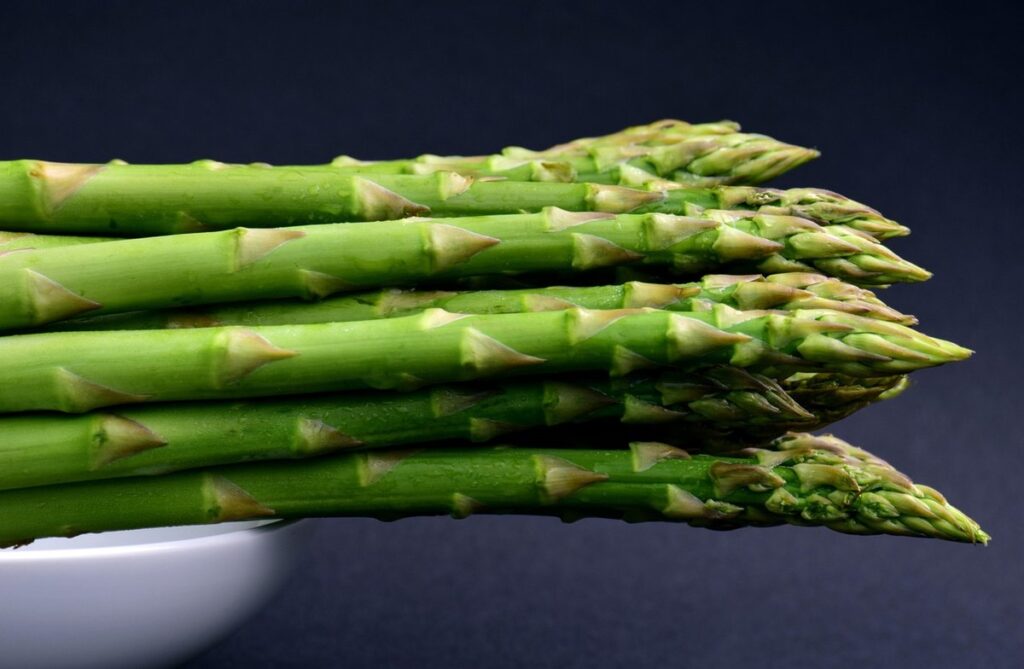
Understanding Asparagus Planting in Zone 7
As you prepare your garden for the growing season, understanding when and how to plant asparagus in Zone 7 is crucial for a successful harvest. We’ll break down the key considerations for planting this versatile vegetable.
Climate and Hardiness Considerations
As you prepare to plant asparagus in zone 7, it’s crucial to understand the climate and hardiness conditions that will impact its growth. Zone 7 has a temperate climate with warm summers and mild winters, which is ideal for asparagus cultivation. However, this region also experiences occasional heatwaves and droughts, which can affect the plant’s productivity.
To ensure optimal growth, it’s essential to choose an asparagus variety that is tolerant of zone 7’s specific conditions. Some popular varieties include ‘Mary Washington’ and ‘Jersey Giant’, which are known for their resistance to heat and moisture stress.
The ideal growing season for asparagus in zone 7 is from early spring to late summer, with temperatures ranging from 60°F to 80°F (15°C to 27°C). During this time, the plant requires consistent moisture, but it’s also susceptible to overwatering. To determine the right amount of water, check the soil daily and avoid watering during periods of intense heat.
By understanding zone 7’s climate conditions and selecting a suitable asparagus variety, you’ll be well on your way to growing a thriving crop.
Choosing the Right Variety for Zone 7
Choosing the right variety of asparagus for your zone 7 garden is crucial to ensure success. With over 300 varieties available, selecting one that thrives in your region’s climate can be overwhelming. However, by considering a few key factors, you’ll make an informed decision.
Cold hardiness is essential for zone 7 growers, as asparagus needs protection from frost damage. Look for varieties with a high cold hardiness rating (typically around -20°F to -30°F) to ensure your plants can withstand occasional late-season frosts. Some popular varieties in this category include ‘Mary Washington’ and ‘Jersey Giant’. Heat tolerance is also vital, as asparagus prefers temperatures between 60-75°F for optimal growth. Varieties like ‘Purple Star’ and ‘UC 157’ have demonstrated excellent heat resistance.
Disease resistance is another critical factor to consider. Asparagus is susceptible to crown rot, a common issue in moist environments. Select varieties with built-in disease resistance, such as ‘Jersey Knight’ or ‘Gijnlim’, which are bred specifically for their immune system. By prioritizing these factors, you’ll be able to choose an asparagus variety that excels in zone 7’s climate and ensures a bountiful harvest season after season.
Preparing the Soil and Planting Bed
Before planting asparagus, it’s essential to prepare your soil and create a suitable bed that will provide optimal conditions for your spears to thrive. Let’s get started on creating the perfect environment!
Soils and pH Requirements
As you prepare your soil and planting bed for asparagus growth in Zone 7, it’s essential to understand the specific requirements for optimal growth. Asparagus is a versatile crop that can thrive in various soil types, but it does prefer well-draining, rich soils with a balanced pH.
In Zone 7, where the climate is temperate, you’ll want to aim for a slightly acidic to neutral soil pH, ranging from 6.0 to 7.0. If your soil test reveals a pH above 7.5, it may be necessary to add elemental sulfur or aluminum sulfate to lower the acidity.
For asparagus growth, loamy soils with good organic matter are ideal. You can improve the structure and fertility of your soil by incorporating compost or well-rotted manure into the planting bed. A mix of sand, silt, and clay will provide excellent drainage and aeration for the roots. If you have heavy clay soils, consider adding perlite or vermiculite to enhance water penetration and prevent waterlogging.
Keep in mind that asparagus is not tolerant of standing water, so ensure your soil drains well to prevent root rot. By understanding these specific requirements, you’ll be well on your way to creating a thriving environment for your asparagus plants to grow and flourish.
Planting Techniques and Spacing
When planting asparagus crowns or seeds in zone 7, it’s essential to get the spacing and orientation just right. The ideal time for planting is typically in early spring, around late February to early March, when the soil can be worked.
For optimal growth, plant asparagus crowns 12-18 inches apart, with rows spaced 3-4 feet apart. This will give each crown room to spread out and develop a robust root system. If you’re planting seeds, sow them 1/4 inch deep and 2-3 inches apart, then thin the seedlings to 6-8 inches apart as they grow.
Make sure to plant the crowns or seeds with their roots facing downwards, and the buds (or tips) facing upwards. This will encourage healthy growth and prevent any potential damage from water or wind. A consistent moisture level is crucial during this time, so make sure to keep the soil consistently moist but not waterlogged.
When planting multiple rows, consider a north-south orientation to maximize sunlight exposure and promote even growth. With proper spacing and care, your asparagus bed should be thriving in no time!
When to Plant Asparagus in Zone 7: A Seasonal Approach
If you’re new to growing asparagus, understanding when to plant is crucial for a bountiful harvest. In this section, we’ll break down the best time to plant in Zone 7.
Spring Planting (February-March)
Spring planting is a popular time to establish new asparagus beds in Zone 7. One of the main advantages of spring planting is that it allows you to make the most of the cooler temperatures and increased moisture levels, which are ideal for asparagus growth. However, there are also some challenges to be aware of during this period.
In terms of soil temperature, February and March typically see a gradual warming trend in Zone 7, with average highs ranging from 45°F (7°C) to 60°F (15°C). While this is not ideal for asparagus germination, which prefers temperatures above 50°F (10°C), it’s still a good time to plant crowns or sets. As the soil warms up and dries out slightly, asparagus will begin to grow rapidly.
To ensure successful spring planting, make sure your soil has adequate moisture levels. Aim for around 6-8 inches of water per month during this period. Be on the lookout for potential pests like aphids and slugs, which can cause damage to young asparagus spears. Regular monitoring and maintenance will help you stay ahead of these issues.
As you prepare your asparagus bed for spring planting, consider incorporating organic matter like compost or well-rotted manure to improve soil structure and fertility. This will give your plants a strong foundation for growth throughout the season.
Fall Planting (September-October)
Fall planting asparagus in zone 7 offers several advantages that can promote healthy growth and increase yields. Cooler temperatures during this time allow for more efficient growth, and the increased rainfall helps to establish a strong root system. This is particularly beneficial for asparagus plants, which prefer consistent moisture levels.
In September and October, you can take advantage of these conditions by planting crowns or bare-root asparagus in well-draining soil with a pH between 6.5 and 7.0. To prepare the bed, dig it to a depth of about 12-18 inches, incorporating compost or fertilizer to enrich the soil.
When planting, space the crowns 12-18 inches apart, depending on the variety. Water thoroughly after planting and keep the soil consistently moist during the first growing season. It’s essential to note that asparagus is a perennial crop and typically requires less maintenance than other vegetables.
By following these steps and taking advantage of the favorable conditions in fall, you can enjoy a bountiful harvest of delicious and nutritious asparagus year after year. With proper care and attention, your asparagus bed will thrive, providing you with a continuous supply of fresh spears from late spring to early summer.
Caring for Asparagus After Planting
Now that you’ve successfully planted your asparagus, it’s time to ensure they thrive by providing proper care and attention in their first year of growth. This section will cover essential tips for nurturing your asparagus spears.
Watering and Mulching Strategies
Proper watering and mulching are crucial for healthy asparagus growth. As you care for your newly planted asparagus in Zone 7, make sure to maintain optimal moisture levels by watering deeply but infrequently. This encourages deep root development and makes the plants more resistant to drought.
Water your asparagus plants when the top 2-3 inches of soil feel dry to the touch. Avoid frequent shallow waterings that can lead to weak or spindly growth. Water in the morning to allow the plants to absorb moisture throughout the day.
Mulching is also essential for reducing soil temperature and retaining moisture. Apply a 2-3 inch layer of organic mulch, such as straw or wood chips, around the plants. This will help suppress weeds, regulate soil temperature, and retain moisture levels. Replenish the mulch as needed to maintain its effectiveness.
Regular watering and mulching strategies will promote healthy asparagus growth and set your crop up for success in Zone 7. By following these simple tips, you’ll be on your way to a bountiful harvest of delicious, homegrown asparagus.
Fertilization and Pruning Practices
As you tend to your asparagus bed in zone 7, fertilization and pruning become crucial practices for optimal growth. When it comes to fertilizing, timing is everything. In the spring, apply a balanced fertilizer (10-10-10) about two weeks after new shoots emerge. This initial dose provides essential nutrients for early development.
For established beds, consider a side-dressing of high-phosphorus fertilizer in late spring or early summer. Phosphorus promotes healthy root growth and helps asparagus develop its characteristic thick stalks. You can also add compost or well-rotted manure to improve soil structure and fertility.
Pruning is equally important for maintaining your asparagus bed’s health. After harvesting, cut back the ferns (the tall stems that grow after harvest) to about six inches from the ground. This helps prevent disease and encourages new growth in the spring. Use clean, sharp tools to avoid spreading diseases like crown rot. You can also remove any dead or damaged spears before they spread disease throughout the bed.
Keep your pruning tools clean by disinfecting them between cuts with a mixture of one part bleach to nine parts water. This simple step prevents the transmission of diseases and keeps your asparagus healthy. By following these fertilization and pruning practices, you’ll be well on your way to growing strong, thriving asparagus in zone 7.
Troubleshooting Common Issues
If you’re experiencing problems with your asparagus crop, don’t worry – we’ve got some common issues covered, from poor germination to yellowing spears. We’ll walk you through how to fix them.
Identifying and Addressing Pests and Diseases
As you’re growing your asparagus in zone 7, it’s essential to be aware of common pests and diseases that can affect this delicate crop. Aphids, spider mites, and caterpillars are some of the most prevalent pests that can infest asparagus spears. These tiny insects can cause curled or distorted leaves, stunted growth, and a decrease in yield.
Prevention is key when it comes to managing these pests. Regularly inspect your plants for any signs of infestation, and use neem oil or insecticidal soap to control outbreaks. Keep your soil healthy by adding compost and maintaining a balanced pH level, as this will help promote resistance to diseases.
Common diseases affecting asparagus in zone 7 include crown rot, rust, and leaf spot. Crown rot is caused by poor drainage and can be identified by a soft, mushy appearance at the base of the plant. Rust can cause orange or yellow spores to form on leaves, while leaf spot appears as small, circular lesions.
To control diseases, remove infected plants and disinfect tools with bleach. Apply fungicides according to product instructions, and maintain good air circulation around your asparagus bed to prevent moisture buildup. Regularly inspecting your plants and taking swift action will help keep pests and diseases under control, ensuring a healthy and productive asparagus crop.
Resolving Growth Problems and Deficiencies
As you cultivate your asparagus bed in zone 7, it’s not uncommon to encounter growth problems and deficiencies that can affect the health and productivity of your crop. One common issue is yellowing or browning leaves, which can be caused by overwatering, nutrient deficiency, or pest/disease infestation.
To address this problem, ensure you’re providing the right amount of moisture for your asparagus bed. Avoid frequent watering, instead allowing the soil to dry slightly between waterings. You should also consider getting a soil test done to determine if there are any nutrient deficiencies in your soil. For example, if your soil test reveals low levels of potassium, add a balanced fertilizer that includes potassium to promote healthy foliage growth.
Another issue you may encounter is poor crown development or weak spears. This can be due to inadequate light, cool temperatures during the growing season, or poor soil quality. To overcome this, provide full sun for at least 6 hours a day and maintain a consistent temperature between 65-75°F (18-24°C) during the growing season. You should also ensure your soil has good drainage and is rich in organic matter to support healthy crown growth.
When it comes to pests and diseases, keep an eye out for signs of aphids, slugs, or fungal infections like crown rot. To prevent these issues, use physical barriers, neem oil, or other integrated pest management techniques as needed. Regularly inspect your plants and take prompt action if you notice any problems.
In addition to these specific issues, consider the overall health of your asparagus bed. Make sure to divide and replant every 10-15 years to maintain soil fertility and prevent crowding. This will help promote healthy growth and ensure a bountiful harvest for years to come.
Harvesting Asparagus in Zone 7: Tips and Timing
Now that you’ve planted your asparagus, it’s time to enjoy the fruits of your labor – literally! Learn how to harvest asparagus at the optimal time in Zone 7.
Determining the Right Time to Harvest
Determining when asparagus is ready for harvest can be a bit of an art, but don’t worry, we’ve got you covered. One key indicator is spear thickness: look for spears that are about 1/2 inch thick or slightly thicker at the base. This will ensure they’re mature enough to taste good and have reached their optimal size.
Color-wise, new asparagus shoots tend to be a vibrant green color, but this can fade to a more yellowish tint if left on the plant for too long. As a general rule of thumb, try to harvest when the spears are still young and bright green. Avoid over-mature spears with white or woody tips – these will be tough and fibrous.
Another important factor is texture: fresh asparagus should have a tender crunch and snap easily when broken in half. If it feels hard or fibrous, it’s likely past its prime. To get the timing just right, inspect your plants regularly, especially during peak harvesting season (typically late spring to early summer). Harvesting asparagus too soon can result in smaller spears, while waiting too long may lead to over-mature stalks.
Harvesting Techniques and Tools
Harvesting asparagus requires finesse to avoid damaging the delicate spears. In Zone 7, where temperatures can fluctuate significantly, gentle handling is crucial for continued growth and future harvests. When hand-harvesting, use a sharp knife or snips to cut the spears at an angle just above the soil line. This helps prevent damage to the crown and promotes healthy regrowth.
For larger operations, machine-harvesting can be more efficient but still requires attention to detail. Choose machines with adjustable settings to minimize damage and optimize yields. Some asparagus growers swear by mechanical harvesters that cut spears at a 45-degree angle, reducing breakage and stress on the plants.
Regardless of method, it’s essential to avoid bruising or crushing the spears, which can lead to rot and reduced quality. Regularly inspect your crop for signs of damage or disease, and address any issues promptly to prevent further harm. By prioritizing gentle handling and minimal damage, you’ll be rewarded with a bountiful asparagus harvest in Zone 7.
Frequently Asked Questions
What’s the optimal asparagus bed preparation time before planting in zone 7?
Before planting, it’s essential to prepare your asparagus bed by loosening the soil to a depth of about 12-18 inches. This can be done in late winter or early spring, about 2-4 weeks before planting. Make sure to remove any debris and till the soil to ensure good drainage.
Can I plant multiple varieties of asparagus together in zone 7?
While it’s possible to plant different varieties of asparagus together, it’s generally not recommended. This is because some varieties can be more susceptible to diseases or pests that may affect other types. It’s best to stick with a single variety that’s well-suited for your specific climate and growing conditions.
How often should I water my newly planted asparagus bed in zone 7?
Newly planted asparagus beds require consistent moisture, especially during their first year of growth. Water them deeply about once or twice a week, depending on weather conditions. Aim to provide about 1-2 inches of water per week through rainfall or irrigation.
Can I plant asparagus in partial shade in zone 7?
While asparagus prefers full sun, it can tolerate partial shade. However, planting in an area with dappled shade may lead to reduced yields and a less robust crop. If you’re considering planting in partial shade, ensure that your variety is specifically bred for shade tolerance.
How long does it take for asparagus crowns to establish themselves after planting in zone 7?
Asparagus crowns typically take about 1-2 years to establish themselves after planting. During this time, they’ll focus on developing a strong root system rather than producing spears. Be patient and provide optimal growing conditions to ensure healthy establishment.