
If you’re growing your own zucchinis at home, there’s nothing quite like biting into a freshly picked one. But knowing when to harvest them is crucial for optimal flavor, texture, and yield. Picking them too early or late can result in bland, tough, or even spoiled squash – which defeats the purpose of cultivating these delicious summer veggies. To avoid this problem, it’s essential to keep an eye on your zucchinis’ maturity stages and adjust harvesting accordingly. But how do you determine when they’re ready? In this article, we’ll walk you through the key factors to consider: from weather conditions to harvesting techniques and preservation methods, we’ve got you covered for a successful zucchini harvest.
Understanding Zucchini Maturity and Ripeness
To ensure you pick your zucchinis at their peak flavor, it’s essential to understand how to identify maturity and ripeness in these versatile summer squash. Let’s dive into what to look for!
Stages of Zucchini Development
As you grow and tend to your zucchini plants, it’s essential to recognize the different stages of development that lead up to full maturity. The journey from blossom to harvest is a fascinating process, and understanding these stages will help you determine when your zucchini is ready for picking.
The first stage is the blossoming phase, where delicate yellow flowers emerge on the ends of the plant’s stems. Within 24-48 hours, the male flowers (with no fruit attached) begin to drop off, while the female flowers receive pollen from other plants and start to develop into tiny zucchinis. You can tell if a flower is male or female by looking for a small zucchini forming at the base of the stem – this indicates it’s a female bloom.
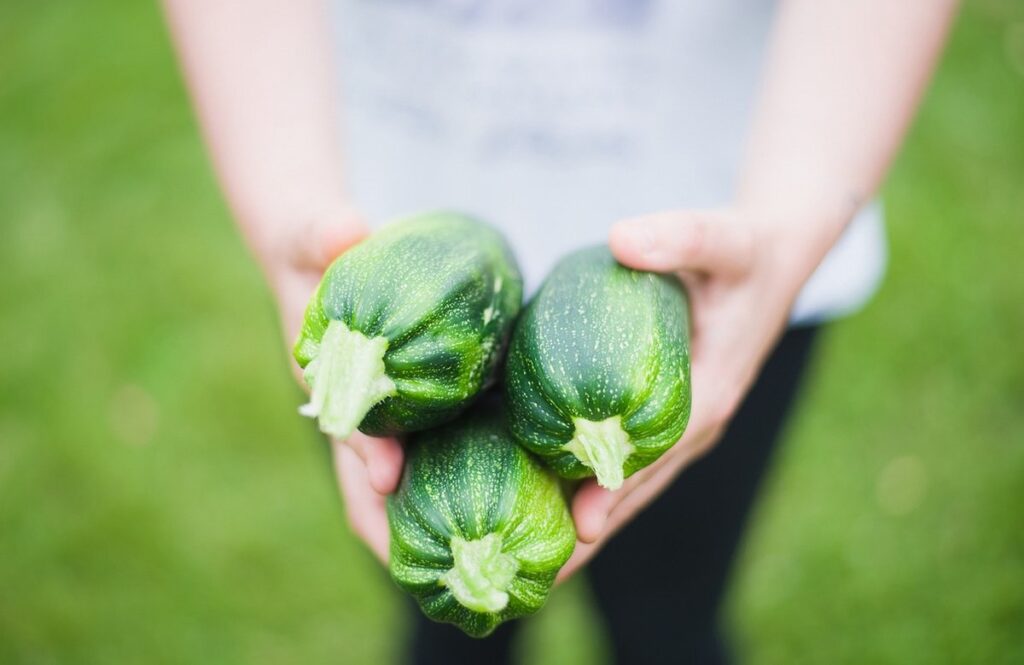
As your zucchinis grow, you’ll notice changes in appearance, texture, and color. Initially, they’re small and tender, with a bright green skin that gradually darkens to a deep olive hue as they mature. The ridges on the surface become more pronounced, and the stem begins to dry out slightly. When your zucchini reaches 6-8 inches (15-20 cm) in length, it’s usually ready for harvest. Check for firmness by gently pressing the skin – if it yields to pressure, it’s ripe!
Checking for Ripeness
Checking for ripeness is crucial when harvesting zucchini to ensure you get the best flavor and texture. To check if a zucchini is ripe, gently lift it from the plant, taking care not to damage the delicate skin. Inspect the fruit for its color, size, and weight.
A ripe zucchini will typically have a dark green or yellow skin, depending on the variety. The darker the color, the riper the zucchini. It should also be slightly soft to the touch but still firm enough to hold its shape. Avoid squeezing the zucchini too hard, as this can cause damage and affect its quality.
Compare the size of the zucchini to the others on the plant. Ripe zucchinis are usually between 6 to 8 inches in length and about 1-2 inches in diameter. If it’s significantly larger or smaller than the rest, it may be overripe or not yet mature.
Pick a ripe zucchini when its weight feels heavy for its size. This is an indication that it has reached optimal water content and flavor. Regularly inspect your zucchinis to catch them at the perfect ripeness, ensuring you get the most out of your harvest.
Factors Affecting Zucchini Harvest Time
When growing zucchini, several key factors influence when your harvest will be ready. These variables can make a big difference in your timing, so let’s take a closer look.
Weather Conditions
Weather conditions play a crucial role in determining when zucchini is ready for harvest. Temperature, sunlight, and precipitation all have a significant impact on the plant’s growth and development. In general, ideal growing conditions for zucchini include warm temperatures between 65°F to 95°F (18°C to 35°C) with moderate humidity.
When it comes to temperature extremes, zucchini is sensitive to both heat stress and cold damage. If the temperature exceeds 95°F (35°C), the plant may become stressed, leading to reduced fruit production and quality. Conversely, temperatures below 55°F (13°C) can cause the fruit to become discolored and unpalatable.
Drought conditions can also affect zucchini harvest time, as the plant requires consistent moisture levels to produce healthy fruit. Prolonged droughts can lead to reduced yields and smaller fruit size. On the other hand, excessive rainfall can cause fungal diseases to develop, further impacting the crop.
To optimize your zucchini harvest, ensure that your plants receive adequate sunlight (at least 6 hours of direct sun per day) and maintain a consistent moisture level by watering deeply once or twice a week. Monitor temperature fluctuations and provide support for plants during extreme weather conditions.
Soil Quality and Fertilization
Soil quality plays a crucial role in zucchini growth and maturity rates. A well-balanced nutrient profile and optimal pH levels can significantly impact yields and fruit quality. For zucchinis, the ideal soil pH range is between 6.0 and 7.0. If your soil’s pH level falls outside this range, it may hinder nutrient uptake and affect plant growth.
To maintain optimal soil conditions, consider incorporating compost or well-rotted manure into your garden beds. These amendments not only improve nutrient balances but also help regulate the soil’s water-holding capacity. For example, adding 2 inches of compost to a raised bed can increase its water retention by up to 30%.
Regular fertilization is equally important for zucchini growth. A balanced fertilizer blend (e.g., 10-10-10 N-P-K) should be applied every two weeks during the growing season. Additionally, side-dressing with high-phosphorus fertilizers (such as bone meal or fish emulsion) can promote fruit set and encourage healthier root development.
By attending to your soil’s nutrient needs, you’ll not only ensure optimal zucchini growth but also reduce the risk of fungal diseases that thrive in nutrient-deficient conditions.
Harvesting Techniques and Tools
Once you’ve determined when to harvest your zucchini, it’s time to learn how to do so effectively using the right techniques and tools. We’ll walk through these essential steps together.
Hand-Picking vs. Machine Harvesting
When it comes to harvesting zucchinis, two popular methods stand out: hand-picking and machine harvesting. Each technique has its pros and cons, which are essential to consider for optimal yield quantity and quality.
Hand-picking is a more labor-intensive method that allows for greater control over the picking process. It enables you to carefully select the perfect zucchinis, ensuring they’re at the right size and color. This method also prevents damage to the delicate fruit, resulting in better preservation of nutrients and flavor. However, hand-picking can be time-consuming and may not be feasible for large-scale or commercial production.
Machine harvesting, on the other hand, is a faster and more efficient approach that’s suitable for larger plots. Machines can quickly collect zucchinis with minimal manual labor required. This method can increase yield quantity but might compromise quality if the machines are not calibrated correctly or if the fruit is picked too early. It’s also crucial to consider the machine’s compatibility with your specific soil type and crop density.
In reality, most commercial growers opt for a combination of both methods, using machines for bulk harvesting and hand-picking for more precise selection and delicate varieties. If you’re planning to grow zucchinis on a small scale or as part of a home garden, hand-picking is likely the best approach. However, if you’re looking to expand your operation or streamline your harvesting process, machine harvesting might be worth exploring.
Tips for Hand-Harvesting Zucchini
When it comes to hand-harvesting zucchinis, technique is key to ensuring you get the best produce without damaging either the fruit or the plant. To start, choose a time when the skin of the zucchini is still tender and free of bruises. This will make it easier to handle and reduce the risk of breakage.
Gently grasp the zucchini at the stem end, taking care not to squeeze too hard and damage the delicate flesh. For longer fruits, you may need to use both hands – one to support the fruit and the other to gently twist the stem from the plant. To avoid damaging adjacent growths, harvest individual zucchinis rather than pulling entire branches off.
For smaller zucchinis, you can also try using a small hook or similar tool to carefully release them from the plant without having to grasp the fruit directly. Be gentle but firm, and work carefully to minimize stress on both the plant and the harvest. By doing so, you’ll be able to enjoy your homegrown zucchinis for longer and avoid waste due to mishandling.
Common Mistakes in Harvest Timing
Getting the timing of zucchini harvest right can be tricky, and making common mistakes can lead to disappointment and wasted crops. Let’s explore some crucial errors to avoid in your zucchini harvest.
Over-Maturity Issues
Harvesting zucchini too late can lead to reduced quality and increased bitterness. When left on the plant for an extended period, the fruit’s starches convert to sugars, causing a spike in water content and resulting in a watery, tasteless texture. This over-maturity also makes the vegetable more susceptible to disease, as its natural defense mechanisms weaken.
If you’ve noticed your zucchini becoming increasingly bitter or developing brown spots, it may be a sign that they’re past their prime. Regularly inspect your plants for these signs and harvest them promptly. Aim to pick your zucchinis when their rinds are still slightly tender and the flesh is firm but yielding to pressure.
To avoid over-maturity issues, keep an eye on your plant’s growth stage. Typically, zucchinis mature within 35-45 days of sowing seeds. Monitor for a slight yellowing or softening of the skin at the blossom end – this indicates readiness for harvest. Avoid waiting too long, as even one more day can make a significant difference in quality and flavor.
Early Harvest Risks
Picking zucchinis too early can lead to underdeveloped flavor profiles and lower yields. When you harvest your crop prematurely, the fruit may not have had enough time to reach its full potential in terms of sweetness, texture, and overall taste.
One major issue with early harvesting is that it can result in a less satisfying eating experience for you and your family. Imagine biting into a zucchini that’s still slightly green and starchy – it just doesn’t compare to the tender, sweet squash you get when it’s fully ripe. This can also be due to the fact that immature zucchinis tend to contain more water and less sugars than their mature counterparts.
Furthermore, harvesting too early can reduce your overall yield for the season. When plants are not allowed to reach maturity, they may not produce as many fruits, or the fruit quality might suffer. For instance, if you harvest your zucchinis every 3-4 days instead of allowing them to grow to their full size, you may end up with a lower total yield by the end of the season.
To avoid these problems, it’s essential to wait for your zucchinis to reach the optimal level of maturity. Look for signs like a yellow or cream-colored skin, and a slight softening around the stem end. This will indicate that your zucchini is ready to be picked at its peak flavor and quality.
Advanced Techniques for Optimizing Harvest Time
To take your zucchini harvesting skills to the next level, let’s dive into advanced techniques that will ensure you pick your squash at its peak perfection every time.
Companion Planting Strategies
Companion planting is a strategy that involves growing different plants alongside each other to improve growth rates, disease resistance, and pest control. When it comes to zucchini, certain companion species can significantly impact its development, potentially affecting harvest timing. For instance, marigolds repel nematodes, whiteflies, and aphids that often target zucchini. Planting them nearby can help reduce the risk of infestation, thereby promoting healthier growth.
Basil, on the other hand, not only complements the flavor of zucchini but also attracts beneficial insects like lacewings and hoverflies that prey on pests. Nasturtiums, with their bright flowers, repel aphids, whiteflies, and squash bugs, further reducing stress on your zucchini plants. To implement companion planting effectively:
* Plant marigolds or nasturtiums around the perimeter of your zucchini bed to deter pests.
* Grow basil nearby to attract beneficial insects and add a pop of color to your garden.
* Space companion species 3-6 inches apart from each other and the zucchini plants, depending on their mature size.
By incorporating these strategies into your gardening routine, you can create a balanced ecosystem that promotes optimal growth and reduces the need for pesticides.
Intercropping Approaches
Intercropping zucchinis with other vegetables or crops that have complementary growing patterns can be a game-changer for optimizing harvest times and yields. By strategically planting multiple crops together, you can create a more balanced and resilient garden ecosystem.
For example, intercropping zucchinis with marigolds or nasturtiums can help deter pests like aphids and whiteflies that target zucchini plants. These flowers also attract beneficial insects that prey on these pests, reducing the need for pesticides. Planting basil alongside zucchinis not only adds a fragrant companion to your garden but also repels pests and improves soil health.
Consider pairing zucchinis with slower-growing crops like tomatoes or peppers, which can benefit from the shade provided by mature zucchini plants. Alternatively, intercrop zucchinis with fast-growing lettuce or radishes, which can be harvested before they compete for space with your zucchinis. By choosing complementary crops and planting them at different times, you can create a diverse and productive garden that minimizes waste and maximizes harvests.
Storing and Preserving Harvested Zucchini
Now that you’ve harvested your zucchini, it’s time to think about how to store and preserve them for future meals. In this next step, we’ll cover storage tips and preservation methods.
Proper Handling and Storage Techniques
Proper handling and storage of freshly harvested zucchinis are crucial to maintaining their quality and extending shelf life. To minimize moisture loss and prevent damage, handle the zucchinis gently, as bruising can cause decay. Store them in a cool, dry place with good air circulation to maintain humidity levels around 90%.
Temperature control is also essential; store zucchinis at temperatures between 32°F (0°C) and 50°F (10°C). This range slows down ethylene production, which contributes to spoilage. Wrap the zucchinis in breathable materials like paper bags or mesh bags, allowing for airflow and moisture regulation.
You can also use airtight containers with adequate ventilation to prevent moisture buildup. Store them away from direct sunlight, heat sources, and strong-smelling foods that may contaminate the zucchinis. For longer-term storage (up to 3 months), consider freezing or dehydrating your harvested zucchinis to preserve their nutrients and flavor.
Preservation Methods for Extended Shelf Life
Harvested zucchinis can be stored for extended periods using various preservation methods. Freezing is one such method, which involves blanching the zucchinis to stop enzyme action and then sealing them in airtight containers or freezer bags. This method helps retain the vegetable’s texture and flavor but requires regular consumption within 8-12 months.
Pickling is another popular method for preserving zucchinis. It involves soaking sliced or whole zucchinis in a brine solution containing vinegar, salt, and spices. Pickled zucchinis can be stored at room temperature for several weeks, making them a great option for snacking on the go. However, they may lose some of their crunchy texture.
Dehydrating is also an effective method for extending shelf life. It involves removing excess moisture from the zucchinis using specialized machines or oven settings. Dehydrated zucchinis can be stored at room temperature and reconstituted when needed. The dehydration process concentrates flavors, making them a great choice for soups and stews.
When choosing preservation methods, consider factors like equipment availability, storage space, and desired texture and flavor profile.
Conclusion
Now that you’ve learned how to identify when your zucchini is ready for harvest, it’s time to put this knowledge into action. Remember, timing is everything when it comes to harvesting zucchini, and it’s better to err on the side of caution by checking regularly rather than missing out on a perfectly ripe squash. By taking note of the various signs we’ve discussed – such as the skin’s glossy appearance, the size and weight of the squash, and the sound it makes when thumped – you’ll be able to confidently harvest your zucchini at just the right moment. With practice, you’ll become more attuned to your plants’ needs and develop a keen sense of timing that will serve you well in all your future gardening endeavors.
Frequently Asked Questions
How often should I check my zucchini plants for ripeness?
It’s recommended to inspect your zucchinis daily, especially during peak harvest season, to catch them at the optimal stage of maturity.
What happens if I pick my zucchinis too early or too late?
Picking too early can result in underdeveloped squash, while picking too late may cause over-maturity issues, including tough skin and bland flavor. Regular monitoring will help you avoid these common mistakes.
Can I harvest zucchini in the rain or during extreme weather conditions?
Yes, if possible, it’s best to harvest your zucchinis during dry weather to prevent moisture-related problems like fungal diseases or rotting. However, if harvesting is unavoidable during wet conditions, ensure you handle the squash gently and promptly clean them for storage.
How can I preserve my harvested zucchini for longer periods?
You can store fresh zucchinis in a cool, dry place for up to 5 days. For longer preservation, consider techniques like pickling, grating or spiralizing, and freezing. Proper handling and storage will extend the shelf life of your harvest.
What’s the ideal temperature range for storing harvested zucchini?
The optimal storage temperature for zucchinis is between 32°F (0°C) and 50°F (10°C). Avoid storing them in areas with direct sunlight or high humidity to maintain their freshness.