
The moment of truth has finally arrived: your garlic crop is ready to be harvested. But when exactly do you pick those plump, aromatic bulbs? The answer isn’t always straightforward, as it depends on various factors such as climate, soil conditions, and even the specific variety of garlic you’re growing.
In this article, we’ll delve into the world of visual cues and climate considerations that will help you determine whether your garlic is ready for harvest. We’ll also explore how to check for readiness, plan ahead, and minimize damage during harvesting. By following these tips, you can ensure that your garlic bulbs are harvested at their optimal flavor and quality, making them perfect for cooking up a storm in the kitchen. With these expert insights, you’ll be well on your way to growing the best garlic of your life.
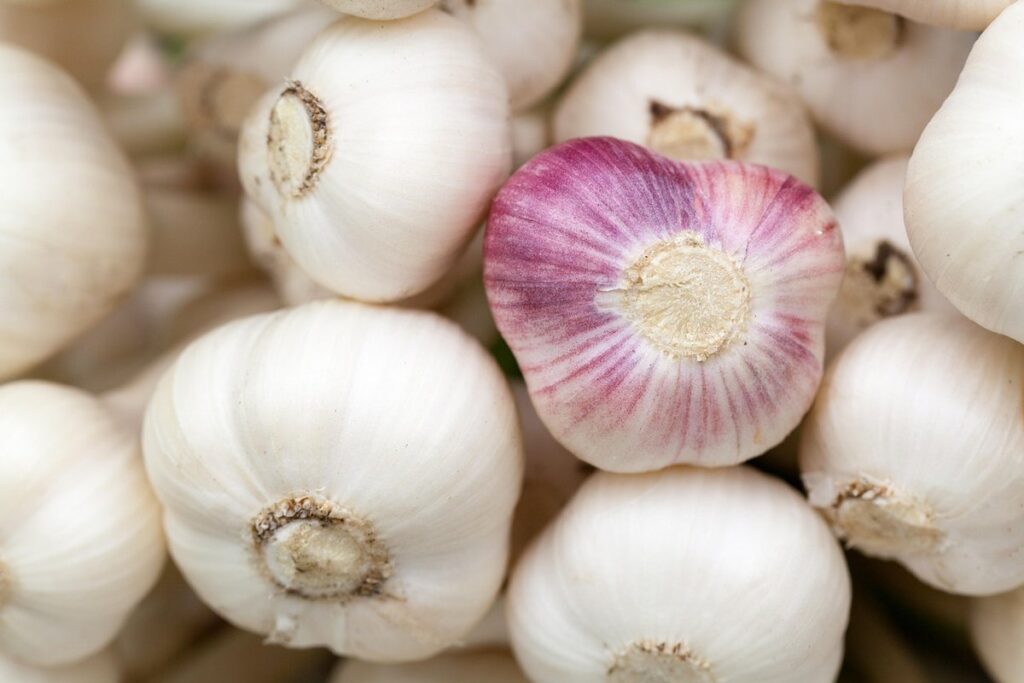
Understanding Garlic Maturity and Ripeness
To ensure you harvest garlic at its peak, it’s essential to understand how to determine maturity and ripeness, which can be a bit tricky. Let’s explore some key signs to look out for.
Visual Cues for Maturity
As you inspect your garlic plants, look for visual cues that indicate maturity. A key indicator is the color of the leaves. As garlic approaches harvest time, the foliage will begin to turn yellow and eventually brown. This natural process signals that the bulb has finished growing and is now ready to be pulled.
Another sign of maturity is the size and shape of the bulbs. Check for a minimum of three to four cloves per bulb, with some varieties producing as many as six or seven. The bulbs should also be plump and firm, indicating proper growth and development. Avoid garlic that appears soft or squishy, as this can indicate overwatering or other issues.
Take note of the size of the individual cloves within the bulb. A mature clove will typically be about 1-2 inches in diameter. If the cloves are much smaller than this, it may be a sign that the garlic is not yet ready for harvest.
As you inspect your plants, look for any other observable changes that indicate readiness for harvest. This can include a slight loosening of the soil around the base of the plant or a noticeable decrease in leaf growth.
Checking for Readiness through Touch
Checking for readiness through touch is an essential step in determining when to harvest garlic. Hold a bulb gently between your thumb and index finger, feeling its firmness. A mature garlic bulb will be hard and dense, with no signs of soft spots or squishiness. Compare this to the neck of the plant – it should be slightly tender to the touch, but not too soft. If it’s still quite rigid, the bulb may not be ready yet.
If you’re new to growing garlic, it can be tricky to gauge its readiness by feel alone. To give yourself a better sense, try checking the bulbs regularly over the next week or two after the tops start to yellow and fall over. You’ll likely notice that some bulbs are more advanced than others, so use this as an opportunity to harvest the ones that are ready while leaving the less mature ones in the ground for another week or two.
By combining visual cues with tactile feedback, you’ll get a clearer picture of when your garlic is truly ready to be harvested.
Factors Affecting Harvest Time
Several factors can influence when your garlic is ready for harvest, and understanding these will help you pick it at its best. Knowing what affects harvest time can make a big difference in your crop’s quality.
Climate and Weather Considerations
When it comes to harvesting garlic, climate and weather conditions play a significant role in determining when the bulbs are ready. Temperature fluctuations can affect the maturity of the garlic crop, with ideal temperatures ranging from 60°F to 80°F (15°C to 27°C). Prolonged exposure to high temperatures above 85°F (29°C) can cause the garlic to bolt or mature too quickly, leading to reduced quality and flavor.
Rainfall is another critical factor to consider. Garlic prefers well-drained soil, and excessive rainfall can lead to rot and disease. In areas with high rainfall, it’s essential to plant garlic in raised beds or containers with good drainage.
Sunshine also impacts garlic growth, with at least 6 hours of direct sunlight required per day. Regional climate-related factors such as frost, wind, and humidity can also affect harvest timing. For example, in regions with mild winters, garlic may be ready for harvest in late spring or early summer, while areas with harsh winters may need to wait until late summer or fall.
Keep an eye on weather forecasts and adjust your harvest plan accordingly. In regions with unpredictable weather patterns, it’s best to harvest a few test bulbs to determine the optimal timing for your specific climate and soil conditions.
Soil Type and Nutrient Availability
The soil type and nutrient availability play a significant role in determining when to harvest garlic. Different soils have varying levels of nutrient availability, which can impact the growth rate and maturity of your garlic crop.
For instance, well-draining sandy loam or silt-loam soils tend to produce faster-growing garlic with more extensive bulb formation, whereas clay soils may slow down the growth process due to waterlogging issues. As a general rule, garlic prefers slightly acidic to neutral soil pH (around 6.0-7.0). If your soil is too alkaline or acidic, it can lead to nutrient deficiencies and impact harvest time.
To optimize growing conditions, consider incorporating compost or well-rotted manure into your soil before planting garlic cloves. This will not only improve nutrient availability but also increase the overall structure of the soil, making it more suitable for healthy growth. Monitor your soil’s pH level regularly, taking corrective measures if necessary to maintain an optimal range.
A good understanding of your local climate and available nutrients is essential in determining when to harvest your garlic crop. By fine-tuning growing conditions through careful management of soil type and nutrient availability, you’ll be able to pinpoint the perfect time for a bountiful harvest.
Specific Varieties and Their Harvest Times
When it comes to harvesting garlic, different varieties have unique needs and timelines. Let’s take a closer look at some popular types and their ideal harvest times.
Popular Garlic Varieties and Their Maturity Dates
Garlic enthusiasts often experiment with different varieties to find their favorite flavors and textures. Some of the most popular types of garlic include Elephant, Silverskin, and Creole. Each variety has its own unique characteristics that affect its maturity date.
Elephant garlic, for instance, takes about 110-120 days to mature from planting. Its large cloves make it a favorite among chefs who need to mince or chop the bulbs for recipes. Silverskin garlic, on the other hand, typically reaches maturity in around 90-100 days. This variety is prized for its mild flavor and long storage life.
Creole garlic matures in about 80-90 days, with smaller cloves that pack a punch of flavor. It’s ideal for those who want to grow garlic quickly without sacrificing taste. Keep in mind that these times are approximate and can vary depending on climate and region. For example, garlic grown in warmer climates may be ready up to 20 days earlier than in cooler regions.
When planting new varieties, consider the specific growing conditions and adjust your expectations accordingly. This will help you anticipate when to harvest your garlic at its peak flavor and quality.
Growing Your Own Varieties: When to Expect a Harvest
Growing your own garlic varieties can be incredibly rewarding, but it’s essential to know when to expect a harvest. The good news is that with some knowledge of the specific weather patterns and local conditions in your area, you can predict when your garlic will mature.
In general, garlic is ready to harvest about 3-4 months after planting, when the tops begin to yellow and fall over. However, this timeline can vary depending on factors such as weather, soil quality, and the specific variety of garlic you’re growing. In areas with hot summers or cold winters, for example, your garlic may take longer to mature.
To predict maturity dates more accurately, observe the color of the cloves beneath the soil. When they reach 3/4 of their full size, it’s a good indication that they’re ready to be harvested. Another tip is to check on the necks of the bulbs – when they begin to separate from each other, it’s usually a sign that the garlic is mature.
Keep in mind that over-matured garlic can be more prone to mold and rot, so it’s essential to harvest your crop at the right time to ensure optimal flavor and quality.
Preparing for Harvest
Before you bring home that first harvest, make sure your garlic is ready by checking its color and size, and preparing the soil for a successful crop. This involves specific steps to ensure maximum yields.
Planning Ahead: Scheduling Regular Inspections
Regular inspections are crucial to monitor the progress of your garlic crop towards harvest readiness. By scheduling regular check-ins, you’ll be able to identify potential issues and make informed decisions about when to harvest.
To start, mark your calendar with key dates for inspections. These might include:
* 30-60 days before expected harvest: Assess bulb size, color, and uniformity.
* 15-30 days before expected harvest: Check for proper drying of the tops and signs of maturity.
Maintain a record of each inspection to track progress over time. Note observations, weather conditions, and any changes you make to your care routine. This will help you identify trends and patterns specific to your climate and crop.
Consider creating a simple table or spreadsheet to document your inspections. Record key metrics like bulb size, color, and moisture levels. Reviewing this data will give you valuable insights into when your garlic is ready for harvest.
Pre-Harvest Tasks: Preparing Tools and Space
Before you start digging up your garlic bulbs, it’s essential to ensure that you have the right tools and space prepared for the task. First and foremost, make sure your growing area is clear of debris and weeds. A cluttered workspace can lead to damaged bulbs or misplaced plants, so take some time to tidy up before harvesting.
To dig up your garlic effectively, you’ll need a few specialized tools. A sharp fork or spade will help loosen the soil around each bulb without damaging them. You may also want to have a garden hose handy for watering any plants that might be disturbed during the process.
If you’re growing multiple rows of garlic, consider laying down a layer of mulch between the beds to prevent soil compaction and erosion. This will not only protect your bulbs but also make future maintenance tasks more manageable. Take a moment to inspect each bulb as you harvest it, gently brushing away any excess dirt to check for signs of disease or pests.
Tips for Harvesting at the Right Time
Timing is everything when it comes to harvesting garlic, so let’s dive into some essential tips to help you know exactly when your crop is ready. You’ll be amazed at how much a difference this makes in flavor and quality!
Minimizing Damage and Maximizing Quality
When harvesting garlic, it’s essential to minimize damage and maximize quality. To carefully dig around the bulbs without causing harm, use a fork to gently loosen the soil on either side of each plant. Then, insert a long, thin knife or a specialized garlic digger about 2-3 inches deep into the soil near the base of the plant. Gently rock the tool back and forth to break up any remaining soil without applying too much pressure.
To preserve quality and flavor, store harvested garlic in a cool, dry place with good ventilation. Avoid storing it in humid areas or sealed containers, as this can lead to mold growth. You can also hang garlic bulbs upside down from a hook or a wire rack, allowing air to circulate around each bulb. If you plan to use your garlic within a few weeks, store it at room temperature; for longer-term storage, consider refrigerating it in the crisper drawer or freezing individual cloves.
When handling and storing garlic, be mindful of moisture, as this can cause rot and affect flavor. Regularly inspect stored garlic for signs of damage or mold, and use any damaged bulbs immediately to avoid contamination of other stored garlic.
Timing for Best Flavor: When to Expect Peak Ripeness
Timing is everything when it comes to harvesting garlic at its peak ripeness. If you’ve been waiting patiently for your garlic bulbs to mature, you’ll want to know exactly when to expect them to be at their best flavor potential. Generally, this occurs when the tops of the plants start to yellow and fall over, indicating that the bulb has reached full maturity.
In ideal conditions, with proper care and attention, a single garlic clove can produce a large, flavorful bulb in as little as 4-6 months. However, factors like climate, soil quality, and disease can all impact this timeframe. As a rule of thumb, wait for at least six to eight weeks after the green shoots have started growing before harvesting your garlic.
For optimal flavor, it’s essential to dig up your bulbs when they’re still slightly firm to the touch but easy to lift out of the ground. Over-maturity can lead to loss of flavor and aroma, so be sure to keep a close eye on their progress. With practice and patience, you’ll learn to recognize the subtle signs that signal peak ripeness, ensuring you reap the full reward of your garlic harvest.
Frequently Asked Questions
How do I know if my garlic has been damaged during harvesting?
Check the bulbs carefully for any signs of damage, such as bruising or cuts. Inspect the skin for any cracks or breaks that could allow moisture to enter and cause rot. Handle the bulbs gently to minimize risk of damage.
Can I harvest garlic in extreme weather conditions, like heavy rain or intense heat?
Yes, it’s best to wait until the weather improves before harvesting. Extreme weather can cause the bulbs to become misshapen or develop soft spots that can lead to decay. If possible, plan your harvest for overcast days with gentle breezes.
What if I miss the optimal harvest time and my garlic is past its peak ripeness?
If you’ve missed the optimal harvest time, you can still harvest your garlic, but it may not be as flavorful or nutritious as it would have been at peak ripeness. Use it for cooking purposes where flavor isn’t a top priority, such as in soups or stews.
How often should I check on my garlic crop before harvesting?
Regular inspections are crucial to determine when your garlic is ready to harvest. Check on your crop every 7-10 days during the maturation period to catch any changes in color or foliage that indicate readiness.
Can I grow multiple varieties of garlic and harvest them at different times, or should I stick with one variety?
Yes, you can grow multiple varieties of garlic, each with its own unique characteristics and harvest time. Research the specific needs and maturity dates for each variety to ensure a continuous supply of garlic throughout the growing season.