
Growing your own butternut squash can be a truly rewarding experience, but knowing exactly when to harvest is crucial for getting the best results. In the UK, the growth stages and ripeness checks for butternut squash are often misunderstood, leading to disappointment or even waste. If you’re wondering how to check if your butternut squash is ripe and ready to be picked, this article has got you covered. We’ll break down the key indicators of maturity, from skin color to stem dryness, so you can confidently know when it’s time to harvest. With our expert tips on post-harvest care, you’ll learn how to store your squash properly and enjoy a successful crop all year round in the UK.
Understanding Butternut Squash Growth Stages
Understanding butternut squash growth stages is crucial for determining when your crop is ready to harvest. Let’s break down the different stages of development that lead up to maturity.
Stage 1: Sowing and Germination
Sowing butternut squash seeds is a crucial step in the growth process. In the UK climate, it’s essential to sow at the right time to ensure optimal germination and healthy development. The ideal time for sowing butternut squash seeds is from late spring to early summer, when the soil has warmed up to around 15°C (59°F). Sow the seeds 2-3 cm deep and 1.5-2 meters apart in a well-draining, fertile soil.
Factors affecting germination include moisture levels, soil temperature, and light exposure. Make sure the soil is consistently moist during the first few weeks after sowing, but avoid overwatering which can lead to rot. Butternut squash seeds also require a minimum of 6-8 hours of direct sunlight per day to germinate effectively.
To achieve successful germination, choose high-quality seeds from reputable suppliers and follow the specific instructions on the packet. Keep an eye out for signs of germination, usually within 7-10 days, and maintain a humid microclimate by covering the soil with a cloche or row cover. By following these expert tips, you’ll be well on your way to growing healthy butternut squash plants in your UK garden.
Stage 2: Seedling Establishment and Thinning
At this stage, your butternut squash seedlings will start to establish themselves and develop their root systems. It’s essential to provide them with the right conditions for growth. Make sure the soil is consistently moist, but not waterlogged, as this can lead to fungal diseases.
As your plants grow, you’ll notice that some seedlings are stronger than others. To optimize growth, it’s crucial to thin out weaker seedlings. This process, called ‘thinning’, involves carefully removing the less vigorous plants to allow the remaining ones to receive more resources such as light, water, and nutrients.
When thinning, look for seedlings with at least two sets of true leaves and a sturdy stem. Cut off the weakest seedlings at soil level using scissors or a sharp knife. Leave about 30-60cm (1-2ft) between each remaining plant to prevent overcrowding. By doing this, you’ll be giving your butternut squash plants the best chance to develop into healthy, productive vines.
Keep in mind that thinning should only be done when the seedlings have at least two sets of true leaves, as this will give the remaining ones a head start on growth.
Checking for Ripeness and Harvest Timing
To ensure you harvest your butternut squash at its best, it’s essential to check for ripeness and know when to pick them from the plant. Let’s explore how to do this in the next steps.
Visual Cues for Maturity
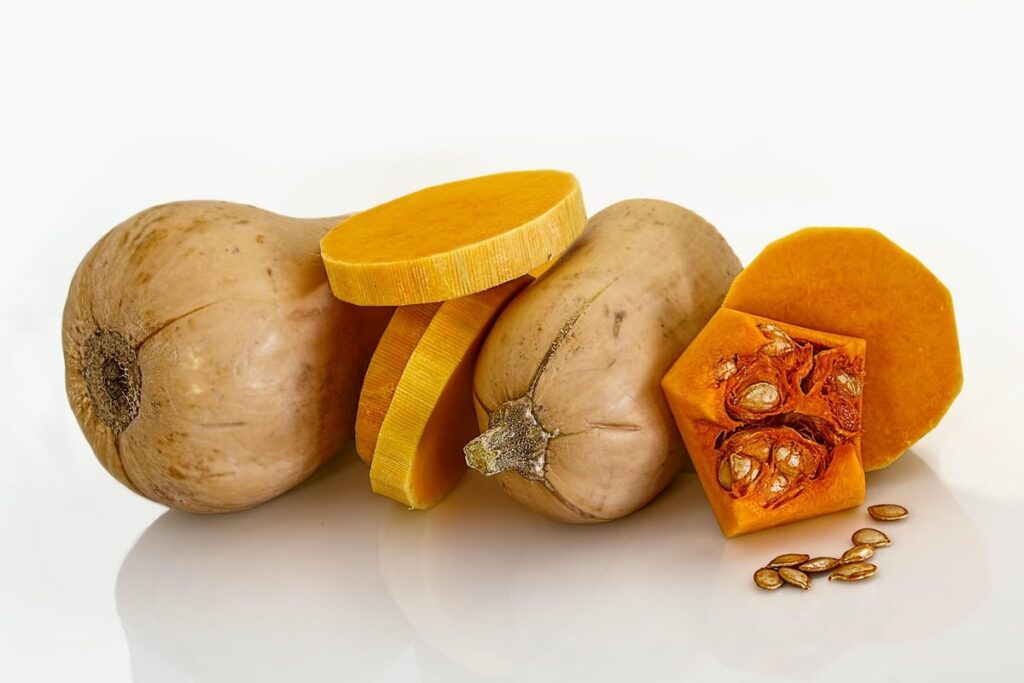
As you approach harvest time for your butternut squash crop, it’s essential to visually inspect them for ripeness. This involves checking for changes in color, skin texture, and size. A ripe butternut squash will have a deep orange or yellow-orange hue, which may also be slightly soft to the touch.
To assess skin texture, gently run your hand over the surface of the squash. A mature butternut squash will feel smooth, with no noticeable soft spots or wrinkles. Be cautious not to confuse this with moisture, as some squashes may develop a slight sheen due to excess water retention.
In terms of size, a fully grown butternut squash can reach up to 10 kg in weight and measure around 20-30 cm in length. However, it’s essential to remember that size alone is not an indicator of ripeness. Instead, combine these visual cues with your knowledge of the specific variety you’re growing and the expected harvest time.
When inspecting your butternut squash, also check for any signs of damage or disease, such as soft spots, mold, or cracks in the skin.
Using the “Thump Test” and Other Methods
In addition to monitoring the skin color and softening of the stem, there are other methods you can use to check for ripeness when harvesting butternut squash in the UK. One of these is the “thump test,” which involves gently tapping the squash with your knuckles or fingers.
When performing the thump test, listen carefully to the sound produced by the tap. A ripe butternut squash will typically produce a deep, hollow sound, similar to the tone of a drum. This is due to the fact that the flesh inside the squash has softened and become less dense. If the squash produces a metallic or tinny sound instead, it may be overripe.
Another method you can use to check for ripeness is by examining the hardness of the stem. A ripe butternut squash will have a slightly softening stem, whereas an unripe one will be hard and rigid. This can be especially useful when checking on your squashes in late summer or early autumn, when some may take longer than others to mature.
It’s also worth noting that overripe butternut squash can still be edible, even if it has become too soft for storage or cooking. However, for the best flavor and texture, aim to harvest your squashes when they’re just ripe – usually between September and November in the UK.
Harvesting Techniques for Butternut Squash in UK Climate
To harvest butternut squash successfully in the UK climate, you’ll want to learn how to check for ripeness and handle the delicate fruit carefully. We’ll cover these essential techniques in this section.
Pre-Harvest Preparation
Before you start harvesting your butternut squash, it’s essential to prepare the area around the plant and ensure you have the right tools. Clear the surrounding space of any weeds or debris that may be competing with the plant for nutrients. This will give you easy access to the squash and prevent damage to the fruit.
Next, inspect your tools and make sure they are in good condition. You’ll need a sharp knife or pruning tool to cut through the stem, so ensure it’s clean and rust-free. A garden fork or spade can also come in handy for gently digging around the plant if needed.
As you prepare for harvest, take a moment to inspect your butternut squash for any signs of disease or pests. Check the skin for soft spots or blemishes, and look for any evidence of insects or fungal growth. With a little preparation, you’ll be ready to bring in your mature butternut squash at the optimal time, ensuring they remain fresh and healthy throughout the season.
The Actual Harvest Process
Harvesting butternut squash requires care to avoid damaging the delicate flesh. When you notice the skin is hard and the stem has dried out, it’s a sign that the squash is mature and ready for harvest. Start by gently twisting the stem back and forth until it breaks away from the vine. Be cautious not to pull too hard, as this can cause damage.
To handle the squash safely, support its weight with one hand while gently lifting it off the ground with the other. Avoid handling the squash excessively, as oils from your skin can cause soft spots or discoloration. Place the harvested squash on a clean surface, away from direct sunlight and moisture.
When harvesting multiple squash, consider using a dolly or trolley to transport them without causing bruising or damage. Cleanliness is also crucial; use a dry cloth to wipe down the squash before storing it in a cool, well-ventilated area. This will help prevent mold growth and extend its shelf life.
Post-Harvest Care for Butternut Squash in UK Conditions
Once you’ve harvested your butternut squash, proper care will help them last throughout the winter months in UK conditions. Learn how to store and handle your squashes for optimal freshness.
Storage and Handling
Proper storage and handling of harvested butternut squash is crucial to maintaining its quality. In the UK’s temperate climate, it’s essential to provide a suitable environment that controls temperature, humidity, and light exposure.
To store butternut squash effectively, ensure you have a cool, dry place with temperatures between 10-15°C (50-59°F). Avoid storing them in direct sunlight or near heating vents. For optimal storage, keep the squash away from drafts and moisture, as this can cause rot and decay.
Maintaining a consistent humidity level is also vital. A relative humidity of 60-70% will help prevent moisture buildup. You can achieve this by placing the squash in paper bags or cloth-covered containers. Monitor your stored squash regularly for signs of spoilage, such as soft spots or mold growth.
By following these guidelines and storing your butternut squash properly, you’ll be able to enjoy them throughout the winter months. A well-stored butternut squash can last for several months, providing a delicious addition to soups, stews, and roasted vegetable dishes.
Tips for Cooking and Preserving
Butternut squash is incredibly versatile and can be enjoyed throughout the year with proper cooking and preservation techniques. In UK conditions, where the harvest season for butternut squash typically spans from September to November, you’ll want to explore creative ways to use up this nutritious vegetable.
One of the best ways to enjoy butternut squash is by roasting it. Simply peel, de-seed and chop the squash into manageable pieces, toss with olive oil, salt, and your choice of herbs or spices, and roast at 200°C (400°F) for about 45 minutes, or until tender and caramelized. This brings out its natural sweetness and adds a depth of flavor that’s hard to resist.
To preserve butternut squash for later use, consider making a puree by cooking it down with some onions and garlic, then freezing in airtight containers or ice cube trays. Alternatively, you can pickle the squash by slicing it thinly, mixing with vinegar, salt, and spices, and storing in the fridge for up to 6 weeks.
Butternut squash is also an excellent addition to soups, stews, and curries, adding body and nutrition to these dishes. Experiment with different recipes and flavor combinations to find your favorite ways to enjoy this delicious vegetable.
Common Issues When Harvesting Butternut Squash in the UK
Harvesting butternut squash can be a bit tricky, especially when it comes to spotting common issues like rotting and misshapen fruit, which can affect your crop’s overall yield. Let’s explore these potential problems together.
Pests and Diseases
Pests and diseases can significantly impact the yield and quality of butternut squash in the UK climate. Slugs and snails are common pests that thrive in the country’s moist conditions, causing significant damage to the fruit by feeding on the skin and leaving behind slimy trails. To prevent infestations, use copper tape around the base of plants, which repels slugs and snails.
Fungal diseases such as powdery mildew and downy mildew are also prevalent in butternut squash crops in the UK. These conditions favor cool, wet weather, making spring and autumn harvests more susceptible to disease. Regularly inspect your crop for signs of disease, such as white powdery patches or yellowing leaves.
To manage diseases, adopt a robust crop rotation strategy, ensuring that the same area is not used for butternut squash production for at least two years. Keep your garden clean by removing any debris and weeds that can harbor pests and diseases. Avoid watering overhead, which can lead to fungal infections.
Environmental Factors Affecting Harvest Timing
Harvest timing is crucial for butternut squash cultivation in the UK. Environmental factors significantly influence this process, and understanding these elements can help you determine when to harvest your crop successfully.
Weather conditions play a significant role in deciding the optimal time for harvesting butternut squash. In general, UK weather tends to be quite unpredictable, with variable temperatures, rainfall, and sunshine hours throughout the growing season. However, butternut squash typically requires warm and dry conditions towards the end of its growth cycle.
In practice, this means that you should begin checking your butternut squash plants for maturity around late September or early October in the UK. A mature butternut squash will have a hard, smooth skin with no signs of softening or decay. The stem will also be dry and brown.
Varieties Suitable for Early or Late Harvest in the UK
When growing butternut squash in the UK, it’s essential to choose varieties that suit your harvest schedule, whether you’re aiming for an early or late crop. Some types are specifically bred for each purpose, making them perfect for your needs.
Overview of Popular Varieties
When growing butternut squash in the UK, you’ll find that various varieties perform differently. Among the most popular ones are ‘Waltham Butternut’, ‘Sunburst’, and ‘Ponoka’. These varieties have distinct characteristics that impact their growth patterns and harvest times.
‘Waltham Butternut’ is a classic choice for UK growers, known for its reliability and consistent yields. It matures relatively quickly, typically taking around 120-130 days from sowing to harvest. This variety tends to produce medium-sized squash with a sweet, nutty flavor.
On the other hand, ‘Sunburst’ butternut squash takes slightly longer to mature – approximately 140-150 days. Its unique characteristic is its bright orange color and small size, making it ideal for smaller gardens or containers.
Ponoka, another popular variety, boasts large, symmetrical fruits with a smooth, hard rind. It matures in around 130-140 days and requires more space due to its sprawling growth habit. When selecting a butternut squash variety for your UK garden, consider factors like your available space, desired harvest time, and the specific climate conditions of your region.
For early harvests, choose ‘Sunburst’ or ‘Waltham Butternut’, while Ponoka is better suited for late season harvesting. Remember to also check the specific growing requirements for each variety to ensure optimal performance in your garden.
Tips for Choosing the Right Variety for Your Needs
Choosing the right variety of butternut squash for your needs is crucial to ensure you get the best harvest possible. With so many varieties available, it can be overwhelming to decide which one suits your climate, cooking style, and storage requirements.
When selecting a variety, consider factors such as disease resistance, maturity days, and size. If you have a short growing season in your area, opt for an early-maturing variety like ‘Butternut’ or ‘Waltham Butternut’, which take around 100-110 days to mature. On the other hand, if you have a longer growing season, choose a late-maturing variety like ‘Able’s Victoria’ or ‘Galeux d’Eysines’, which take around 120-130 days.
Also, think about the size of your squash. If you prefer larger squash, choose a variety like ‘Galeux d’Eysines’, while smaller squash varieties like ‘Butternut’ are ideal for compact gardens or containers.
It’s also worth considering the shape and color of the squash. Some varieties have a more symmetrical shape, making them easier to cook and store, while others may have a unique texture or flavor profile that suits your taste preferences.
Additional Resources for Further Learning
If you’re eager to learn more, we’ve curated a selection of trusted resources and expert advice on growing and harvesting butternut squash in the UK climate. For further guidance, check out these top picks.
Recommended Books and Websites
If you’re looking for more information on growing and harvesting butternut squash in the UK, here are some trusted resources to check out:
Some excellent books that offer comprehensive guides to growing butternut squash include “The New Seed Starter’s Handbook” by Nancy Bubel, which covers everything from sowing seeds to transplanting seedlings. Another useful book is “The Vegetable Gardener’s Bible” by Edward C. Smith, which provides detailed advice on growing a wide range of vegetables, including butternut squash.
For online resources, we recommend checking out the Royal Horticultural Society (RHS) website, which offers a wealth of information on growing and harvesting butternut squash in the UK. Their “Plantfinder” tool allows you to search for specific varieties of butternut squash, while their “Advice” section provides expert guidance on topics such as soil preparation and pest control.
The Gardening Know How website is another valuable resource, with a dedicated section on growing butternut squash that covers everything from sowing seeds to harvesting the fruit. Their articles are written by experienced gardeners and offer practical advice on overcoming common problems such as poor growth or disease.
We also recommend checking out the Butternut Squash Grower’s Guide by the Soil Association, which provides detailed guidance on growing butternut squash sustainably and organically in the UK.
In addition to these resources, it’s worth joining online forums or social media groups dedicated to gardening in the UK. These communities can provide valuable advice and support from experienced gardeners who have faced similar challenges when growing butternut squash.
Frequently Asked Questions
What is the best way to handle butternut squash that has been stored for several months, and is now showing signs of softening or mold?
It’s likely that your butternut squash has gone past its optimal storage time. To minimize waste, inspect the squash carefully for any signs of spoilage. If it’s only slightly soft or has minor mold spots, you can still use it in cooking. However, if the mold is extensive or the squash is severely soft, it’s best to discard it to avoid contamination. Always prioritize food safety when handling stored vegetables.
Can I harvest butternut squash in the UK during periods of extreme weather conditions, such as intense rain or drought?
Yes, extreme weather can impact your crop’s quality and timing. During prolonged rain, be cautious not to waterlog the soil, which can lead to rot. In dry spells, ensure the soil doesn’t become too dry, causing stress to the plant. Monitor your plants closely, and harvest when they’re ripe, even if it means adjusting your schedule according to weather conditions.
How do I know if a butternut squash has been properly cured before storage?
A well-cured squash will have its stem end dried out, indicating that moisture loss has occurred. This process typically takes 7-10 days after harvest, depending on the environmental conditions. Check for any signs of mold or moisture retention around the stem area. If you notice these issues, your curing process may need improvement.
Can I use a pressure washer to clean my butternut squash before storage?
No, using a pressure washer can cause damage to the skin and potentially introduce water-borne diseases into the squash. Instead, gently brush off any dirt or debris with soft-bristled brushes, making sure not to scrape or bruise the surface.
How long does it typically take for butternut squash to reach maturity in the UK climate?
The exact time frame depends on your specific variety and growing conditions. Generally, mature butternut squash takes around 120-150 days after sowing. However, this can vary by as much as 30 days, depending on factors like soil quality, sunlight exposure, and weather patterns. Keep a close eye on the growth stages outlined in our guide to ensure you catch your crop at its peak ripeness.