
Growing your own vegetables can be a rewarding experience, but most gardeners assume that you need full sun to produce a bountiful harvest. However, this isn’t entirely true. There are many shade-tolerant vegetables that not only survive but thrive in partial or even full shade conditions.
If you’re limited by the amount of sunlight your yard receives, or if you simply want to diversify your garden’s offerings, it’s essential to know which vegetables can grow well in shade. Leafy greens like kale and lettuce are obvious choices, but did you know that root veggies like beets and carrots also do surprisingly well? In this article, we’ll explore the world of shade-tolerant vegetables, including expert tips on soil preparation, watering, and pest control to help you get started with growing your own delicious shade-friendly produce.
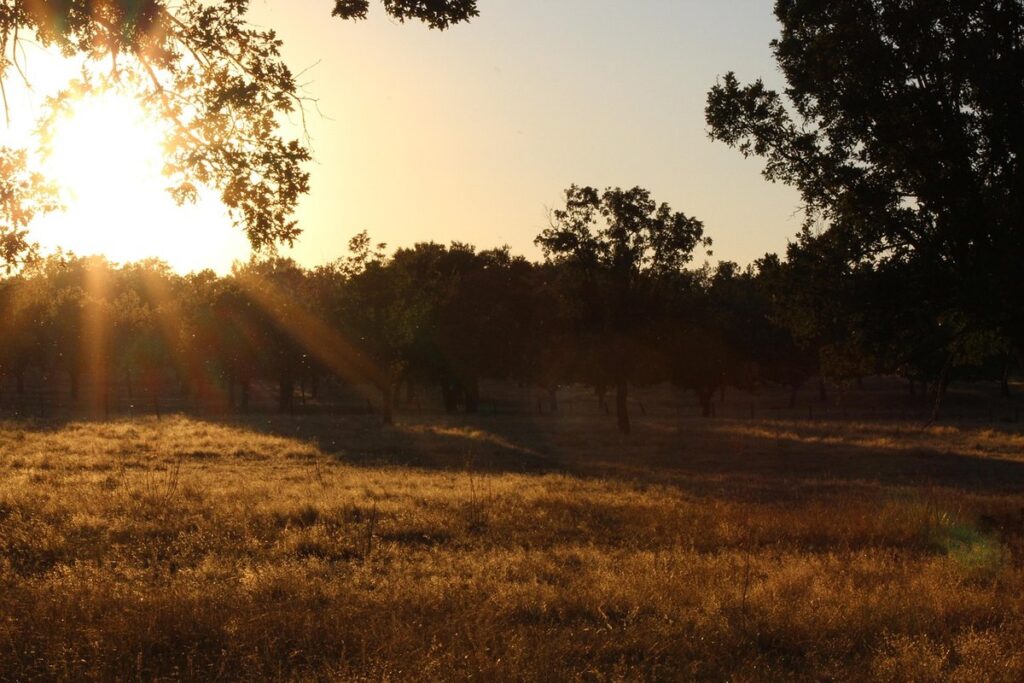
Understanding Shade-Tolerant Vegetables
When it comes to growing vegetables in shade, understanding which varieties thrive in low-light conditions is essential. Let’s explore some popular options for a successful shaded garden.
Types of Shade: Full Shade vs. Partial Shade
When it comes to understanding shade-tolerant vegetables, one of the most crucial factors is determining whether your garden receives full shade or partial shade. While both types of shade can support plant growth, they have distinct effects on how plants develop.
Full shade occurs when a location receives direct sunlight for less than 4 hours per day. This type of shade is characterized by dappled light that filters through trees or other overhead structures. Vegetables grown in full shade tend to be slower-growing and may require more time to mature. They also often have smaller leaves and fruit compared to plants grown in brighter conditions.
Partial shade, on the other hand, receives direct sunlight for 4-6 hours per day. This type of shade still allows some light to reach the plant’s foliage, promoting healthy growth and development. Vegetables grown in partial shade typically produce more leaves and fruit than those grown in full shade but may require more maintenance due to potential pest or disease issues.
It’s essential to assess your garden’s specific lighting conditions before selecting shade-tolerant vegetables. By understanding whether you have full or partial shade, you can choose varieties that thrive in these conditions, ensuring a bountiful harvest despite limited sunlight.
Factors to Consider for Shade-Growing Vegetables
When growing vegetables in shade, it’s essential to consider several factors that can impact their growth and yield. Sunlight hours are crucial for most vegetables, but when grown in shade, they require fewer hours of direct sunlight. However, even with reduced sunlight, it’s still important to ensure your shaded area receives at least 4-6 hours of indirect sunlight daily.
Soil quality is another critical factor to consider. Vegetables grown in shade prefer well-draining soil rich in organic matter. This will help prevent waterlogged conditions that can lead to root rot and other issues. Aim for a pH between 6.0 and 7.0, as most vegetables thrive within this range.
Temperature and moisture levels also play significant roles when growing shade-tolerant vegetables. Most varieties prefer daytime temperatures between 65°F to 75°F (18°C to 24°C) and nighttime temperatures around 55°F (13°C). Regular watering is essential, but avoid overwatering, which can lead to disease and pests.
Regularly monitor your soil’s moisture levels by checking the top inch of soil daily. Water only when necessary, allowing the soil to dry slightly between waterings.
Best Vegetables for Growing in Full Shade
When it comes to growing vegetables in shade, you’ll be pleased to know that there are many varieties that can thrive in less-than-sunny conditions. This section highlights some of our favorite options for a bountiful harvest.
Leafy Greens: The Perfect Choice for Shade
Leafy greens are one of the most versatile and nutritious options for growing in full shade. These plants thrive in low-light conditions, making them perfect for areas with limited sunlight. Lettuce, kale, and spinach are popular choices among gardeners due to their high nutritional value and ease of growth.
Not only do leafy greens require minimal light, but they also need less water compared to other vegetables. This makes them an excellent choice for areas with unpredictable rainfall patterns or water conservation goals in mind. For instance, a single head of kale can provide up to 200% of the daily recommended intake of vitamin C and contains a wealth of antioxidants.
To grow leafy greens in full shade, choose a variety that is specifically bred for low-light conditions. Most supermarket lettuce varieties won’t perform well in shade, so opt for loose-leaf or romaine instead. Plant them about 2-4 inches apart to allow for proper air circulation and avoid overcrowding. With minimal care and attention, you can enjoy a continuous harvest of these nutritious greens throughout the growing season.
Other Options for Full Shade: Herbs and Flowers
When it comes to growing vegetables and other plants in full shade, many gardeners assume that their options are limited. However, there are a variety of herbs and flowers that thrive in these conditions, adding not only flavor but also color to shaded areas.
For example, herbs like mint, basil, and cilantro love the dappled light found under trees or on the north side of buildings. These plants require minimal maintenance and can be grown year-round, making them perfect for cooks who want fresh flavors on hand. To grow these herbs successfully in full shade, ensure they receive at least 2-3 hours of indirect sunlight per day.
Impatiens and coleus are two popular flowers that add vibrant colors to shaded areas. Impatiens come in a range of colors, from pure white to deep red, while coleus boasts striking patterns and bold hues. These plants are easy to care for and can thrive in temperatures as low as 60°F (15°C). By incorporating these herbs and flowers into your shade garden, you can create a beautiful and productive space that brings joy all year round.
Vegetables That Can Tolerate Partial Shade
If you have a garden that receives partial shade, you’ll be happy to know that many delicious vegetables can still thrive in these conditions. Let’s explore some of your best options for shaded gardening.
Root Vegetables: Beets, Carrots, and Radishes
When it comes to growing root vegetables in partial shade, many gardeners are pleasantly surprised by the results. Beets, carrots, and radishes are three popular options that can thrive in conditions with as little as 4-6 hours of direct sunlight per day.
To grow these vegetables successfully, it’s essential to focus on soil quality. Root vegetables prefer well-draining, loose soil rich in organic matter. Add compost or well-rotted manure to improve the structure and fertility of your soil. Beets, for example, can tolerate slightly acidic conditions (pH 6.5-7.0), while carrots prefer a more alkaline environment (pH 6.8-7.2).
In terms of sunlight exposure, partial shade will not hinder growth but may reduce the intensity of colors and flavors. Beets, for instance, might retain their red color better when grown in full sun, but the flavor will still be excellent in partial shade. By adjusting your expectations and providing optimal soil conditions, you can enjoy a bountiful harvest from these versatile root vegetables even with limited sunlight exposure.
Brassicas: Broccoli, Cauliflower, and Cabbage
Brassicas are one of the most versatile and shade-tolerant vegetable groups. Broccoli, cauliflower, and cabbage, in particular, can thrive in partial shade, but it’s essential to note that they still require adequate sunlight to grow well. In general, these plants need at least 4-6 hours of direct sunlight per day, although some varieties can tolerate as little as 2-3 hours.
When grown in shade, brassica plants tend to be more susceptible to pests and diseases, so it’s crucial to keep an eye out for signs of trouble. To ensure optimal growth, choose a location that receives dappled or filtered sunlight during the hottest part of the day. You can also consider using row covers or other shading techniques to reduce scorching.
To give your brassica plants the best chance of success, make sure they receive at least 6 hours of indirect light per day. This will help them maintain their signature texture and flavor while minimizing the risk of fungal diseases that often thrive in shaded conditions. By following these guidelines, you can enjoy a bountiful harvest of delicious broccoli, cauliflower, and cabbage – even with some shade!
Tips for Growing Vegetables in Shade
Growing vegetables in shade can be a challenge, but don’t worry – we’ve got you covered. In this next part, we’ll share some expert tips to help your shaded garden thrive!
Soil Preparation: The Key to Success
When growing vegetables in shade, many gardeners make the mistake of overlooking the importance of soil preparation. However, well-draining soil and proper pH levels are crucial for optimal growth and productivity. Shaded areas tend to be more prone to waterlogging, which can lead to root rot and other issues if not addressed.
To start, test your soil pH level using a DIY kit or send it off to a lab for analysis. Most vegetables prefer a slightly acidic to neutral pH range (6.0-7.0), but some, like broccoli and kale, thrive in slightly alkaline conditions (pH 7.1-8.0). Once you know your soil’s pH level, adjust it as needed by adding lime or sulfur.
In shaded areas, mix in organic matter such as compost or well-rotted manure to improve drainage and structure. This will also help to retain moisture, reducing the need for frequent watering. Avoid compacting the soil when planting, as this can exacerbate waterlogging issues. By investing time in proper soil preparation, you’ll be setting your shade-grown vegetables up for success.
Watering Strategies for Shade-Growing Vegetables
When growing vegetables in shaded areas, it’s essential to develop an effective watering strategy. Shaded gardens often receive less direct sunlight, leading to reduced water evaporation and increased moisture retention in the soil. However, this doesn’t mean you can water your plants as frequently as those in full sun.
To avoid overwatering, inspect the soil daily by inserting a finger into the top 1-2 inches of soil. If it feels dry, it’s time to water. Aim for about 1 inch of water per week, either through rain or irrigation. For shaded vegetables like lettuce, herbs, and leafy greens, aim for more frequent, shallow watering (about every other day) to maintain consistent moisture levels.
Be cautious not to overwater, as this can lead to root rot and reduced yields. Monitor your plants’ response to the watering schedule and adjust as needed. For example, if you notice yellowing leaves or a decline in growth, reduce the frequency of watering or increase the interval between waterings. By observing and adapting to the unique needs of your shaded garden, you’ll be well on your way to growing healthy, thriving vegetables.
Challenges of Growing Vegetables in Shade
Growing vegetables in shade can be a challenge, and it’s not always easy to get them thriving. In this section, we’ll explore some common obstacles you may face.
Pests and Diseases: A Greater Concern in Shade
Growing vegetables in shade comes with its own set of challenges, and one of the most significant concerns is the increased risk of pests and diseases. Shaded areas are often more humid and cooler than sunny spots, creating an ideal environment for fungal diseases to thrive. Additionally, the reduced light intensity can lead to weaker plant growth, making it easier for pests like aphids, whiteflies, and spider mites to infest your plants.
To manage these issues effectively, adopt Integrated Pest Management (IPM) strategies. This approach involves using a combination of methods to control pests and diseases, rather than relying on a single solution. Start by monitoring your plants regularly for signs of stress or damage. Use physical barriers like fine mesh or row covers to prevent pests from reaching your crops. For fungal diseases, improve air circulation around the plants and remove any infected leaves or stems.
When using chemical controls, always opt for organic or targeted solutions that minimize harm to beneficial insects and the environment. For example, neem oil can be used to control aphids and whiteflies without harming bees. By adopting an IPM approach, you’ll not only reduce your reliance on chemicals but also promote a healthier and more balanced ecosystem in your shaded garden.
Limited Space: Maximizing Yields in Shaded Areas
Maximizing yields in small or irregularly shaped shaded spaces can be challenging, but there are several strategies to consider. One effective way is to utilize vertical gardening ideas, which make the most of available space while providing optimal growing conditions for shade-tolerant vegetables.
For example, you can use a trellis or a wall-mounted planter to train vining plants like tomatoes, peas, and cucumbers to grow upwards. This not only saves space but also allows for better air circulation and sunlight penetration, which is essential for healthy plant growth.
Another approach is to make the most of narrow spaces by using tiered planters or shelves. These can be placed along walls or fences, providing a vertical growing surface for a variety of shade-tolerant vegetables like lettuce, herbs, and leafy greens.
When working with irregularly shaped shaded areas, consider the “dead space” between plants and objects. You can use this space to create mini-planters or pocket planters that can be attached to walls or fences, further increasing your yield. By thinking creatively about space and using innovative gardening techniques, you can maximize yields in even the most challenging shaded areas.
Conclusion: Embracing the Benefits of Shade-Growing Vegetables
Now that you’ve learned about the various vegetables that thrive in shade, it’s time to start reaping the benefits. Growing vegetables in shaded areas can be a game-changer for gardeners with limited space or full-sun spots. Not only do shaded areas require less maintenance, but they also attract fewer pests and diseases. By embracing the concept of shade-growing, you’ll not only save water and reduce your workload, but you’ll also enjoy fresher produce year-round.
As you begin to incorporate more shade-loving veggies into your garden, remember to choose varieties that suit your local climate and growing conditions. With a little creativity and experimentation, you’ll be enjoying delicious, homegrown vegetables from the comfort of your own shaded garden in no time.
Frequently Asked Questions
How do I determine if my yard has full shade or partial shade?
To determine the type of shade your yard receives, observe how much direct sunlight it gets during peak hours (usually between 10 am and 4 pm). If you notice more than 6 hours of indirect sunlight or filtered light, it’s likely partial shade. Conversely, if you get less than 4 hours of direct sunlight, consider it full shade.
Can I grow vegetables in both full shade and partial shade?
Yes, many vegetables can tolerate both full shade and partial shade conditions. However, their growth rates may differ significantly depending on the amount of light they receive. Beets and carrots, for instance, do better in partial shade than full shade, while leafy greens like kale and lettuce excel in full shade.
How often should I water my shade-grown vegetables?
Watering frequency depends on factors like soil type, climate, and specific plant requirements. A good rule of thumb is to water when the top 2-3 inches of soil feels dry to the touch. Monitor your plants’ responses and adjust watering accordingly. Water deeply but infrequently to encourage deep root growth.
What are some common pests and diseases that affect shade-grown vegetables?
Common issues include powdery mildew, fungal infections, aphids, slugs, and snails. Regularly inspect your plants for signs of stress or damage, and use organic methods whenever possible to control pests and prevent disease buildup.
Can I grow a diverse range of vegetables in a small, shaded area?
Yes, even with limited space, you can grow an assortment of shade-friendly vegetables using vertical gardening techniques, containers, or compact varieties. Focus on plants like leafy greens, herbs, and smaller root vegetables to maximize your yields.