
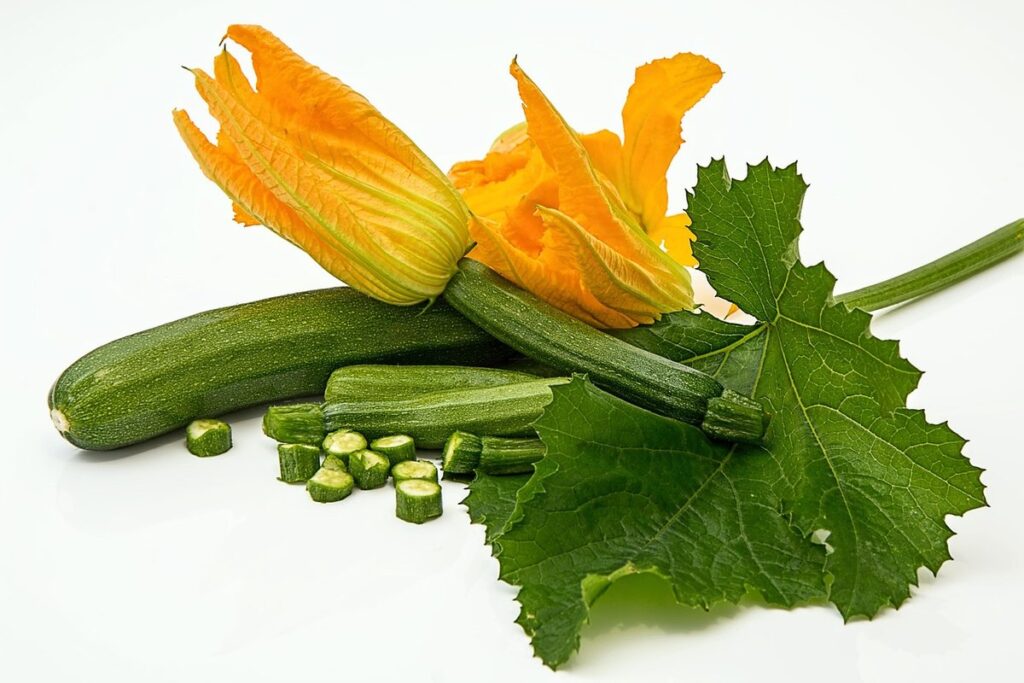
When you’re growing your own zucchini, you know how easy it is to end up with an overabundance of this versatile summer squash. But did you know that planting certain companion plants alongside your zucchini can not only boost its flavor but also increase its yields and even improve soil health? By incorporating the right plants into your garden, you can create a thriving ecosystem where each plant benefits from the others’ presence. In this article, we’ll explore some of the best companion plants to pair with zucchini, including basil, dill, nasturtiums, and more. We’ll dive into the specific benefits of each pairing and provide tips on how to incorporate these plants into your garden for a healthier, more productive harvest.
Benefits of Companion Planting
Companion planting can greatly enhance your zucchini harvest, and we’re excited to dive into some specific benefits that will make a big difference in your garden. Let’s take a look at how companion planting can improve things for you.
Improves Flavor and Nutrition
Companion planting is a game-changer for gardeners who want to take their zucchini crop to the next level. Not only can certain plants help improve soil health, but they can also reduce pests and attract beneficial insects that will keep your zucchini healthy and thriving.
For example, basil and mint are two popular companion plants that not only repel pests like aphids and whiteflies but also add a burst of flavor to your zucchini dishes. Planting them alongside your zucchini can enhance the flavor profile and aroma of your crop.
Onion family members like garlic, chives, and shallots are another group of beneficial companions for zucchini. These plants repel pests like aphids, spider mites, and squash bugs while improving soil health by adding organic matter as they decompose.
By incorporating these companion plants into your garden, you can create a balanced ecosystem that promotes healthy growth and reduces the need for pesticides. Plus, with so many options to choose from, you’re sure to find the perfect combination that works best for your garden’s specific needs.
Increases Crop Yields
When you plant zucchini alongside companion plants, not only do you create a more diverse and resilient garden ecosystem, but you also increase crop yields. Companion planting encourages beneficial relationships between different plant species, which can lead to healthier and more productive plants.
For instance, planting marigolds or nasturtiums with your zucchinis repels nematodes, microscopic worms that feed on the roots of these plants, thereby reducing root damage and increasing water uptake. This results in bigger, juicier fruits with improved texture and flavor. Similarly, basil, a popular herb often paired with zucchini in Mediterranean cuisine, can improve pest resistance by attracting beneficial insects and masking the scent of nearby plants.
By selecting companion plants that complement your zucchinis’ needs, you’ll create an environment where plants thrive together, reducing competition for resources and space. This holistic approach to gardening rewards you with higher yields and a more vibrant garden overall.
Zucchini Companion Plants for Improved Flavor
When growing zucchini, it’s not just what you plant alongside that matters, but also how those companion plants enhance your harvest’s flavor and overall health.
Basil and Zucchini: A Classic Combination
Growing basil alongside zucchini is a match made in heaven, and for good reason. The herb’s fragrance and flavor are naturally enhanced when paired with the mild taste of zucchini. By planting these two together, you’ll not only enjoy a more vibrant garden but also elevate the overall flavor profile of your dishes.
Incorporating basil into your cooking is easier than you think. Simply chop it up fresh and add it to sautéed zucchinis with garlic for an Italian-inspired side dish. You can also use basil leaves as a garnish or mix them into sauces, dips, and marinades for added depth.
One of the most significant benefits of growing basil with zucchini is its ability to repel pests that target these plants. Whiteflies, aphids, and other unwanted insects tend to steer clear of the strong aroma emitted by basil. This means you’ll have fewer problems with pest control in your garden, giving you more time to focus on nurturing healthy growth.
When planting basil alongside zucchini, be sure to provide both plants with enough sunlight (at least 6 hours a day) and water them regularly. With a little care and attention, you’ll enjoy the perfect balance of flavors from these two beloved vegetables.
Dill and Zucchini: A Soothing Pairing
When it comes to pairing vegetables with zucchini, dill is an excellent choice that not only enhances flavor but also offers several health benefits. Dill and zucchini have been used together for centuries in various cuisines, particularly in Eastern European and Middle Eastern cooking.
One of the significant advantages of growing dill alongside zucchini is its ability to aid in pest control. Dill repels aphids, spider mites, and other pests that can damage your zucchini crop. This makes it an excellent companion plant for gardeners who struggle with these common issues. Moreover, dill’s fragrance also attracts beneficial insects like ladybugs and lacewings, which prey on pests and help maintain a balanced ecosystem.
To get the most out of this pairing, plant dill seeds about 1-2 weeks after zucchini seeds have germinated. Dill prefers well-drained soil and full sun, making it an ideal companion for zucchini, which also thrives in these conditions. By incorporating dill into your zucchini garden, you’ll enjoy a healthier crop with fewer pests and enhanced flavor profiles.
Nasturtiums and Zucchini: A Pest-Deterrent Duo
Nasturtiums are a natural pest repellent that can be paired with zucchini to create a harmonious and healthy garden. These vibrant flowers attract aphid-eating lacewings and hoverflies, which in turn help control the aphid population on your zucchini plants. Nasturtiums also repel whiteflies, a common zucchini pest that feeds on plant sap, causing curled or distorted leaves.
To incorporate nasturtiums into your garden, simply plant them around the perimeter of your zucchini bed. They thrive in full sun and well-drained soil, making them an ideal companion plant for zucchini. Nasturtium flowers also attract beneficial insects like ladybugs and parasitic wasps, which prey on pests that target zucchini.
When pairing nasturtiums with zucchini, remember to space them about 12-18 inches apart to allow both plants room to grow. This deters pests from congregating in one area and promotes a balanced ecosystem within your garden. By combining nasturtiums with zucchini, you’ll enjoy fewer pest issues and healthier, more bountiful harvests.
Zucchini Companion Plants for Increased Yields
Planting zucchini with the right companion plants can make a big difference in your harvest, and we’re sharing our top picks to boost yields. These friends will help keep pests away and give you more of what you love!
Cucumbers and Zucchini: A Productive Pairing
Growing cucumbers alongside zucchini is a match made in heaven for several reasons. For one, it’s a classic example of companion planting done right. Cucumbers and zucchini are both members of the same plant family (Cucurbitaceae), which means they share similar growing requirements and can benefit from each other’s presence.
One of the most significant advantages of pairing cucumbers with zucchini is improved yields. By planting them together, you can take advantage of a phenomenon called “suppressed insect pests,” where one plant repels or distracts pests that target another. For instance, cucumber plants release chemical signals that attract beneficial insects like bees and wasps, which prey on aphids and other pests that might harm your zucchini crop.
Additionally, growing cucumbers alongside zucchini can also help reduce soil erosion. Their sprawling vines provide a natural mulch effect, shielding the soil from harsh weather conditions and retaining moisture levels. With proper care and attention, you can enjoy bountiful harvests of both cucumbers and zucchini while minimizing the risk of soil degradation.
To make the most of this pairing, be sure to plant cucumber seeds around the base of your zucchini plants or vice versa. Make sure to provide sufficient space for each vine to spread out, as they can grow quite extensive. By doing so, you’ll not only increase yields but also create a more resilient and sustainable garden ecosystem.
Radishes and Zucchini: A Dynamic Duo
When it comes to planting with zucchini, radishes are an often-overlooked but incredibly valuable companion plant. These peppery roots can do more than just add a burst of flavor to your salads – they also provide a natural defense against pests and help improve drainage in the soil.
One of the most significant benefits of growing radishes alongside zucchini is their ability to repel cucumber beetles, which are notorious for feeding on both radish and zucchini leaves. By planting radishes around the perimeter of your zucchini bed, you can create a barrier that keeps these pesky insects at bay, reducing the need for pesticides and protecting your crop.
In addition to pest control, radishes also help break up compacted soil and improve drainage, which is essential for healthy zucchini growth. As they grow, their taproots penetrate deep into the soil, bringing up nutrients and oxygen that can become trapped in dense zucchini beds. By planting radishes alongside your zucchini, you’ll enjoy a healthier, more robust crop with improved yields.
To get the most out of this dynamic duo, simply plant radish seeds around the base of your zucchini plants every 2-3 weeks throughout the growing season. This will ensure a continuous supply of radish roots to help keep pests at bay and improve soil health.
Sunflowers and Zucchini: A Tall Partner
Planting sunflowers alongside zucchini is an excellent companion planting strategy that offers numerous benefits. One of the most significant advantages of this pairing is the provision of shade for young zucchini plants. As zucchini grows, it requires adequate protection from intense sunlight to prevent scorching and promote healthy growth. Sunflowers’ tall stature creates a natural canopy, casting dappled shadows on the surrounding soil and reducing stress on the zucchini.
In addition to providing shade, sunflowers also help regulate soil temperature fluctuations. Their deep taproots allow them to absorb excess moisture from deeper in the soil profile, which can be beneficial during hot summer months when zucchini is more susceptible to heat damage. Furthermore, as zucchini vines spread out and become heavy with fruit, they can benefit from the support provided by sunflower stalks acting as a trellis.
By planting sunflowers alongside your zucchini, you’re creating an efficient use of space while promoting a harmonious growing environment.
Zucchini Companion Plants for Improved Soil Health
When it comes to companion planting, zucchini benefits from a diverse and vibrant garden ecosystem. Pairing your zucchinis with these beneficial plants will enhance soil health.
Marigolds and Zucchini: A Natural Fungicide
When it comes to growing zucchini, one of the best companion plants to have by its side is marigold. These bright and cheerful flowers are not only a delight to look at, but they also bring a host of benefits to your garden. One of the most significant advantages of growing marigolds alongside zucchini is their ability to repel nematodes – microscopic worms that can damage plant roots and reduce yields.
Marigolds contain chemicals that interfere with the life cycle of nematodes, making it difficult for them to survive in the soil. This means that by planting marigolds near your zucchini, you’re reducing the risk of nematode infestation and protecting your crop from potential damage. In addition to repelling nematodes, marigolds also deter other pests like whiteflies, aphids, and spider mites.
To make the most of this natural fungicide, simply plant marigold seeds near your zucchini at a ratio of about 1:3 – one marigold for every three zucchinis. This will ensure that the benefits of these repelling flowers are spread evenly throughout your crop. By incorporating marigolds into your garden design, you’ll not only boost soil health but also enjoy a more resilient and productive zucchini harvest.
Comfrey and Zucchini: A Nutrient-Rich Pairing
Comfrey’s unique properties make it an ideal companion plant for zucchini. This perennial herb acts as a fertilizer plant, enriching the soil with nutrients and promoting healthy microbial growth. Comfrey contains high levels of nitrogen, phosphorus, and potassium, making it an excellent addition to your garden.
By planting comfrey near your zucchini patch, you’ll reap several benefits. First, comfrey’s deep taproots allow it to absorb essential minerals from the subsoil, bringing them back up to the surface where they can benefit your vegetables. This process is called “fertility mining.” Comfrey also produces a wealth of organic matter as it grows, which acts as a natural fertilizer when incorporated into the soil.
To integrate comfrey into your zucchini garden effectively, consider these tips: plant comfrey about 2-3 feet away from your zucchini rows to avoid shading; cut back the comfrey foliage periodically to encourage new growth and prevent it from taking over; and use the comfrey leaves as a mulch or compost them to further enhance soil fertility. By doing so, you’ll create a nutrient-rich environment that promotes healthy plant growth and reduces the need for synthetic fertilizers.
Tips for Planting Companion Plants with Zucchini
When it comes to growing zucchini, pairing it with companion plants can enhance its flavor, texture, and overall health. Learn how to successfully plant marigolds, basil, and nasturtiums alongside your zucchini.
Spacing and Layout Considerations
When planting companion plants with zucchini, it’s essential to consider their spacing and layout to ensure optimal growth and minimize competition for resources. As a general rule, companion plants should be spaced at least 6-8 inches away from the base of your zucchini plant to prevent overcrowding.
When choosing which plants to grow alongside your zucchini, take into account their mature sizes and growing habits. For example, if you’re planting taller varieties like sunflowers or marigolds, place them on the north side of your zucchini bed to avoid shading. On the other hand, spreading plants like nasturtiums or calendulas can be placed around the base of your zucchini plant to repel pests and attract beneficial insects.
To create a harmonious layout, consider grouping companion plants in sections rather than scattering them throughout the bed. This will help maintain even spacing, reduce competition for water and nutrients, and promote healthy growth.
Watering and Maintenance Best Practices
When growing companion plants alongside zucchini, it’s essential to maintain optimal watering schedules and pruning techniques. Zucchini itself is a thirsty crop that requires consistent moisture, but its companion plants have different watering needs. For instance, mint and dill are drought-tolerant and require less water than basil or cilantro. Keep an eye on your companion plants’ individual needs and adjust your watering schedule accordingly.
Regular pruning of your zucchini plant’s vines will encourage bushy growth, prevent over-maturity, and promote better fruiting. Prune the tips of the stems to about 6-8 inches from the main stem, making sure to leave at least two nodes (the joint where a leaf meets the stem) intact. This will direct energy towards producing more blooms and fruits.
Pruning your companion plants also promotes healthy growth and prevents them from becoming leggy or developing pest-attracting conditions. Regularly trim back overgrown mint stems, deadhead spent flowers on herbs like basil and cilantro, and remove any weak or damaged leaves from your zucchini’s companion plants. This will keep the entire planting area looking tidy and encourage beneficial plant growth.
Common Mistakes to Avoid When Planting Companion Plants
Don’t let companion planting pitfalls ruin your garden’s success. In this critical section, we’ll walk you through common mistakes to avoid when pairing zucchini with other plants.
Overcrowding and Competition
When planting companion plants with zucchini, it’s essential to avoid overcrowding, which can lead to a multitude of problems. Overcrowding can stunt the growth of both the zucchini and its companions, as they compete for vital resources like light, water, and nutrients.
Imagine you’ve planted too many seedlings in a small space – within days, it becomes clear that something needs to be done. With limited sunlight, some plants may start to stretch towards the sky, while others become leggy or weak from lack of light. In this scenario, the zucchini may struggle to produce its usual healthy, prolific fruit.
To avoid overcrowding, plant companion plants at a moderate distance from each other and from the zucchini. For example, basil can be planted about 12 inches away from the zucchini, while nasturtiums or marigolds should be placed around 18-24 inches apart to give their roots space to spread out. This will allow both the zucchini and its companions to grow strong and healthy, resulting in a more bountiful harvest in the end.
Incompatible Plant Combinations
When it comes to planting companion plants with zucchini, it’s not just about pairing them for mutual benefit. Some combinations can actually hinder each other’s growth or even lead to the spread of diseases. Let’s look at some common plant combinations that you should avoid when growing zucchini.
For instance, planting garlic near zucchini is a no-go. The strong scent of garlic can repel beneficial insects and attract pests that target zucchini, like aphids and whiteflies. Not to mention, garlic can also spread diseases such as powdery mildew and downy mildew to your poor zucchini plant.
Another combination to avoid is planting fennel with zucchini. Fennel’s aniseed scent can be overwhelming for the nearby zucchini, stunting its growth and reducing fruit production. Similarly, you should steer clear of pairing mint with zucchini, as its invasive roots can outcompete your poor zucchini plant for water and nutrients.
By being mindful of these incompatible combinations, you’ll create a harmonious garden where each plant thrives and grows to its full potential.
Frequently Asked Questions
How do I choose the best companion plants for my zucchini crop based on its specific growing conditions?
When selecting companion plants, consider factors like sunlight, soil type, and moisture levels to ensure compatibility with your zucchini’s needs. For example, if your zucchini is growing in a full-sun spot, pair it with heat-tolerant companions like nasturtiums or sunflowers.
Can I plant multiple types of companion plants together, or will they compete for resources?
While some companion plants benefit from being grouped together, others may compete for space, water, or nutrients. Research specific combinations and spacing requirements to avoid overcrowding and ensure each plant receives the necessary resources. In general, aim for 2-3 complementary plants per square foot.
How can I ensure that my zucchini companion plants are receiving enough water and nutrients?
Monitor your companion plants’ watering needs, especially in hot or dry weather. Mulch around the base of plants to retain moisture and suppress weeds. Consider using compost tea or other nutrient-rich amendments to support healthy growth and maximize benefits from each pairing.
Can I use companion planting as a natural pest control method instead of chemical pesticides?
Yes! Companion planting is an effective way to repel pests like aphids, whiteflies, and squash bugs while attracting beneficial insects that prey on these pests. By choosing the right combinations, you can create a balanced ecosystem where each plant supports the others’ health.
How long does it typically take for companion plants to start benefiting my zucchini crop?
The benefits of companion planting can become apparent within 1-2 weeks of planting, although some effects may take longer to develop. For example, nasturtiums can repel aphids and whiteflies immediately, while marigolds’ natural fungicide properties may take a few weeks to kick in.