
If you’re a tomato enthusiast, chances are you’ve experienced the frustration of struggling with pests, diseases, or inconsistent yields. But did you know that companion planting can make all the difference? By strategically pairing your tomatoes with complementary herbs, vegetables, and flowers, you can create a balanced ecosystem that promotes healthy growth, repels unwanted pests, and even improves flavor. This guide is dedicated to exploring the ultimate companion planting combinations for tomatoes, including herbs like basil and mint, pest-repelling plants like marigold and nasturtiums, and beneficial flowers like sunflowers and calendula. Whether you’re a seasoned gardener or just starting out, we’ll walk you through the best practices and techniques for creating a thriving tomato garden that’s teeming with life and full of flavor.
Choosing Complementary Crops
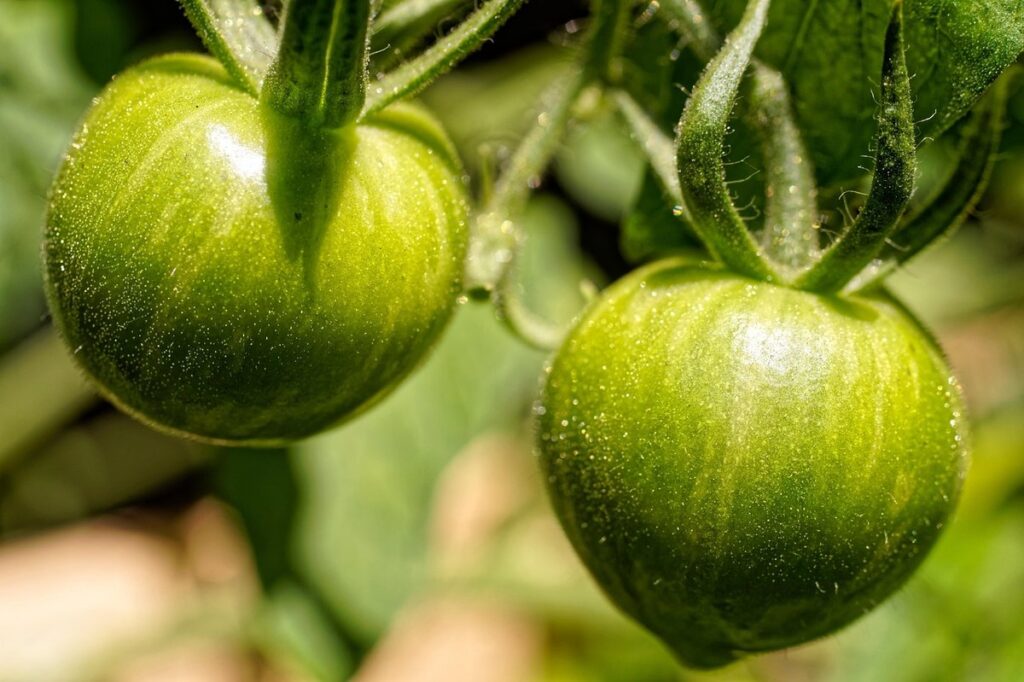
When selecting what to plant alongside tomatoes, it’s essential to consider complementary crops that enhance their flavor and growth. These strategic pairings can make your garden more productive and easier to manage.
Understanding Companion Planting Principles
Companion planting is an age-old technique that’s been used by gardeners for centuries to promote healthy plant growth and deter pests. At its core, companion planting is all about understanding the relationships between different plants and how they interact with each other.
When it comes to tomatoes, companion planting can be a game-changer. By pairing your tomato plants with the right complementary crops, you can create a balanced ecosystem that’s less susceptible to disease and pests. For example, basil repels aphids and whiteflies, which are common tomato pests, while marigolds attract beneficial nematodes that kill off microscopic worms that can harm tomatoes.
To make the most of companion planting, it’s essential to understand the different plant relationships in your garden. This includes identifying which plants repel pests, attract beneficial insects, or provide shade and support for taller crops. By selecting the right complementary crops, you can create a thriving tomato garden that’s more resilient and productive than ever before.
Some popular companion plants for tomatoes include:
• Basil – Repels aphids and whiteflies
• Marigolds – Attracts beneficial nematodes
• Chives – Improves soil health and repels aphids
• Nasturtiums – Repels aphids, squash bugs, and whiteflies
By incorporating these companion plants into your tomato garden, you can create a balanced ecosystem that promotes healthy growth and reduces the need for pesticides.
Tomato-Pleasing Herbs
When it comes to choosing herbs to plant alongside tomatoes, there are several options that not only complement their flavor but also repel pests and improve growth. Basil is perhaps the most well-known pairing with tomatoes, and for good reason – its sweet, slightly spicy flavor enhances the taste of fresh tomatoes in a variety of dishes.
However, basil isn’t just limited to culinary use; it’s also a natural pest repellent that can help keep whiteflies and aphids at bay. Oregano is another popular choice for tomato gardens, with its pungent aroma helping to deter nematodes and other pests that can damage tomatoes.
Mint is a more aggressive spreader, but its invigorating scent can also help repel aphids and other insects that target tomatoes. To use these herbs effectively in your garden, plant them at the same depth as tomatoes and water well after planting. Prune regularly to encourage bushy growth and prevent them from taking over the space.
In cooking, be sure to pair fresh basil leaves with mozzarella cheese for a classic caprese salad or add oregano to tomato sauces for added depth of flavor. Mint can be used in teas, cocktails, or as a refreshing garnish for summer dishes like salads and grilled meats.
Vegetables That Pair Well with Tomatoes
When it comes to pairing vegetables with tomatoes, there are several options that will not only complement their flavor but also enhance your harvest. Let’s explore some of these tasty combinations.
Leafy Greens and Tomatoes: A Perfect Match
When it comes to growing tomatoes, many gardeners focus on companion planting with flowers or herbs. However, leafy greens are a game-changer for tomato gardens. They not only provide a delicious and nutritious addition to salads but also create a balanced ecosystem that benefits the entire plant.
Leafy greens like lettuce, kale, or spinach create shade for young tomato plants, protecting them from intense sunlight and reducing transplant shock. This is especially beneficial when direct sowing tomatoes into hot soil in early spring or late summer. By planting leafy greens around your tomatoes, you’ll also attract beneficial insects that prey on pests that target tomatoes.
In addition to providing shade and attracting beneficial insects, leafy greens help retain moisture in the soil, reducing the need for frequent watering. They’re also excellent at absorbing excess nutrients, preventing over-fertilization of your tomato plants. To get started, simply plant a mix of loose-leaf lettuce, kale, or spinach around your tomatoes, leaving about 6-8 inches between each row. As they grow, harvest them regularly to encourage new growth and prevent overcrowding in your garden bed.
Brassicas and Tomatoes: A Harmonious Combination
When it comes to companion planting with tomatoes, brassica vegetables are an excellent choice. These two plant families may seem like an unlikely pair, but they have a harmonious relationship that benefits both the plants and your garden.
Brassicas such as broccoli, cauliflower, kale, and cabbage repel pests that target tomatoes, including whiteflies, aphids, and hornworms. For example, research has shown that planting marigolds alongside brassicas can increase the mortality rate of nematodes by up to 80%. By incorporating these pest-repellent plants into your tomato patch, you’ll enjoy a healthier crop with reduced pesticide use.
In addition to their pest-repelling properties, brassicas also contribute to improved soil health when grown with tomatoes. As legumes in disguise (they fix nitrogen from the air), brassica plants enhance soil fertility and structure, creating an ideal environment for tomatoes to thrive. To maximize this beneficial relationship, plant your brassica crop at least two weeks before transplanting tomato seedlings into the same bed, allowing them to establish a symbiotic connection that benefits both crops throughout the growing season.
When selecting varieties of brassicas to pair with your tomatoes, choose those that mature at different times to ensure a continuous supply of nutrients and pest control.
Fruiting Vegetables That Complement Tomatoes
When growing tomatoes, it’s not just about pairing them with herbs and flowers, but also incorporating other vegetables that enhance their flavor and texture. Let’s explore some delicious fruited veggies to plant alongside your tomato crop.
Cucumbers and Tomatoes: A Classic Duo
When it comes to choosing plants that complement tomatoes, cucumbers are an excellent choice. Not only do they have similar growing conditions, but they also benefit from the support and shade provided by a trellis or other structure. In fact, training cucumbers to climb up a trellis can be a great way to maximize space in your garden.
One of the biggest benefits of growing cucumbers alongside tomatoes is that they both thrive in warm weather and well-drained soil. This means you can plant them together in the same bed, making it easy to manage and maintain your tomato and cucumber crop. By providing a trellis or other support for the cucumbers to climb on, you’ll also reduce the risk of disease and pests that can affect these plants.
To get started with growing cucumbers alongside tomatoes, simply plant them at the base of a sturdy trellis or fence. Train the cucumber vines to climb up the structure using twine or other supports as needed. With proper care and attention, you’ll be enjoying fresh, homegrown cucumbers right alongside your juicy tomatoes in no time!
Bell Peppers and Tomatoes: A Colorful Combination
When it comes to choosing plants to pair with tomatoes, bell peppers are an excellent choice. Not only do they share similar growing requirements, but their vibrant colors and varying shapes can add visual interest to a garden bed. To start, make sure you’re providing both plants with full sun (at least 6 hours of direct sunlight) and well-draining soil.
In terms of space, bell peppers and tomatoes are often grown together in a companion planting arrangement called the “3 Sisters” method. This technique involves planting corn, beans, and squash or other vining crops like cucumbers or pumpkins alongside your tomato plants. However, since bell peppers don’t grow as tall as these larger plants, they can be planted around the base of your tomatoes to take advantage of the shade provided by their foliage.
Some popular varieties of bell peppers include ‘California Wonder’, a blocky green pepper ideal for snacking and salads, and ‘Sweet Pepperoncini’, a sweet Italian-style red pepper perfect for adding to sandwiches.
Flowers That Attract Pollinators
When selecting companion plants for your tomato patch, consider adding some flowers that attract pollinators to ensure a bountiful harvest and reduce pest pressure. This section highlights some of these beneficial blooms.
Nasturtiums and Tomatoes: A Pest-Repelling Partnership
When it comes to growing tomatoes, many gardeners overlook the importance of companion planting. However, pairing nasturtiums with tomatoes is a game-changer for maintaining a healthy and pest-free environment. Nasturtiums are a natural repellent for aphids, whiteflies, and squash bugs – all common pests that can wreak havoc on your tomato crop.
These vibrant flowers release chemicals that deter these pesky insects from landing on the nearby tomato plants, reducing the risk of infestation. In fact, studies have shown that nasturtiums can reduce aphid populations by up to 70%! By incorporating nasturtiums into your garden design, you’ll not only keep pests at bay but also create a beautiful and diverse ecosystem.
To make the most of this pest-repelling partnership, plant nasturtiums around the perimeter of your tomato bed or interspers them among the plants. This will ensure that the beneficial chemicals are released throughout the area, providing maximum protection for your tomatoes. With nasturtiums by their side, your tomato plants will thank you – enjoy a bountiful harvest with fewer pest-related worries!
Marigolds and Tomatoes: A Bright Combination
When it comes to companion planting for tomatoes, marigolds are an excellent choice. These bright and cheery flowers not only add a pop of color to your garden but also attract pollinators and improve soil health when grown together with tomatoes.
Marigolds are natural pest repellents and can help deter nematodes, whiteflies, and other pests that target tomato plants. By planting marigolds around the perimeter of your tomato bed, you can create a barrier against these unwanted visitors. This is especially beneficial for home gardeners who often struggle with pests in their gardens.
But marigolds’ benefits don’t stop there. They also attract pollinators like bees and butterflies, which are essential for tomato reproduction. By supporting these beneficial insects, you’ll increase your chances of a successful tomato harvest.
To get the most out of this combination, be sure to plant marigolds around the base of your tomato plants, spacing them about 12-18 inches apart. This will allow both plants to receive sufficient sunlight and water while maximizing their benefits for each other.
Considerations for Companion Planting
When choosing companion plants for your tomatoes, it’s essential to consider their growth habits and potential interactions with each other. This helps prevent overcrowding and reduces competition for resources like water and nutrients.
Space and Sunlight Requirements
When planting companion crops with tomatoes, it’s essential to consider their space and sunlight requirements. Tomatoes are typically heavy feeders and need a significant amount of sunlight to produce well, so choose companion plants that don’t compete for light or resources.
Consider the mature size of each plant and leave sufficient space between them for optimal growth. For example, basil and mint can spread out quickly and may require separate containers or more space within the garden bed. On the other hand, smaller herbs like parsley and cilantro can thrive in tight spaces and even benefit from being planted close to tomatoes.
To create a balanced garden bed with sufficient light and air circulation, aim for a mix of plants that have different growth habits and requirements. For instance, you could plant taller sun-loving crops like marigolds or nasturtiums at the north side of the bed, while smaller, shade-tolerant plants like lettuce or radishes are placed towards the south.
Make sure to also leave enough space for air circulation between each plant to prevent fungal diseases and pests from spreading. A general rule of thumb is to provide about 12-18 inches (30-45 cm) of space between tomato plants and their companions, depending on the specific varieties you’re growing.
Potential Drawbacks and Limitations
Companion planting can sometimes be misunderstood as a foolproof method of creating a thriving garden. However, like any gardening technique, it’s not without its limitations and potential drawbacks. One key consideration is competition for resources between the companion plants themselves.
If you’re planting multiple species together, some may compete with your tomatoes for water, nutrients, or light. For instance, if you plant marigolds alongside your tomatoes, they’ll draw on the same water supply, potentially leaving your tomatoes parched. This can be mitigated by ensuring each plant has its own dedicated watering schedule.
Another risk is increased pest pressure due to attracting unwanted insects with certain companion plants. Basil and mint are popular choices for repelling pests, but if not properly contained, they may attract aphids or whiteflies that’ll wreak havoc on your tomatoes. To avoid this, introduce these herbs at the end of the growing season, when their appeal to pests has diminished.
Putting it All Together: Designing a Companion Planting System
Now that you’ve learned which plants make great companions for tomatoes, let’s put all these tips together to design a thriving companion planting system.
Creating a Diverse Garden Bed
Creating a diverse garden bed is a key component of designing an effective companion planting system. By incorporating multiple layers of plants into a single bed, you can create a thriving ecosystem that promotes biodiversity, reduces pests, and improves soil health.
This approach mimics the natural world, where different plant species coexist in harmony to create a balanced environment. For example, planting tall sunflowers or corn stalks as a trellis for climbing beans or peas creates a three-dimensional space that provides shade, supports beneficial insects, and adds structural interest to the bed. Complementary plants like marigolds and nasturtiums can be interplanted with tomatoes to repel nematodes and other pests.
Consider incorporating nitrogen-fixing legumes like beans or peas into your bed, which will enrich the soil for the tomatoes. Incorporating a mix of annuals and perennials also provides a continuous blooming period, attracting beneficial pollinators and adding visual interest throughout the growing season.
Tips for Implementing Companion Planting in Your Garden
When implementing companion planting in your garden, it’s essential to consider the space and layout of your plants. To maximize benefits, choose crops that have different growing requirements and mature at varying times. For example, pair a fast-growing crop like radish with a slower-growing crop like lettuce. This way, you can make the most of your space without sacrificing yields.
To manage space effectively, consider using vertical gardening techniques or interplanting smaller crops between larger ones. Be sure to research which companion plants thrive in your specific climate and region, as some may require more attention than others.
As your garden evolves, monitor plant relationships over time to identify any potential issues. For instance, if you notice that a particular crop is being outcompeted for resources by its companion, adjust the layout or consider replacing it with a more compatible variety. By observing and adjusting your companion planting system regularly, you can create a harmonious and thriving ecosystem in your garden.
Frequently Asked Questions
Can I use companion planting with container gardens?
Yes, you can definitely use companion planting in container gardens, as long as you choose plants that thrive in containers and have enough space to grow. This is a great way to create a thriving tomato garden even on a small balcony or patio.
How do I prevent pests from targeting my tomatoes when using companion planting?
While companion planting can help repel pests, it’s not a foolproof method. To supplement this, use physical barriers like fine mesh or row covers to protect your plants. You can also introduce beneficial insects, such as ladybugs and lacewings, which prey on common tomato pests.
Can I combine multiple pest-repelling plants together?
Yes, you can definitely combine multiple pest-repelling plants together to create a powerful defense against pests. For example, planting marigolds alongside nasturtiums and basil can help repel nematodes, whiteflies, and aphids all at once.
How long does it take for companion planting to start showing results?
Companion planting can start showing results within a few weeks of planting. However, the full benefits may not be realized until the plants have matured and are in full growth. Be patient and monitor your garden regularly to see what’s working and what needs adjustments.
Can I use companion planting with hydroponic or indoor gardens?
Yes, you can apply companion planting principles to hydroponic or indoor gardens by selecting plants that thrive in these conditions and choosing compatible growing mediums. This is a great way to create a thriving tomato garden even without traditional soil.