
Planting strawberries in your garden can be a rewarding experience, but did you know that choosing the right companions can make all the difference? When paired with the right plants, strawberries can thrive, producing more fruit and growing healthier. But how do you choose these perfect pairings? In this article, we’ll explore which plants to pair with strawberries for optimal growth, improved pest control, and enhanced soil health. We’ll also delve into the importance of considering your growing conditions when selecting companions. By learning which plants complement strawberries best, you can create a thriving and productive garden that’s less prone to pests and diseases. Whether you’re a seasoned gardener or just starting out, this guide will help you discover the perfect partners for your strawberry patch.
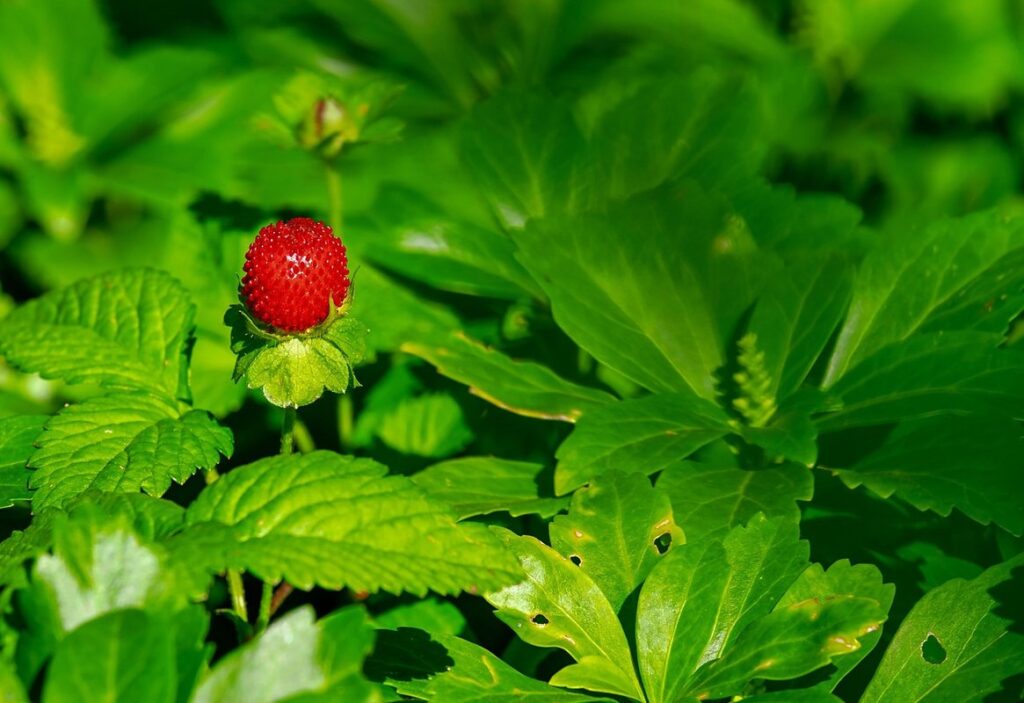
Choosing the Right Companions
When it comes to companion planting with strawberries, some friends are better than others. In this section, we’ll explore which plants make ideal companions for a thriving strawberry patch.
Understanding Strawberry Needs
When it comes to growing healthy and productive strawberry plants, understanding their basic needs is crucial. Strawberries require at least six hours of direct sunlight per day to produce well, so choose a location that receives plenty of sun. If you’re planning to grow strawberries in a shaded area, consider using grow lights to supplement the natural light.
Watering is another essential aspect to get right. Strawberries need consistent moisture, especially when they’re producing fruit. Aim to provide about 1-2 inches of water per week, either through rainfall or irrigation. Make sure the soil drains well to prevent waterlogged roots.
Strawberries also prefer well-draining, rich soil with a pH between 5.5 and 6.5. Test your soil to determine its pH level and amend it if necessary. Use compost or well-rotted manure to improve soil fertility and structure.
Selecting Companion Plants for Specific Conditions
When it comes to growing strawberries, the right companion plants can make all the difference. But did you know that certain conditions can affect which companions will thrive alongside your strawberry patch? Whether you’re dealing with shade, full sun, or container gardens, there are plenty of options to consider.
For areas with partial shade (4-6 hours of direct sunlight), nasturtiums and creeping thyme are excellent choices. They’ll help repel pests like aphids and whiteflies that target strawberries, while also attracting beneficial insects. In contrast, full sun conditions require more robust companions like marigolds and borage, which not only attract pollinators but also improve soil health.
Container gardens often present a unique set of challenges, but companion plants can still play a crucial role. Consider pairing strawberries with basil or mint for added flavor and fragrance. These herbs will also help repel pests and create a visually appealing display. Remember to choose companions that complement your strawberry variety’s growth habits and space requirements.
Classic Strawberry Companions
When it comes to planting strawberries, some companion plants are absolute winners – and we’re excited to share our top picks for classic strawberry companions that will make your garden thrive! Let’s dive into these tried-and-true pairings.
Mint and Strawberries: A Timeless Combination
When it comes to companion planting, mint and strawberries have been a classic pairing for centuries. But why do these two plants complement each other so well? One of the main benefits of growing mint alongside strawberries is its ability to repel pests that might otherwise target your strawberry patch. Mint’s strong scent can deter aphids, whiteflies, and even nematodes – all common pests that can harm strawberry plants.
However, there’s a potential drawback to consider: competition for resources. Mint is a voracious grower that can quickly spread and overshadow nearby plants, including strawberries. This might lead to reduced strawberry growth or even stunt its production. To mitigate this risk, be sure to contain mint using a physical barrier, such as a pot or a raised bed. By separating the two plants in this way, you can enjoy the benefits of mint’s pest-repelling properties without sacrificing your strawberry crop.
In fact, by carefully planning and containing mint, you can even use it as a natural fertilizer for your strawberries. Mint’s deep taproots allow it to absorb nutrients from deeper soil layers, which it then releases back into the surrounding area. This creates a nutrient-rich microclimate that benefits nearby plants – including your strawberries.
Marigolds as a Natural Pest Deterrent
When it comes to companion planting, marigolds are a natural pest deterrent that’s worth considering. These bright and cheery flowers have been used for centuries to repel nematodes and other pests that target strawberries.
Marigolds contain chemicals that disrupt the life cycle of nematodes, which can cause significant damage to strawberry plants. By planting marigolds alongside your strawberries, you can reduce the risk of nematode infestations. In fact, studies have shown that marigold extracts can reduce nematode populations by up to 90%.
To get the most out of marigolds as a pest deterrent, be sure to plant them around the perimeter of your strawberry bed. This will help prevent nematodes and other pests from spreading to your strawberries in the first place. Additionally, consider using marigold-infused water as a spray to directly target any existing pest problems.
Remember that marigolds are not a substitute for proper crop rotation or soil care. However, when used in conjunction with these best practices, they can be a valuable addition to your strawberry companion planting strategy.
Companion Plants for Improved Growth
When planting strawberries, consider pairing them with companion plants that enhance their growth and flavor. Some of these beneficial buddies include marigolds, borage, and garlic.
Borage: A Pollinator Attractor and Soil Enricher
Borage is a fantastic companion plant for strawberries, offering numerous benefits that can enhance their growth and flavor. One of its most significant advantages is its ability to attract pollinators like bees and butterflies. By planting borage near your strawberry patch, you’ll create a welcoming environment for these essential visitors, which are crucial for fruit set.
In addition to attracting pollinators, borage also has the power to improve soil quality. Its deep taproots can break up compacted soil, while its leaves release nutrients into the surrounding area. This process not only benefits your strawberries but also other plants in the garden. To incorporate borage into your strawberry garden, simply plant it around the edges or intersperse it throughout the bed. Aim for a ratio of 3-4 borage plants per 10 strawberry plants.
By companion planting with borage, you’ll create a more diverse and resilient ecosystem that will reward you with healthier strawberries and a more thriving garden overall.
Chives as a Nitrogen-Fixing Companion
Chives are not only a delicious addition to many dishes, but they also have a secret superpower that makes them an ideal companion plant for strawberries and other vegetables. As a nitrogen-fixing legume, chives can convert atmospheric nitrogen into a form that’s readily available for nearby plants to absorb. This process is called symbiotic nitrogen fixation, and it’s especially beneficial for strawberries, which are heavy feeders and require consistent nutrient input.
When planted alongside your strawberry patch, chives can help reduce the need for synthetic fertilizers, which can pollute soil and waterways. Plus, by fixing nitrogen, chives create a more balanced ecosystem that encourages healthy microbial activity in the soil. This translates to stronger, more resilient strawberry plants with improved yields. Simply plant chives around the perimeter of your strawberry bed, or intersperse them throughout the patch for optimal benefits. With their delicate onion-like flavor and attractive purple blooms, you’ll be enjoying both a lush strawberry harvest and a beautiful, fragrant herb garden at the same time!
Companion Plants for Pest Control
To keep those pesky pests away from your strawberry plants, consider incorporating some natural companions that repel them and promote healthy growth. These clever pairings will boost your harvest while minimizing chemical use.
Nasturtiums: A Multifaceted Pest Repellent
Nasturtiums are an excellent addition to your strawberry patch, offering a trifecta of benefits that will keep pests at bay. These versatile flowers have been used for centuries as a natural repellent against aphids, whiteflies, and other common strawberry pests. In fact, nasturtiums contain compounds like limonene and sinigrin, which are toxic to these unwanted visitors.
When planted alongside strawberries, nasturtiums have been shown to reduce aphid infestations by up to 50%. This is especially important for young strawberry plants, as aphids can quickly multiply and spread disease. Nasturtiums also repel whiteflies, those pesky insects that feed on plant sap and leave behind a sticky residue.
To maximize nasturtiums’ pest-repellent properties, plant them around the perimeter of your strawberry patch or intersperse them among the plants. Make sure to space nasturtium seeds about 6-8 inches apart to allow for proper growth and air circulation. With their bright flowers and delicate foliage, nasturtiums will not only keep pests away but also add a pop of color to your garden.
Basil’s Impact on Aphid Populations
Basil is a popular companion plant that can have a significant impact on aphid populations when grown alongside strawberries. Aphids are small, soft-bodied insects that feed on plant sap, weakening the strawberry plants and leaving them vulnerable to disease. By planting basil nearby, you can create an environment that discourages aphid infestations.
Basil contains compounds such as linalool and citral, which have been shown to repel aphids and other pests. In fact, a study found that basil oil was able to kill 95% of aphids within 24 hours. To reap the benefits of basil for pest control, simply plant it around the perimeter of your strawberry bed or intersperse it among the plants.
When growing basil with strawberries, be sure to keep in mind that basil prefers well-drained soil and full sun. Planting it in a spot where it will receive at least 6 hours of direct sunlight per day should help it thrive and perform its pest-repelling duties effectively.
Companion Plants for Soil Health
When it comes to growing healthy strawberries, choosing the right companion plants can make a huge difference in your soil’s overall health and fertility. We’ll explore some of the best options to pair with your strawberry patch.
Comfrey: A Dynamic Accumulator and Mulch Producer
Comfrey is often referred to as “the fertilizer plant” due to its ability to act as a dynamic accumulator. This means it has an extraordinary capacity to absorb nutrients from the soil and make them available for other plants when they break down its leaves or roots. By incorporating comfrey into your strawberry garden, you’ll not only improve soil fertility but also create a nutrient-rich mulch that will benefit your strawberries.
To integrate comfrey into your strawberry bed, simply scatter its seeds among the rows of strawberries. As the comfrey grows, it can be used as a cut-and-come-again crop – harvest its leaves regularly and use them to make a liquid fertilizer or add them directly to the soil. You can also chop and drop the comfrey leaves, allowing them to act as a natural mulch that retains moisture and suppresses weeds.
By growing comfrey alongside your strawberries, you’ll be creating a self-sustaining ecosystem that requires minimal external inputs.
Oregano as a Natural Fungicide
When it comes to maintaining soil health and preventing diseases that target strawberries, companion planting can be a valuable strategy. One natural fungicide that’s often overlooked is oregano. This herb has been shown to exhibit impressive antifungal properties, making it an excellent addition to strawberry plantings.
Studies have demonstrated that oregano oil can inhibit the growth of fungal pathogens such as Botrytis and powdery mildew, which are common threats to strawberries. By planting oregano alongside your strawberry crop, you may be able to prevent these diseases from taking hold. To reap the benefits of oregano’s antifungal properties, try interplanting it around the perimeter of your strawberry bed or incorporating it into a companion planting mix.
Some tips for using oregano as a natural fungicide include: growing it in well-draining soil and full sun to encourage its potency, pruning it regularly to promote leaf growth, and harvesting the leaves just before they flower. By harnessing the antifungal powers of oregano, you can create a healthier environment for your strawberries and reduce your reliance on chemical pesticides.
Tips for Successful Companion Planting
To get the most out of your strawberry patch, it’s essential to choose companion plants that will enhance growth, flavor, and pest resistance. Learn how to pair strawberries with perfect partners!
Spacing and Planting Strategies
When planting companion species alongside strawberries, it’s essential to consider the spacing and depth of each plant. A good rule of thumb is to leave about 6-12 inches between individual strawberry plants, depending on their variety. This will give them enough room to spread out and receive proper air circulation.
In terms of depth, strawberries prefer well-draining soil that’s rich in organic matter. Plant them at a depth of around 2-3 inches, making sure the crown (where the roots meet the leaves) is above the soil level. Be mindful of overwatering, as this can lead to root rot and other issues.
Timing is also crucial when planting companion species with strawberries. Plant taller companions like basil or mint on the north side of your strawberry bed to avoid shading them out. Instead, plant shorter companions like marigolds or nasturtiums around the base of the strawberries to repel pests and attract beneficial pollinators.
Monitoring and Maintenance
Companion planting is not just about selecting the right plants to grow together; it’s also about monitoring and maintaining their health to ensure a successful harvest. Regular checks will help you identify potential issues before they become major problems.
Start by inspecting your strawberry bed regularly for signs of pests, diseases, or nutrient deficiencies. Be on the lookout for aphids, whiteflies, and spider mites, which can be attracted to certain companion plants like basil and mint. If you notice any of these pests, consider introducing natural predators like ladybugs or lacewings to control their populations.
Keep a close eye on your soil moisture levels as well. Companion planting can sometimes lead to overwatering due to the needs of the different plant species. Make sure to water only when necessary and mulch around the plants to retain moisture and suppress weeds.
Adjust your companion planting strategy if needed by swapping out underperforming plants with more resilient ones or adjusting their placement in the bed. For instance, if you notice that a particular variety of mint is overpowering the strawberries, consider transplanting it to a separate container or pruning it back to maintain its growth within bounds.
Frequently Asked Questions
How Do I Know If My Soil is Suitable for Companion Planting with Strawberries?
When selecting companion plants, it’s essential to consider your soil type and pH level. Conduct a soil test to determine its pH and nutrient content. Most strawberries prefer well-draining, slightly acidic soil (pH 5.5-6.5). Choose companion plants that thrive in similar conditions or are adaptable to different soil types.
Can I Use Companion Planting as a Sole Solution for Pest Control?
While companion planting can help deter pests, it’s not always a foolproof solution. Consider combining companion planting with other pest control methods, such as crop rotation, physical barriers, and organic pesticides. Be patient and monitor your plants regularly to adjust your approach as needed.
How Do I Space Companion Plants Around My Strawberry Patch?
When planting companion plants around strawberries, consider their mature size, growth habits, and space requirements. Plant taller companions (like marigolds or sunflowers) on the north side of your strawberry patch to avoid shading the fruit-bearing plants. Leave sufficient space between rows for easy access and maintenance.
Are There Any Companion Plants That Can Improve Soil Health While Repelling Pests?
Yes! Comfrey is an excellent example of a dynamic accumulator that improves soil health while repelling pests. Its deep taproots bring up nutrients from subsoil, making them available to strawberry plants. Additionally, comfrey’s leaves contain compounds that deter pests like nematodes and whiteflies.
How Can I Monitor the Effectiveness of My Companion Planting Strategy?
Regularly inspect your strawberry patch for signs of pest pressure, disease outbreaks, or nutrient deficiencies. Take note of any improvements in growth, fruit production, or pest control. Adjust your companion planting strategy as needed based on your observations and the specific needs of your garden.